In 2026, the digital marketing landscape has reached a definitive tipping point. The era of the "Blue Link" is fading, replaced by the authoritative voice of AI Answer Engines. For over two decades, marketers lived and died by Google’s Page 1, but today, the battlefield has shifted. Traditional search volume has declined by a staggering 25% as users migrate toward conversational agents and AI Overviews, a trend famously predicted by Gartner research. If your brand isn’t being cited as the primary solution by Claude Opus 4.5 or Gemini 3 Pro, you are effectively invisible to a quarter of your potential market. This article is your distribution-focused playbook for mastering Answer Engine Optimization (AEO) and securing your brand’s future in a zero-click world.
The Rise of Answer Engine Optimization (AEO)
In the current marketing climate, the goal of search visibility has evolved. It is no longer enough to rank for a keyword; you must now be the cited entity within an AI-generated response. AI Overviews now appear in 18.76% of all US search results, according to recent BrightEdge tracking data. This shift represents the transition from Search Engine Optimization (SEO) to AI Engine Optimization 2026.
Unlike traditional SEO, which focuses on click-through rates (CTR) to a website, AEO focuses on information density and authoritative citation. When a user asks an LLM for a recommendation, the model synthesizes information from across the web. To win, your brand must be inextricably linked to specific niches in the model’s training data and real-time search context, often categorized as Knowledge Graph entities.
"Cited pages in AI search results are the new 'Page 1' of Google. If you aren't the source, you don't exist in the user's journey."
Claude Opus 4.5 vs. Gemini 3 Pro: The Search Giants of 2026
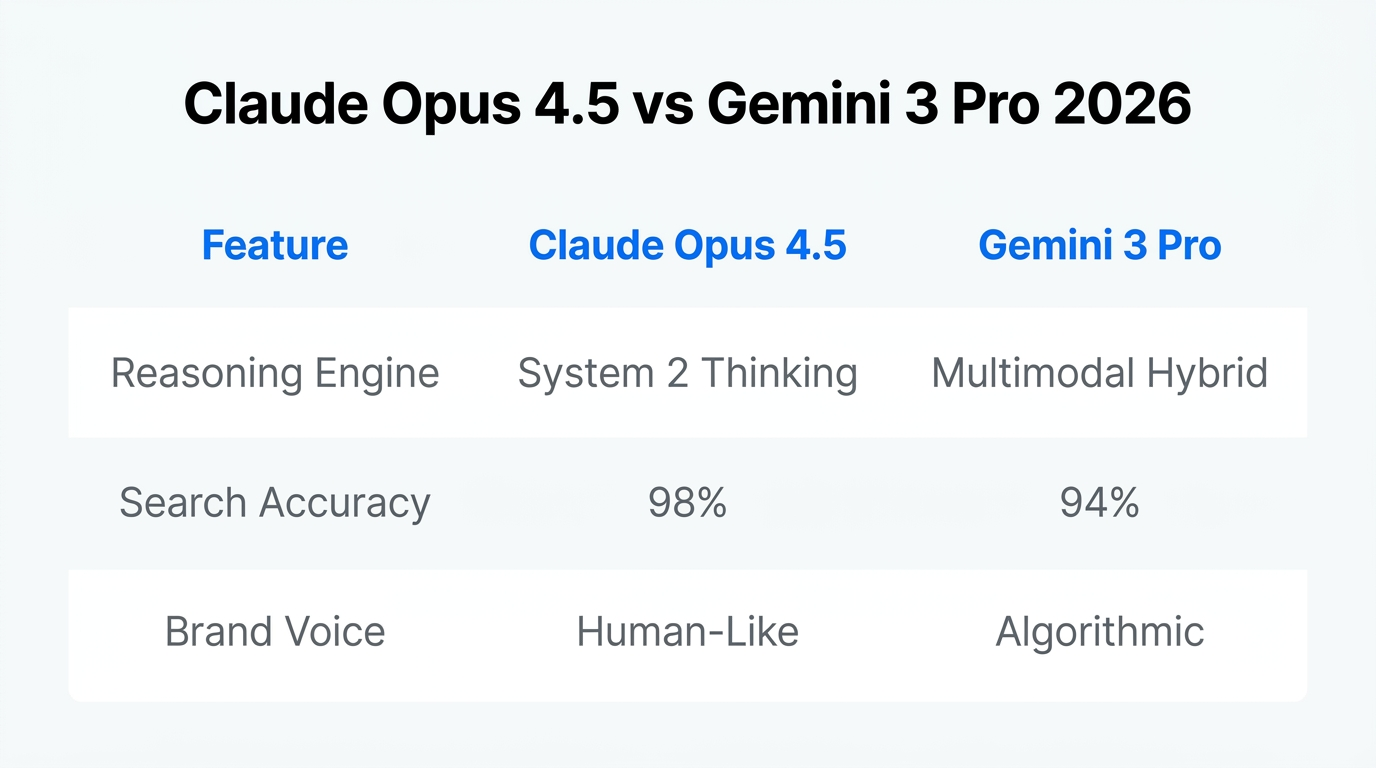
To optimize for AEO, you must understand the logic of the models you are targeting. As of March 2026, the market is dominated by two frontier models that behave in distinct ways. Claude Opus 4.5 is widely considered the superior "architect" for high-conversion logic and non-robotic design, while Gemini 3 Pro leverages its massive multimodal context and deep integration with the Google Ads ecosystem.
| Feature | Claude Opus 4.5 | Gemini 3 Pro |
|---|---|---|
| Coding Accuracy | 80.9% (SWE-bench Verified) | 76.2% |
| Context Window | 200K Tokens | 1M+ Tokens |
| Primary Strength | Reasoning & Logic | Multimodal Assets |
| Search Integration | Citations-focused | Google Search/Ads Ecosystem |
| Design Philosophy | Human-centric / "Senior" feel | Visual-heavy / "Creative" feel |
While Opus 4.5 acts as a "Senior Engineer" that produces cleaner, production-grade logic, Gemini 3 Pro excels at injecting "clever" features and processing vast amounts of brand history through its 1M+ token context window. Understanding these nuances is critical for your AEO vs SEO strategy.
Entity Association: How to Earn the Citation
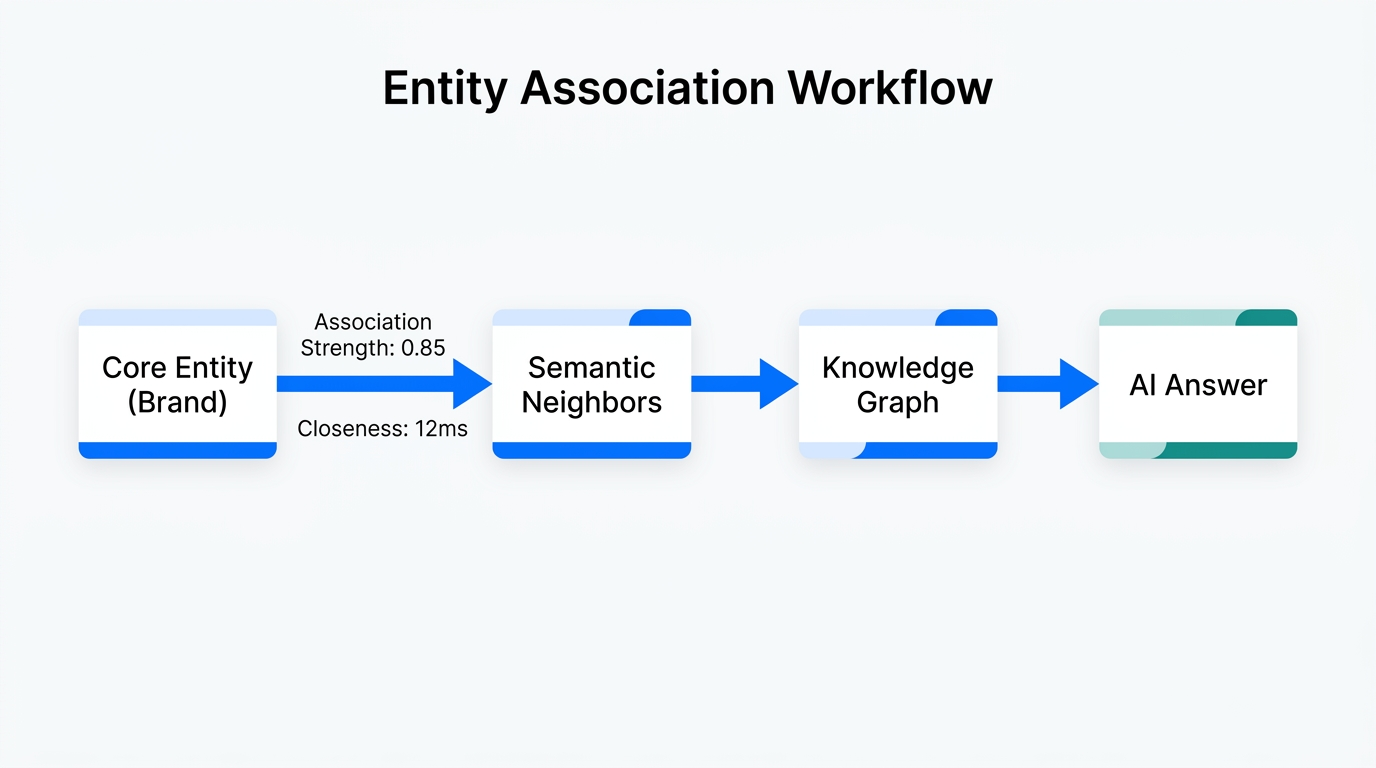
In the AEO era, the most valuable asset a brand owns is its Entity Association. This is the process of ensuring that frontier models like Claude and Gemini recognize your brand as the definitive solution for a specific problem. AI models don't just look for keywords; they look for relationships between concepts.
To build this association, brands must focus on three pillars:
- High-Authority Backlinks: While still relevant for SEO, for AEO, backlinks act as "trust signals" that tell the LLM your content is worth citing. Strategies from Search Engine Journal remain vital here.
- Co-Occurrence: Ensure your brand name is frequently mentioned alongside the specific problems you solve in authoritative third-party content.
- Influencer Validation: LLMs now weight social proof heavily. When creators and influencers discuss your brand, it builds a data layer that AI models use to verify your claims.
For brands looking to scale this, using an all-in-one influencer platform like Stormy AI is essential. By identifying the right creators to build "mentions" in the digital ecosystem across TikTok and YouTube, you aren't just getting social reach—you are feeding the training data of the LLMs that will eventually recommend your product.
"In 2026, every influencer post is a data point for an LLM. Influence is the fuel for AEO."
Structuring AI-Assisted Data for Gemini AI Overviews
Technical SEO hasn't died; it has migrated to the background. To earn "featured summaries" in Gemini 3 Pro’s AI Overviews, you must utilize AI-assisted structured data. Over 90% of cited pages in AI search results now contain enhanced schema that makes their content "legible" to frontier models.
This involves more than just basic JSON-LD. You must use Speakable Schema, FAQ Schema, and Dataset Schema as outlined by Schema.org to provide the "reasoning layers" that models like Opus 4.5 look for when synthesizing an answer. This data allows the AI to extract your core value proposition without having to crawl your entire site, increasing the likelihood of a high-visibility citation.
The Zero-Click Conversion Trend
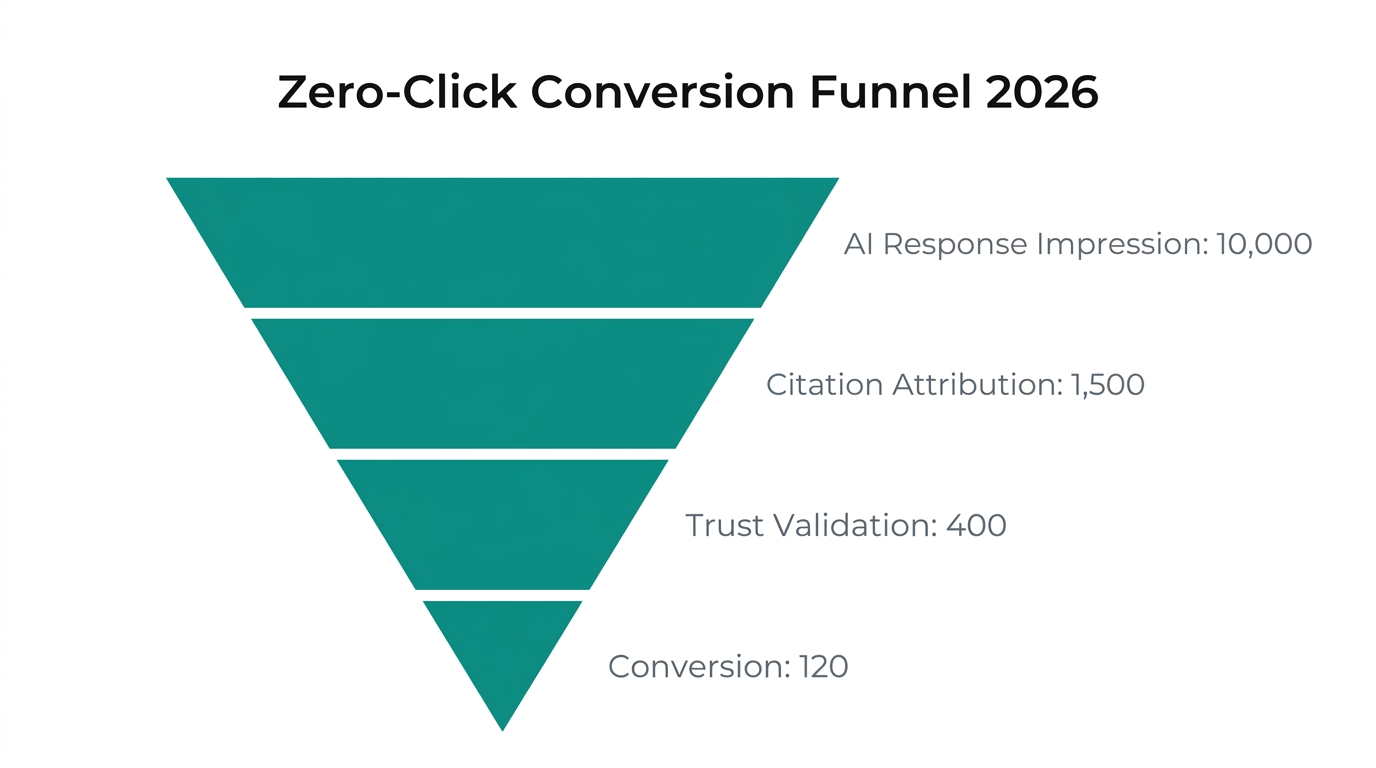
One of the most disruptive trends of 2026 is the Zero-Click Conversion. As users spend more time interacting with brand entities directly inside the LLM interface, the traditional landing page is being bypassed. AI agents can now handle "one-tap" actions like WhatsApp-first conversion or Stripe-integrated "Buy Now" buttons generated on the fly within the chat interface.
Marketers must optimize for these frictionless journeys. This means ensuring your brand’s API and product data are accessible to "Agentic Workflows." Platforms like Zapier Central and Google’s own autonomous platforms allow Gemini to create and deploy these conversion pathways based on real-time user intent. If your brand architecture is "locked" behind a traditional UI, you will lose the conversion to a competitor whose data is open to the AI agent.
AEO Audit Checklist: Making Your Brand Architecture 'Legible'
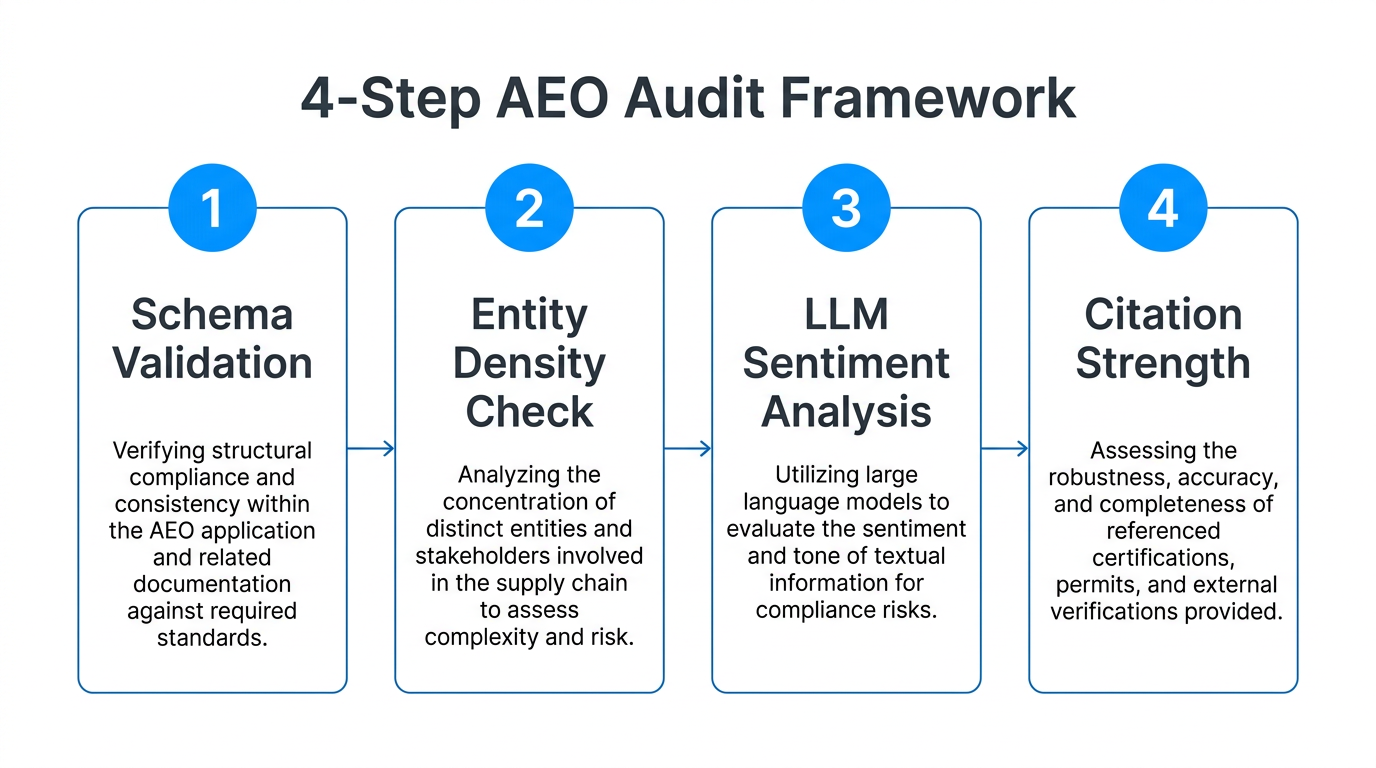
To ensure your brand is prepared for the shift to Generative Engine Optimization, follow this technical checklist to audit your current digital footprint:
- Natural Language Parity: Does your content answer the exact conversational queries users are asking LLMs? Use tools like Zigment to identify intent-based classification for your niche.
- API Accessibility: Is your product catalog or service list accessible via a public API that LLMs can parse?
- Fact-Density: Does your content have a high ratio of verifiable facts to marketing fluff? Claude Opus 4.5 prioritizes information density over emotional copy.
- Multimodal Optimization: Are your images and videos tagged with descriptive alt-text and schema that Google Search Central recommends so Gemini 3 Pro can "see" and include in visual summaries?
- Trust Signals: Are you consistently cited by high-authority sources in the last 6 months? LLMs prioritize recent, authoritative data.
Implementing these steps will significantly improve your Claude Opus 4.5 search visibility and ensure your brand remains a top recommendation in the AI-first world.
Winning the AEO Era
The transition to AEO is not a temporary trend; it is the structural reorganization of how humans find information. By 2026, the brands that win are those that stop chasing keywords and start building Entity Authority. Whether you are using Stormy AI to drive the creator-led mentions that fuel LLM training data, or leveraging Vercel to build AI-legible interfaces, the mission remains the same: Be the answer.
As traditional search volume continues to migrate to answer engines, your investment in AI Engine Optimization 2026 will be the difference between exponential growth and digital obsolescence. The tools are here—Claude, Gemini, and agentic platforms. The question is whether your brand is structured to let them find you.