Vibe Coding Your GTM: A Guide to Launching SaaS Assets Faster Using Claude Code in 2026
Master the 2026 vibe coding tutorial. Learn how non-technical founders use Claude Code and autonomous agents to build SaaS assets faster than traditional agencies.
In 2026, the distance between a product idea and a live, high-converting market asset has shrunk from weeks to minutes. We have entered the era of Vibe Coding—a philosophy where the technical barrier to entry has effectively vanished, replaced by agentic orchestration and pure creative intent. For SaaS founders, this isn't just a trend; it is a fundamental shift in SaaS go-to-market strategy 2026. By leveraging tools like Claude Code, entrepreneurs are bypassing traditional agency retainers to build, test, and deploy custom marketing stacks that outperform generic templates.
Defining the 2026 Vibe Coding Workflow
Vibe coding is the practice of using high-level natural language to guide AI agents through complex software development tasks. In 2026, this has evolved from simple autocomplete to a fully autonomous loop of scaffolding, copy injection, and GitHub deployment. The modern practitioner doesn't write syntax; they manage a "squad" of agents. For example, a founder might use Claude 4.6 Opus to define the strategy, v0.dev for component generation, and Claude Code for the final implementation.
The market for AI coding assistants is valued at $7.1 billion this year, reflecting a massive shift toward "agent-native" development. Practitioners are moving away from bloated WordPress sites toward high-performance, custom-coded React pages that prioritize Core Web Vitals. According to Forrester Research, these custom-coded assets now command a 40% premium in lead generation ROI compared to template-heavy alternatives.
"The barrier to entry for high-end web design has vanished. Tools like Claude Code mean the 'developer' is now a product manager of AI agents." — Amjad Masad, CEO of Replit.
Claude Code vs. Cursor vs. Lovable: Choosing Your Stack
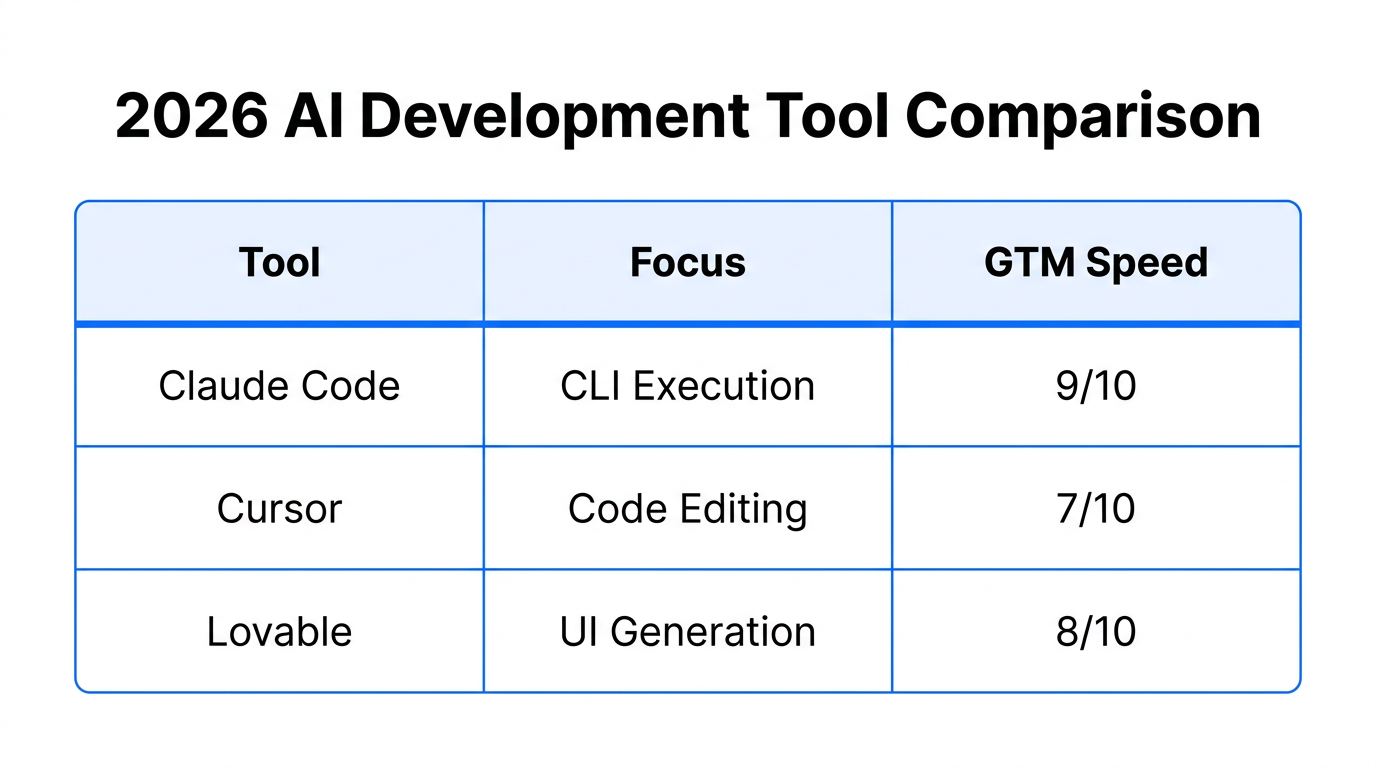
Selecting the right tool for your brand-building stage is critical. While 2026 offers a variety of platforms, they cater to different levels of technical comfort. Claude Code is the power user's choice—a CLI agent that understands intent and architecture. Meanwhile, Cursor remains the standard IDE for developers who want the most polished AI-integrated coding environment.
| Platform | Role in Ecosystem | Ideal User | 2026 Status |
|---|---|---|---|
| Claude Code | CLI Agent | Technical Founders | Power User Choice |
| Cursor | Standard IDE | Professional Developers | Most Polished DX |
| Lovable.dev | App Builder | Non-Technical Founders | Founder's Favorite |
| Bolt.new | Web Agent | Growth Engineers | Best for Scaffolding |
For those debating Claude Code vs Cursor for React, the decision often comes down to depth. Claude Code (CLI) excels at complex refactors and cross-file architectural changes, whereas Cursor’s "Tab" completion feels almost psychic for line-by-line coding. For non-technical entrepreneurs, Lovable.dev has become a breakout success, reaching $100M ARR in 2026 by allowing users to build functional apps in under 90 minutes through simple prompts.
Maintaining Brand Integrity with the CLAUDE.md Hook
One of the primary risks of vibe coding is brand drift. Without strict constraints, an AI agent might use a hex code that is slightly off or a component style that deviates from your visual identity. To solve this, 2026 practitioners use a CLAUDE.md context hook. This file lives in your root directory and serves as the "source of truth" for the agent.
By using this method, brands can avoid the logic errors that Stack Overflow reports are 75% more likely in AI-authored code if left unmanaged. For example, you can instruct the agent: "Always use functional React components and pull brand colors from /styles/theme.ts." This structured approach is how companies have achieved high conversion rates by using platforms like Stormy AI to manage creator-led traffic and brand-consistent design.
"In 2026, the best landing pages are not built; they are generated and iterated upon by agents that understand both the code and the conversion metrics." — Guillermo Rauch, CEO of Vercel.
Setting Up Autonomous A/B Testing
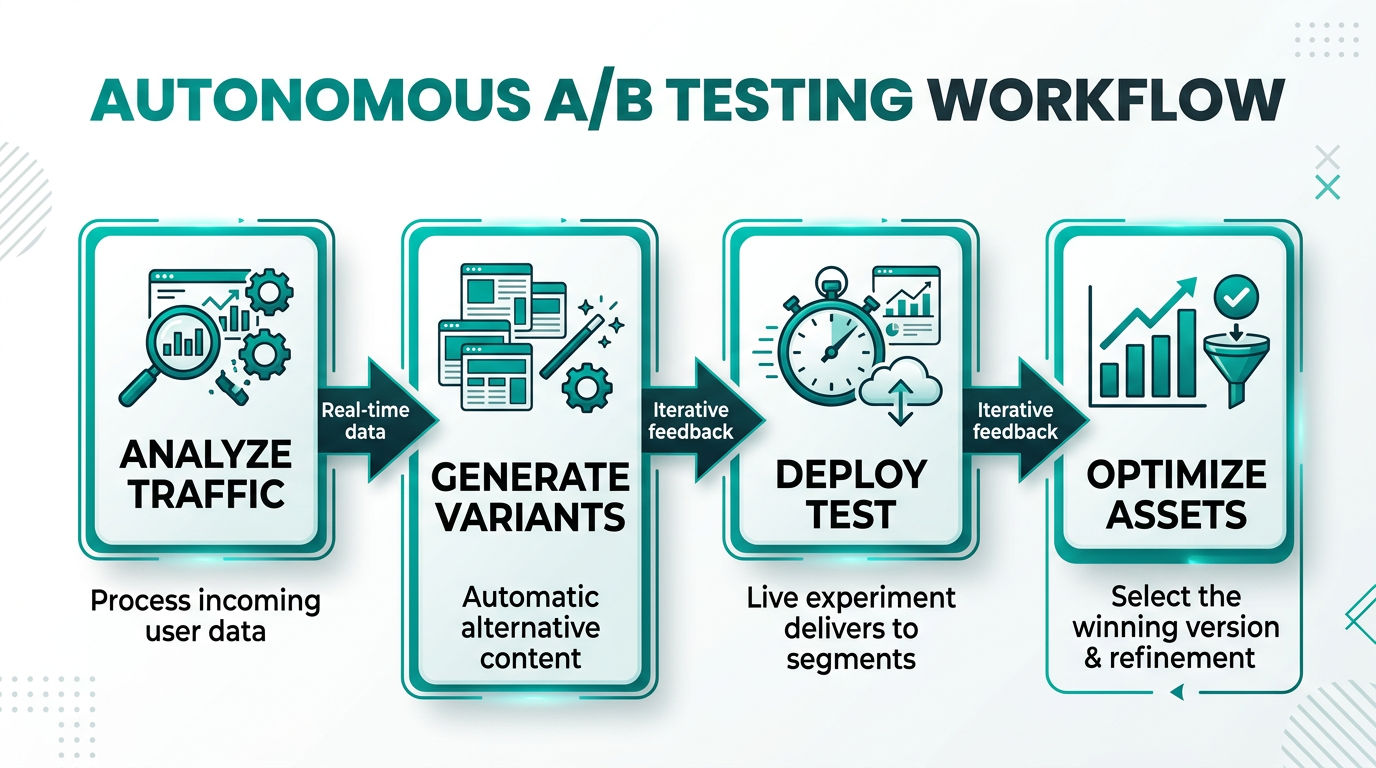
A true vibe coding tutorial 2026 isn't complete without discussing autonomous A/B testing. Claude Code can now write not only your React variants but also the GitHub Actions required to rotate them based on real-time data from PostHog.
The Autonomous Workflow:
- Variant Generation: Instruct Claude Code to create three hero section variants with different hooks.
- Data Integration: Use the Model Context Protocol (MCP) to link Claude to your analytics.
- Deployment: Claude writes a script that automatically promotes the winning variant to 100% traffic once statistical significance is reached.
This level of automation has led to an average 23% lift in conversion rates for early adopters of Claude Code + MCP integration. By removing the human bottleneck in the testing cycle, SaaS companies can iterate at the speed of their data.
The Economic Reality: Claude Max vs. Agency Retainers
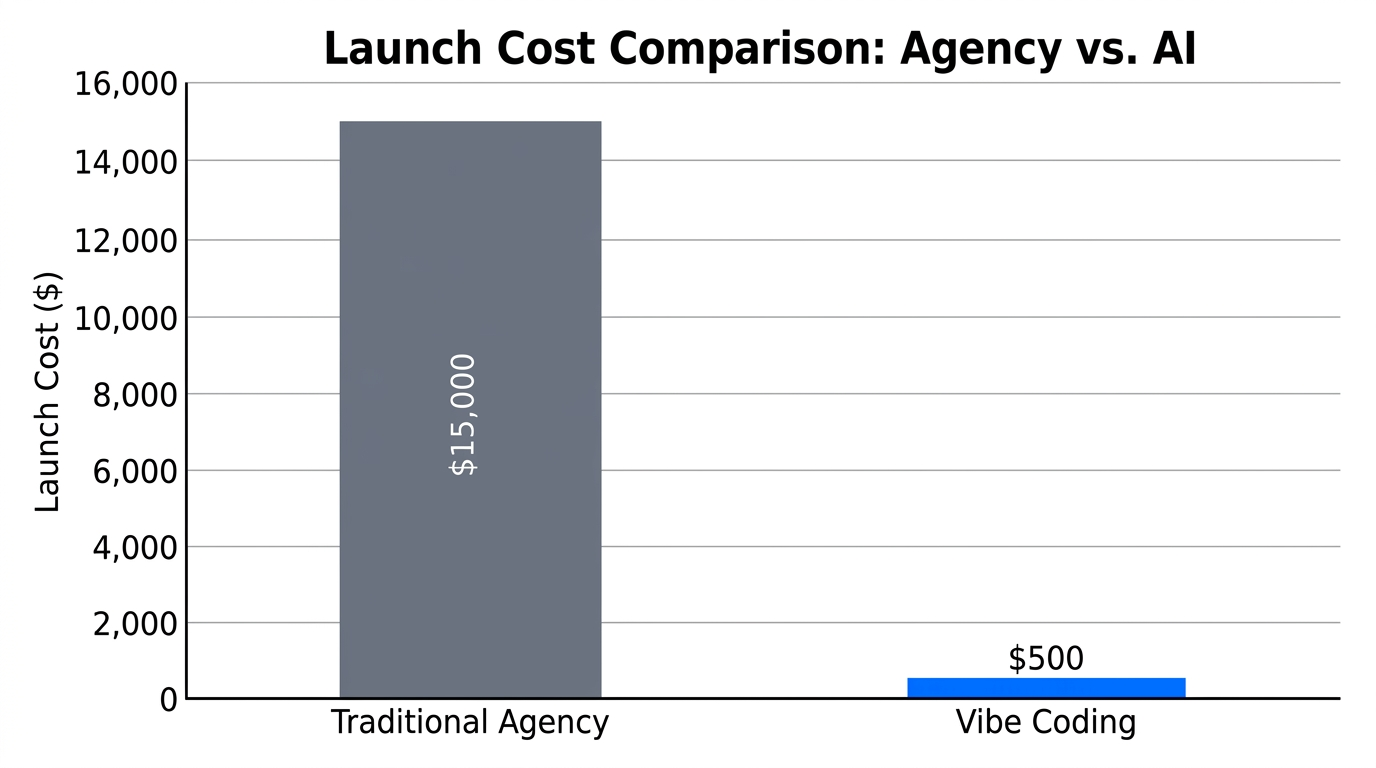
For entrepreneurs, the financial argument for vibe coding is undeniable. Traditional agency retainers for GTM execution can range from $5,000 to $20,000 per month. In contrast, the "Claude Max" tiers launched in 2026 offer varying levels of agentic power at a fraction of the cost.
| Plan | Cost (Monthly) | Best For |
|---|---|---|
| Claude Pro | $20 | Standard terminal access |
| Claude Max (5x) | $100 | Power users with daily coding needs |
| Claude Max (20x) | $200 | Full-time Vibe Coders |
| Traditional Agency | $5,000+ | Complex, high-touch legacy systems |
While API rates for Claude 4.6 can scale based on context window usage, the total cost of ownership (TCO) for an agentic marketing stack is roughly 90% lower than hiring a team. This allows startups to allocate their budget toward traffic generation through platforms like Stormy AI, where they can discover and outreach to creators who drive users to these high-performance assets.
The Future of GTM is Agentic
Vibe coding is more than a technical shortcut; it is a competitive advantage. In 2026, the winners are those who can turn a creative hunch into a functional asset before the day is over.