Tracking AI Share of Voice: A 2026 Guide to Semrush One and Ahrefs Brand Radar for Growth Teams
Master the AI Share of Voice metric in 2026. Our deep dive into Semrush One review 2026 and Ahrefs Brand Radar tutorial helps growth teams dominate AI SEO tracking.
By early 2026, the traditional search landscape has been fundamentally upended. We are no longer operating in an era defined by "ten blue links." Instead, we have entered the age of Answer Engines and Generative Experience Optimization (GEO), where visibility is mediated by large language models (LLMs) like GPT-4o, Gemini 3, and Claude 3.5. According to ZUMO SEO, nearly 70% of searches now result in "zero clicks" because AI agents satisfy user queries directly on the results page. For growth teams, this means traditional keyword rankings are no longer the North Star; the new primary KPI for 2026 is AI Share of Voice.
As the AI-based SEO tools market explodes toward a projected $22.39 billion valuation by 2026 (per Research and Markets), the battle for visibility has shifted to the training data and inference layers of AI models. It is no longer enough to rank on page one of Google; you must now ensure that when a user asks ChatGPT or Perplexity for a recommendation, your brand is the one being cited. This guide explores the two heavyweights of AI SEO tracking: Semrush One and Ahrefs Brand Radar.
The New KPI: Defining AI Share of Voice
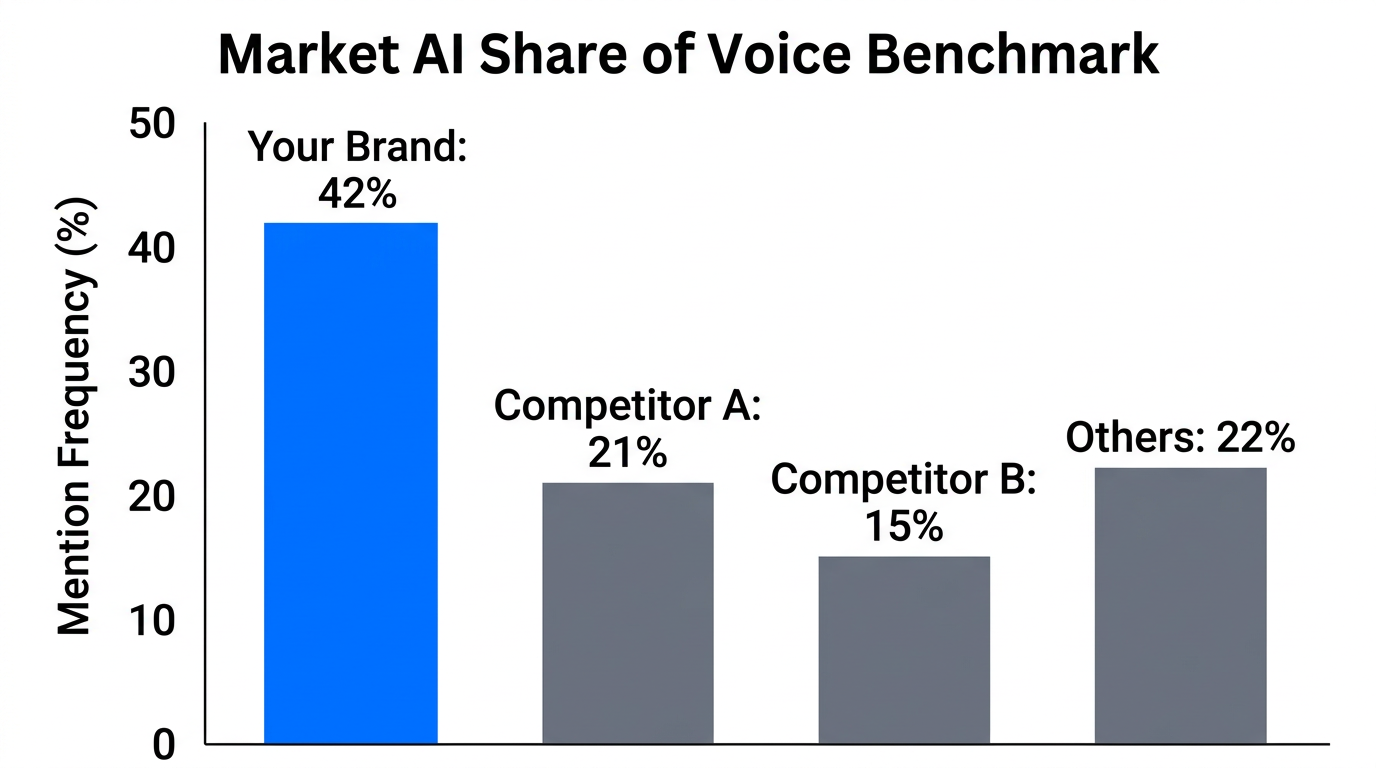
In 2026, AI Share of Voice (SoV) measures the frequency and sentiment with which an LLM mentions or cites your brand in response to relevant unbranded queries. Unlike traditional SEO, where you aim for a specific position, AI SoV is about probabilistic dominance. You want the AI to "think" of your brand as the most authoritative entity in your niche.
This shift is driven by massive adoption rates. DemandSage reports that 86.07% of SEO professionals have now integrated AI into their core strategy. With ChatGPT surpassing 800 million weekly active users and Perplexity reaching 780 million monthly queries, the volume of conversational search is too large for any growth team to ignore. However, simply "being mentioned" isn't enough; you must solve the "Citation Gap," where SEOmator data suggests only 1% to 1.9% of users actually click the link provided in an AI response.
"The average AI search visitor is worth 4.4x more because the AI has already 'vetted' the result for the user before they click." — Neil Patel
Semrush One Review 2026: Real-Time AI Visibility Monitoring
As of 2026, Semrush has rebranded its core enterprise offering to Semrush One, focusing heavily on its integration with the Model Context Protocol (MCP). This integration allows the platform to communicate directly with models like Claude, enabling real-time monitoring of how different LLMs "perceive" your brand's authority.
The standout feature of the Semrush One review 2026 cycle is the LLM Sentiment Analyzer. Instead of just tracking mentions, it uses agentic AI to simulate thousands of customer personas asking questions about your industry. It then reports back on which percentage of those conversations resulted in a recommendation for your brand versus a competitor. This provides a Competitor AI Visibility score that was previously impossible to calculate manually.
- MCP Integration: Connects your SEO data directly to your preferred AI workspace via the Model Context Protocol for automated content auditing.
- Zero-Click Attribution: Attempts to estimate the "implied brand lift" from AI mentions even when a click doesn't occur.
- Entity Health Score: Monitors how well Google’s Knowledge Graph and various LLMs associate your product with key high-authority niche categories.
While powerful, Semrush One comes with an enterprise price tag, starting at $199/mo. However, for teams managing complex entity mapping across multiple regions, Semrush remains the gold standard for AI search visibility.
Ahrefs Brand Radar Tutorial: Tracking Mentions Across 243M+ Prompts
Ahrefs has taken a different approach with Brand Radar, a high-precision add-on designed specifically to monitor 243M+ monthly prompts across ChatGPT, Perplexity, and Gemini. While Semrush focuses on the "ecosystem," Ahrefs remains the king of raw data and backlink precision.
How to Set Up Your First Radar
- Define Your Entities: Don't just track keywords; track your brand name, key executives, and flagship product names.
- Filter by Model: Select which LLMs you want to monitor. Ahrefs allows you to segment visibility between OpenAI, Anthropic, and Google’s Gemini 3 models.
- Set Mention Thresholds: Configure alerts to trigger when a competitor’s AI Share of Voice increases by more than 5% in a single week.
The Ahrefs Brand Radar tutorial wouldn't be complete without mentioning the Citation Gap Tracker. This tool specifically identifies prompts where your brand was mentioned but not cited with a link. This allows your team to adjust your Static HTML structure or Schema Markup to make it easier for LLM crawlers to attribute the source. Users on Reddit often praise Ahrefs for its accuracy, though the "add-on" pricing model—often totaling over $700/mo for a full suite—remains a point of contention for smaller agencies.
2026 AI SEO Tool Comparison
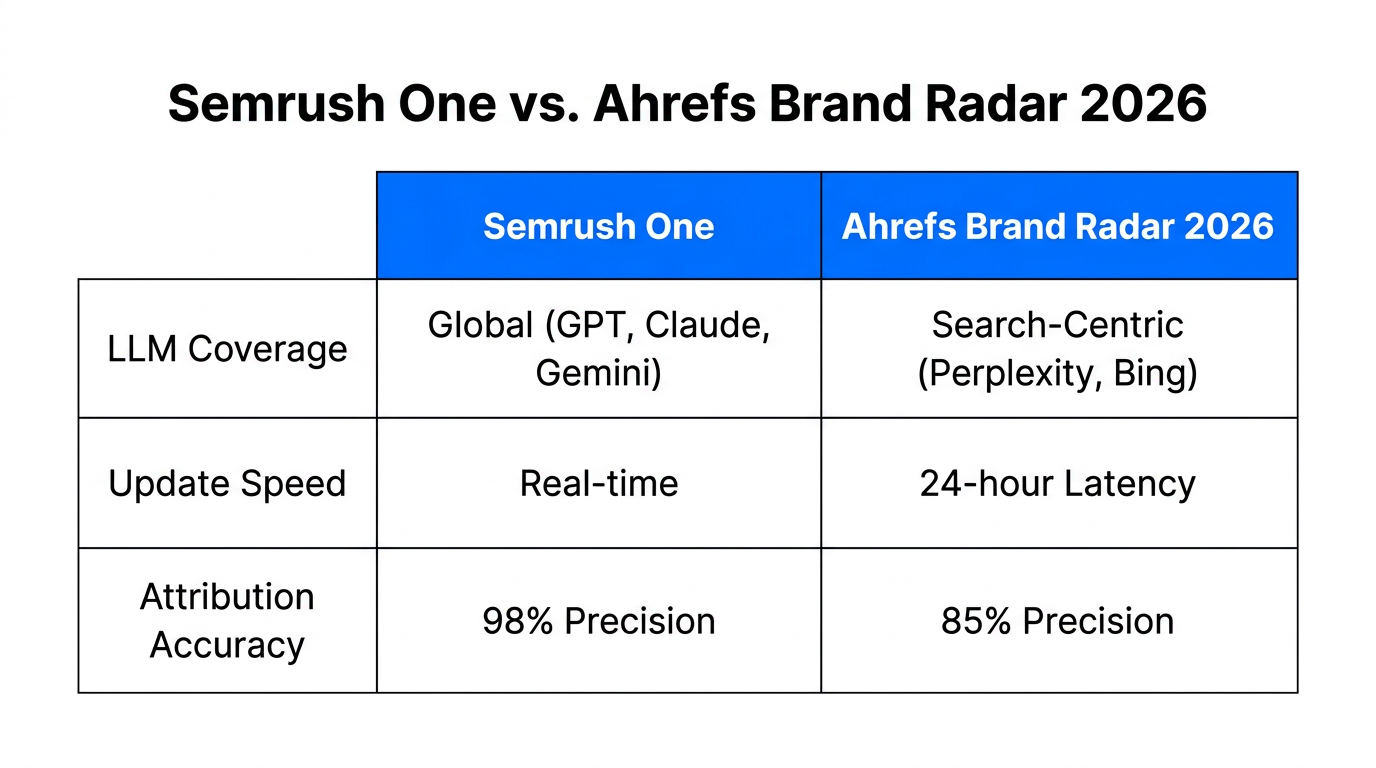
| Feature | Semrush One | Ahrefs Brand Radar |
|---|---|---|
| Primary Focus | Enterprise Ecosystem & MCP | Prompt-Level Mentions | LLM Coverage | Claude, GPT-4o, Gemini | GPT-4o, Gemini, Perplexity | Core Metric | Entity Health Score | AI Share of Voice (SoV) | Pricing (2026) | From $199/mo | From $129/mo + $199/mo add-on |
| Best For | Growth Teams & CMOs | Technical SEOs & Data Analysts |
"In 2026, visibility is no longer only achieved through Google rankings, but through optimization for AI systems. GEO and LLMO are the new pillars." — Aleyda Solis
Solving the 'Citation Gap': Strategies for 2026
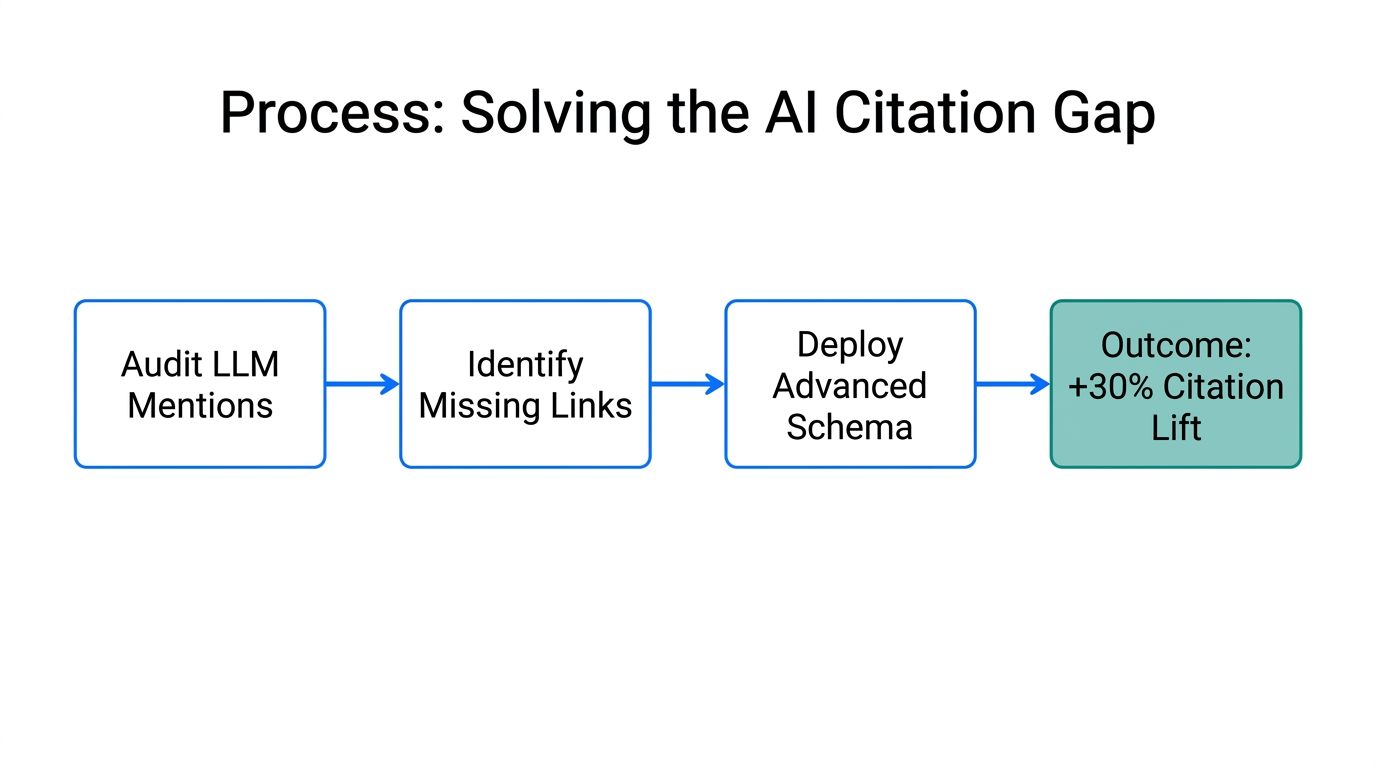
Even if you have the best AI SEO tracking tools, your efforts are wasted if the LLM doesn't link back to you. Data from ALM Corp shows that organic CTR for queries with AI Overviews has plummeted 61%. To fight back, you must bridge the "Citation Gap."
1. Use the 'llms.txt' Standard
Similar to robots.txt, brands are now adopting llms.txt files to provide a canonical, LLM-friendly version of their site. This helps crawlers from OpenAI and Anthropic find the most important facts about your brand without getting lost in JavaScript-heavy layouts. Platforms like GitBook have already integrated this as a default feature.
2. The Princeton GEO Framework
Research indicates that adding specific elements to your content can boost your citation rate by up to 40%. According to the 2026 GEO playbook:
- Include Concrete Statistics: AI prefers "39.4%" over "nearly 40%."
- Embed Direct Quotes: Use quotes from verified experts. To find these experts and manage their contributions, tools like Stormy AI can help you source and outreach to high-authority UGC creators and niche influencers who provide the E-E-A-T signals AI engines crave.
- Answer-First Formatting: The first 40–60 words under an H2 must be a standalone answer.
Entity Mapping: Ensuring AI Model Association
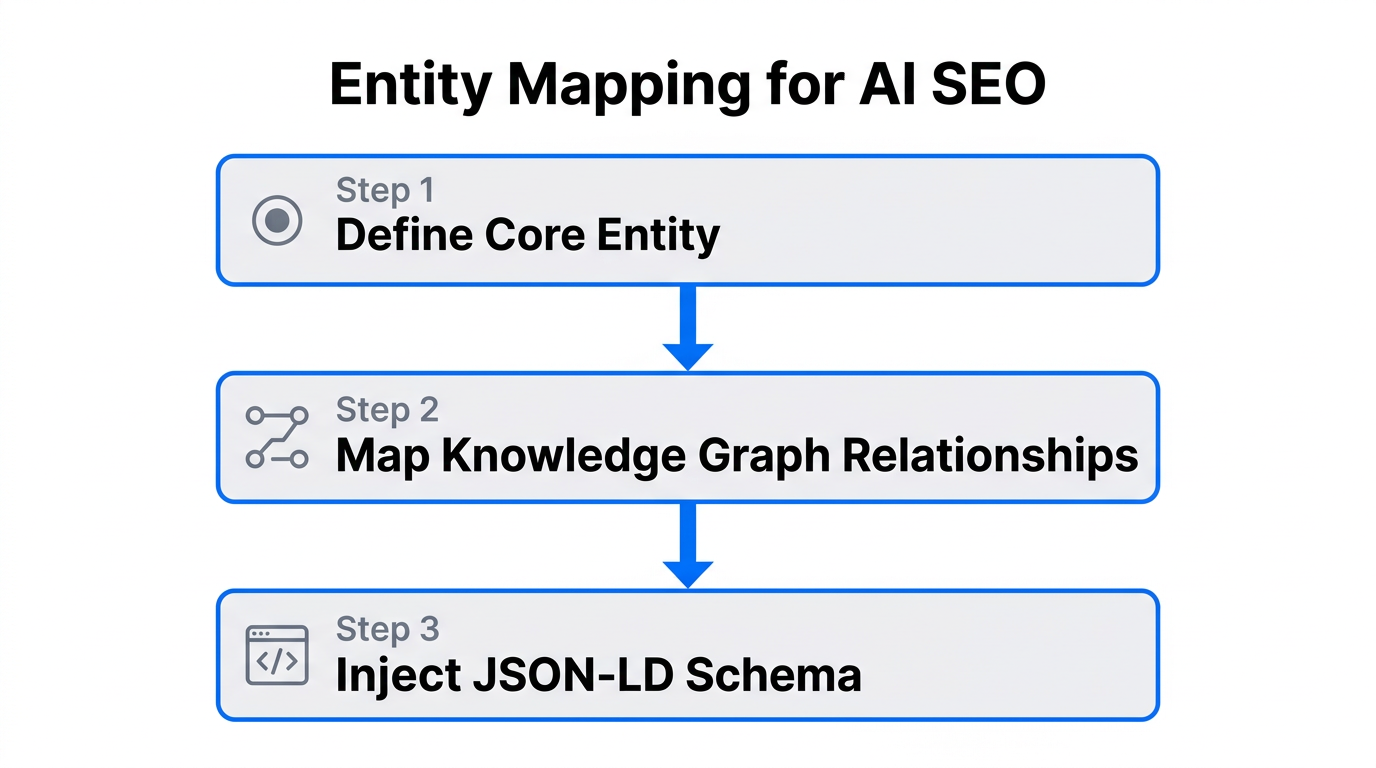
AI models do not just look at keywords; they map Entities. They want to know that "Brand X" is an authority on "Topic Y." In 2026, this is managed through Entity Mapping. If an LLM doesn't associate your brand with high-authority categories, you will remain "technically invisible," a crisis currently affecting 92% of brands according to Fuel Online.
To fix this, ensure your sameAs schema properties link your website to your Crunchbase, Wikipedia, and official social profiles. This helps the AI "bridge the gap" between your site and your established digital identity. Furthermore, ensuring your brand is mentioned by other high-authority entities—such as via influencer marketing campaigns managed through Stormy AI—creates the web of associations that LLMs use to determine who to cite in their answers.
"The impact on publishers has been catastrophic... tech outlets have lost 85%+ of their organic traffic, making AI Share of Voice the only survival metric left." — Futurism
Conclusion: The Future of Growth is Conversational
As we move through 2026, the brands that win won't be the ones with the most backlinks, but the ones with the highest AI Share of Voice. Whether you choose the enterprise ecosystem of Semrush One or the precision data of Ahrefs Brand Radar, the goal remains the same: become the definitive answer for your industry's most important questions.
Don't let your brand become "technically invisible." Start by auditing your current AI visibility, refreshing your content every 90 days, and using structured data to force accuracy in an age of LLM hallucinations. The ROI is there—referral traffic from AI platforms now converts at an average of 14.2%, far outpacing the legacy search engines of the past.