TikTok Shop Ads Strategy 2026: Mastering GMV Max and AI Creative
Master TikTok Shop ads in 2026. Learn to navigate mandatory GMV Max bidding, solve creative fatigue with AI, and use Stormy AI to automate your ad operations.
The year is 2026, and the ecommerce landscape has shifted permanently toward native, AI-driven social commerce. If you are still trying to run manual bidding strategies or waiting for your attribution software to sync with external web stores, you are already behind. TikTok Shop is projected to hit $112.2 billion in global GMV this year, fueled by a mandatory transition to automated ad systems and an insatiable hunger for high-frequency creative. For performance marketers, the game has changed: it is no longer about who can click the most buttons in Ads Manager, but who can feed the machine the best data and the most resilient content.
The Shift to Mandatory GMV Max: Letting the AI Lead
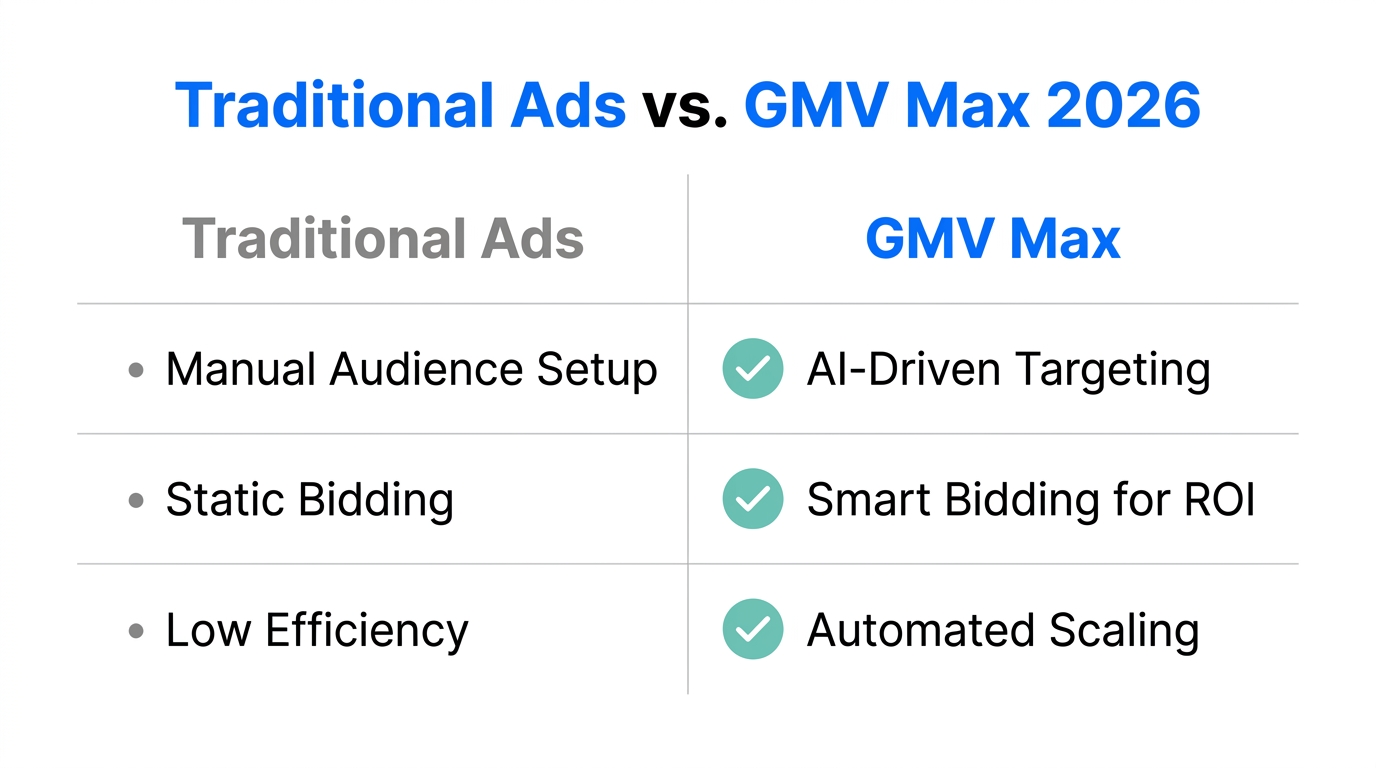
By mid-2025, TikTok sunsetted manual bidding for Shop ads, and in 2026, GMV Max is the only supported ad type for native destinations. This AI-automated bidding system removes the traditional levers performance marketers once loved—like manual bid caps and granular keyword targeting—and replaces them with a black-box optimization engine that prioritizes total Gross Merchandise Value (GMV).
The transition to GMV Max means your primary job is now strategic asset management. You must provide the engine with a diverse range of "signals"—different video styles, varying hooks, and optimized product descriptions. An autonomous ecommerce employee handles this by monitoring performance across all campaigns, flagging underperforming assets in real-time, and suggesting budget reallocations based on the latest TikTok Ads Manager data. Instead of spending hours in spreadsheets, you let automated reporting agents build the weekly performance reports and highlight which SKUs are driving the highest ROAS.
"Amazon shoppers know what they want. TikTok shoppers discover what they want. You must stop thinking like a retailer and start thinking like a storyteller." — Andrew Morgans, Marknology
Solving the 3-Day Creative Burnout Crisis with AI
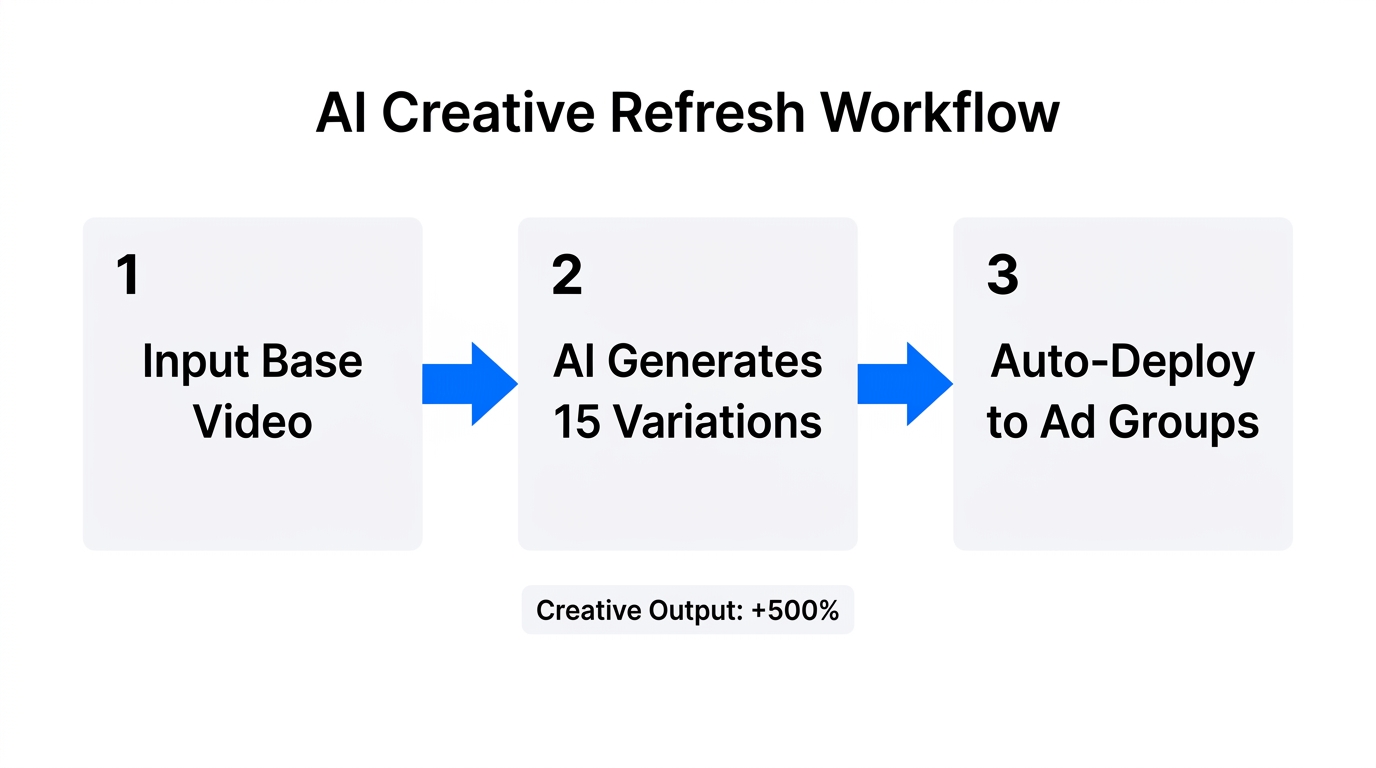
The biggest pain point for sellers in 2026 is "Creative Fatigue." High-performing videos typically lose their efficacy within 3 to 5 days as the algorithm quickly exhausts the initial target audience. To maintain a 3.5x to 4.2x ROAS benchmark—which is the current standard for high-growth Beauty and Personal Care brands—you need a volume of content that is impossible to produce manually.
This is where AI-native Fashion Video Makers and automated UGC come into play. Modern brands are no longer filming every video from scratch. Instead, they use a hybrid approach:
- AI Lifestyle Generation: Upload 5 product photos to a tool like CapCut and have it generate a 15-second high-fidelity lifestyle video.
- Mass Affiliate Outreach: Use the EchoTik platform to automate sample requests and creative briefs for thousands of micro-creators.
- Automated Follow-ups: AI-driven back-office tools can manage the communication with these creators, tracking who has posted and reminding those who are overdue, ensuring a constant stream of fresh UGC hits your ad accounts every week.
Search-First SEO: The Algorithm is Listening
TikTok has surpassed Google as the primary search engine for Gen Z and Alpha. In 2026, the algorithm doesn't just read your captions; it listens to your audio. To rank in the "Local" tab or the "Shop" search results, you must implement a verbal SEO strategy. This means your primary keywords must be spoken within the first 3 seconds of every video.
Effective TikTok Shop video SEO requires a "Longtail Strategy." Rather than targeting broad terms like "Skincare," successful brands target specific phrases like "sustainable skincare for sensitive skin in dry climates." When AI analysis identifies a trending search gap via FastMoss, it can automatically draft new scripts for your creative team or AI video generators that lean into those specific verbal keywords.
The "Halo Effect" Blueprint: Driving Lift on Amazon and Shopify
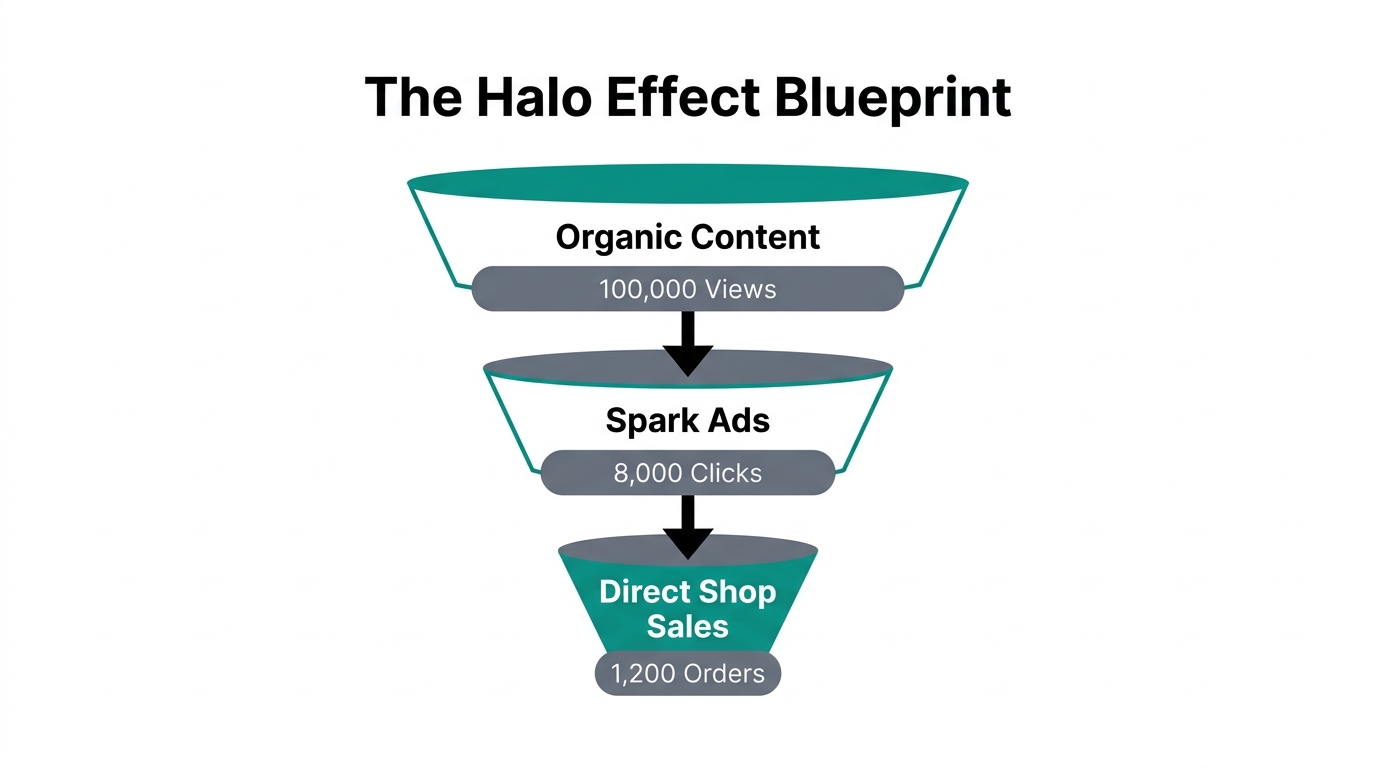
While TikTok Shop's native conversion rates are impressive—averaging 5% to 8%—the platform's greatest value often lies in the Halo Effect. Many brands use TikTok as a discovery engine that drives a 15% to 30% revenue lift on their Amazon and Shopify stores.
| Platform | Primary Intent | 2026 Ad Model | Conversion Rate |
|---|---|---|---|
| TikTok Shop | Discovery / Impulse | GMV Max (AI) | 5.0% - 8.0% |
| Amazon (FBA) | Search / Need | PPC (Manual/AI) | High (Trust) |
| Aesthetic / Lifestyle | Advantage+ | ~2.1% |
To capitalize on this, you must ensure your Stormy AI employee is connected to both your Amazon Seller Central and your Shopify account. When a TikTok video goes viral, Stormy can monitor the inventory levels across all platforms, flagging potential stockouts before they happen and automatically drafting restock POs for your suppliers.
Operating at Scale: The 2026 Performance Playbook
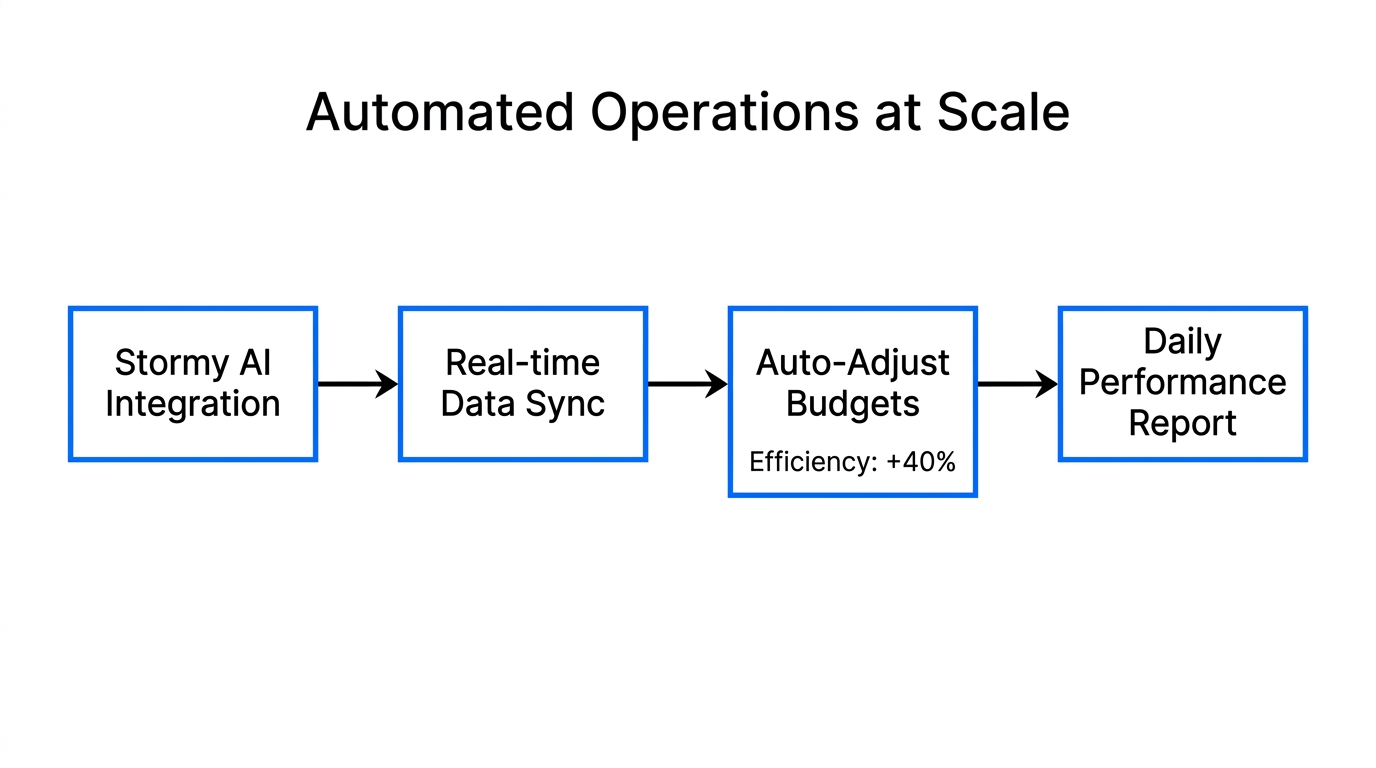
Running a high-volume TikTok Shop is a 24/7 operation that involves managing hundreds of creator relationships and constant ad performance fluctuations. Successful sellers are moving toward a "lean" model where AI agents handle the repetitive back-office tasks.
Step 1: Automated Inventory Sync
Use the TikTok Shop Integration (SPL) to sync your catalog. Avoid the "shipping trap" by using Fulfilled by TikTok (FBT) to protect your Seller Health Rating. In 2026, TikTok's AI-audit system pulls retroactive shipping surcharges from your funds if your dimensions are off. Automated agents can double-check these labels against your SKU database to ensure accuracy before shipping.
Step 2: The Affiliate Flywheel
Set an "Open Plan" commission of at least 15% to 20%. This is the primary currency for content in 2026. Rather than paying flat fees for posts, use the performance-based model to incentivize quality. Use Kalodata to identify which creators are driving the most ROI for your competitors and have your AI assistant reach out to them with personalized invitations.
"We now have 16,000+ creators generating over six figures in sales. The ecosystem has matured beyond viral trends into a career-grade sales engine." — Patrick Nommensen, TikTok Shop
Step 3: Real-Time Profit Monitoring
The 7.02% effective fee on TikTok (referral plus processing) can eat into margins if not tracked. Tools like Dashboardly are essential for SKU-level net profit tracking. Stormy AI pulls this data every morning, comparing your ad spend against actual net profit, ensuring you aren't scaling a campaign that is actually losing money due to high return rates or shipping adjustments.
Conclusion: Future-Proofing Your TikTok Shop
Mastering TikTok Shop GMV Max ads in 2026 requires a total embrace of automation. The sellers winning today are those who have offloaded the manual spreadsheet work and creator follow-ups to an AI teammate like Stormy AI, allowing them to focus entirely on high-level creative strategy and product innovation. The algorithm wants to spend your money; your job is to give it the right assets and the right constraints to spend it profitably.