In 2026, the traditional networking landscape has shifted from the mahogany-paneled boardrooms and smoky bars of the past toward the high-energy, glass-walled courts of the Padel world. We are witnessing the rise of the ‘Country Club 2.0’—a model where niche sports serve as the ultimate high-end networking engine. This isn’t just about fitness; it is a masterclass in status-driven marketing and experiential customer acquisition. By leveraging a unique blend of physical activity, social hierarchy, and technological gamification, platforms like Playtomic are solving the modern adult ‘friendship gap’ while creating a lucrative ecosystem for high-net-worth individuals.
Country Club 2.0: The New Social Currency
 79:18
79:18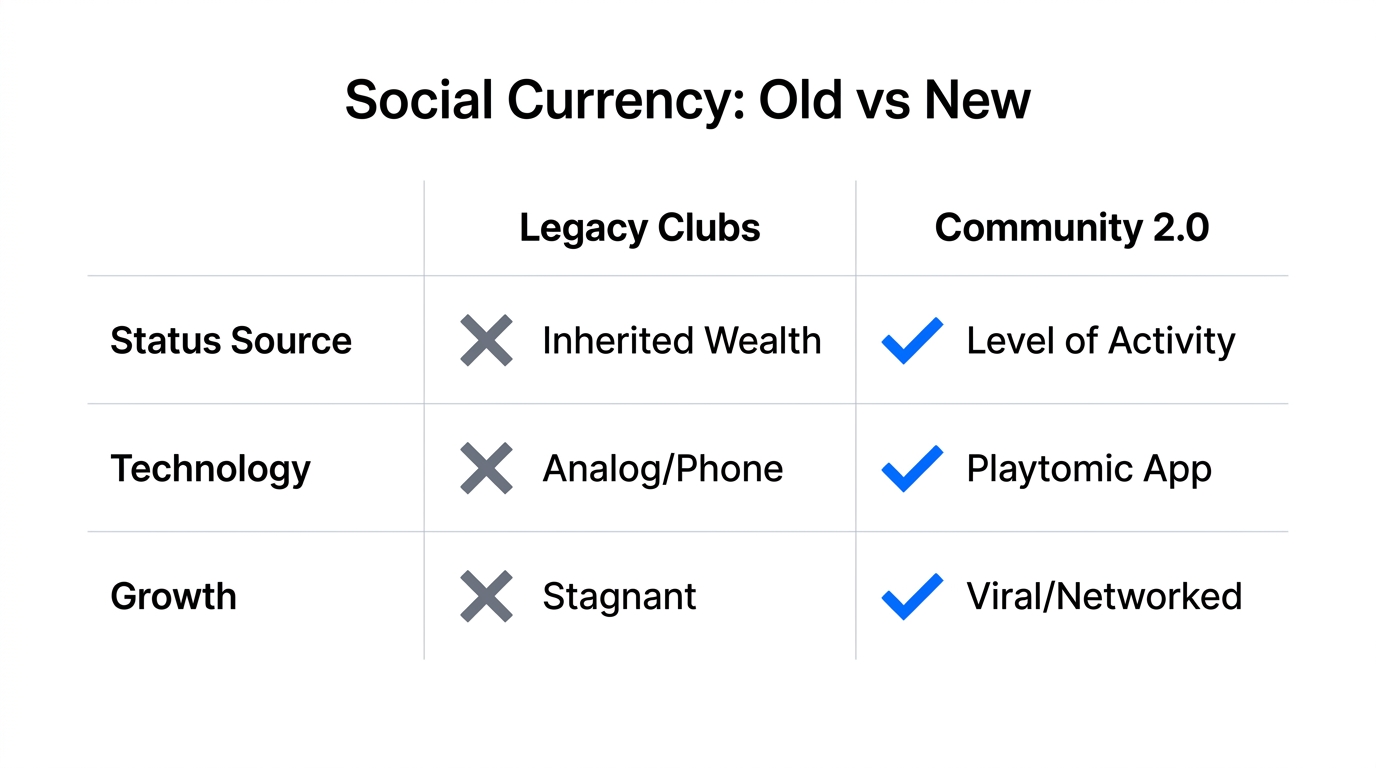
The concept of exclusivity has always been a potent marketing tool, but in 2026, it has been rebranded for a generation that values ‘proactive wellness’ over sedentary luxury. The old guard of country clubs often felt exclusionary based on heritage; the new model, exemplified by Padel clubs in New York and London, feels exclusionary based on lifestyle and competitive output. It is a ‘scene’ where aesthetics meet athleticism, often described as having the same high-end ‘vibe’ as a SoulCycle or Barry’s Bootcamp session, but with the added layer of direct competition.
According to recent industry insights, Padel has become the go-to sport for founders and executives who have ‘unmet competitive needs.’ These individuals are often high achievers in their professional lives but lack a physical outlet that provides the same level of granular feedback and ranking. This shift is part of a broader trend toward proactive health and wellness, where status is no longer about how much you can spend on a bottle of wine, but how much you invest in your biological and social longevity.
"Pickleball is a game; Padel is a sport. One is about participation; the other is about an obsession with elite performance and social ranking."
The Playtomic Effect: Gamifying Human Interaction
84:17At the heart of this movement is Playtomic, a platform that has successfully white-labeled the social experience of sport. Playtomic isn’t just a booking app; it is a niche social network strategy that uses an Elo-based rating system to drive user retention. Much like the ranking systems in competitive video games, every match played on a Padel court is logged, and every win or loss adjusts your global ranking.
| Feature | Traditional Sports Apps | Playtomic (2026 Model) |
|---|---|---|
| Primary Goal | Booking a court | Boosting social status/rank |
| Social Layer | None (manual invites) | Integrated matchmaking & feeds |
| Retention Hook | Exercise necessity | Elo rating obsession |
| Monetization | Transaction fees | Premium tiered access & data |
This gamification creates a ‘game within a game.’ Players in their 30s and 40s find themselves obsessively checking their ratings, leading to a high-frequency usage pattern that traditional gyms struggle to replicate. When a user sees their rating drop after a narrow loss, the psychological urge to ‘win it back’ drives them to book another court immediately. This is community-led growth in its most literal form: the community provides the competition, the platform provides the scoreboard, and the business reaps the rewards of consistent, high-ticket engagement.
Solving the ‘Friendship Gap’
For many adults, especially men, making friends after the age of 30 is notoriously difficult. Padel clubs act as a third place—an environment outside of home and work where social barriers are lowered. Because the sport is inherently social (usually played 2v2), it forces interaction. By using Stormy AI to identify and outreach to local lifestyle influencers and community leaders, club owners can seed these courts with the ‘right’ people, ensuring that every match feels like a networking opportunity.
Market Arbitrage: The Infrastructure Opportunity
85:26The most compelling aspect of the Padel boom in 2026 is the market arbitrage opportunity between Europe and the United States. In Spain, there are approximately 20,000 courts; in the entire US, there are currently only about 2,000. This 1:10 ratio represents a massive ‘under-supplied’ sport infrastructure gap. For entrepreneurs, this is a clear signal: the demand has been proven globally, but the physical supply in the US is still in its infancy.
"We are looking at a unique window where you can go into a tier-2 US city, spin up a facility, and immediately capture the top 1% of the local demographic."
In high-density markets like New York, courts are regularly booked out for $300 per hour. While those prices are an outlier, they demonstrate the high-net-worth customer acquisition potential. Even in more affordable markets, the economics of Padel are superior to tennis because you can fit more courts (and thus more paying players) into the same square footage. Founders are now looking at specialized financial tools like Carry.com to manage the tax-efficient growth of these physical-asset businesses, leveraging the same strategies used by professional sports owners.
Step-by-Step Playbook: Launching Community Businesses in Tier-2 Cities
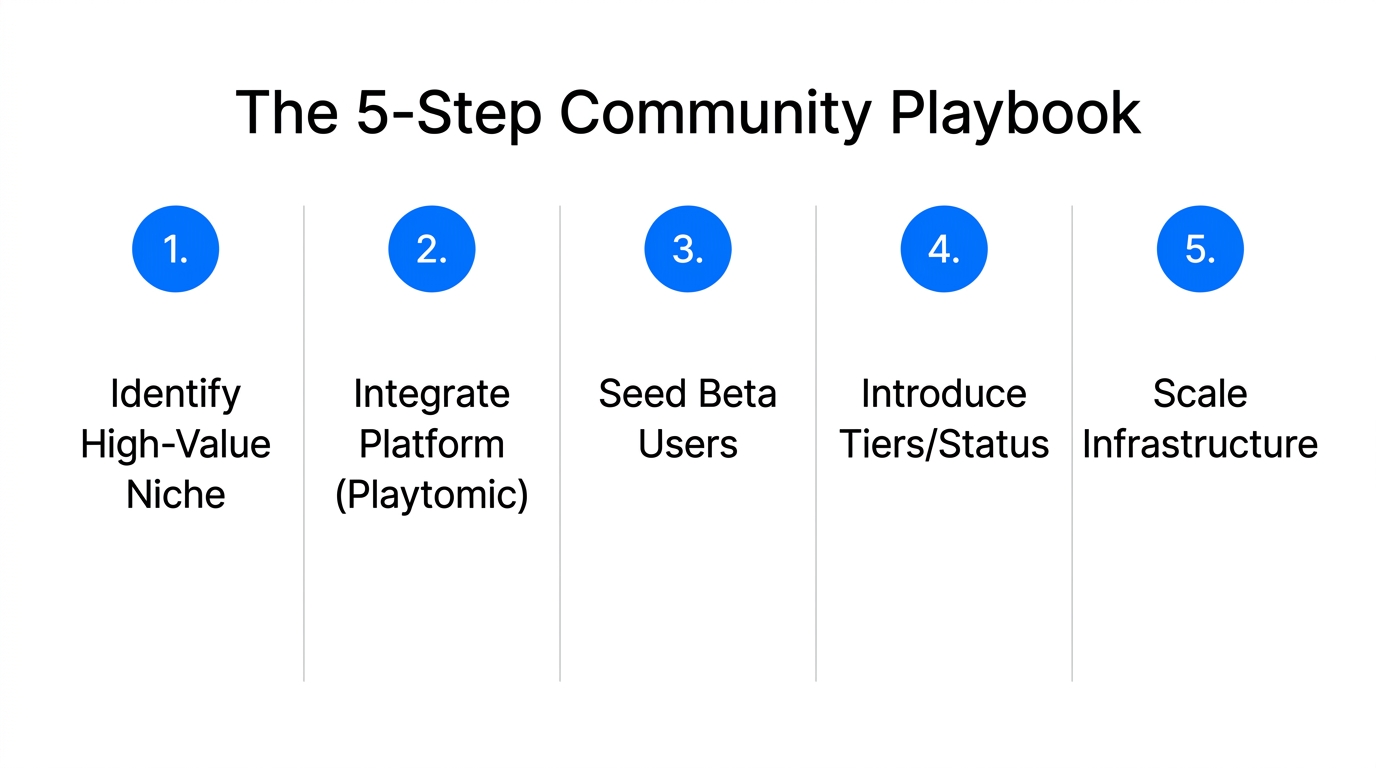
If you are looking to capitalize on this experiential marketing trend, the following playbook outlines how to spin up a community-based business in an underserved market:
- Identify the Arbitrage: Look for cities with a high concentration of Carry.com users or high-income earners but zero dedicated Padel or luxury social-fitness clubs.
- Secure the 'Anchor' Community: Before breaking ground, use Stormy AI to find the top 50 local influencers, athletes, and business leaders. Use the Stormy AI email agent to offer them ‘Founding Member’ status. This ensures your club has a high-status ‘vibe’ from Day 1.
- Deploy the Tech Stack: Use Playtomic for court management and Elo-tracking. Use a robust Creator CRM like Stormy AI to manage long-term corporate sponsorships, brand partnerships, and membership tiers.
- Focus on Aesthetics: Design the facility with ‘Instagrammability’ in mind. In 2026, if a sport isn’t being filmed for social media using apps like CapCut, it isn't growing. High-contrast colors and branded glass walls are essential.
- Layer the Upsells: Much like Function Health uses a low-cost entry point to upsell thousands in lab tests, use court time as the entry point to upsell high-margin coaching, apparel, and corporate events processed through Stripe.
The Future of Sport-as-a-Service
The success of Padel and Playtomic proves that in 2026, community-led growth is the only sustainable moat. Physical assets that provide a digital social ladder are the most resilient businesses in an increasingly AI-driven world. People are starving for real-world connection, but they want that connection to be curated, competitive, and high-status.
"The billionaires of tomorrow are the ones who can successfully bridge the gap between digital social networks and physical community infrastructure."
Whether it is investing in a cricket team like the Chennai Super Kings or building a boutique Padel court in a Midwestern city, the strategy remains the same: identify the unmet social need, gamify the experience, and use technology to scale the community. By combining modern AI tools for discovery with the timeless human desire for status, founders can build communities that aren't just businesses, but cultural hubs.
Conclusion: Building Your Own Moat
As we navigate the marketing landscape of 2026, the lesson from Padel is clear: exclusivity is the ultimate retention tool. By focusing on niche social network strategies and high-net-worth customer acquisition, you can build a brand that people don't just use, but identify with. To get started on building your own community-led growth engine, use Stormy AI to find the creators and leaders who will become the foundation of your next venture.