Scaling Hyper-Personalized Outbound: A Zapier and Claude Code Playbook for 2026
Learn how to use Claude Code sales automation and automated lead enrichment Claude to build agentic outbound workflows that boost reply rates by 27% in 2026.
By 2026, the era of "spray and pray" outbound is officially dead. As the global marketing automation market surges toward a projected $13.71 billion valuation, the gap between generic templates and hyper-personalized outbound at scale has become a chasm. Today’s high-growth teams aren't just using simple automation; they are deploying "agentic" workflows where AI doesn't just follow steps—it makes decisions. According to the 2026 State of Marketing AI Report, 74% of mid-market firms now leverage these advanced engines to handle multi-step tasks without human intervention.
"Agentic workflows, where AI cycles through 'thought, action, and observation,' are the biggest shift in productivity since the cloud." — Andrew Ng, DeepLearning.AI
This guide provides a tactical playbook for building a "Powerhouse Stack" using Zapier as your orchestrator and Claude Code as your cognitive engine. By the end of this article, you will know how to replace manual data cleaning with autonomous scripts and implement an AI lead scoring 2026 model that identifies high-intent prospects before your competitors even see them.
Replacing Manual Data Prep with Claude Code: The Death of the CSV
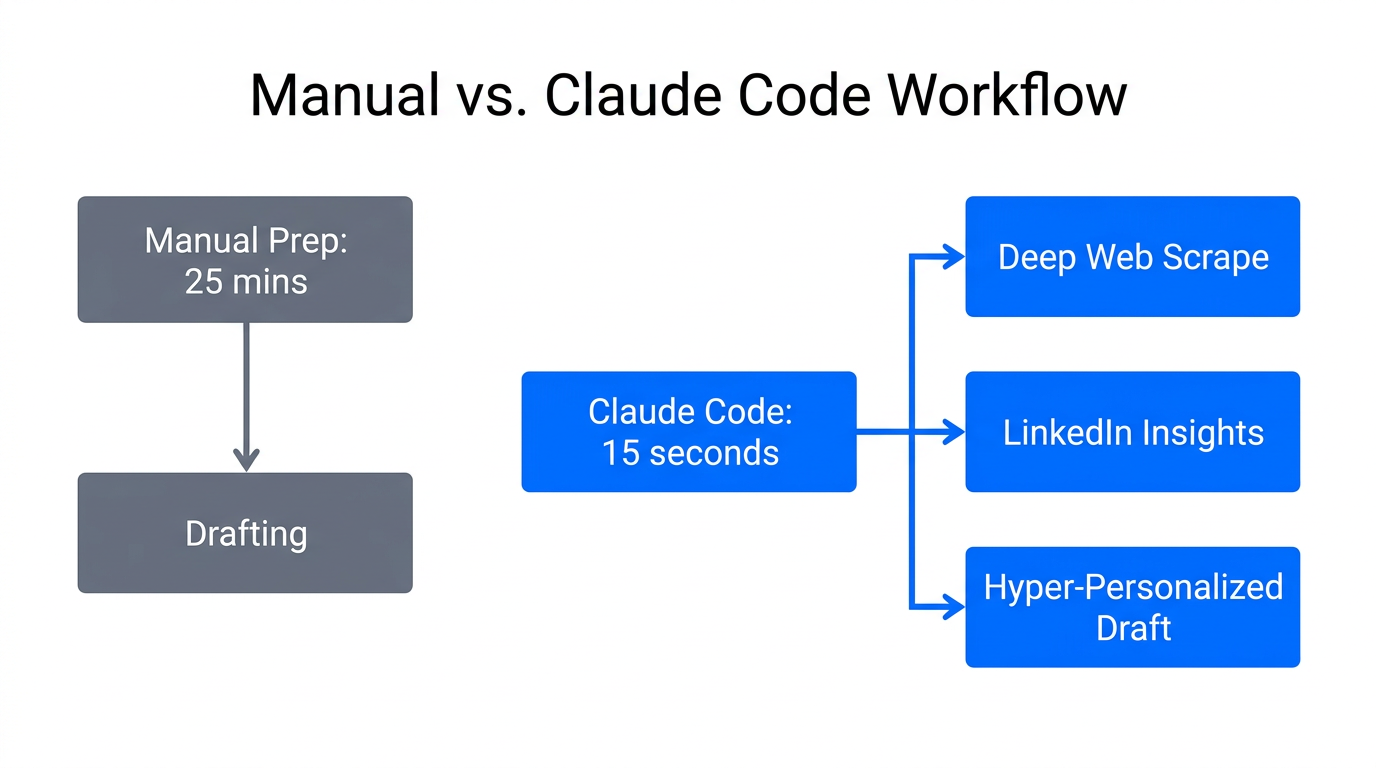
For years, the biggest bottleneck in sales was "manual data prep"—the grueling hours spent cleaning lead lists, fixing capitalization, and formatting unstructured data. In 2026, Claude Code sales automation has eliminated this friction. Organizations report a staggering 92% reduction in manual data prep thanks to agentic scripts.
The workflow is simple: instead of building a 50-step sequence for every data edge case, you use a single "Code by Zapier" step. By leveraging the Claude Code CLI (which reached general availability in late 2025), marketers can now generate complex Python scripts that use the requests library to pull from any API or clean messy data in real-time. This allows Zapier to process "unstructured" leads—like a raw transcript from an Intercom chat or a messy LinkedIn export—and turn them into clean, actionable records.
The 'Buying Intent' Scoring Model: How to Use Claude 3.5 Sonnet
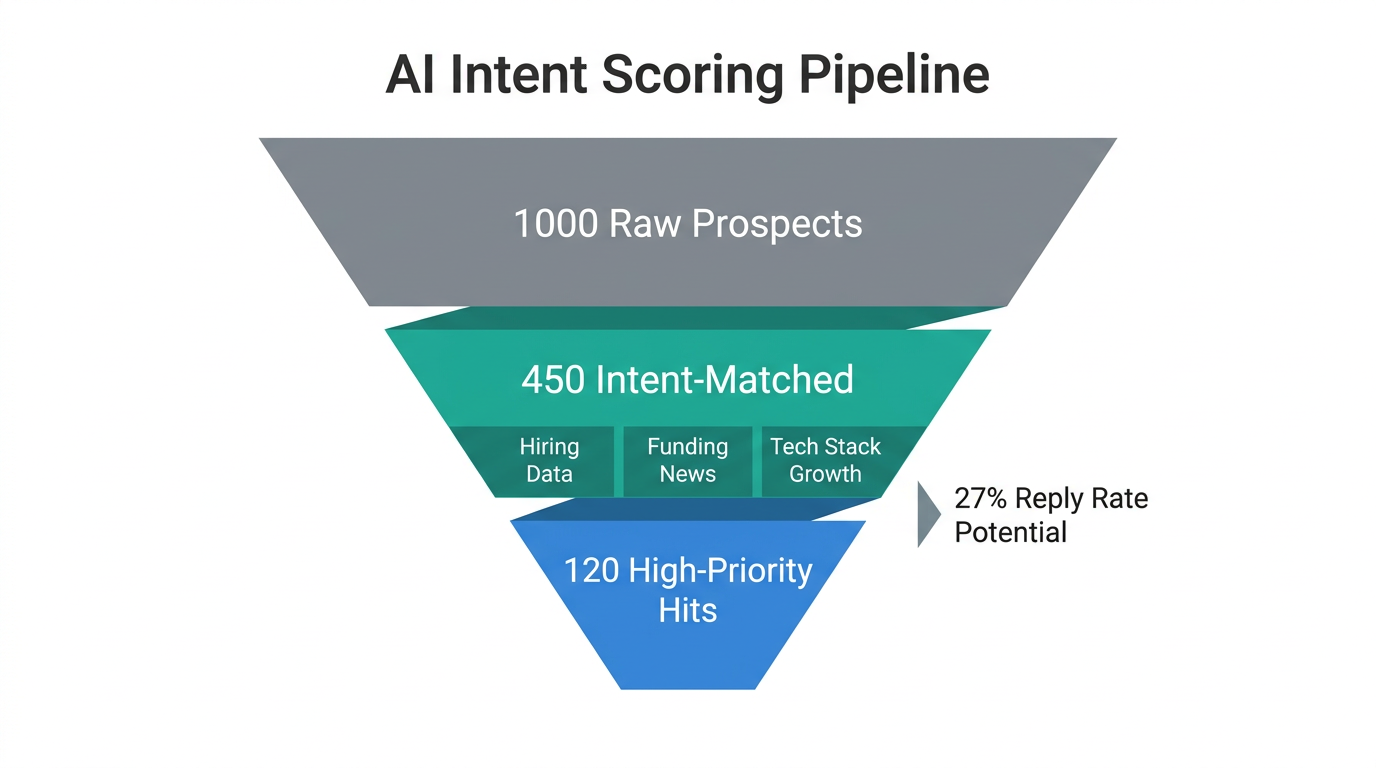
Not all leads are created equal. To achieve hyper-personalized outbound at scale, your system must differentiate between a "looker" and a "buyer." By feeding unstructured lead data from HubSpot or Intercom into Claude 3.5 Sonnet, you can create a real-time scoring engine.
The 2026 "Buying Intent" model works by asking Claude to analyze signals such as:
- Content of recent LinkedIn posts: Is the prospect complaining about a specific pain point your tool solves?
- Job change data: Did they just start a new role as a Head of Growth?
- Financial reports: Did their company just announce a Series B or a budget expansion on Crunchbase?
Claude then assigns a score from 1-10. Only leads with a score of 8 or higher are pushed to a hyper-personalized sequence, while lower scores are funneled into long-term nurturing. This targeted approach has been shown to increase reply rates by up to 27% compared to traditional automation, according to Salesloft AI Trends.
Comparing the 2026 Automation Stacks
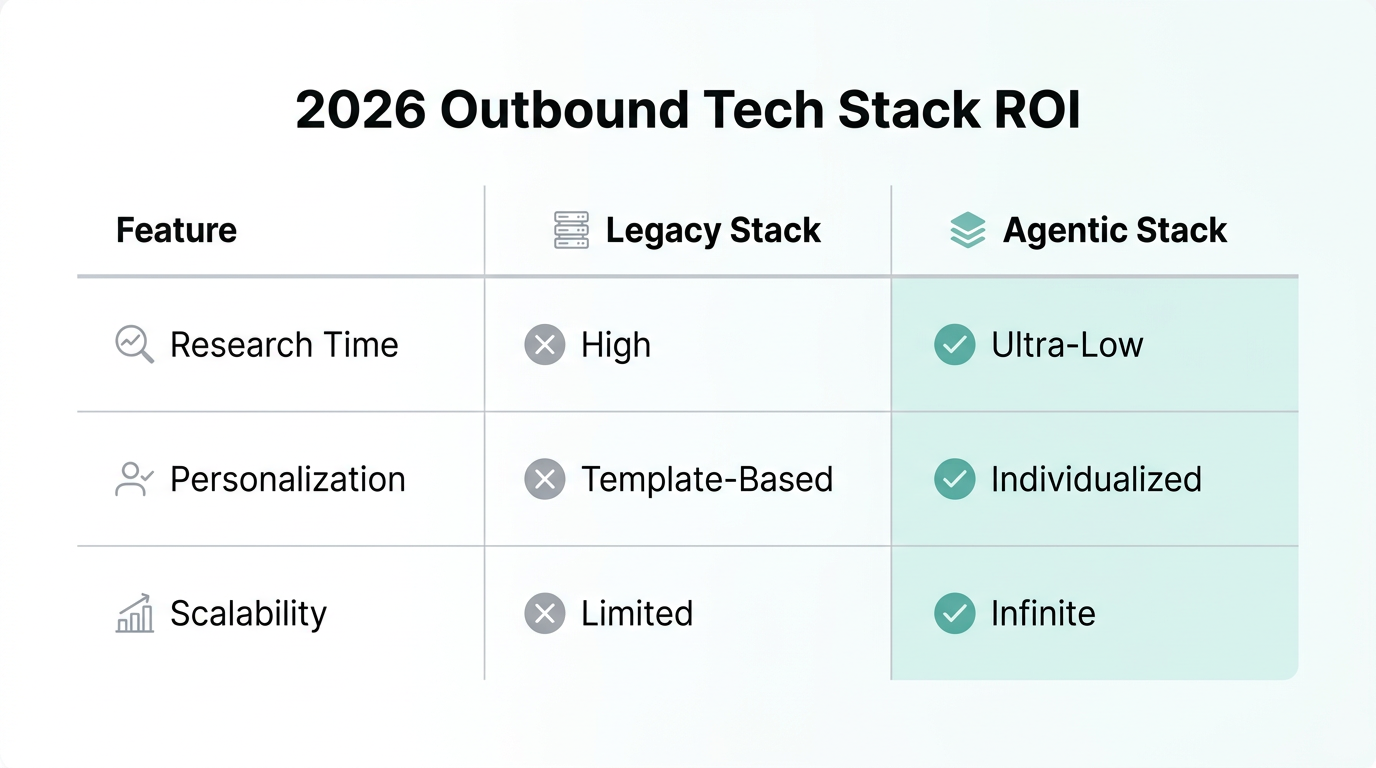
Choosing the right orchestration layer is critical. While Make.com is often cited as a leader for high-volume logic, the Zapier + Claude stack remains the "Goldilocks" solution for speed and reasoning power.
| Feature | Zapier + Claude Code | HubSpot Content Hub | Custom Python Scripts |
|---|---|---|---|
| Flexibility | Extreme (Connects 7,000+ apps) | Limited to ecosystem | Infinite (but slow) |
| Reasoning Power | High (Claude 3.5 Chain of Thought) | Moderate | Varies by model |
| Setup Time | 1–2 hours | 15 minutes | Weeks |
| Cost per 1k Leads | ~$15 (API + Sub) | Platform-dependent | Lowest (API only) |
Integrating Clay and Apollo.io for Real-Time Lead Enrichment
Static data is the enemy of personalization. To fuel your automated lead enrichment Claude workflows, you need a constant stream of fresh data. This is where Clay and Apollo.io come into play.
In a modern 2026 stack, Clay acts as the data aggregator. It pulls from 50+ sources simultaneously—news mentions, tech stacks, and job listings—and feeds that "raw intelligence" into Zapier. Claude then takes this rich context to write an email that feels like it was written by a human who spent three hours researching the prospect. For brands moving into influencer marketing or UGC, integrating a tool like Stormy AI at this stage allows you to discover and vet creators with the same level of automated precision, ensuring your creator outreach is as data-driven as your B2B sales.
"The future of automation isn't you building the workflow; it's you describing the outcome and the AI building it for you." — Wade Foster, CEO of Zapier
Case Study: How a Fintech Startup Added $1.2M in Pipeline
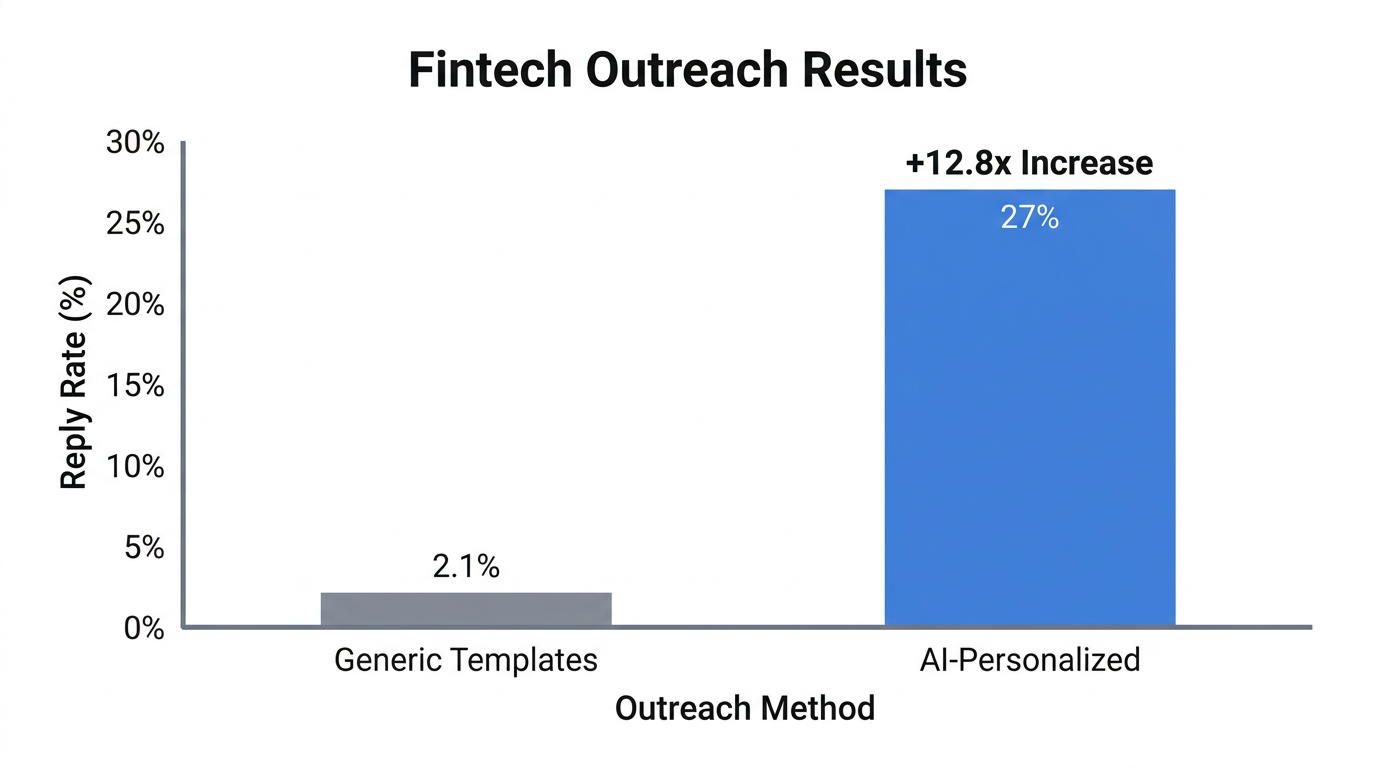
A Series B Fintech startup recently implemented this exact stack to handle their inbound lead flow from Intercom. Their existing process was manual: a BDR would read the chat, look up the person on LinkedIn, and then send a manual email.
The Agentic Solution
- Trigger: New lead captured in Intercom.
- Enrichment: Zapier triggers a Clay search for the company’s recent funding and the lead’s career history.
- Scoring: Claude 3.5 Sonnet analyzes the data and assigns an "Intent Score."
- Action: For scores > 8, Claude Code drafts a personalized email in the CEO’s voice, referencing a specific piece of news found during enrichment.
The Result: A 41% increase in discovery call bookings and $1.2 million in additional pipeline generated in just six months. By automating the "cognitive" part of the sales process, they scaled their output without hiring a single new BDR.
Managing API Rate Limits and Token Costs
When you scale to 10,000+ leads, you will inevitably hit the "throttles" of the 2026 AI economy. Claude 3.5 Sonnet (Tier 4) currently allows for 400,000 Tokens Per Minute (TPM). A deep research zap can burn through this in seconds during a high-intensity push.
To keep your "Powerhouse" running smoothly, follow these tactical rules:
- Use the "Delay" Tool: Stagger your Zaps by 1-2 minutes to stay under TPM limits.
- Monitor Your Tokens: API fees are roughly $3 per 1M input tokens. While AI content costs remain manageable, high-volume research can add up.
- The Hallucination Trap: Avoid letting Claude invent product features. Always use "Human-in-the-loop" steps where Zapier sends a draft to Slack for a quick thumbs-up before sending.
Conclusion: The Future is Orchestrated
In 2026, growth is no longer about who has the biggest sales team; it’s about who has the best AI lead scoring 2026 strategy and the most efficient orchestration. By combining the data-gathering power of Clay and Apollo with the reasoning of Claude and the glue of Zapier, you can build a sales machine that works while you sleep.
If your growth strategy involves leveraging creators or social media analytics, platforms like Stormy AI can seamlessly plug into this stack, automating your influencer discovery and outreach with the same agentic precision. The tools are here—it’s time to stop manually prepping data and start orchestrating outcomes.