The search landscape of 2026 looks fundamentally different than the golden era of affiliate blogging. For years, the formula was simple: write high-quality informational content, rank on the first page, and collect ad revenue or commissions. But the full-scale rollout of Google AI Overviews has triggered an extinction event for traditional content sites. When Google scrapes your recipe or your "how-to" guide and presents the entire solution directly on the search results page, the user has no reason to click. This is the era of the zero-click search, and for many creators, it has meant a 50% to 80% drop in traffic overnight.
However, while information-based sites are struggling, a new breed of entrepreneurs is thriving. By shifting from "information" to "utility" and building "insurance policies" through cross-platform distribution, founders like Jackie Chow have managed to build portfolios doing over $250,000 per month despite the algorithm shifts. The Local Rank business model represents a strategic pivot that every SEO agency and content creator must consider this year to survive the AI-first web.
The Death of the Informational Click: Why AI Overviews Changed Everything
 3:38
3:38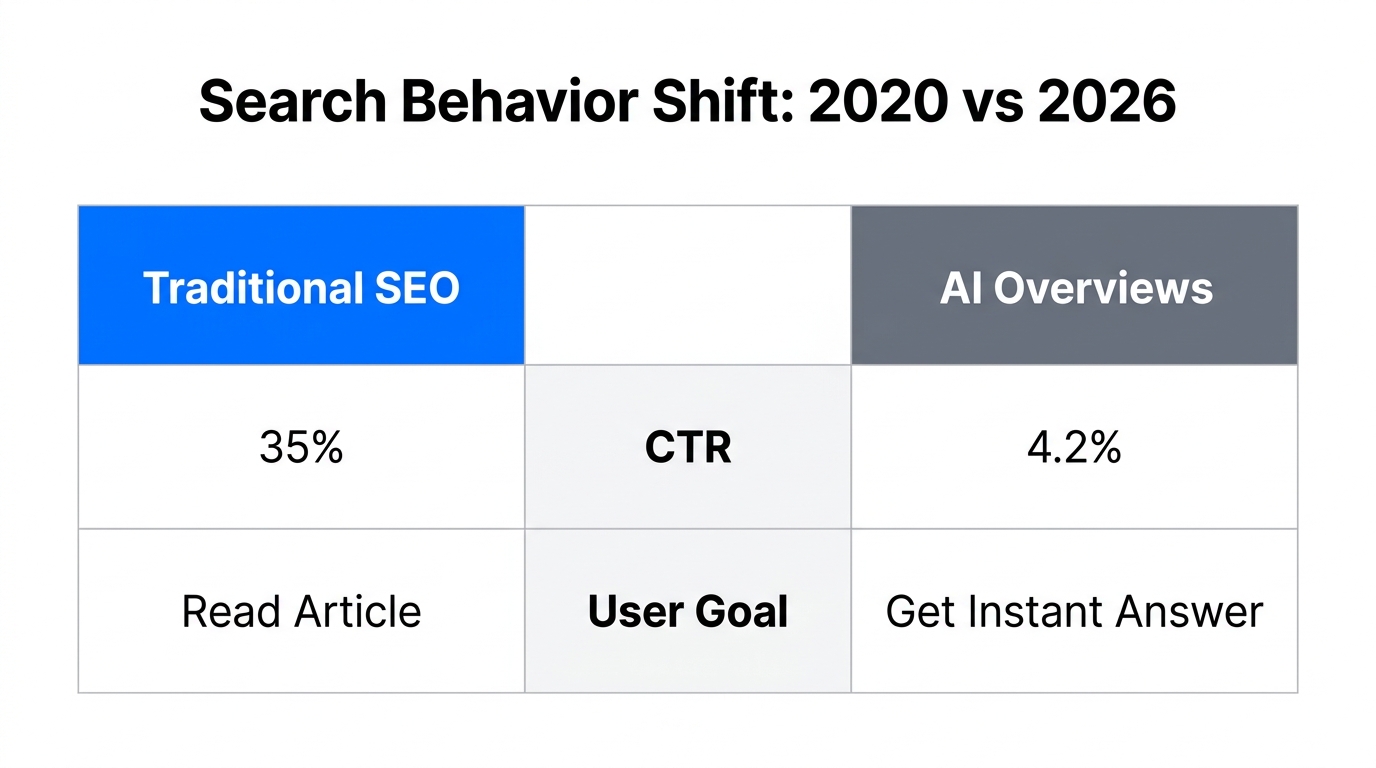
In the past, Google was a librarian—it pointed you to the book. Today, Google is the oracle—it reads the book for you and summarizes the answer. For niches like food, travel, and basic tutorials, the impact has been brutal. Jackie Chow, who manages a diverse portfolio of internet businesses including Indexy, noted that his foodie blogs were essentially "obliterated" because users could get the ingredients and steps without ever visiting his site. You are no longer just competing with other bloggers; you are competing with Google itself.
"Google simply scrapes your data and then presents it as the result. You were essentially competing with Google at that point."
This shift necessitates a Google AI Overviews SEO strategy that prioritizes high-intent, utility-based queries that AI cannot easily satisfy. If your content can be summarized in 100 words by an LLM, your business model is at risk. The recovery requires moving up the value chain—from providing answers to providing solutions, tools, and personalized services.
The Local Rank Pivot: Shifting to Utility Over Information
5:14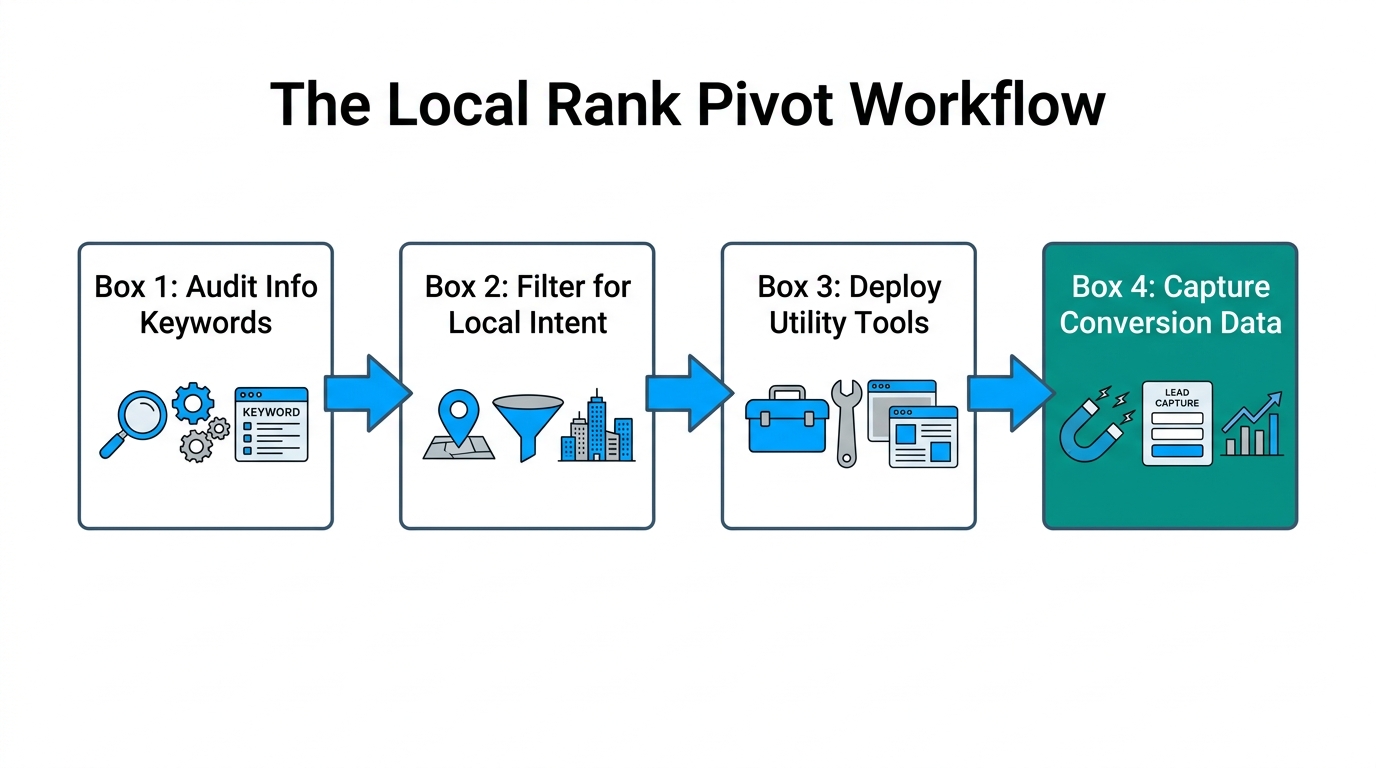
When Jackie's content sites began to fail, he didn't double down on more articles. Instead, he took his deep knowledge of local SEO and built Local Rank, a utility-based tool that solves a specific problem for a specific audience. This is the SEO agency pivot 2026 requires: turning your expertise into a productized service or a B2B SaaS. Unlike a recipe, a software tool cannot be "summarized" by an AI overview. The user must engage with the platform to get the value.
| Feature | Traditional Content Site | Utility/SaaS Model (Local Rank) |
|---|---|---|
| Primary Value | Information/Facts | Workflow/Optimization |
| AI Overview Risk | Very High (Scrapable) | Low (Requires Login/Data) |
| Monetization | Display Ads/Affiliate | Recurring Subscriptions (SaaS) |
| Customer Retention | Low (One-off visits) | High (Daily/Weekly Use) |
By launching Local Rank, Jackie was able to hit $20,000 MRR right out of the gate. This wasn't because he had massive traffic, but because he targeted a high-intent niche where people were willing to pay for a specialized result that AI tools like Gemini or ChatGPT couldn't provide in a vacuum. He leveraged his existing SEO agency background to identify what businesses actually needed—rank tracking, local optimization, and lead generation—and built a software wrapper around it.
How to Leverage SEO Knowledge to Build High-Intent Tools
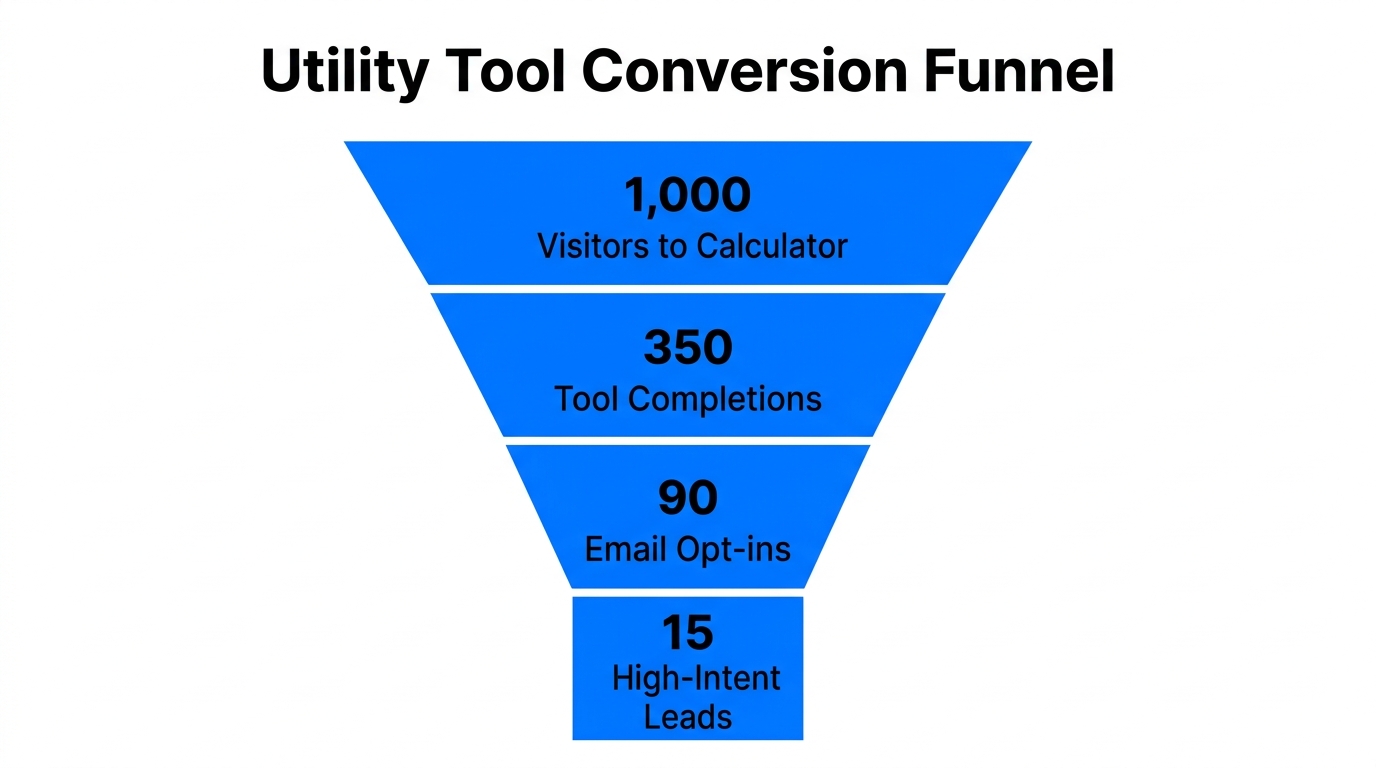
If you are an SEO or a content marketer, you already possess the data needed to build the next Local Rank. You know which keywords have high commercial intent. You know where the friction points are in your industry. In 2026, your zero-click search recovery plan should involve these three steps:
- Identify Friction, Not Questions: Don't look for keywords that ask "how to." Look for keywords that imply a task. For example, instead of "how to find influencers," which an AI can answer, look at the workflow of managing them. Platforms like Stormy AI succeed because they provide a system for search, outreach, and tracking that an AI overview simply cannot replace.
- Productize Your Agency Services: If you've been doing manual SEO audits for clients, build a simple script or app that automates 80% of it. This becomes your lead magnet or your core product.
- Focus on Proprietary Data: AI models are trained on public data. If your tool provides data that is private, real-time, or highly specialized, you maintain a competitive moat.
"I took everything I knew from local SEO and we built Local Rank. We came out the door blazing and were able to hit 20K per month right out the gate."
The 'Insurance Policy' Strategy: Building a Cross-Platform Audience
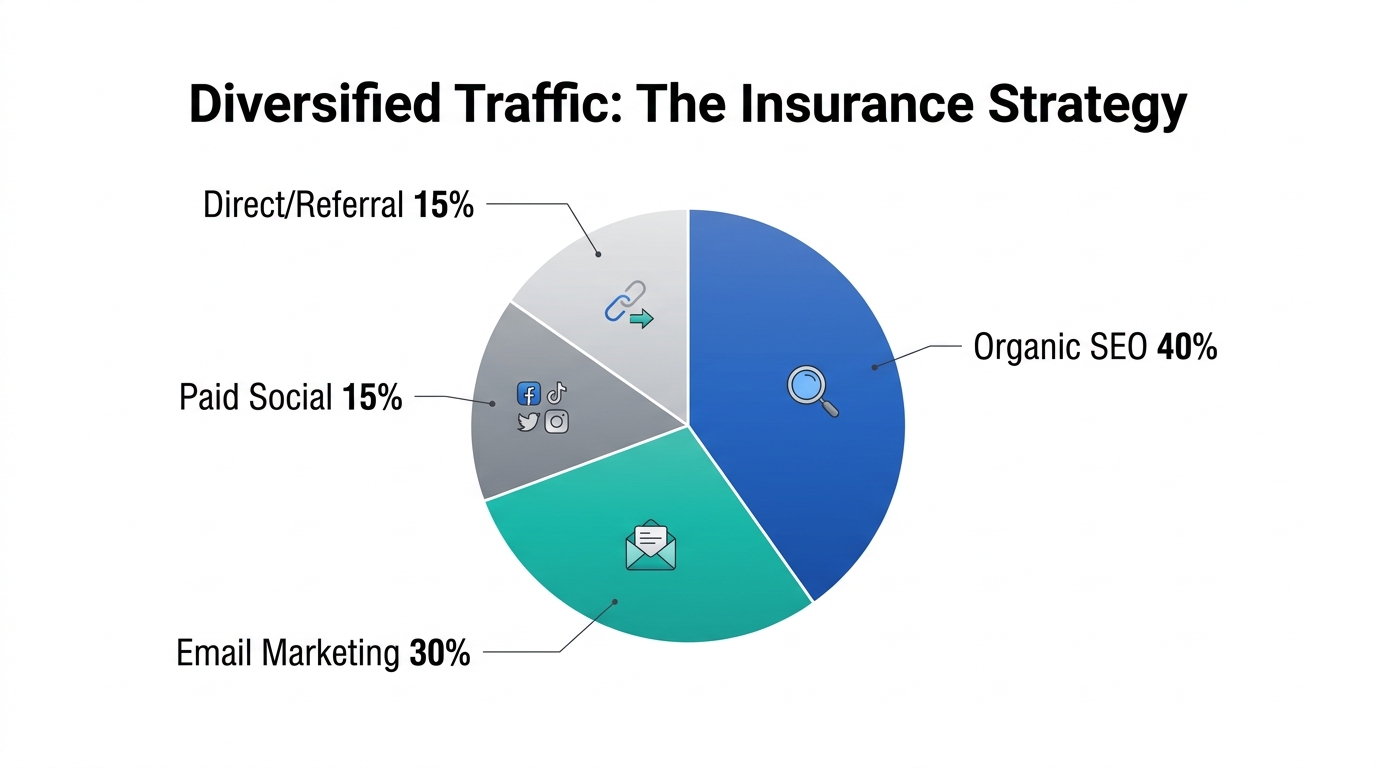
The most dangerous number in business is one. One traffic source (Google), one monetization method (Ads), or one platform. Jackie Chow credits his survival to his "insurance policy": a YouTube channel. While his Google traffic was cratering, his YouTube audience remained loyal. Interestingly, you don't need millions of views to make this work. Jackie's launch for Local Rank saw 80% of revenue come from YouTube videos that only had around 1,800 views.
Compare this to X (formerly Twitter), where a launch tweet got 30,000 views but only contributed 20% of the revenue. The lesson for 2026 is clear: high-intent video content creates a deeper bond and higher conversion rates than ephemeral social media impressions. Niche dominance on YouTube allows you to bypass the AI overview filter entirely by appearing directly in the feed of your target customer.
The 2026 YouTube Distribution Playbook
To build an insurance policy that protects your business from the next algorithm update, follow this sequential playbook:
- Step 1: Own a Narrow Niche. Don't try to be an "SEO expert." Be the person who does "SEO for plumbers" or "Marketing for lawyers." The narrower you are, the more you are viewed as a thought leader.
- Step 2: Commit to Daily Volume. Jackie recommends daily uploads for at least 6 months. Volume forces you to lower your standards and just ship. You will learn more from 30 "bad" videos than from two "perfect" ones that you never actually post.
- Step 3: Solve Problems via "Stream of Consciousness." You don't need high production value. Show your thought process. A video titled "How I'm trying to rank on ChatGPT" where you simply explore the problem is more valuable to an audience than a polished, generic guide.
- Step 4: The 5-Second Hook. Don't waste time with intros. Start with: "Here is how I ranked on Gemini in 24 hours." Hook them immediately or they will scroll.
- Step 5: Build a Simple Funnel. Every video should point to a newsletter lead magnet. Use tools like Beehiiv or ConvertKit to capture emails. This ensures that even if YouTube changes its algorithm, you own the direct line to your customers.
Revenue Diversification: The Only Way to Survive the AI Age
8:21The traditional advice to "focus on one thing" is becoming increasingly risky in an era where an LLM update can wipe out an entire industry overnight. Jackie's portfolio approach—spanning an SEO agency, multiple SaaS products like Trackings.ai, and even e-commerce—is a roadmap for the modern solopreneur. When one stream is hit by a "Helpful Content Update," the others provide the cash flow necessary to pivot.
In 2026, diversification isn't just about different products; it's about different business models. If you rely on SEO for discovery, you should rely on an email list for retention and a SaaS or service for monetization. This multi-layered approach creates a resilient ecosystem. For example, a brand might use Stormy AI to find creators for UGC (user-generated content) on TikTok, while simultaneously running Google Ads to capture high-intent search traffic that still exists below the AI overview box.
"Revenue diversification, especially in 2026, is the only reason why I'm still standing today. Don't listen to the people telling you to focus on only one project."
Conclusion: Building for the Post-Search World
Recovering from the impact of Google AI Overviews requires a psychological shift. You must stop viewing yourself as a "publisher" and start viewing yourself as a "solution provider." Whether that solution is a specialized software tool like Local Rank or a productized agency service, the goal is to create value that an AI cannot replicate in a simple text summary.
By leveraging your SEO expertise to build utility-based tools, committing to a daily distribution habit on platforms like YouTube, and aggressively diversifying your income streams, you can build a business that is not just algorithm-resistant, but algorithm-proof. The era of easy affiliate clicks is over, but the era of high-value niche dominance is just beginning. Stop chasing the algorithm and start building your insurance policy today.