The Out-Teach Playbook: How to Build a Basecamp-Style Brand Building Strategy in 2026
Discover how to dominate your niche with a brand building strategy that prioritizes educational thought leadership over expensive ad spend. Learn the 2026 playbook.
In the high-velocity market of 2026, the cost of customer acquisition via traditional performance marketing has reached a breaking point. Brands are finding that competing on bid prices in Google Ads or Meta Ads Manager is a race to the bottom that erodes margins and provides no long-term defensive moat. The most successful companies this year aren't the ones with the deepest pockets; they are the ones with the clearest voices. They follow a brand building strategy pioneered by companies like 37Signals: they out-teach the competition rather than trying to out-spend them.
This philosophy-led approach transforms a company from a mere vendor into a category authority. Instead of pitching features, these brands pitch a way of life, a method of work, and a set of core beliefs that attract a fanatical customer base. By the time a prospect considers a purchase, the sale is already made because the brand has spent months or years educating them. In this guide, we will break down the exact framework for building an "Out-Teach" engine that generates organic growth and high-authority content distribution in 2026.
The Shift from Feature-Led to Philosophy-Led Marketing
Moving away from obsessive AB testing to focus on a more philosophical brand approach.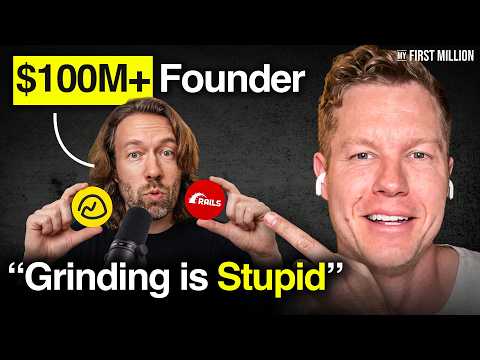
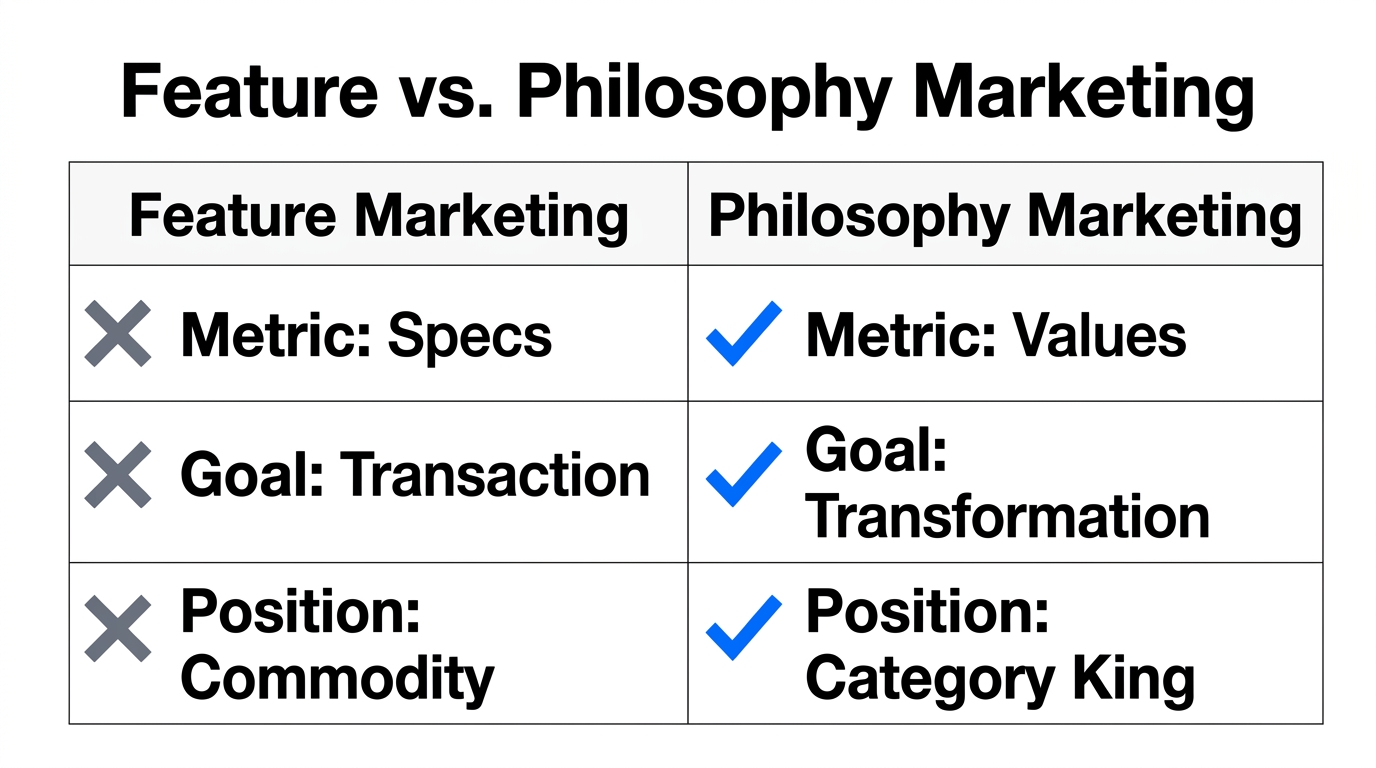
Most marketing departments in 2026 are still stuck in the "feature trap." They highlight their 10% faster processing speed or their slightly cleaner UI. The problem? Features are easily commoditized. A competitor can copy your dashboard in a weekend. However, no one can copy your worldview. This is the essence of the 1999 Manifesto strategy—a strategy where you plant your flag and declare what you believe, unapologetically.
When you lead with philosophy, you aren't just selling a tool; you are selling belonging. For example, Basecamp doesn't just sell project management; they sell a rejection of the grind. They sell profitable bootstrapping. By publishing their beliefs through books like Rework and Getting Real, they created a brand building strategy that resonated with entrepreneurs who felt alienated by the Silicon Valley VC-at-all-costs model.
"Neither Jason nor I can shut up about what we believe. It would be an awful waste if we didn't try to capture those observations and distribute them broadly. To earn awareness, you have to be interesting—and to be interesting, you must be ruthlessly honest."
The 'Out-Teach' Paradigm: Why Education Wins in 2026
Learn why teaching your audience is a more effective growth strategy than traditional spending.The core economic advantage of teaching is that it builds compounding equity. When you spend $10,000 on TikTok Ads, the traffic stops the moment the check clears. When you spend that same energy teaching your audience a new skill or a better way to run their business, that content lives forever on the internet, earning you awareness while you sleep.
This is particularly critical for startups that haven't raised massive venture capital. Without the "drug" of VC funding, you are forced to be scrappy. This constraint is actually a competitive advantage. It forces you to find the innovative shortcuts and the productivity hacks that the big, bloated players ignore. By sharing these internal lessons, you build thought leadership marketing that feels authentic because it was forged in the fire of real constraints.
| Strategy | Out-Spend (Traditional) | Out-Teach (37Signals Style) |
|---|---|---|
| Primary Cost | Capital / Cash Flow | Time / Original Thought |
| Durability | Ends when budget ends | Compounds over decades |
| Customer Relationship | Transactional / Interruption | Educational / Mentorship |
| Market Perception | Another vendor | Category Authority |
As noted in the 37Signals philosophy, the goal is to be ruthlessly forthright. Business advice in 2026 is often padded to fit 300-page books or generic LinkedIn carousels. To stand out, you must provide the "liquid intelligence" of someone who is actually in the trenches. This is why transparency about margins and internal failures works so well; it’s a level of honesty that most corporate entities are too afraid to touch.
Leveraging the 'Luxury of Distance' for Original Thought
Discover how distancing yourself from the tech herd leads to more original business strategies.One of the biggest threats to a successful organic growth strategy in 2026 is the "echo chamber effect." When every founder is drinking the same water in Silicon Valley (or the digital equivalent on X), they all start to produce uniform thinking. They use the same frameworks, the same jargon, and the same growth hacks.
To produce truly original content that breaks through the noise, you need what we call the Luxury of Distance. This means intentionally isolating yourself from the "consensus" of your industry. Whether you are building a tech company in Chicago or a remote agency from a small town, that distance allows you to observe fundamentals without being swayed by the latest hype cycles.
"Distance to everyone else’s echo chamber means original thought is possible. Many of the best ideas come from the vector of total ignorance combined with the hubris of a 20-something who doesn't know what they aren't allowed to do."
This "productive ignorance" allows you to question the status quo. For example, while the entire tech world was obsessed with surveillance capitalism and complex tracking, Basecamp stayed focused on simple, privacy-first tools. They didn't do it because they were genius predictors of the future; they did it because they were outside the room where everyone agreed that tracking was the only way to build a business. In 2026, platforms like Stormy AI are helping companies find these unique, non-consensus voices by identifying niche creators who haven't been "colonized" by standard industry thinking.
The Liquid vs. Crystallized Intelligence Framework
Understanding the shift toward AI-driven intelligence and its impact on the software landscape.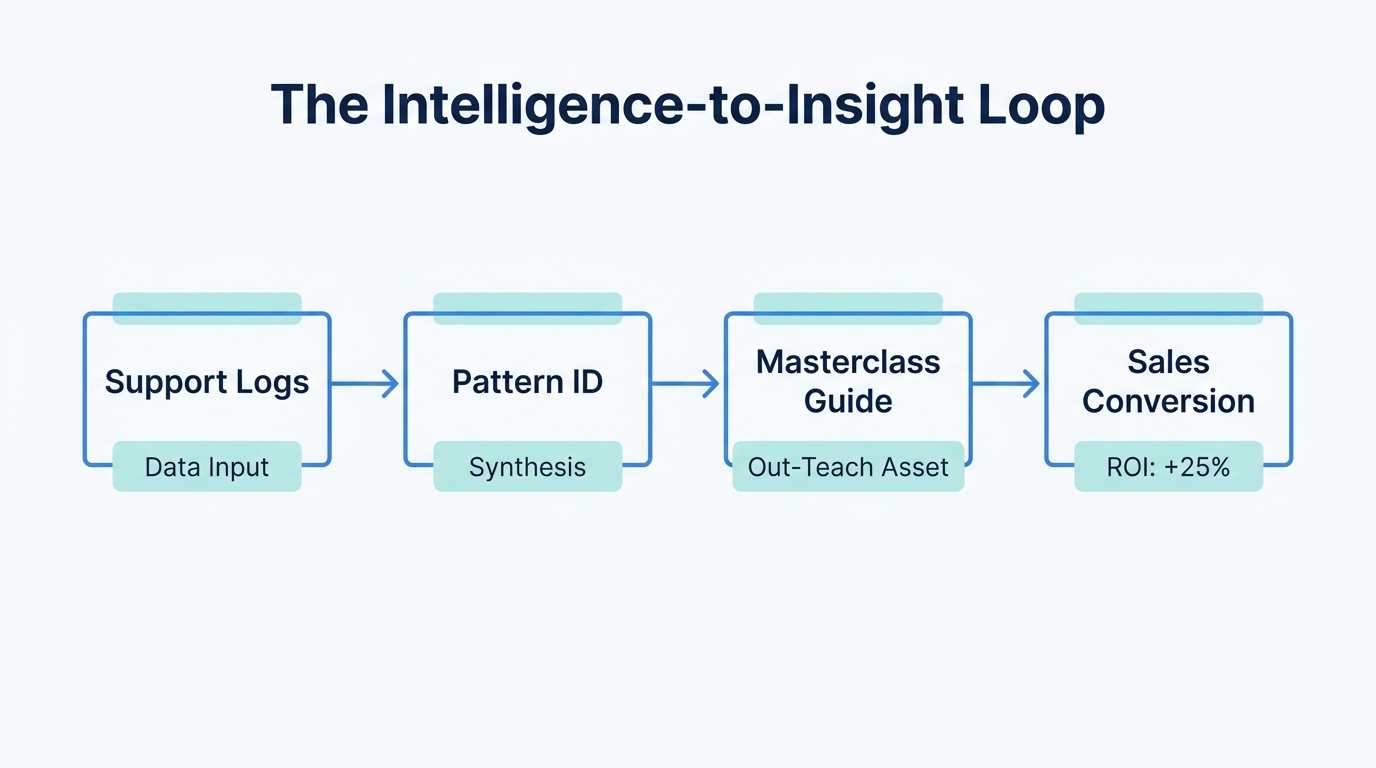
When building your content distribution engine, it’s important to understand where your insights are coming from. Research into Nobel Prize winners shows a fascinating split between two types of intelligence that every brand builder should master:
- Liquid Intelligence: This is the fast, innovative, "firing on all cylinders" smarts usually found in your 20s. It’s the ability to see a problem with fresh eyes and come up with a radical, ground-breaking solution (like the creation of Ruby on Rails).
- Crystallized Intelligence: This is the ability to make deep connections, see patterns across decades, and apply wisdom. This typically peaks much later in life (which is why the average age of a Nobel winner is near 80).
In 2026, a winning brand building strategy blends both. You use your Liquid Intelligence to disrupt your category and experiment with new tools (like autonomous AI agents), and you use your Crystallized Intelligence to ensure those experiments are rooted in timeless fundamentals. Don't wait until you are "successful enough" to start teaching. The ignorance of the early stages is actually a benefit; you can see things that the veterans have become blind to.
The 5-Step Out-Teach Playbook for 2026
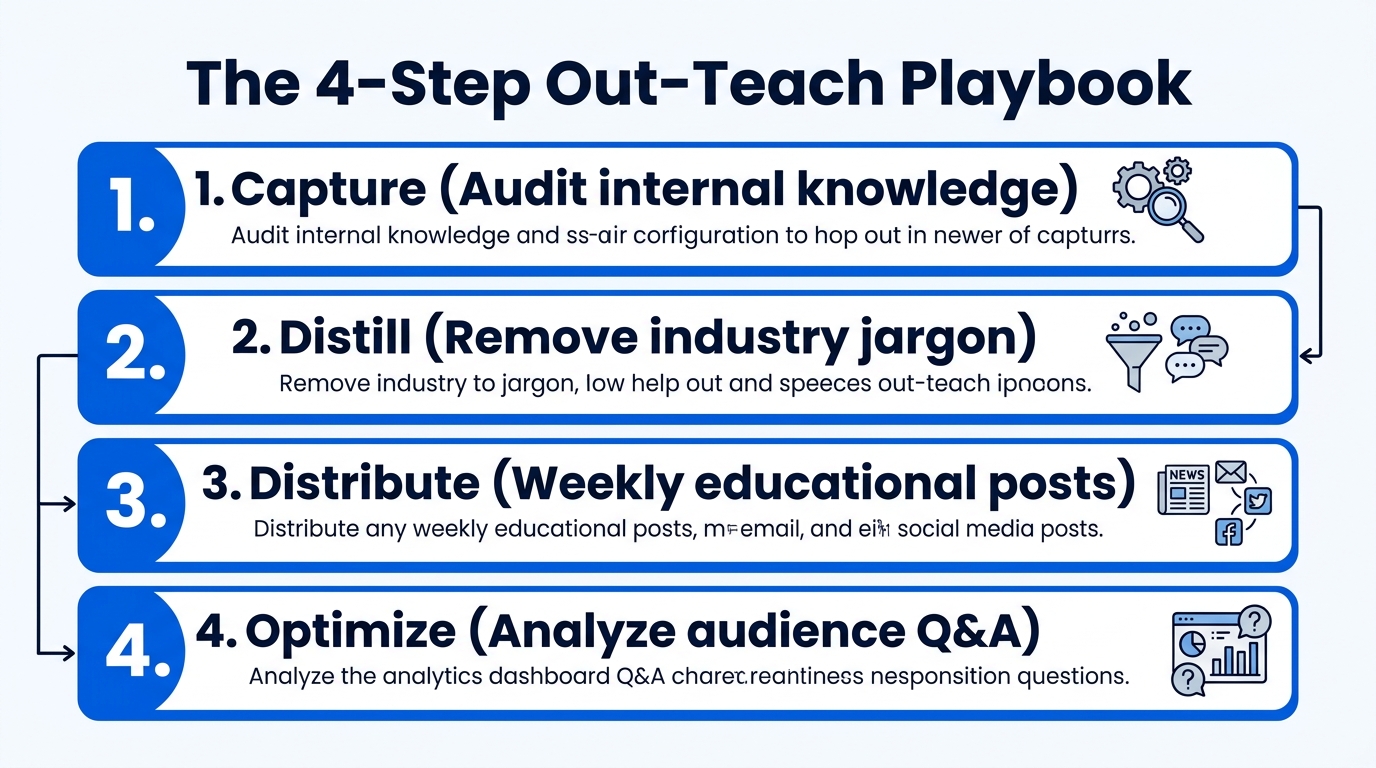
If you want to transition from a brand that buys attention to a brand that earns it, follow this structured framework to build your educational engine.
Step 1: Document the "Dungeon Master" Perspective
Think like a Dungeon Master in a role-playing game. Your job isn't to be the hero; it's to build the world. Document your internal processes, your "house rules" for how you run meetings, how you code, and how you hire. These aren't just "SOPs"—they are the lore of your brand. Use tools like Notion or Linear to track these lessons as they happen.
Step 2: Embrace "Resulting-Proof" Thinking
In poker, "resulting" is the mistake of judging a decision solely by its outcome. A brand that out-teaches must be willing to be wrong in public. Share your bets that didn't pay off. If you wrote a blog post in 2010 saying a competitor was overvalued and you were proven wrong by the market, don't delete it. Use it as a teaching moment to analyze why the "alchemy" changed. This vulnerability builds massive trust with your audience.
Step 3: Invest in the "Luxury of Margins"
Stop over-optimizing for the last 0.01% of conversion. If you are constantly grinding on A/B tests to squeeze a lemon dry, you have no time for original thought. Build a business with enough margin that you can act "recklessly"—which in 2026 means having the freedom to ignore the data when your intuition tells you to take a bigger, more interesting swing.
Step 4: Execute the Jab, Jab, Jab, Right-Hook
Adopt the Gary Vee model of giving. In 2026, the "Right Hook" (the direct ask to buy) is harder to land because algorithms on platforms like X and LinkedIn suppress promotional content. To win, you must jab (teach) 100 times for every one time you ask for a sale. Your teaching should be so valuable that the audience feels a sense of reciprocal obligation to check out your product.
Step 5: Build a Distribution Engine with Influencers
You don't have to be the only one teaching. Find creators who share your philosophy and empower them to teach your methods. Use an AI-powered platform like Stormy AI to discover influencers who aren't just "posting ads," but are true educational authorities in your niche. By arming them with your unique insights, you scale your thought leadership marketing far beyond your own social following.
Conclusion: Earning the Future
Building a brand building strategy in 2026 isn't about finding the perfect hack or the cheapest ad placement. It's about longevity. It's about ensuring that your company is a place you actually want to work for the next 20 years. When you focus on teaching, you are committing to the now—the satisfaction of sharing knowledge—rather than just the "after" of an exit.
Remember: Nobody knows anything with absolute certainty. Not the VCs, not the market analysts, and not your competitors. The only thing you can control is the depth of your integrity and the clarity of your teaching. By out-teaching the competition, you aren't just building a company; you are building a legacy that survives every algorithm update and market shift. Start planting your flag today.