The 2026 Guide to Automating Brand Outreach with OpenClaw AI CRM
Master your influencer sales pipeline in 2026 with OpenClaw AI CRM. Learn to automate brand outreach, recover stale deals, and manage multi-channel sponsorship alerts.
In the fast-paced creator economy of 2026, the difference between a struggling influencer and a seven-figure brand is no longer just content quality—it is sales infrastructure. As manual outreach becomes a relic of the past, the rise of agentic CRM systems has transformed how creators secure sponsorships. Leading this charge is OpenClaw AI, an autonomous framework that has fundamentally redefined the influencer sales pipeline 2026 landscape.
By leveraging persistent memory and autonomous lead discovery, creators are no longer waiting for brands to slide into their DMs. Instead, they are deploying fleets of AI agents to scout, qualify, and initiate negotiations while they sleep. Research from Nucleus Research indicates that businesses using AI-driven CRMs see an average return of $8.71 for every $1 spent, a figure that is emboldening creators to treat their sponsorship outreach like a high-tech sales floor.
The Rise of the Agentic CRM: Why 2026 is Different
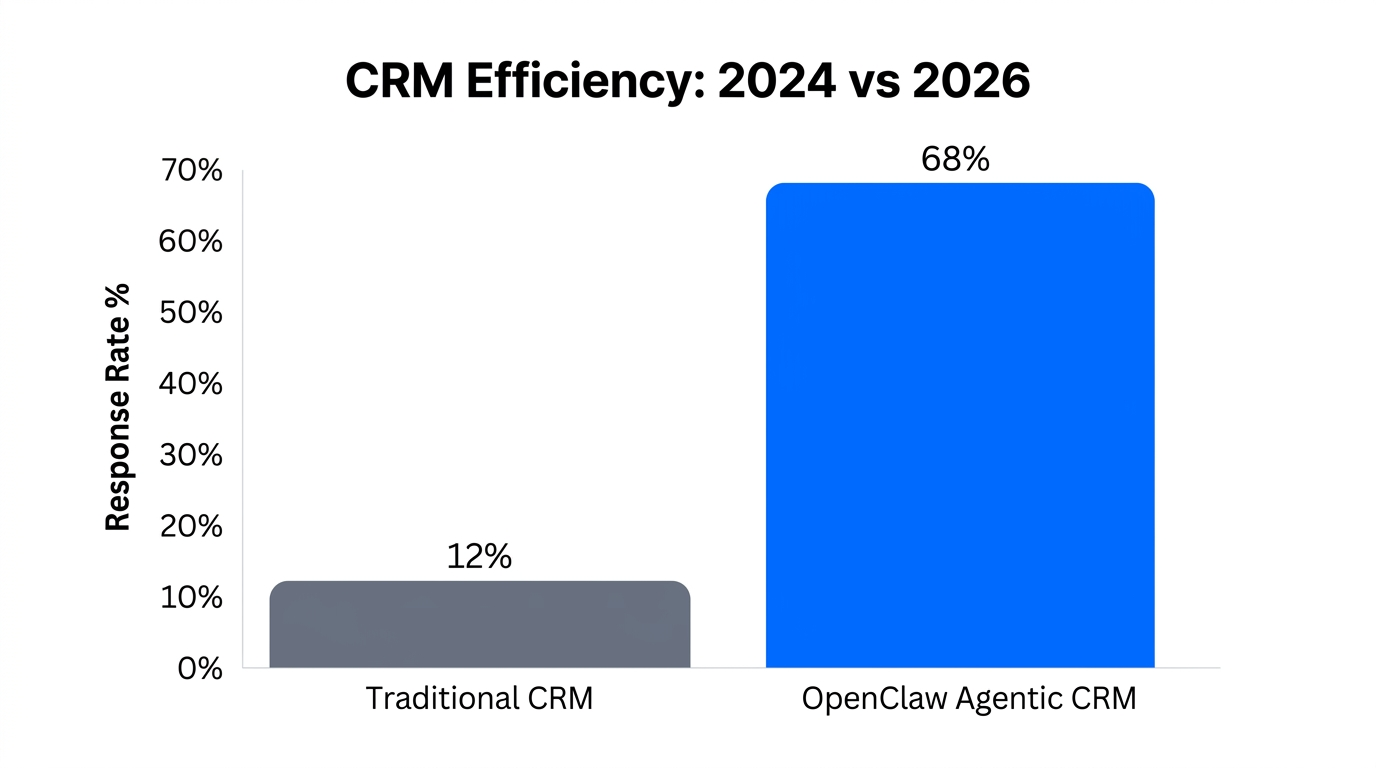
OpenClaw (formerly known as Clawdbot) has become the fastest-growing open-source AI project in history, amassing over 247,000 GitHub stars in just months. This isn't just a trend; it's a structural shift in how creators manage revenue. According to Dogma Group, 70% of CRM platforms will have integrated AI by late 2026, contributing an estimated $1.1 trillion to global GDP. For the individual creator, this translates to unprecedented leverage over brand negotiations.
"The move toward agentic networks like OpenClaw is the most incredible sci-fi takeoff-adjacent thing we’ve seen in years—it allows creators to own their infrastructure and their data."
Data from recent industry benchmarks further supports this, showing that creators using AI-driven workflows report a 29% increase in revenue impact. By automating the mundane tasks of lead generation and follow-up, creators can focus on the 24% of their work that truly drives content demand and audience engagement.
Autonomous Lead Discovery: Finding Sponsors Without Prompting
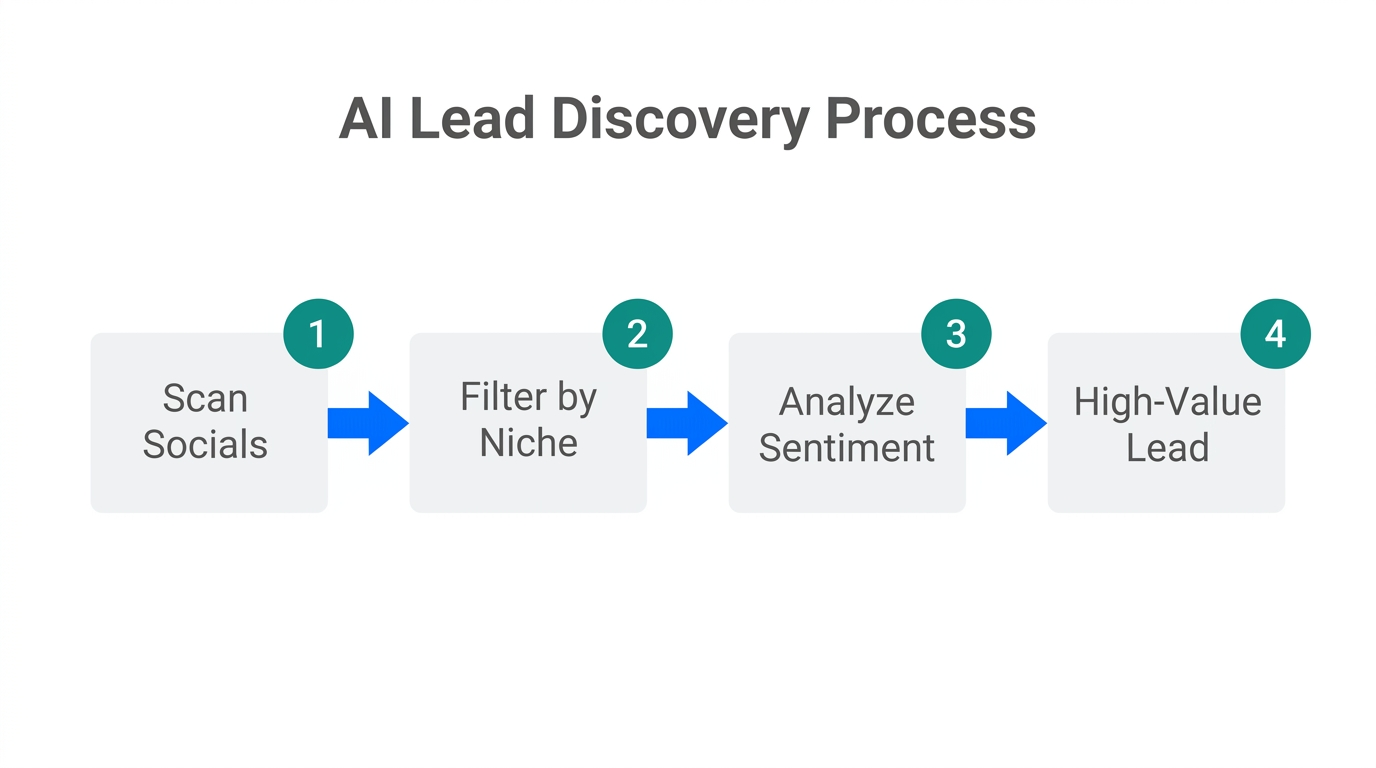
The core power of OpenClaw AI CRM outreach lies in its ability to proactively scout for opportunities. Traditional CRMs require you to input data; OpenClaw goes out and finds it. Using a "Skill"-based folder structure, you can assign a folder to act as your `lead-scout`. This agent uses browser automation to scan social media trends, LinkedIn job boards, and industry news to identify brands that are actively spending on influencer marketing.
For example, a creator in the fintech space can instruct their agent: "Monitor Google Ads transparency reports for new mobile banking startups in the EU." The agent doesn't just list the brands; it finds the Marketing Manager’s email using enrichment tools and drafts a pitch tailored to the brand’s recent product launch. To ensure the highest quality of leads, many creators first use Stormy AI to identify high-performing competitors and then feed those brand names into OpenClaw for targeted outreach.
Multi-Channel Management: WhatsApp, Discord, and Telegram
In 2026, the email inbox is a crowded battlefield. Automated brand sponsorships often require faster communication channels. OpenClaw’s model-agnostic nature allows it to interact with over 20+ messaging platforms. Creators are increasingly managing their entire business through real-time alerts on WhatsApp, Discord, or Telegram.
- Real-Time Deal Alerts: Receive a ping when a brand opens your proposal or when a high-value lead is identified.
- Voice-to-CRM: Send a voice note to your OpenClaw agent via WhatsApp: "Move the Nike deal to the negotiation stage and set a follow-up for Tuesday."
- Secure Communication: Use private forks like DenchClaw for end-to-end encrypted deal tracking on your own hardware.
| Feature | Traditional CRM | OpenClaw AI CRM |
|---|---|---|
| Lead Input | Manual Entry | Autonomous Scouting |
| Platform Support | Web/Mobile App | WhatsApp/Discord/Telegram |
| Data Privacy | Cloud-Hosted (Third Party) | Local Execution (Private) |
| Action Trigger | Human-Initiated | Agent-Initiated (Events) |
The 'Stale Deal Recovery' Strategy: Bringing Cold Leads Back to Life
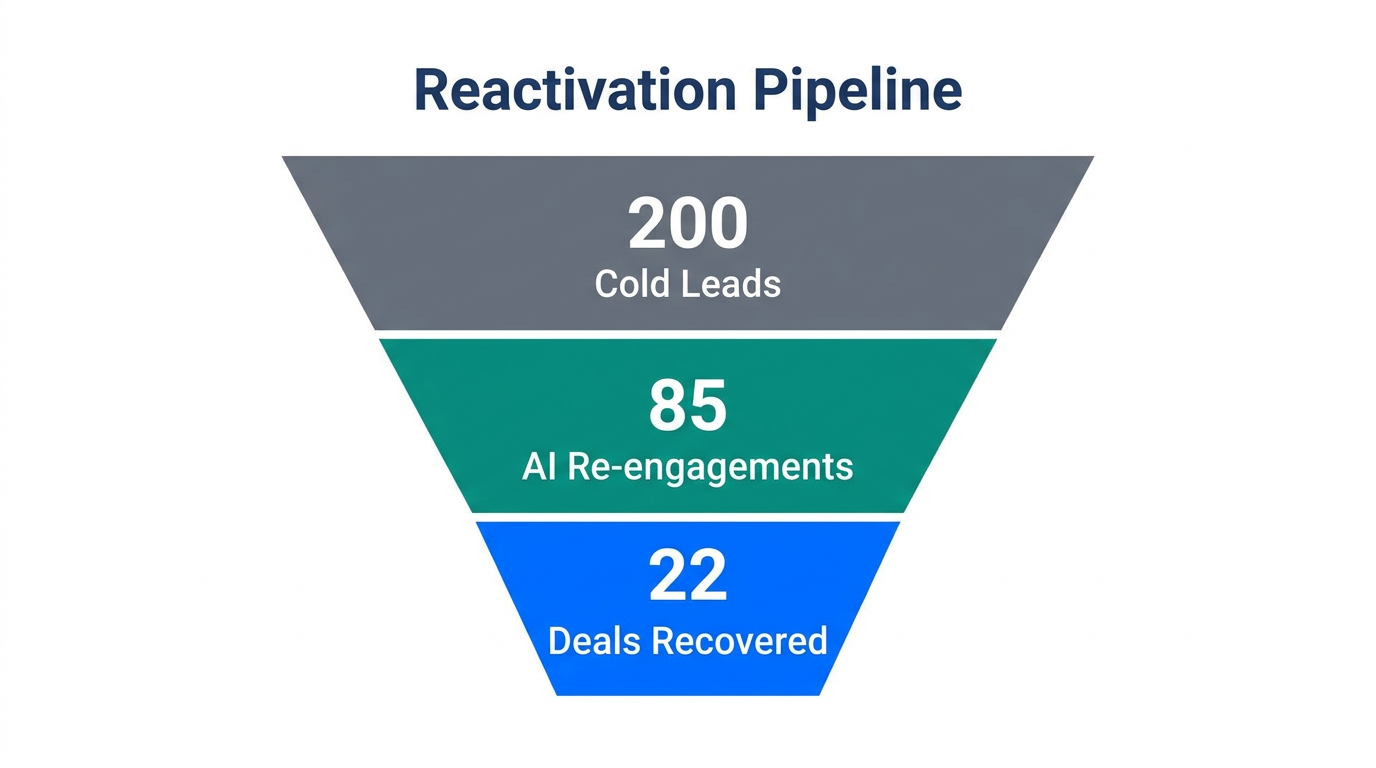
One of the biggest revenue leaks for creators is the "ghosted" email. AI brand outreach for creators in 2026 involves a sophisticated strategy called Stale Deal Recovery. OpenClaw can be programmed to scan your sales pipeline every 14 days. If a brand has not responded to the last three touches, the agent doesn't just send a generic "just checking in" email.
Instead, the AI analyzes the brand's most recent social media posts via YouTube or Instagram and incorporates that context into a re-engagement draft. Personalization at scale is the only way to break through the noise. The agent might say: "I saw your recent campaign regarding sustainable packaging; our audience had a high engagement rate on a similar topic last month, perhaps we can revisit our partnership?"
"Automated follow-ups shouldn't feel like robots; they should feel like a dedicated assistant who never forgets a detail."
Leveraging Persistent Memory for Better Closing Rates
Standard chatbots lack context, but OpenClaw uses persistent memory to store the nuance of past brand negotiations. If you worked with a brand in 2024 and they pushed back on your pricing due to "budget constraints in Q3," OpenClaw remembers this in 2026. When you initiate a new pitch, the agent will automatically reference the previous conversation, positioning your new proposal as a solution to their past roadblocks.
This persistent memory is often stored locally using Supabase or DuckDB, ensuring that your creator revenue automation strategy remains private. By owning the data, you build a historical knowledge base that makes your business increasingly valuable and easier to manage as you scale.
API Cost Management: GPT-4o vs. DeepSeek-V3
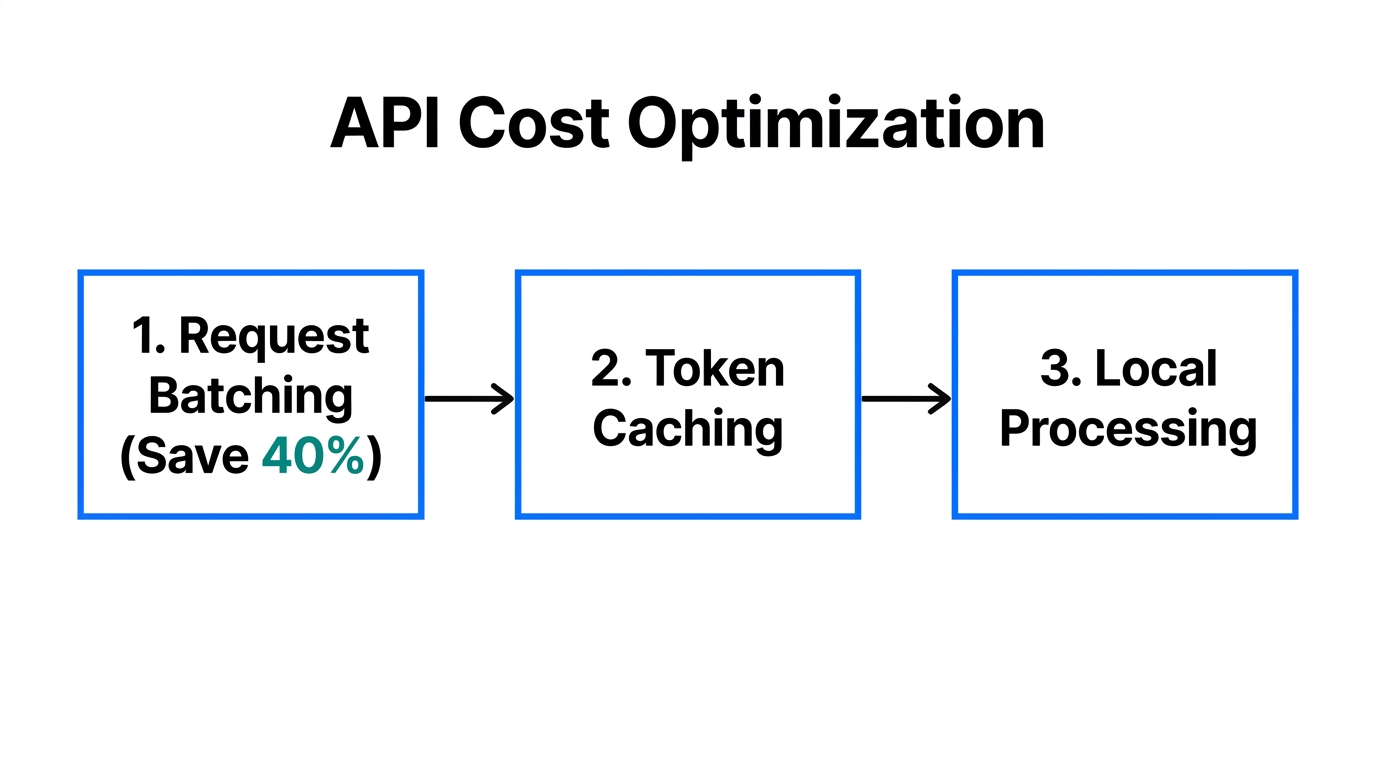
Running a high-performance influencer sales pipeline 2026 can become expensive if you aren't careful with API usage. Using top-tier models like GPT-4o for simple tasks like sorting an inbox or formatting a spreadsheet is a waste of resources. Smart creators use a tiered model approach to balance performance and cost.
For complex negotiation drafting or creative strategy, use Claude 3.5 Sonnet. For routine lead scraping and data cleaning, switch to DeepSeek-V3 or Claude Haiku. This hybrid approach ensures you have the "brainpower" where it matters most without overpaying for basic automation.
Security and the 'Human-in-the-Loop' Rule
Because OpenClaw has system-level access, security is paramount. Reports on Cisco Blogs warn that downloading unvetted "Skills" from community repositories can act as a Trojan horse, potentially leaking private API keys. Always vet the code you run locally and consider deploying on a secure VPS like DigitalOcean for isolated execution.
Furthermore, never set your agents to "Auto-Send." The most successful creators use a Draft-Only workflow. OpenClaw prepares the lead, drafts the email, and pings your WhatsApp. You give the final manual approval before the message is sent. This ensures your brand voice remains authentic and avoids the embarrassing hall-of-fame mistakes that pure AI outreach can generate.
The Future of Creator Revenue is Agentic
The transition to automated brand sponsorships is no longer optional for creators looking to scale. By combining the discovery power of Stormy AI with the agentic execution of OpenClaw, you create a robust, end-to-end sales machine. You are no longer just a content creator; you are the CEO of a media company powered by an autonomous sales force.
Start small: set up a single lead-scout agent, connect it to your WhatsApp, and watch as your pipeline begins to fill itself. In 2026, the creators who own their tools and their data are the ones who will define the next decade of the creator economy.