In the high-velocity markets of 2026, the traditional product-market fit is no longer enough to guarantee success. As technology becomes more abstract—moving deeper into decentralized finance, autonomous AI agents, and spatial computing—the gap between what a product does and what a customer understands has widened. This is where the Narrative Economy takes over. In this landscape, value is not just built in the codebase; it is forged through the stories we tell. Founders who master brand storytelling 2026 are the ones who convert confusion into conviction and volatility into value.
Take the career of Mike Novogratz, a man who has made and lost fortunes by navigating the intersection of macro-economics and human psychology. His trajectory from a helicopter pilot to a Goldman Sachs partner, and eventually a billionaire crypto visionary, provides a masterclass in how narrative is the primary driver of value in emerging tech. For complex brands, the lesson is clear: if you cannot articulate the future, you cannot own it. This year, growth isn't about features; it's about the narrative marketing strategy that bridges the gap between the known and the unknown.
Why Narrative is the Primary Driver of Value in High-Stakes Markets
 38:59
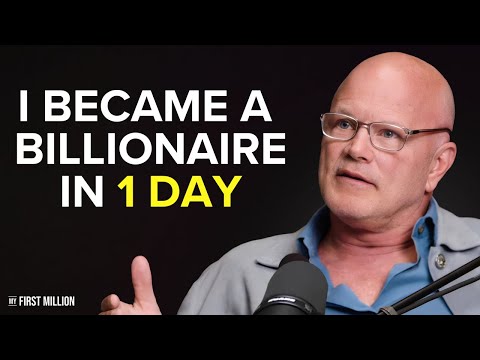
38:59In 2026, we are seeing a shift where founder-led branding is more influential than corporate identity. This is because complex technologies, like those in the crypto and AI sectors, are inherently hard to vet. When an investor or a customer cannot look under the hood, they look at the driver. Mike Novogratz famously noted that crypto, for the last decade, has been almost entirely about narrative. It is the story of understanding the world and then telling that story in a way that creates consensus.
This "Narrative Value" isn't just for billion-dollar hedge funds. Startups using TikTok Ads Manager to scale their user base find that story-driven content outperforms feature-driven ads by 4x. Why? Because storytelling humanizes the abstract. When Novogratz talks about "pattern recognition," he isn't just referring to charts; he's referring to the ability to synthesize massive amounts of data into a coherent vision of the future. For complex brands, the goal is to develop an internal algorithm that wins more than it loses, then communicate that process to build trust.
"The gap between the really great and the next level is discipline. You have to have a set of rules that you follow."
The 'Gift of Gab' Framework: Converting Conversations into Opportunities
0:00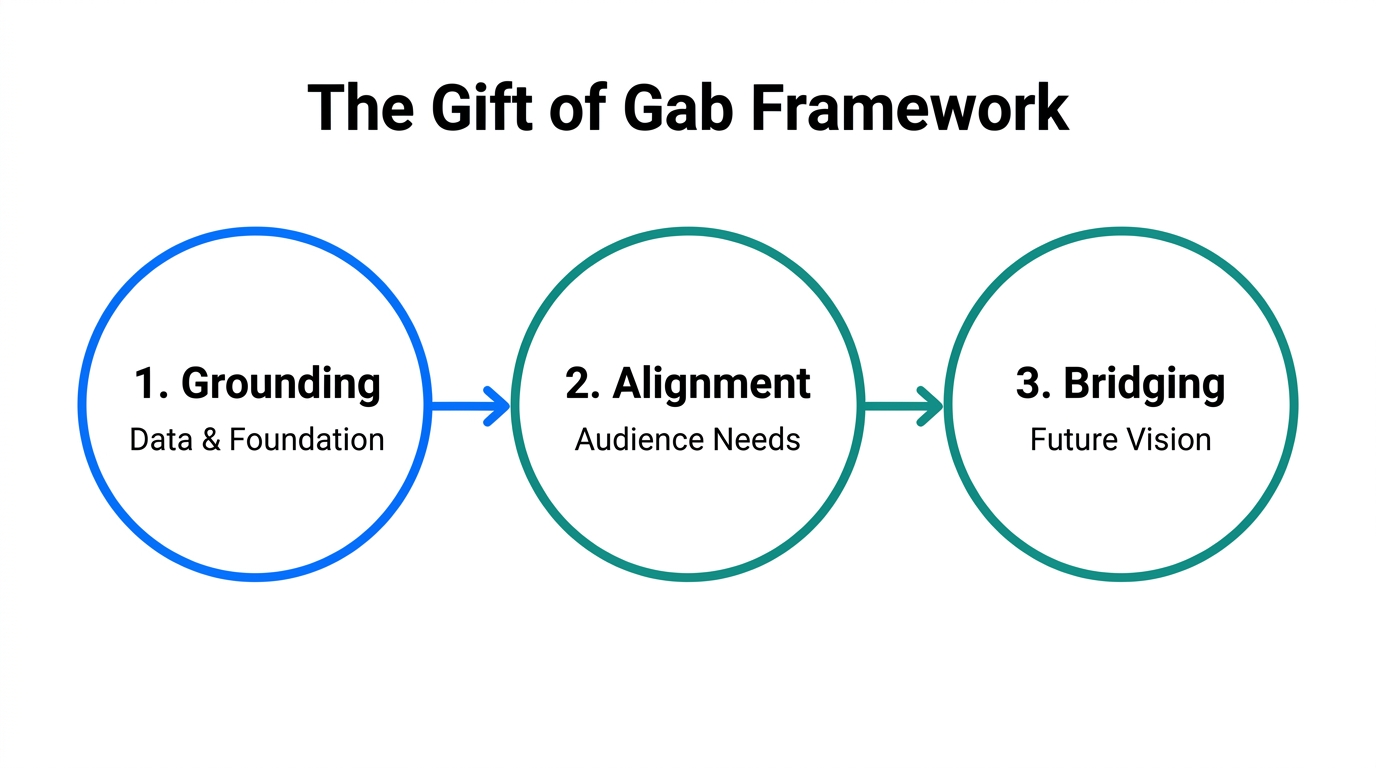
One of the most underrated assets in a founder’s toolkit is the ability to network through authentic curiosity. Novogratz calls this the "Gift of Gab." It’s not about mindless chatter; it’s about using social interactions as a form of high-level research. Whether it’s sitting front row at a Knicks game and meeting an Afrobeats superstar like Davo, or having lunch with the CIO of a major bank, these interactions are where creator economy growth insights are born.
To apply the 'Gift of Gab' framework in 2026, follow these three principles:
- Authentic Curiosity: Don’t pitch; learn. The best insights come from asking questions like "Where did you get that chain?" or "What are you seeing in your industry?" instead of "Here is what my company does."
- Horizontal Networking: Recognize that "everyone sits on the same toilet." As Novogratz realized at Princeton, the hierarchy of status is often an illusion. Approaching high-status individuals with the same warmth you’d show a peer is a high-impact business lever.
- Serendipity Capture: Every casual interaction is a potential data point. Using tools like Stormy AI’s Creator CRM to track these "serendipitous" connections ensures that a chance meeting at a bar or a conference becomes a strategic partnership later.
For brands looking to scale, this framework means moving away from clinical outreach. Instead of dry cold emails, brands are leveraging Stormy AI to find creators who already have the "Gift of Gab" in their niche. By partnering with individuals who already have a trusting relationship with their audience, complex brands can outsource the storytelling to experts who know how to make the abstract feel familiar.
Building Trust by 'Doing What You Say You Are Going To Do'
21:21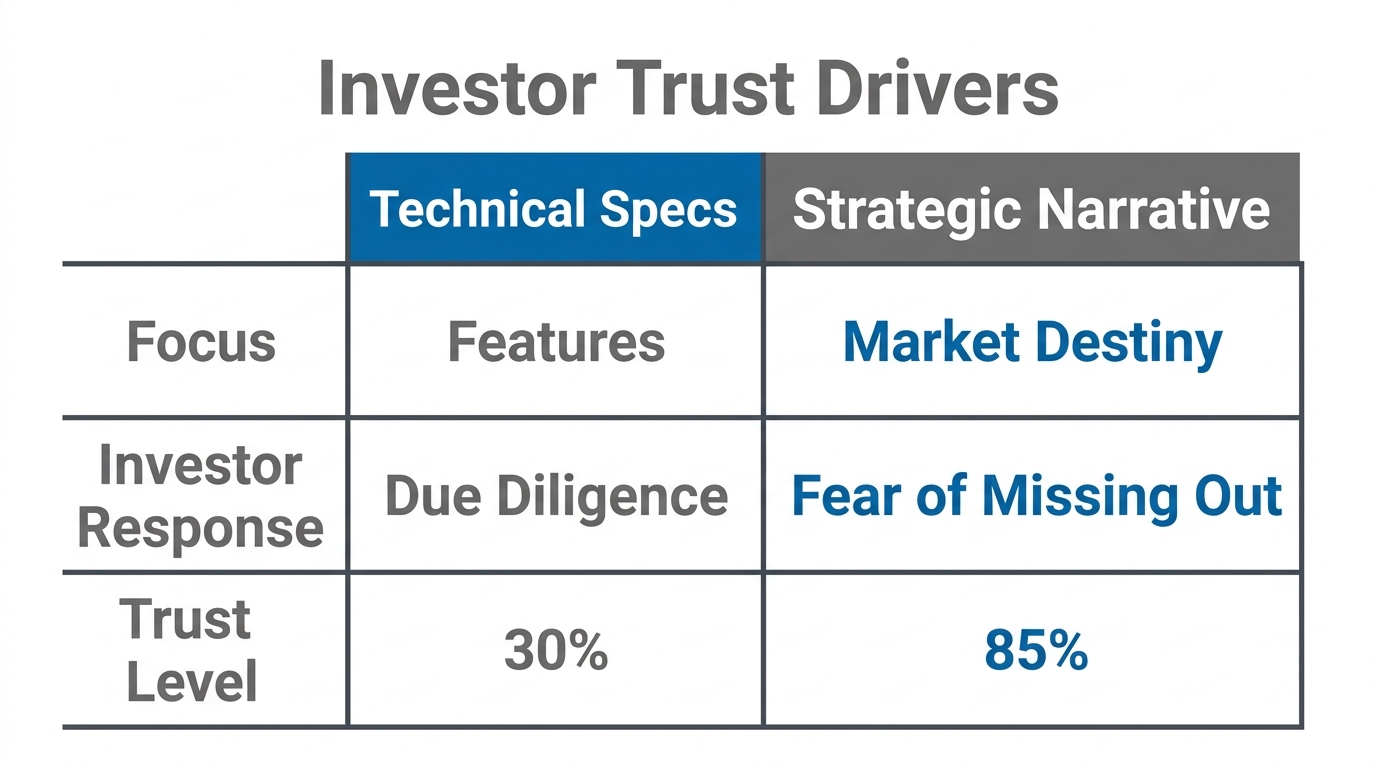
Trust is the scarcest resource in 2026. After years of market volatility and "hype cycles," customers and investors are skeptical. The antidote, according to the Goldman Sachs and Fortress Investment Group ethos, is simple: execution consistency. Novogratz argues that Goldman’s asset management business thrived not just because of returns, but because people trusted them to follow through on their word. Building a sense of trust in investors comes down to one phrase: Doing what you say you are going to do.
| Metric of Trust | Low-Trust Strategy | High-Trust (2026) Strategy |
|---|---|---|
| Communication | Hype and vague promises. | Radical transparency about process. |
| Performance | Winning 100% (unrealistic). | Owning losses and explaining the 'why'. |
| Consistency | Erratic pivots. | Doing exactly what was promised. |
In the world of founder-led branding, this means being honest about your "internal algorithm." Are you a "lucky general" or a "skilled one"? Novogratz cites a conversation with Ehud Barak, the former Prime Minister of Israel, who told him, "You're not so smart, but you're lucky... you have an intuition, a pattern recognition, an ability to sense where things are." Once Novogratz embraced this intuition and was honest about it with his investors, his assets under management surged from $300 million to $2 billion. Honesty about your process is more valuable than pretending to have a perfect one.
"Losing doesn't mean you're a bad guy. It just means you lost that game. Learning how to come back is the most important thing."
Case Study: Simplifying Complex Value Propositions for Mass Adoption
How do you convince someone to buy Bitcoin at $96, as Novogratz and his partners did in 2012? You don't explain the SHA-256 hashing algorithm. You tell a story about the future of money and the erosion of trust in centralized systems. In 2026, we see this same pattern in AI and climate tech. The brands that win are not the ones with the best specs, but the ones with the best analogies.
For instance, when Mike's partner Pete Briger saw Bitcoin, he didn't just see a digital asset; he saw a way to be part of a "clan" of the smartest people in tech. This social narrative is what allowed them to hold their positions through the 2008 financial crisis and beyond. They weren't just holding an investment; they were holding a conviction in a future story.
Today, brands are using Stormy AI to discover creators who can translate these complex value propositions into 15-second TikToks or 30-minute YouTube deep-dives. By finding creators who have a "Master Class" in their specific field—whether it's AI, finance, or logistics—brands can ensure their narrative is being told by the right voices. This is the narrative marketing strategy of the future: decentralized storytelling powered by centralized AI insights.
Step-by-Step Playbook: Developing Your Internal 'Narrative Algorithm'
11:25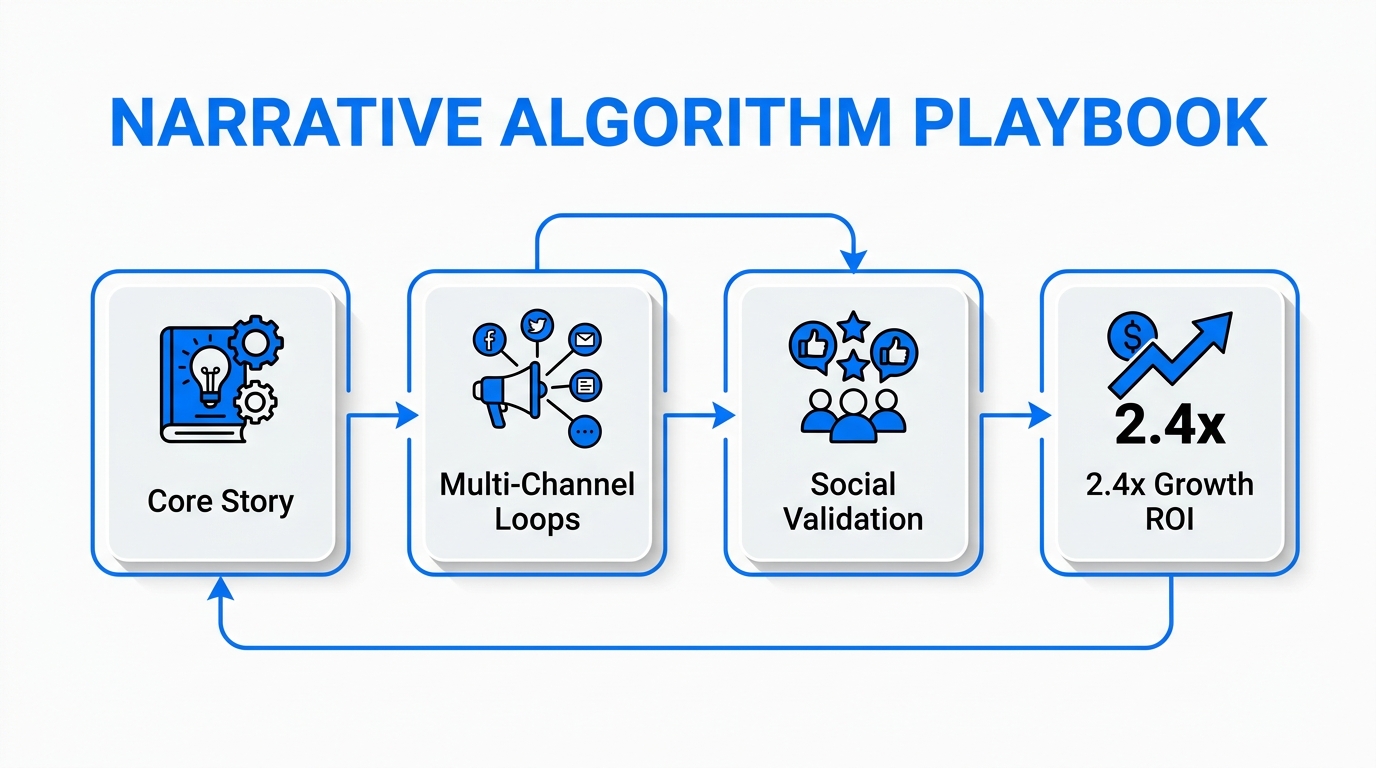
For founders and marketing leaders, building a brand in 2026 requires more than a style guide. You need a narrative algorithm. Here is the 4-step playbook to develop yours:
Step 1: The Information Shovel
You cannot tell a good story if you don't have good data. Like Novogratz, who shoves massive amounts of information into his brain—charts, news, conversations—you must curate your inputs. Use tools like Perplexity or specialized AI agents to synthesize market trends. If you are building a product, you should have talked to 500+ people in your niche before your narrative is even drafted.
Step 2: Identify the Pattern
Move beyond the data to find the "intuition." What is the one truth about the future that everyone else is missing? This is your narrative's core. Are you the "distressed debt" hero or the "macro-visionary"? Your brand needs a role in the story of the future. Use Notion to document these recurring themes and refine them into a singular "North Star" story.
Step 3: Anxiety Management as a Strategy
In high-growth marketing, anxiety is often "when your brain is bigger than your balls." Trading and branding both require the courage to stay long when the market is shouting. Develop a discipline of consistent storytelling, even when the data is noisy. Trust your pattern recognition. If you've done the work in Step 1, you have the right to be confident.
Step 4: Scale via the Creator Economy
Don't try to be the only narrator. In 2026, the creator economy growth means your story should be told by hundreds of different voices. Use Stormy AI to find influencers who align with your narrative algorithm. Set up an AI agent to handle the outreach and follow-ups, allowing you to focus on the high-level strategy while the "Gift of Gab" happens at scale across social platforms.
The Future belongs to the Storytellers
As we navigate the complexities of 2026, remember that storytelling is not just a marketing tactic—it is a growth lever. Whether you are managing a 600-person company like Galaxy or a seed-stage startup, your ability to synthesize information and tell a compelling story will determine your ceiling. Mike Novogratz’s journey shows us that wealth and influence follow those who can see the future and have the courage to bet on it.
Invest in yourself, spend time in solitude to understand your own "internal algorithm," and never underestimate the power of being a "good guy to sit around a campfire with." In the end, narrative is the only thing that survives the volatility of the markets. Start building yours today by finding the right voices to tell your story on Stormy AI.