Multimodal Shopify Product Descriptions: Using AI to Turn Photos into Copy in 2026
Learn how multimodal AI ecommerce tools turn product photos into high-converting copy. Tutorial on photo to text AI for Shopify product page design in 2026.
In the early days of 2024, writing a product description meant staring at a blank screen or feeding a few messy bullet points into a basic chatbot. By 2025, the game shifted to bulk generation. But now, in 2026, we have entered the era of multimodal AI ecommerce. Today, your AI doesn't just read your notes; it sees your products. Whether it is a high-resolution studio shot, a grainy factory sample photo, or a hand-drawn sketch on a napkin, Stormy AI and modern multimodal models can now extract technical specifications, detect fabric textures, and identify hardware ports to write flawless, on-brand copy in seconds.
The stakes have never been higher. The global AI-enabled e-commerce market has surged to an estimated $10.5 billion by the end of 2026, up from $7.57 billion just two years ago, according to Elogic. For Shopify merchants, multimodal AI is no longer a luxury—it is the baseline for survival in a market where 89% of retailers have already adopted AI in their operations.
How Multimodal AI "Sees" Your Products
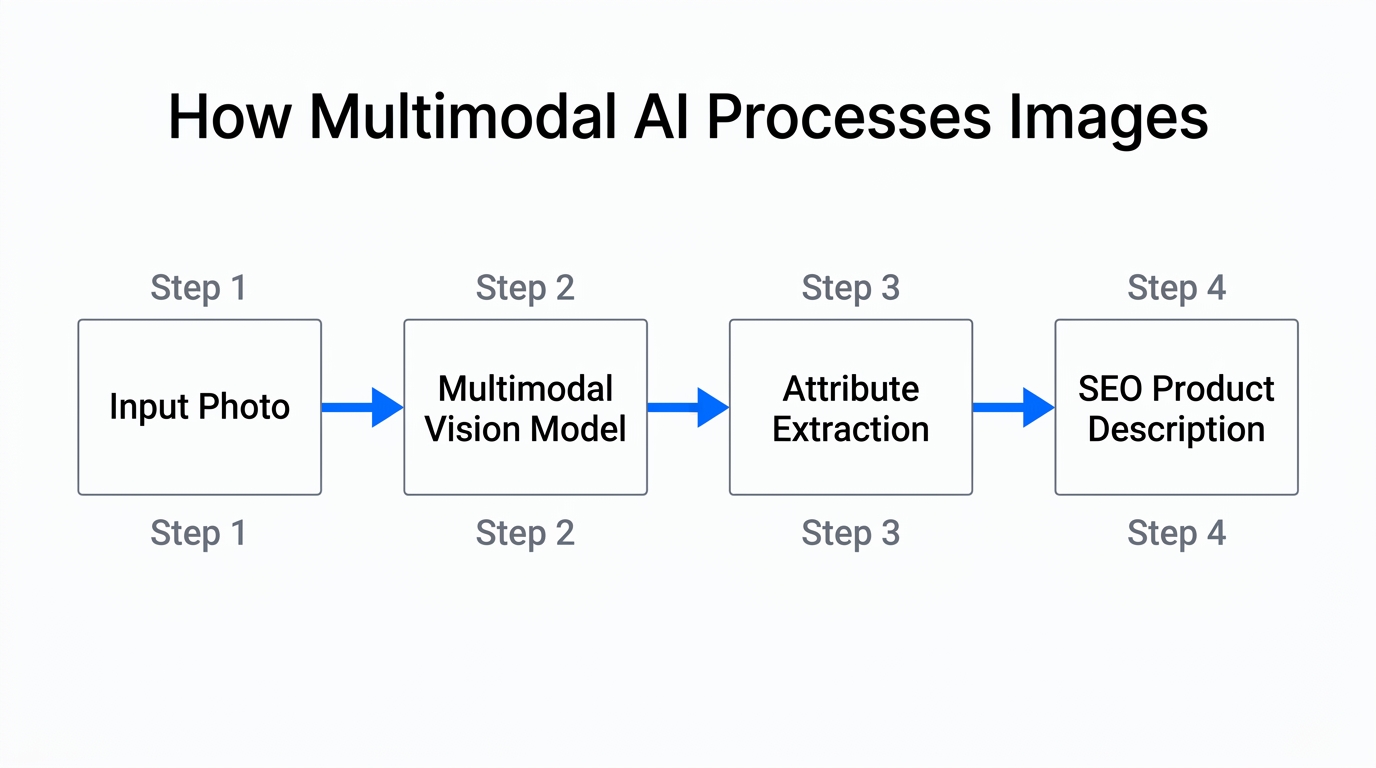
Traditional AI relied on text-to-text processing. If you didn't tell the AI that your shirt was 100% Pima cotton with a reinforced collar, it couldn't write about it. Multimodal AI changes this by using computer vision to analyze visual data. When you upload a photo to a tool like Photoroom or a multimodal-capable agent, the system performs a pixel-level analysis to determine material properties and dimensions.
- Fabric Textures: AI can now distinguish between the matte finish of brushed suede and the subtle sheen of silk, adjusting the descriptive adjectives accordingly.
- Technical Specs: For electronics, AI identifies ports (USB-C vs. Thunderbolt), button layouts, and even heat vent placements.
- Dimensions and Scale: By comparing the product to known background elements, AI can estimate sizes, reducing the "it's smaller than I thought" return rate.
While these tools handle the creative side, an AI ecommerce employee like Stormy AI works in the background to ensure these descriptions actually make it to the storefront without errors. Stormy monitors inventory levels across Shopify and TikTok Shop, catching listing problems like missing images or suppressed variants before they cost you revenue.
"The future of ecommerce belongs to those who can turn visual inspiration into structured data instantly. Multimodal AI is the bridge between a photo and a purchase."
Tutorial: Using the Tinker App to Turn Vibes into Listings
One of the most exciting developments in early 2026 is the launch of the Tinker App, a native Shopify integration designed to solve the "blank canvas" problem. Tinker allows merchants to generate full product concepts and descriptions from simple "vibes" or rough sketches. This is particularly powerful for D2C brands in the prototyping phase.
Step 1: Upload Your Visual Spark
Open the Tinker interface within your Shopify admin. You don't need a professional photo yet. You can upload a photo of a fabric swatch, a rough pencil sketch of a furniture design, or even an "aesthetic" mood board image. The photo to text AI engine will analyze the colors, shapes, and implied materials.
Step 2: Define the Brand Voice
Select your target audience. Are you selling to "high-performance athletes" or "eco-conscious home decorators"? AI tools like Jasper or Describely can be synced here to ensure the Shopify product page design aligns with your established brand guidelines. This prevents the "robotic" tone that often leads to brand erosion.
Step 3: Generate the "P-A-S-B" Framework
Instruct Tinker to output the description using the Problem-Agitation-Solution-Benefit (P-A-S-B) framework. This is the 2026 standard for high-converting copy:
- Problem: Identify the customer's specific pain point.
- Agitation: Explain why that pain matters (e.g., "Traditional activewear chafes after three miles").
- Solution: Introduce your product as the hero.
- Benefit Stack: Use 3-5 bullet points focusing on outcomes, not just features.
| Metric | Manual Copywriting | AI Generation (2026) |
|---|---|---|
| Speed | 30–60 mins per product | < 10 seconds |
| Cost | $50–$200 per description | $0.10–$1.00 |
| Consistency | Low (writer dependent) | Perfect |
Real-time Dynamic PDPs: The Ultimate Personalization
In 2026, a Product Detail Page (PDP) is no longer a static document. Leading brands are implementing Real-time Dynamic PDPs that rewrite themselves based on who is looking at them. If an AI agent identifies a visitor as a B2B buyer, the AI image to description engine prioritizes technical specs, bulk pricing, and durability data. If the visitor is a lifestyle shopper from Instagram, the copy shifts to emotional benefits and aesthetic appeal.
This level of personalization is driving massive results. For instance, Target Australia implemented AI-driven product discovery that resulted in a $13 million (AUD) increase in search revenue. By automating metadata and personalizing results in real-time, they turned a generic shopping experience into a high-conversion engine.
Similarly, Doe Beauty leveraged AI automation through Mesa to manage their descriptions and inventory, saving $30,000 per week in operational costs. This is where Stormy AI excels—it acts as the connective tissue, ensuring that as your AI rewrites descriptions for different audiences, your actual business operations (like supplier follow-ups and creator tracking) remain perfectly synced.
"We're moving into a period where complexity is handled by systems, not by people. Connected intelligence is the operating model needed to stay relevant in 2026." — Aruna Ravichandran, Cisco
GEO: The Shift to Generative Engine Optimization
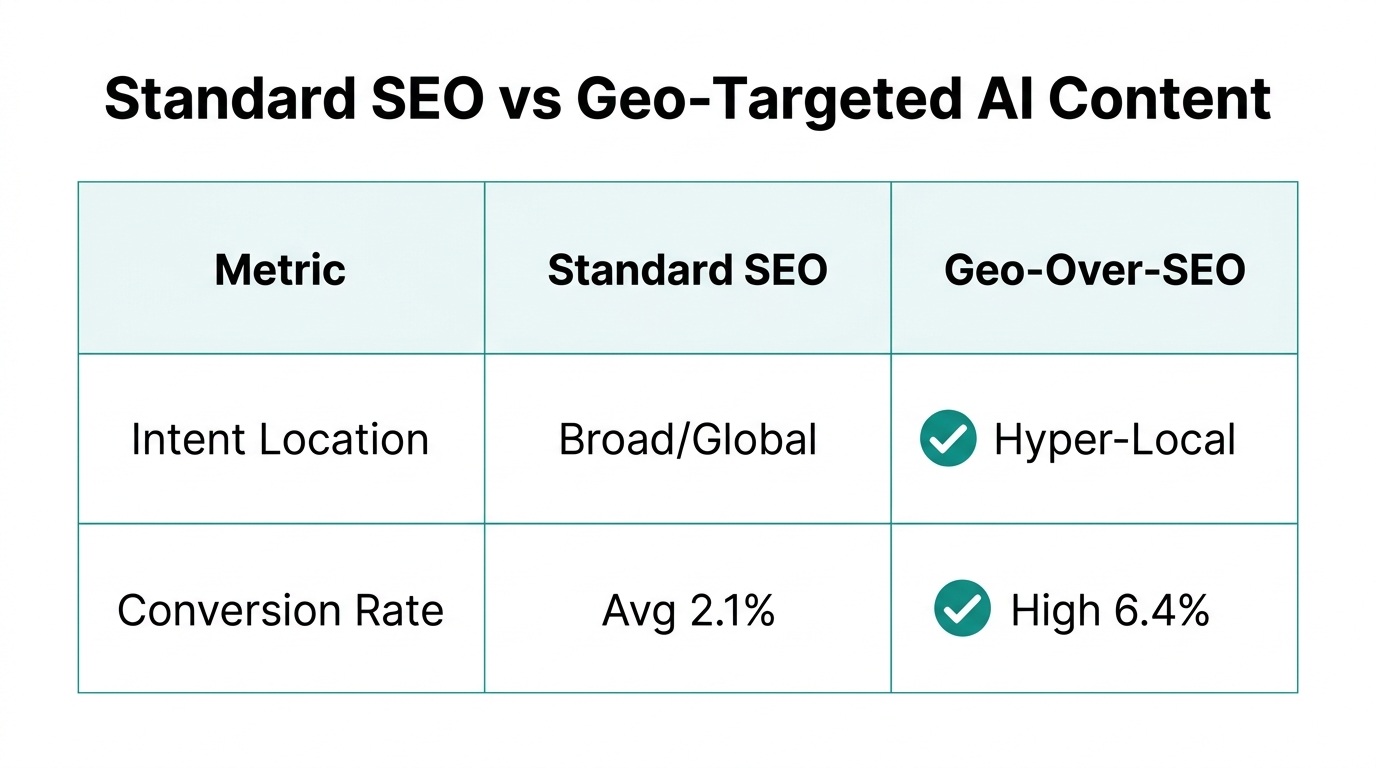
Traditional SEO is dying. In its place is GEO (Generative Engine Optimization). With AI agents like Amazon’s Rufus or Shopify’s Sidekick autonomously "shopping" for users, your product descriptions must be machine-readable first. This means using structured data and expert-backed claims to win the "AI Overview" snippet on Google or Perplexity.
According to Product Uploads, 2026 search behavior has shifted from short keywords to conversational scenarios. Instead of searching for "waterproof hiking boots," users ask AI: "Which boots are best for a muddy 10-mile hike in the Pacific Northwest for under $200?" Your Shopify app marketing and copy strategy must include scenario-based headings to capture these conversational leads.
The AI + Human Workflow
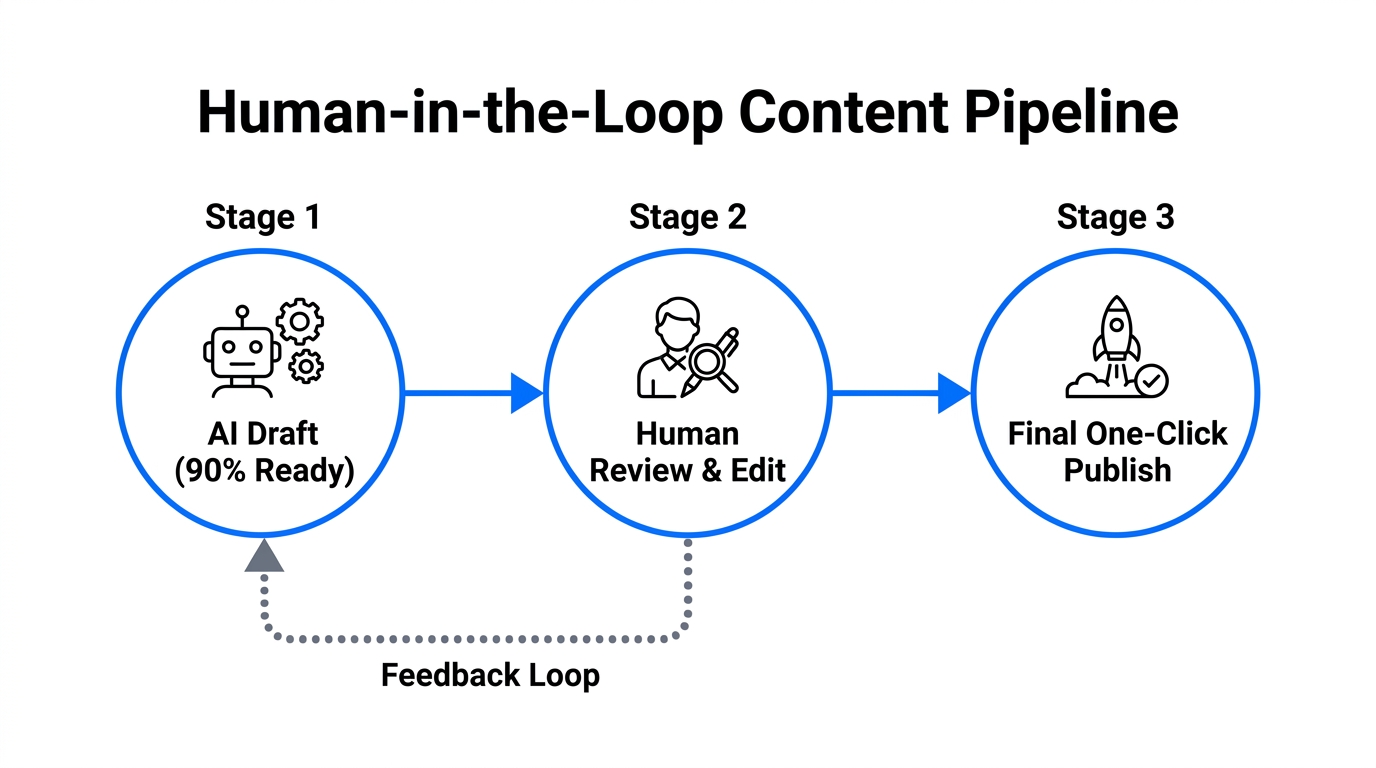
While AI can generate 700+ descriptions in under two hours—a task that previously took 13 weeks—the best brands use a "Review by Exception" strategy. You should use AI for 100% of your drafts but have a human editor spend 2 minutes on the top 20% of products that drive 80% of your revenue.
This is where Stormy AI becomes your most valuable teammate. While you focus on high-level brand strategy and "Hero" product copy, Stormy handles the messy back office:
- Inventory Monitoring: Stormy checks if your trending products are running low and drafts restock POs to suppliers automatically.
- Ad Reporting: Stormy pulls performance data from Meta Ads and Google Ads, flagging which dynamic PDPs are actually converting.
- Creator Ops: If a creator mentions your product on TikTok, Stormy can track the post, update your creator CRM, and send a personalized thank-you email.
"AI is making some founders significantly more profitable, but others just busier. The difference is applying AI to a clearly defined problem." — Jay Wright, Ecommerce Equation
Conclusion: Embracing the Autonomous Storefront
By the end of 2026, the distinction between "content" and "data" will have completely evaporated. Your product photos are data. Your visitor's browsing history is data. Multimodal AI is simply the engine that turns that data into a persuasive, high-converting story. By leveraging tools like the Tinker App and maintaining a human-in-the-loop verification process, you can scale your catalog infinitely without losing your brand soul.
If you're ready to stop doing the "messy work" of ecommerce and start acting like a true founder, it's time to hire an AI employee. Let Stormy AI handle the spreadsheets, the supplier follow-ups, and the inventory monitoring while you focus on the vision. The future of multimodal AI ecommerce is here—don't let your store get left behind in 2024.