Mastering the 'Gray Box' Model with the OpenClaw Influencer Order Tracking System
Learn how to balance AI autonomy and human oversight in 2026 using the OpenClaw Influencer Order Tracking System and Stormy AI influencer analytics for scale.
In 2026, the CMO's role has shifted from managing people to orchestrating a fleet of specialized agents. As the global influencer marketing market swells to a projected $34.1 billion, according to data from Charle Agency, the bottleneck for most brands is no longer discovery—it is oversight. We have officially entered the era of the agentic GTM strategy, where autonomous systems handle the administrative heavy lifting while humans retain the strategic veto. Central to this shift is the OpenClaw Influencer Order Tracking System, an open-source framework that has transformed how brands manage high-volume creator seeding campaigns.
The B2A Shift: Marketing in 2026
For decades, marketing was B2B or B2C. In 2026, we are witnessing the rise of B2A (Business-to-Agent) marketing trends. Companies are no longer just selling to humans; they are building systems that interact with other autonomous agents. This integration is particularly visible in creator commerce, where influencers function as active storefronts rather than mere advertisers. According to Digiday, "always-on" seeding is now the industry standard, requiring systems that can track thousands of orders across TikTok Shop and Instagram simultaneously.
The efficiency gains are undeniable, with some brands reporting returns as high as $18–$20 for every $1 spent when using automated attribution systems, as noted by Archive. However, this speed comes with a significant risk: the "black box" problem, where AI agents make decisions that lack brand alignment or cultural nuance.
"The future of marketing isn't fully autonomous; it's 'Gray Box'—where the AI provides the speed of execution, but humans provide the safety of approval."
Defining the 'Gray Box' Model
The "Gray Box" model, a term championed by experts like Dominique Rose Van-Winther in Marketing Interactive, represents the middle ground between manual labor and total AI autonomy. In a Gray Box workflow, the OpenClaw framework handles the discovery, logistics, and order tracking, but pauses before any external action is taken—such as sending a contract or shipping a product—to wait for human confirmation.
| Feature | Manual Outreach | Black Box AI | Gray Box (OpenClaw) |
|---|---|---|---|
| Discovery Speed | Slow (Hours) | Instant | Instant |
| Brand Safety | High | Low | High (HITL) |
| Scaling Potential | Limited | Infinite | High & Controlled |
| Error Rate | Human Error | Hallucination Risk | Verified by Agent |
Implementing Human-in-the-Loop (HITL) Workflows
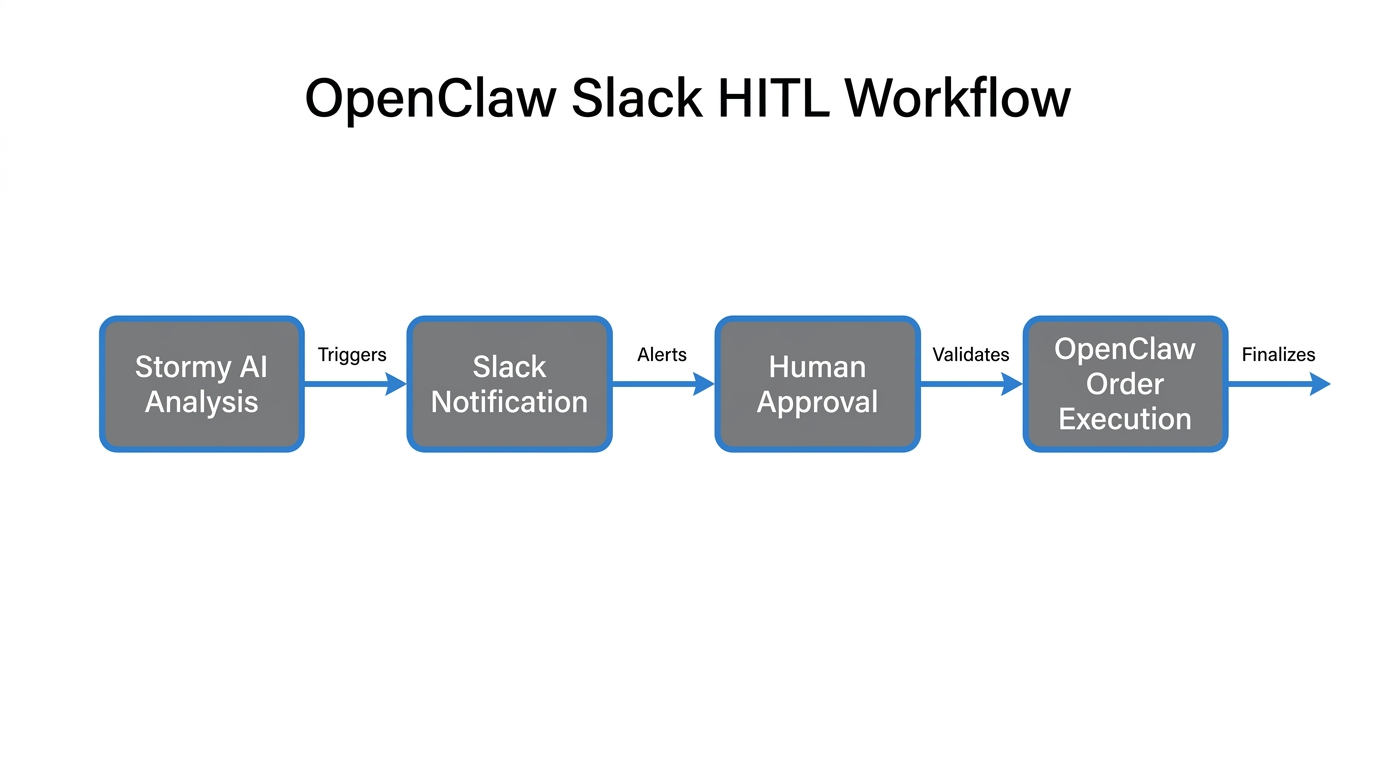
The OpenClaw Influencer Order Tracking System is built on top of a highly customizable, open-source framework (formerly known as Clawdbot). To achieve the Gray Box model, brands integrate OpenClaw with Slack or Discord. When the agent identifies a creator who fits the campaign criteria, it doesn't just email them. It drafts the outreach in a private Slack channel.
Using the SOUL.md protocol, the agent maintains persistent memory of past interactions, ensuring it doesn't double-contact influencers or use a tone that was previously rejected. A marketing manager then provides a "thumbs up" emoji to the message, which triggers the agent to send the email and log the event in a platform like Stormy AI for further analysis.
Security Boundaries: Preventing 'ClawJacked'
With 270,000 GitHub stars, the OpenClaw framework is widely used, but its popularity has made it a target. The "ClawJacked" vulnerability, highlighted by Mapify, exposed how locally-running agents with excessive permissions could be hijacked via malicious "skills" or prompt injection.
Effective AI marketing risk management requires setting strict security boundaries:
- Restricted Permissions: Never give an agent full API access to your primary payment gateways. Use intermediary accounts with spending caps.
- Hardened Baselines: Run your OpenClaw instance on a secure server like Tencent Cloud Lighthouse or a dedicated Hostinger VPS.
- Audit Logs: Ensure every action the agent takes is logged in a tamper-proof database to monitor for anomalous behavior.
"In the age of agents, security is no longer an IT problem—it's a marketing problem. A hijacked agent can burn through a monthly budget in minutes if left unchecked."
Monitoring Creative Fatigue Automatically
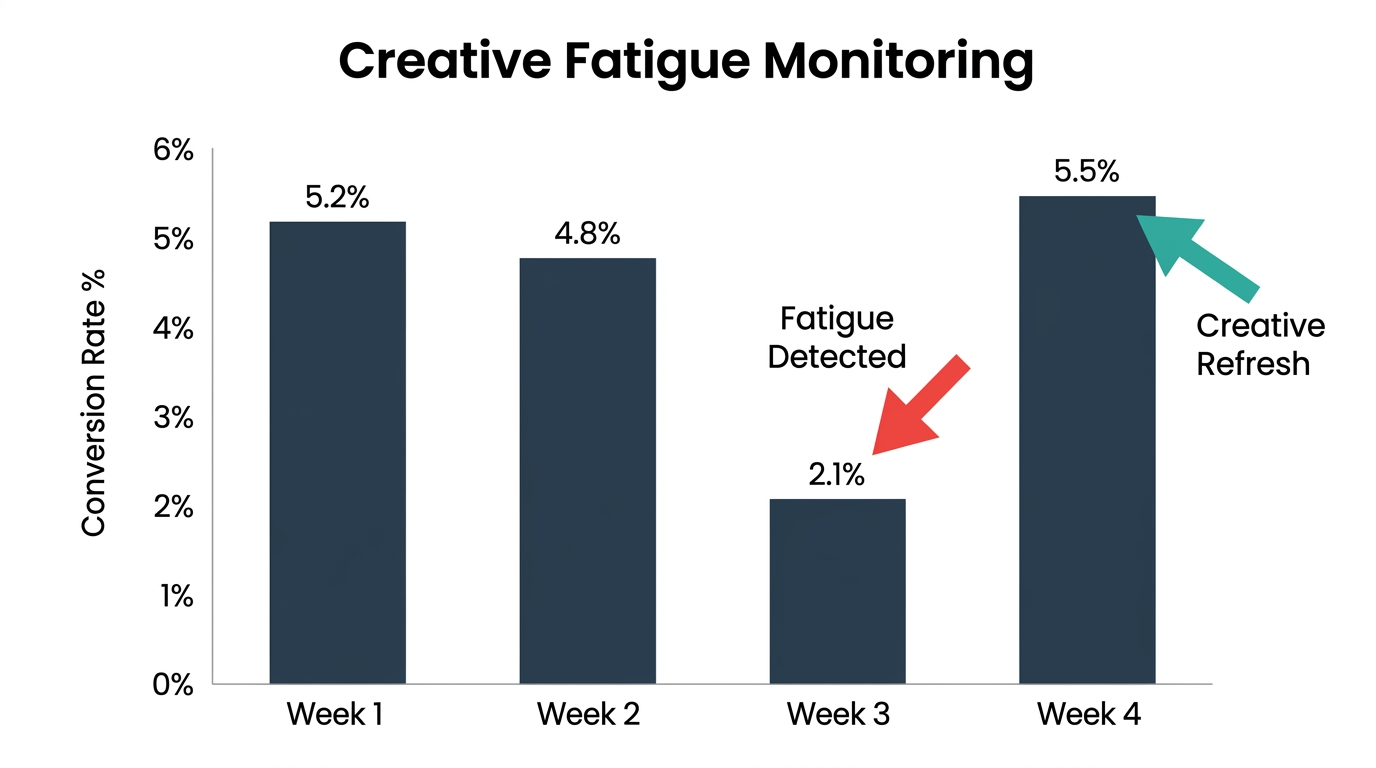
One of the most powerful features of the OpenClaw system is its ability to connect directly to commerce backends like Shopify or WooCommerce (using skills found on ClawHub). By matching shipping data with performance metrics from Meta or TikTok Ads Manager, the agent can detect "creative fatigue" in real-time.
If an influencer's ROAS (Return on Ad Spend) drops below a specific threshold, the OpenClaw agent automatically pauses the spend on those specific ads. It then alerts the marketing team and requests new content from the creator or suggests a new partnership based on Stormy AI influencer analytics. This prevents the common mistake of "Black Box" autonomy, where money is wasted on underperforming assets while the team is asleep.
Validating with Stormy AI Influencer Analytics
While OpenClaw handles the logistics and outreach, influencer campaign oversight is best managed through a specialized analytics layer. Before an agent-suggested partnership is finalized, brands use Stormy AI to validate the creator’s audience quality.
The Stormy AI platform detects fake followers and engagement fraud that basic scrapers might miss. By combining the autonomous discovery of OpenClaw with the deep vetting of Stormy AI, growth leads can ensure that every dollar of their 2026 budget is reaching real humans. This multi-layered approach is exactly how agencies like Alchemy London achieved a 4x revenue increase by automating the administrative "boring" parts of management while doubling down on creator quality.
The Implementation Playbook
If you are ready to deploy an agentic GTM strategy for your influencer campaigns, follow this 2026 playbook:
- Server Deployment: Set up a persistent instance of OpenClaw on a VPS to ensure your agent is online 24/7.
- Skill Selection: Visit ClawHub to install connectors for your specific tech stack (e.g., WooClaw-Lite or Shopify API).
- Establish the Gray Box: Connect your agent to a Slack channel and set up an approval workflow using the HITL (Human-in-the-Loop) model.
- Analytics Integration: Link your tracking system to Stormy AI to monitor post-tracking and engagement metrics in one central dashboard.
- Anomaly Detection: Program your agent to flag "untrackable" orders or creators whose performance deviates from the mean.
"Automation without attribution is just expensive guesswork. The modern growth stack requires agents that can see all the way from the first DM to the final delivery."
Conclusion: The Future of Agentic Marketing
The OpenClaw Influencer Order Tracking System is not just a tool for saving time; it is a strategic asset for brands looking to scale in the complex social commerce landscape of 2026. By adopting the Gray Box model, CMOs can leverage the raw power of AI agents while maintaining the influencer campaign oversight necessary to protect their brand and maximize ROI.
Whether you are reducing WISMO ("Where Is My Order?") tickets by 65% on WhatsApp or using Stormy AI to vet a new batch of 500 micro-influencers, the goal remains the same: human strategy, augmented by agentic execution. Don't let your marketing department get left behind in the B2A shift—start building your autonomous pipeline today.