How to Manage Synthetic Influencer Campaigns in 2026 using Synthesia
Learn how to scale AI influencer marketing in 2026. Use Synthesia for synthetic brand ambassadors, automate video production, and achieve 300% ROI with AI agents.
The AI marketing landscape in 2026 has moved past the initial era of experimentation into a phase of operational orchestration. As brands face a "zero-click" reality where 58–60% of Google searches end without a single click, the demand for immersive, high-volume video content has skyrocketed. The solution isn't just hiring more creators; it is the rise of synthetic brand ambassadors. By leveraging Synthesia and AI-native workflows, growth agencies are now scaling video production by 4.7x while slashing operational costs by nearly 40%.
The Rise of Synthetic Influencers: Bypassing Volatility

In 2026, the volatility and high cost of human creators have led many brands to diversify their portfolios. While human connection remains vital, the AI influencer marketing 2026 trend is defined by stability and near-infinite scalability. Synthetic influencers do not get involved in PR scandals, they do not miss deadlines, and they can speak 120+ languages fluently in a single click.
According to research from Digital Agency Network, AI-native agencies are delivering 25–45% higher ROI than traditional firms. By utilizing synthetic avatars, brands can maintain a consistent visual identity across thousands of personalized video variations, ensuring that the "human soul" of the brand is represented by a perfectly controlled digital twin.
"AI doesn’t fix broken operations; it scales them. If your brief is bad, AI just gives you a bad campaign 10x faster." — Robert Burko, CEO of Elite Digital
Using Synthesia for URL-to-Video Production
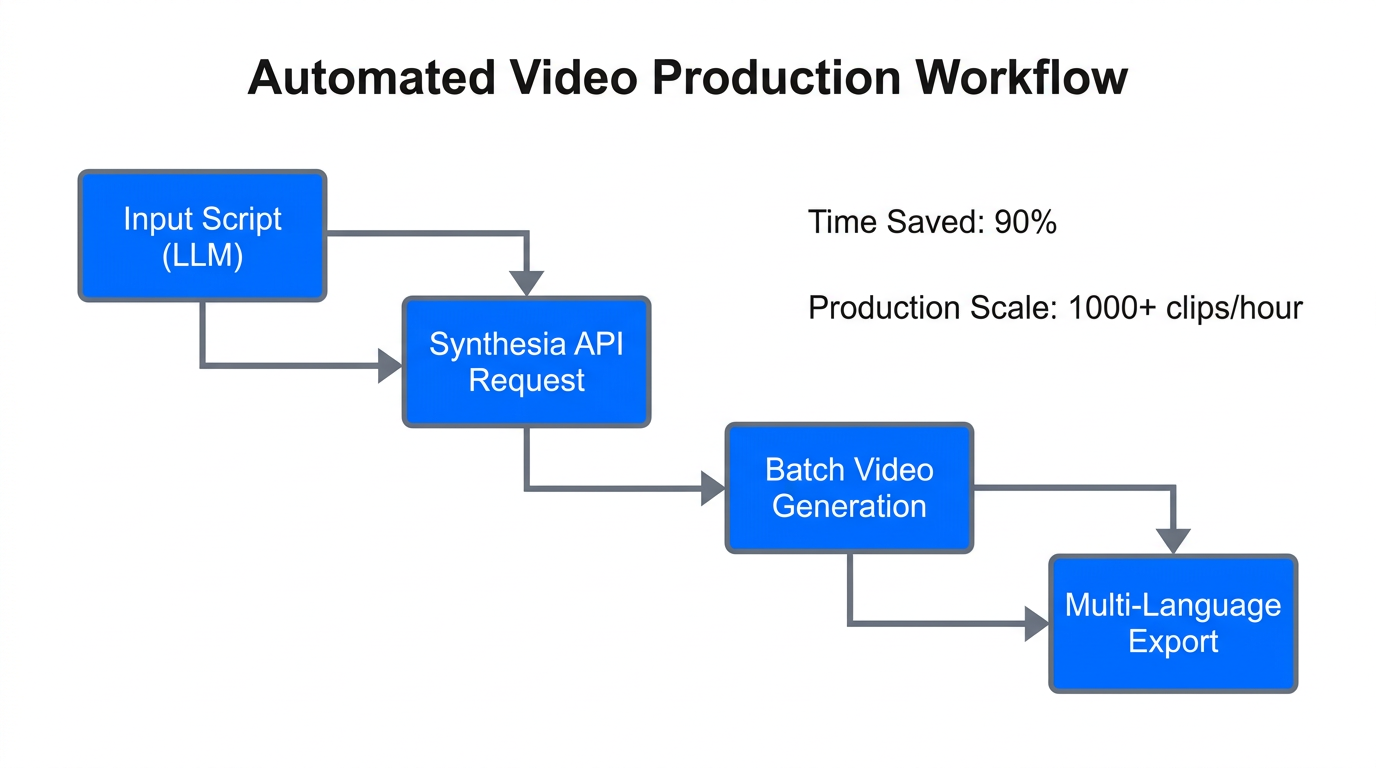
The most significant breakthrough in 2026 for video scaling is the URL-to-Video workflow. Platforms like Synthesia allow growth teams to input a product landing page URL and instantly generate a script, storyboard, and a high-fidelity synthetic avatar video.
For agencies like NoGood and GrowthSpree, this means the ability to pump out 20+ ad variations for a single product in minutes. This level of AI content scaling strategy allows for rapid multivariate testing on platforms like TikTok Ads Manager and Meta, identifying winning creative hooks before a human editor would even have finished a first draft.
- Personalization at Scale: Dynamic insertion of user names or localized data into the avatar's speech.
- Cross-Platform Adaptation: Automatically resizing and re-scripting videos for LinkedIn, YouTube Shorts, and Instagram Reels.
- Cost Efficiency: Reducing the need for expensive studio space, lighting crews, and multiple human talent fees.
| Feature | AI-Native Strategy | Traditional Production |
|---|---|---|
| Execution Speed | Same-day / 48 hours | 2–6 weeks |
| Base Cost | 30-50% lower | High retainer/production fees |
| Scalability | Near-infinite | Limited by headcount |
| Global Reach | Instant translation (120+ languages) | Manual dubbing/subtitling |
Case Study: How Coca-Cola Produced 70,000 Clips
The gold standard for synthetic content at scale was set by Coca-Cola. Partnering with WPP’s Studio X, the brand utilized generative AI to produce a staggering 70,000 video clips in just 30 days for their global campaigns. This was not just about volume; it was about hyper-localization.
As reported by Marketing Week, this strategy resulted in a 5-20% month-over-month sales increase across 1,000 test outlets. By using synthetic brand ambassadors to deliver personalized messages based on local trends and data, Coca-Cola demonstrated that AI doesn't just reduce costs—it drives incremental revenue.
"The middle is disappearing. Content is merging to look identical, so the advantage shifts back to high-end 'taste'—knowing which 9 out of 10 AI ideas to delete." — Taryn Crouthers, CEO of Spcshp
Overcoming the 'Uncanny Valley' and AI Slop
While the potential is massive, 2026 has also seen a backlash against "AI Slop"—generic, low-effort content that feels soulless. A major Dutch brand recently saw a 15% drop in sentiment after releasing a holiday ad that consumers found "uncanny" and disconnected from human emotion.
To succeed with AI influencer marketing 2026, agencies must use a "Human-in-the-loop" model. This involves recording real client calls or human interactions (using tools like Fathom) to extract the authentic "Voice of Customer" phrases. These nuances are then fed into the AI to ensure the synthetic influencer mimics real human empathy and speech patterns.
The Hybrid-Orchestration Playbook for 2026
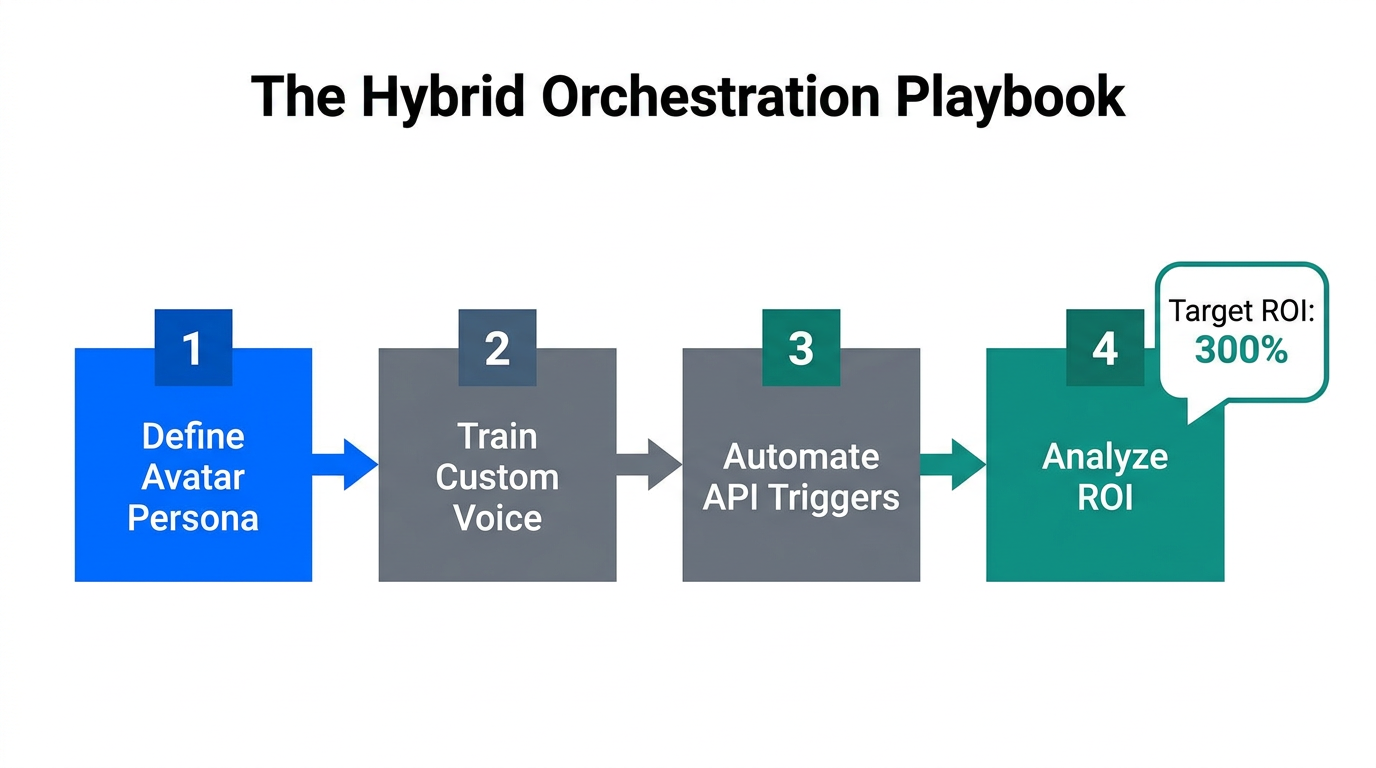
If you are managing synthetic campaigns, follow this 4-step execution framework used by the world's most profitable AI agencies:
- Data Ingestion: Use tools like n8n to feed first-party customer data and real human conversations into your private LLM to define the avatar’s personality.
- Creative Extraction: Identify the high-performing hooks from your human influencers. Platforms like Stormy AI are invaluable here for analyzing which creators are driving the most engagement so you can license their "vibe" for your synthetic twins.
- Asset Generation: Deploy Synthesia synthetic video agents to generate the base videos, then use Canva or CapCut for final polish.
- Agentic Distribution: Use autonomous agents to publish and adjust budgets on Meta Ads Manager based on real-time performance signals.
By integrating Stormy AI into this workflow, you can bridge the gap between human talent and synthetic scaling. Use Stormy to find the top 1% of human creators who resonate with your audience, then collaborate with them to create the "master" assets that your AI will then replicate and localize globally.
"Marketers are playing checkers while data companies are playing chess. The winners are connecting data, not just collecting it." — Bill Bruno, CEO of Celebrus
Conclusion: The Era of the Digital Ambassador

Managing synthetic influencer campaigns in 2026 requires more than just a subscription to a video tool; it requires strategic orchestration. As AI-native agencies deliver an average 300% ROI within six months, the competitive advantage belongs to those who can combine the speed of AI with the "taste" of a human creative director.
Whether you are using Synthesia to localize global ads or Stormy AI to vet the creators you intend to clone, the goal remains the same: meaningful connection at a scale that was impossible just two years ago. Don't just automate; orchestrate. The future of brand storytelling is synthetic, but its heart must remain human.