GEO for E-commerce: How to Optimize Your AI Social Media Manager for ChatGPT Search in 2026
Learn how Generative Engine Optimization (GEO) is replacing SEO in 2026. Optimize your e-commerce brand for ChatGPT Search and AI-driven social commerce feeds.
The digital storefront has undergone a radical transformation. In 2026, the traditional search bar is increasingly becoming a relic of the past, replaced by conversational AI agents that don't just find links—they provide answers. For e-commerce brands, this shift means that ranking #1 on a Google Search Results Page is no longer the ultimate goal. Instead, the new frontier is Generative Engine Optimization (GEO). As AI-powered personalized feeds now control over 80% of content recommendations on social platforms, your ability to appear in the "search summaries" of ChatGPT, Claude, and Google AI Overviews is what will determine your brand's survival. This guide explores how to pivot your strategy to win in the age of agentic commerce.
What is GEO? Moving Beyond Keywords to AI-Driven Summaries
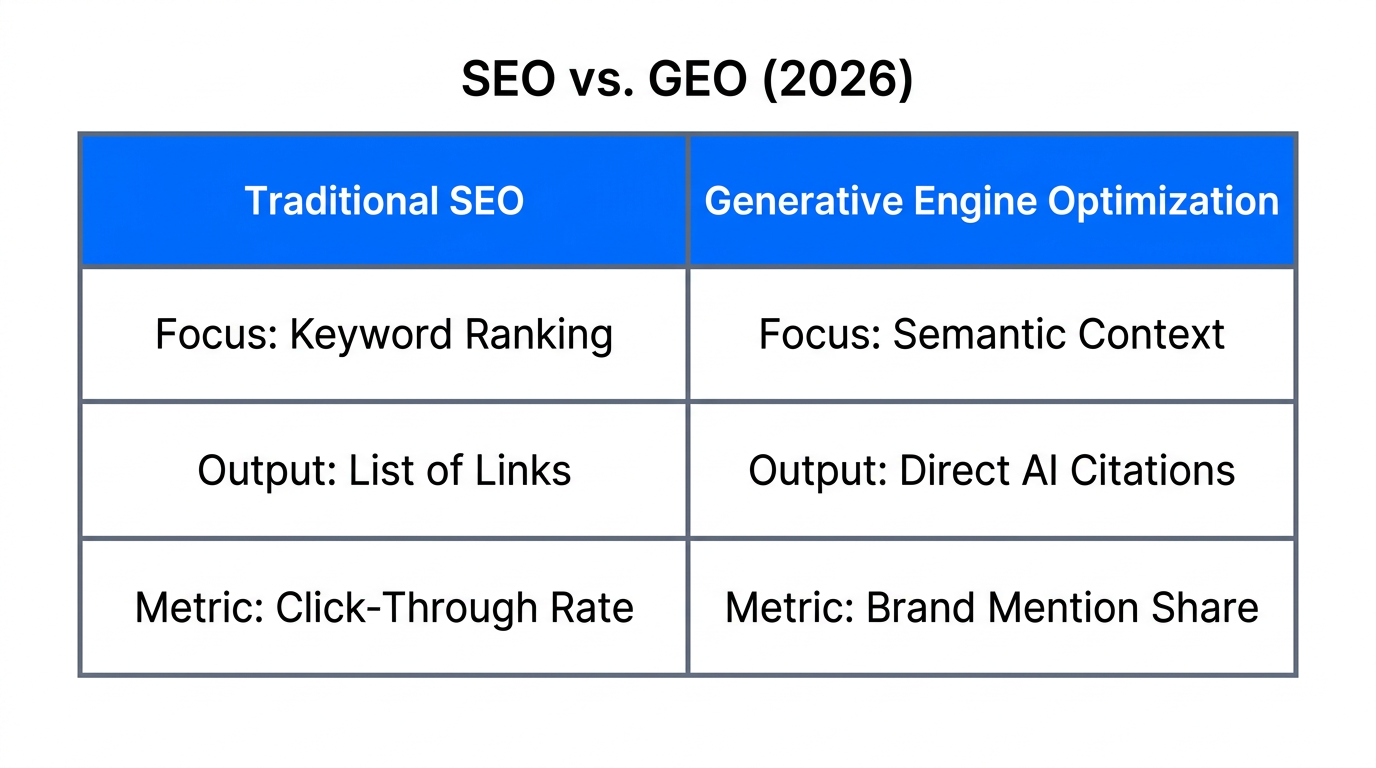
Generative Engine Optimization (GEO) is the successor to traditional SEO. While SEO focused on keyword density and backlink profiles to appease crawlers, GEO focuses on contextual relevance and authoritative citation to satisfy Large Language Models (LLMs). In 2026, when a consumer asks ChatGPT Search, "What is the best eco-friendly skincare routine for sensitive skin?" the AI doesn't return a list of websites; it synthesizes a personalized response using the most reliable data it can find.
To succeed in GEO, brands must move toward a "Human-in-the-loop" model. As expert Mandee Banga notes, AI works best as a content partner. While your AI social media manager can handle the volume, humans must ensure the brand voice remains nuanced enough for LLMs to recognize it as a distinct, authoritative source.
| Feature | Traditional SEO (2020-2024) | Generative Engine Optimization (2026) |
|---|---|---|
| Primary Goal | High Ranking for Specific Keywords | Inclusion in AI Search Summaries |
| Content Focus | Keyword Density & Meta Tags | Authoritative Context & Citations |
| Discovery Path | User Clicks a Link | AI Recommends the Product Directly |
| Success Metric | Click-Through Rate (CTR) | Conversion via AI Assistant/Agent |
The 80% Rule: How AI-Powered Feeds Control Modern Discovery
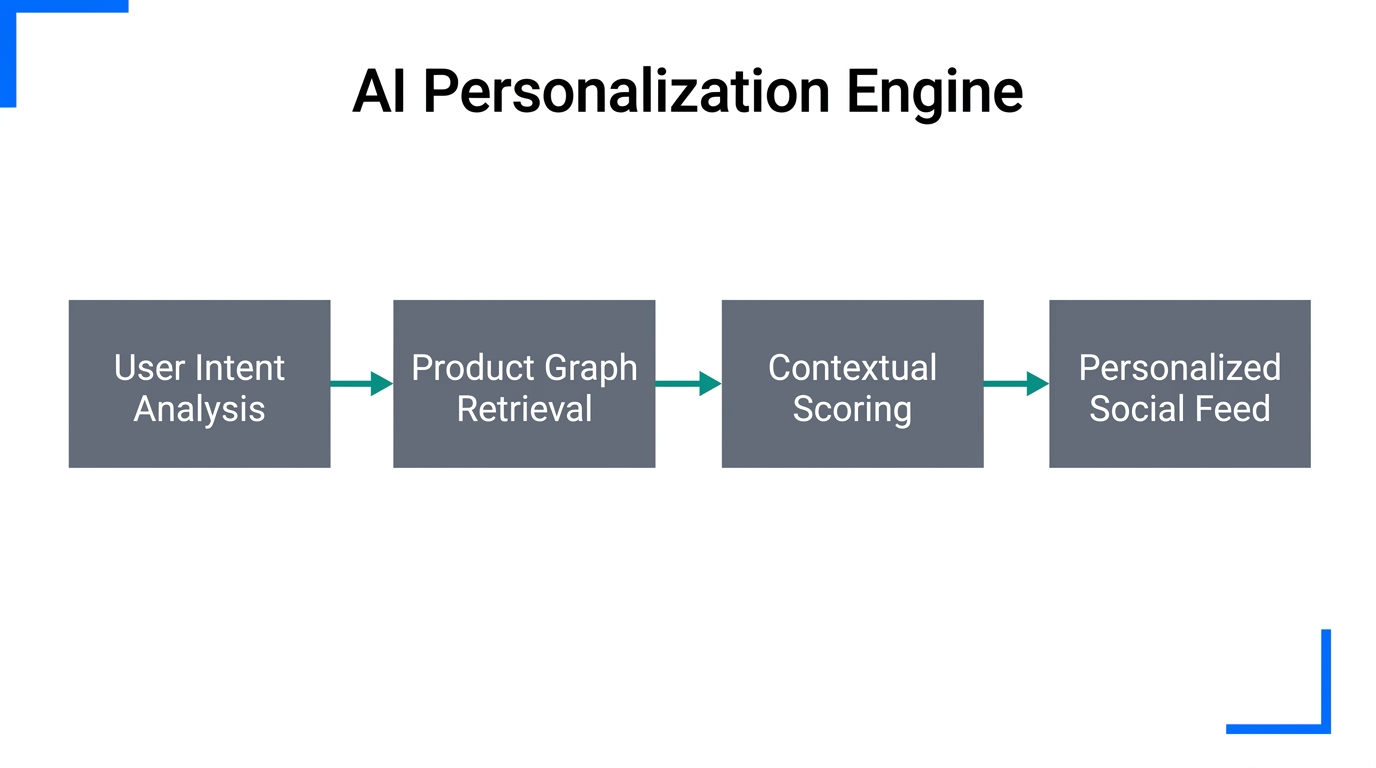
In 2026, social media is no longer a chronological stream; it is a hyper-personalized shopping mall. Research from McKinsey & Company indicates that nearly 90% of social media professionals now use AI weekly, largely to manage these algorithmically driven environments. AI now dictates 80% of what users see, creating unique storefronts for every individual based on real-time behavior.
This level of personalization means your content must be optimized for "agentic discovery." Platforms like TikTok Ads Manager and Meta have integrated AI so deeply that they can predict buying intent before a user even searches for a product. Brands that leverage AI content generation report a 15–25% increase in engagement rates because the content feels natively tailored to the user's specific subculture.
"In 2026, you aren't ranking for keywords; you're ranking for citations in the consumer's personal AI research cycle."
Optimizing Product Descriptions for ChatGPT Search and AI Overviews
To be featured in a ChatGPT Search summary or a Google AI Overview, your product descriptions must be more than just marketing fluff. They need to be highly structured and factually dense. AI agents look for specific data points to validate their recommendations.
- Use Semantic Structure: Organize descriptions with clear headers (e.g., "Best Use Case," "Key Ingredients," "Sustainability Metrics").
- Focus on Problem-Solving: AI often searches for solutions. Instead of saying "This is a high-quality vacuum," use "This vacuum is optimized for removing pet hair from hardwood floors without scratching."
- Leverage Schema Markup: Ensure your website uses the latest Schema.org structures so AI crawlers can instantly identify price, availability, and user ratings.
Real-world examples like eBay show the power of this approach. By using AI-driven image recognition and structured data, they’ve seen a 15% increase in engagement by making their products more "findable" by non-human agents.
Strategies for Appearing in 'Best Product' Recommendations
When an AI agent performs consumer research, it looks for consensus. It scans social media sentiment, professional reviews, and UGC (User-Generated Content). If you want to be the "top pick" in a ChatGPT shopping advice session, you must influence the entire digital ecosystem around your brand.
This is where social proof becomes a technical requirement. AI models are trained on vast datasets that include Reddit threads, YouTube transcripts, and TikTok comments. To ensure the AI views your product favorably, you need a high volume of authentic mentions. Using platforms like Stormy AI allows brands to find and outreach to creators who can generate the exact type of high-authority UGC that LLMs use as training data. When hundreds of creators mention your product's specific benefits, the AI starts to recognize those benefits as "facts."
"The AI in social media market is projected to reach $12 billion by 2031—a 471% growth trajectory from 2021."
The Future of Social Commerce: Native Checkout and AI Storefronts
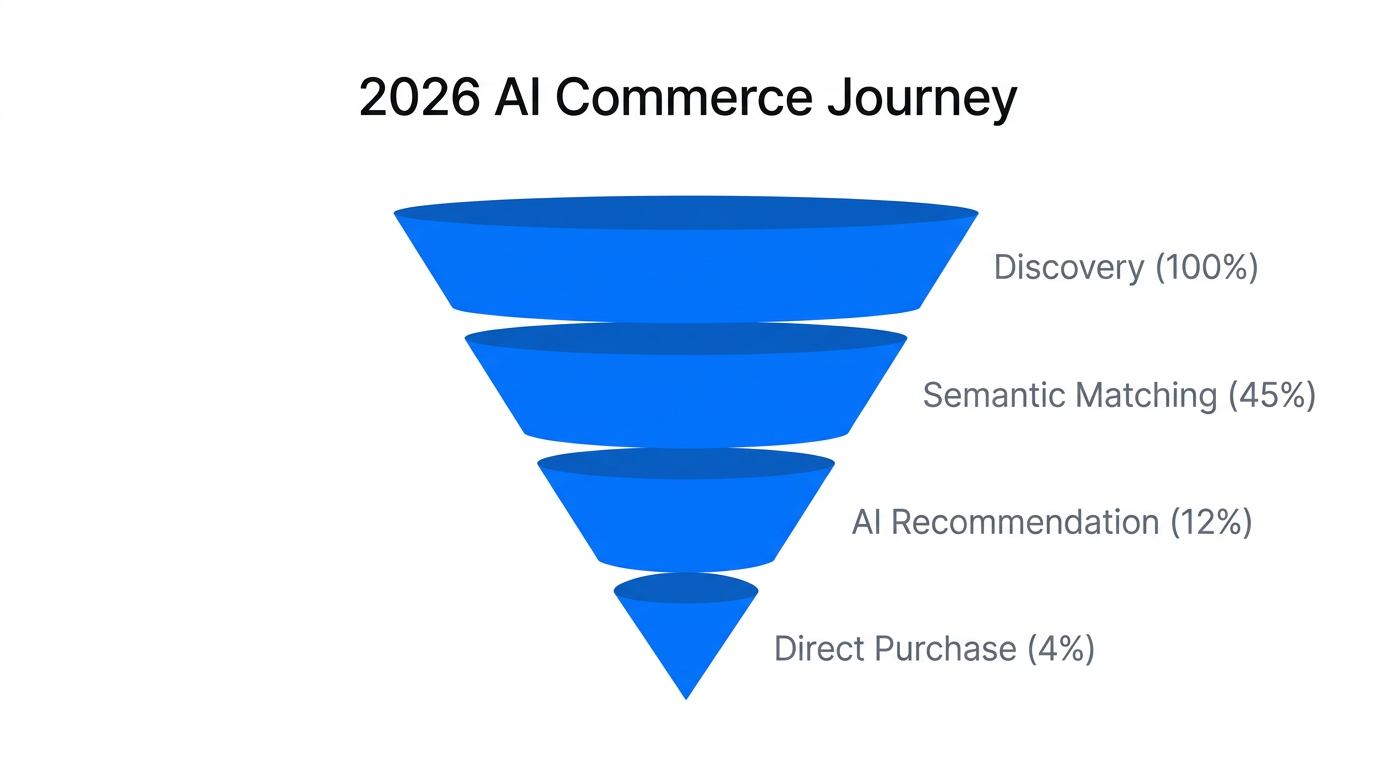
By the end of 2026, social commerce is expected to drive over 10% of all e-commerce, according to Digital Commerce 360. The friction between "seeing a product" and "buying a product" has been eliminated through native checkout features on TikTok and Instagram.
However, the real game-changer is AI-driven storefronts. These are dynamic shopping experiences where the product lineup changes in real-time based on the user's conversation with an AI assistant. Brands like Sephora have already pioneered this with AI virtual assistants that manage inquiries 24/7, providing personalized recommendations that significantly boost conversion rates.
The 2026 GEO Playbook for E-commerce Success
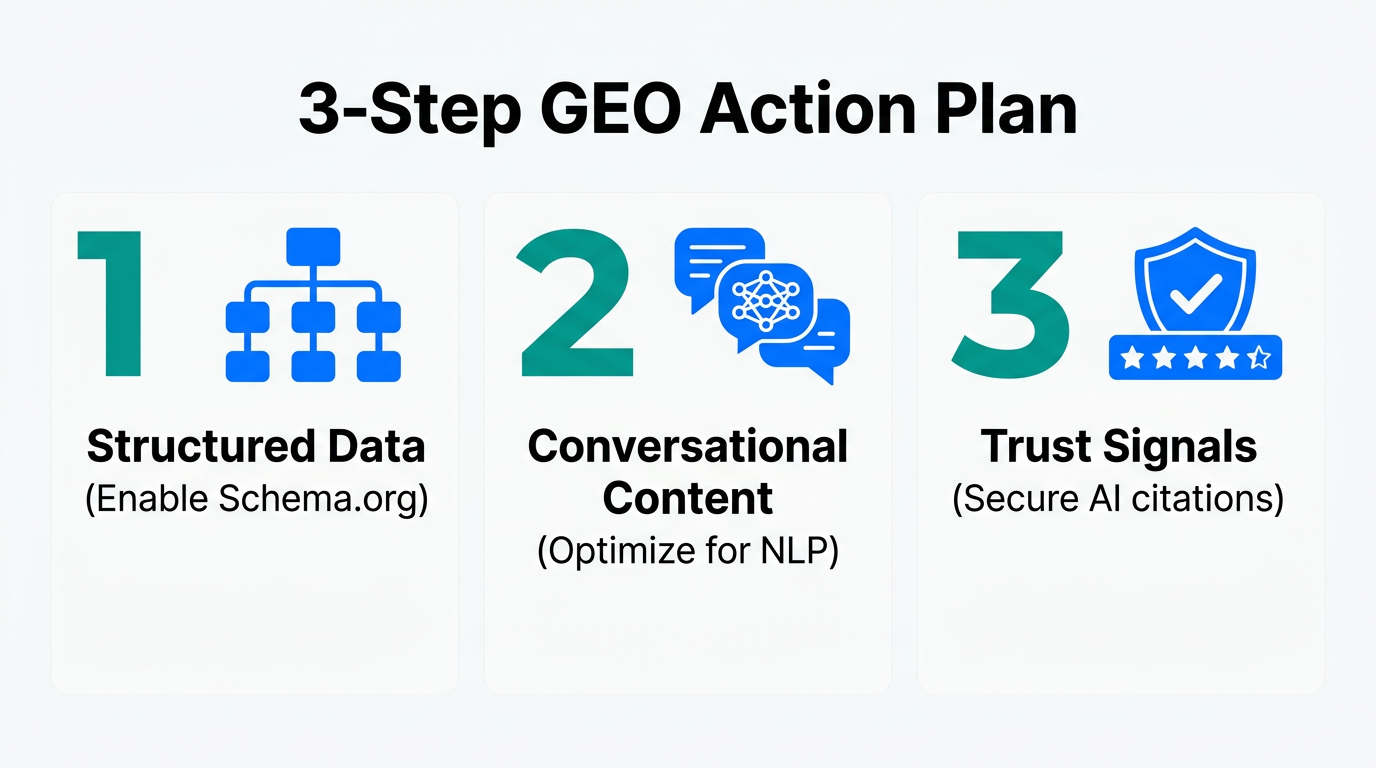
If you want your e-commerce brand to thrive in this new landscape, you need an agentic workflow that prioritizes proactiveness. As Enver Cetin points out, the 2026 era is defined by tools that suggest ideas *before* you ask for them.
Step 1: Automated Trend Detection
Use AI social listening tools to identify emerging trends before they hit the mainstream. Your AI social manager should be scanning for "problem-aware" conversations where your product provides the solution.
Step 2: The Product-to-Post Pipeline
Don't just post photos. Use tools like Predis.ai to turn a product URL into a week’s worth of platform-specific content. Ensure your scripts are optimized for both human engagement and AI indexing by including clear, descriptive language.
Step 3: Deploy Dynamic Creative Optimization (DCO)
During a product launch, use DCO to swap headlines and visuals in real-time. This ensures that whichever version of your product post is performing best with the AI recommendation engines gets the most budget. This approach helped Zalando achieve a 20% conversion rate lift through tailored ML-driven ads.
Step 4: AI-Powered Community Management
Use AI to categorize DMs into "Buying Intent" vs. "Support Request." Tools like ManyChat can automate this process, sending high-value leads directly to your sales team while handling routine questions instantly.
Conclusion: Adapting to the Age of Generative Commerce
The transition from SEO to GEO is not just a technical change; it is a shift in how we understand the relationship between brands and consumers. In 2026, e-commerce success belongs to those who can feed the "generative engine" with high-quality, authentic, and structured data. By optimizing for ChatGPT Search and leveraging AI-powered social discovery, you ensure that your products don't just exist in the digital abyss—they become the preferred answers for your target audience.
Whether you are using Canva Magic Studio for visuals or Stormy AI for creator discovery, the goal is the same: scale your presence without losing your soul. The future of commerce is automated, but it must remain human-centric to win.