Generative Engine Optimization (GEO) for Shopify: The OpenClaw Strategy for 2026
Master Generative Engine Optimization (GEO) in 2026. Learn how Shopify brands use OpenClaw and 'Entity Clarity' to dominate AI search results and recommendation share.
In 2026, the traditional search engine results page (SERP) has become a relic of the past. For the 6.9 million merchants operating on Shopify, the battle for visibility is no longer fought over blue links and meta descriptions. It is fought in the latent space of Large Language Models (LLMs). We have officially entered the era of Generative Engine Optimization (GEO), where the goal isn't just to rank, but to be the definitive answer provided by AI agents like ChatGPT Search, Claude, and Apple Intelligence.
Why Traditional SEO is Dead: The Shift to GEO in 2026
Traditional SEO was built on the premise of driving traffic to a website. In 2026, consumers are increasingly using "shopping agents" that negotiate and purchase products on their behalf. According to data from MarTech, Agent-to-Agent (A2A) commerce is now a standard, where a user’s personal AI interacts directly with a brand's digital employee to finalize a transaction without the user ever clicking a link.
This shift has birthed Generative Engine Optimization (GEO). Instead of keyword density, GEO focuses on Recommendation Share—the frequency and authority with which an AI model recommends your brand. With the Agentic AI market hitting $60.43 billion this year, merchants who fail to adapt their AI search marketing strategy risk becoming invisible to the very systems making 2026's buying decisions.
"Traditional search was about being found; GEO is about being chosen by the machines that do the finding."
OpenClaw: The Infrastructure for Machine-Readable Inventory
To dominate GEO, your store must be legible to AI crawlers. This is where OpenClaw machine-readable data becomes essential. OpenClaw (formerly known as Clawbot) has seen explosive growth, surpassing 280,000 GitHub stars in early 2026, according to The New Stack. It serves as an open-source framework that allows Shopify merchants to deploy "Clawbots"—autonomous agents that manage store data for AI consumption.
The core of a Shopify GEO 2026 strategy involves using OpenClaw to generate and maintain llms.txt files. This new industry standard, documented at llmstxt.org, provides a structured, text-based map of your entire inventory, specifically designed for LLMs to ingest. By deploying these files via OpenClaw, you ensure that when an AI agent asks, "What are the most durable eco-friendly home goods?", your products are indexed with 100% accuracy.
llms.txt file is the 2026 equivalent of having a perfect XML sitemap in 2015.From Keyword Stuffing to 'Entity Clarity'
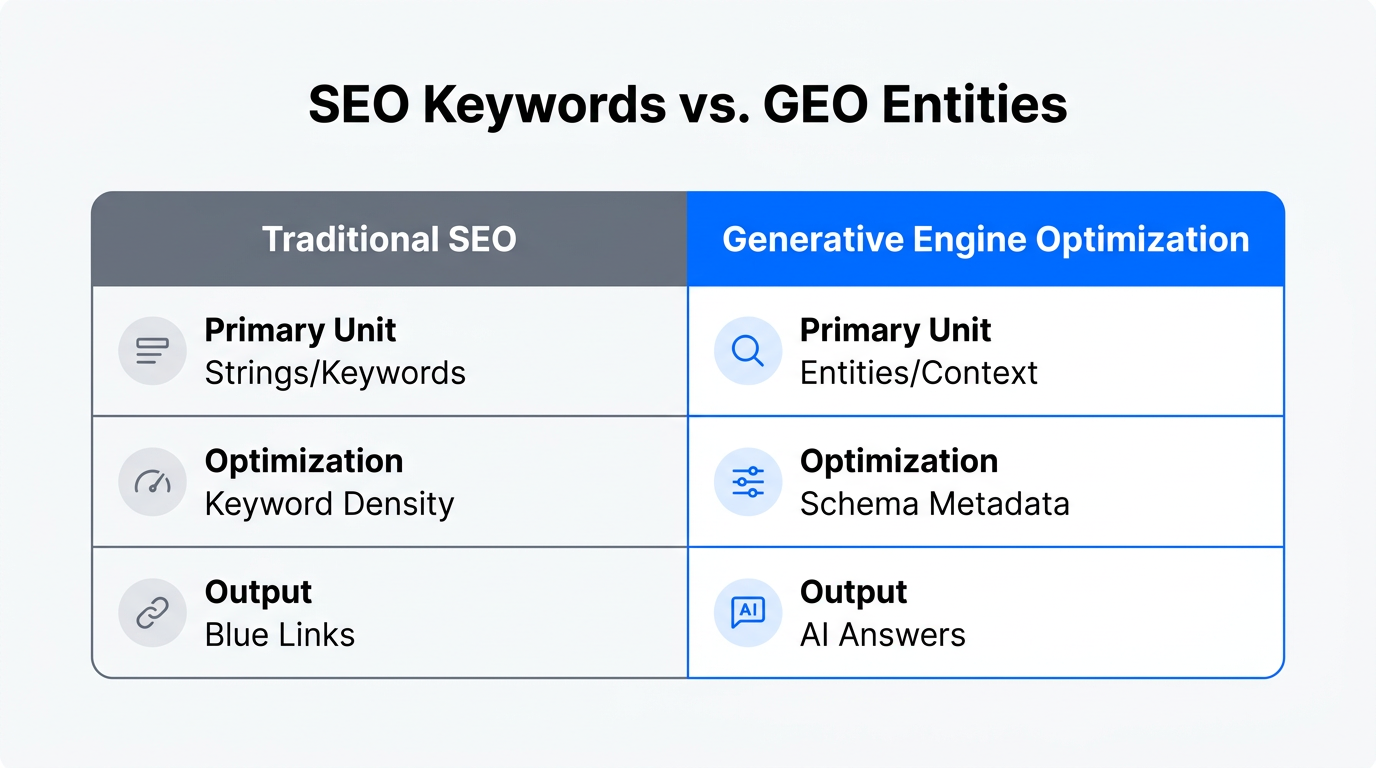
In the old world, we optimized for "best running shoes." In 2026, we optimize for Entity Clarity. LLMs understand the world as a graph of interconnected entities. Entity clarity e-commerce means ensuring that the AI understands exactly what your brand is, what problems it solves, and how it differs from competitors in a way that is logically irrefutable.
To achieve this, merchants are using Composio to connect their Shopify backend to LLMs via the Model Context Protocol (MCP). This creates a real-time bridge where the AI doesn't just guess what's in stock; it has direct knowledge. When your store data is perfectly structured, AI models view your brand as a "High-Confidence Entity," leading to a higher Recommendation Share.
Automating Schema Across 6.9 Million Shopify Stores
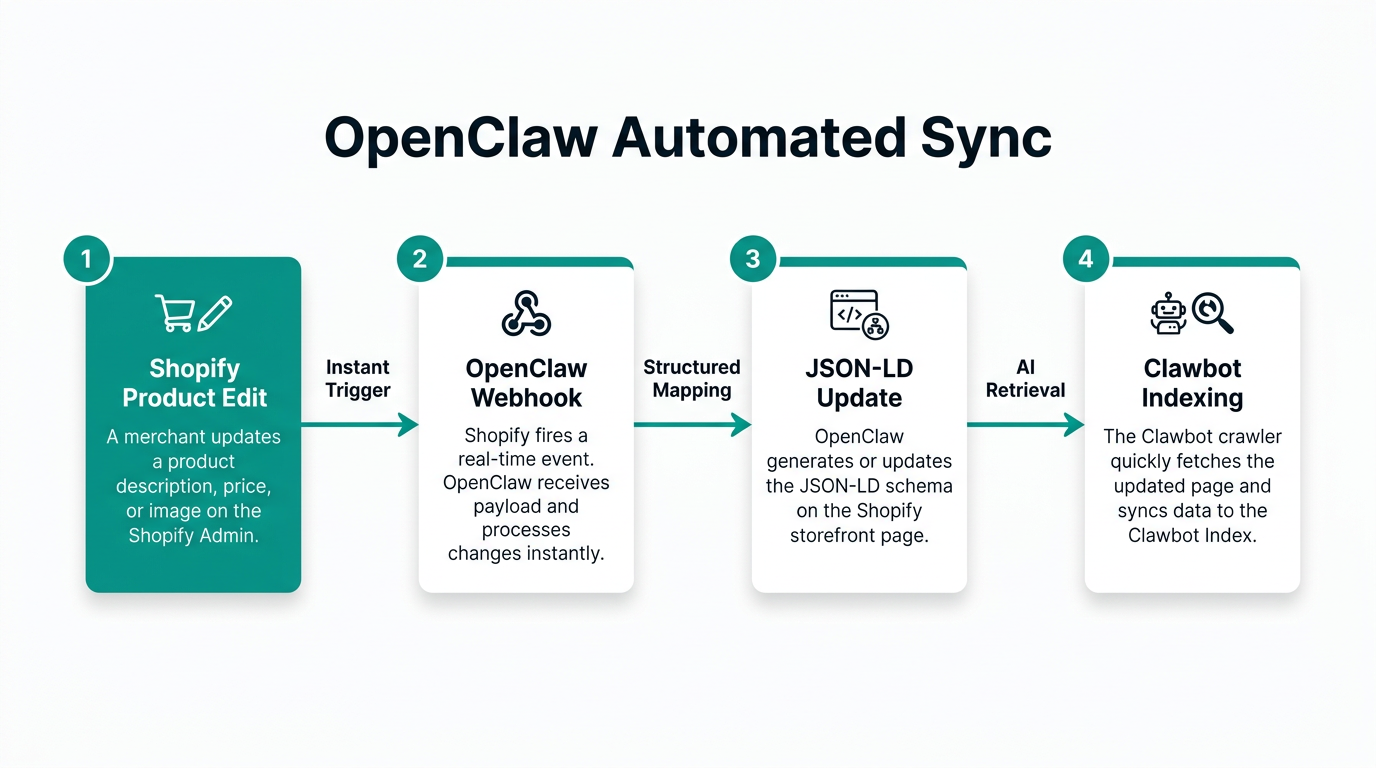
Managing structured data manually is impossible at scale. With Shopify's revenue projected to exceed $12 billion this year, the platform's ecosystem has moved toward autonomous data management. Tools like Adzviser and Stormy AI are being used to automate the enrichment of product feeds with AI-optimized schema.
| Feature | Traditional SEO (2020) | Shopify GEO (2026) |
|---|---|---|
| Primary Goal | Google Ranking | Recommendation Share |
| Optimization Focus | Keywords & Backlinks | Entity Clarity & LLM Readability |
| Tooling | Ahrefs / Semrush | OpenClaw / Composio |
| Data Format | HTML / Metadata | llms.txt / MCP Schema |
By using OpenClaw 'Clawbots', merchants can automatically update their schema whenever a product attribute changes. This prevents "hallucination risks"—a major pain point where AI agents might invent shipping rates or product features. Ensuring your data is fresh and machine-readable is the only way to maintain trust with the generative engines.
The Role of Clawbots in Boosting Recommendation Share
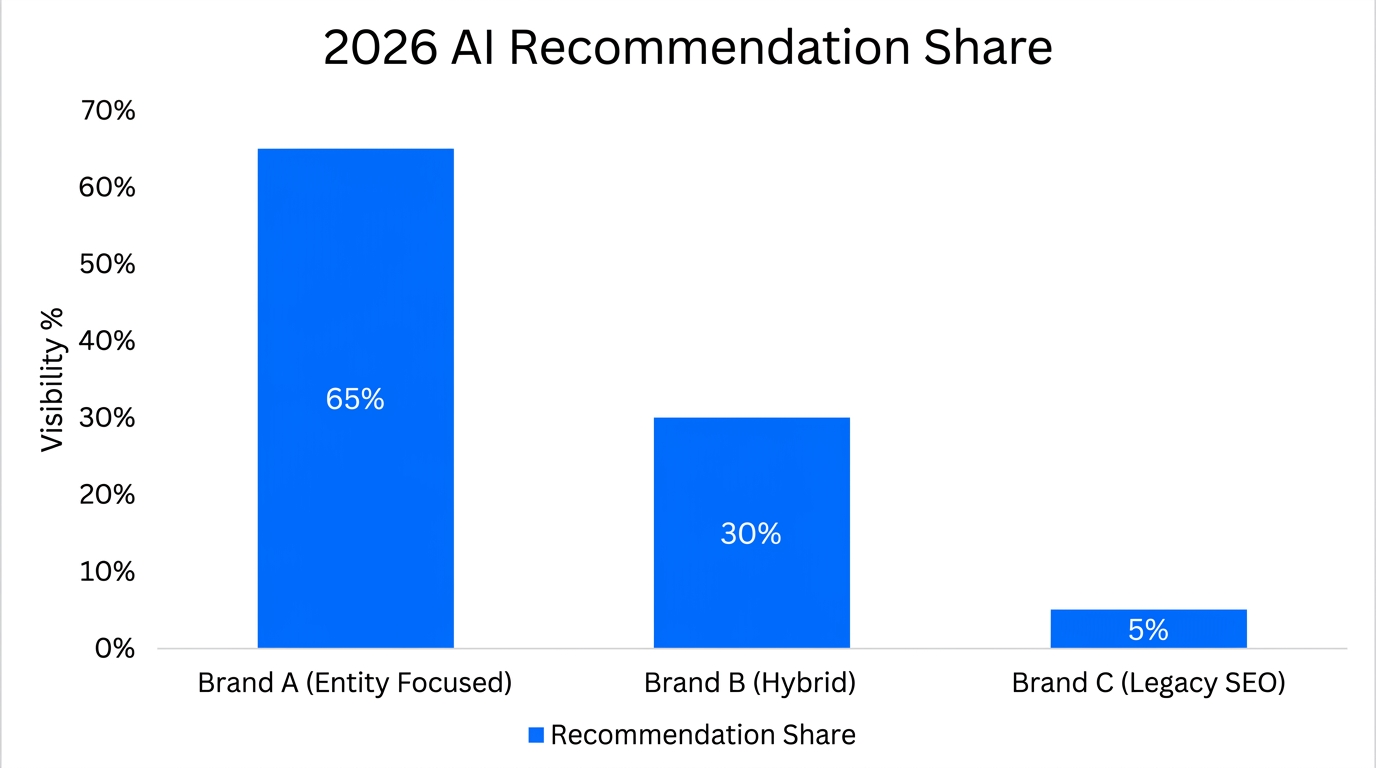
A "Clawbot" is essentially a digital employee. High-growth brands are now deploying these agents to perform autonomous outreach and reputation management. For example, platforms like Stormy AI allow brands to find and contact influencers whose content is frequently cited by LLMs as authoritative sources.
When an influencer reviews your product on TikTok or YouTube, that content is ingested by AI models. If a Clawbot identifies a gap in your Entity Clarity, it can trigger an outreach campaign via Stormy AI to secure mentions on high-authority platforms, effectively "seeding" the LLM's training data or retrieval-augmented generation (RAG) buffers with positive, factual information about your brand.
"In 2026, your 'backlink profile' is actually your 'knowledge graph footprint.' If the AI doesn't see you in the data, you don't exist."
The GEO Implementation Playbook for 2026
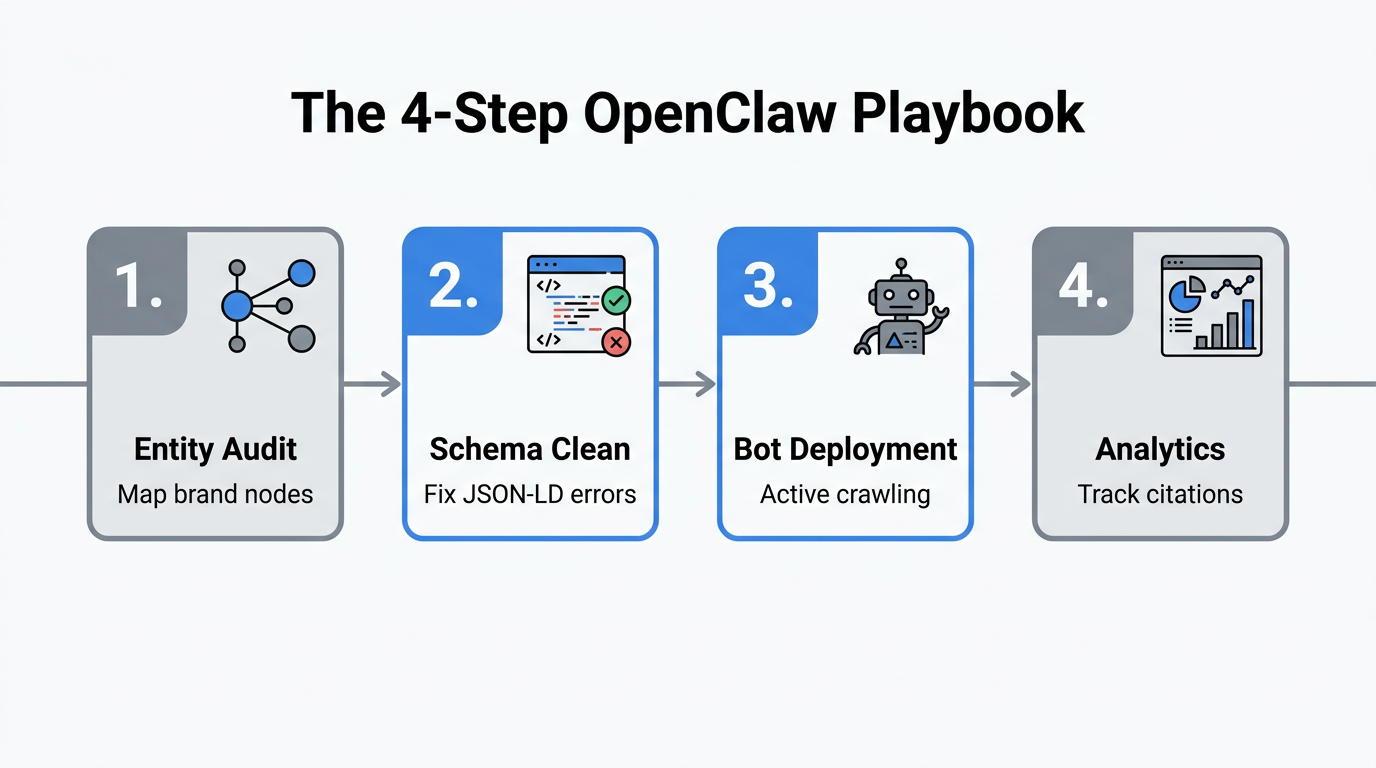
Ready to move from static SEO to agentic GEO? Follow this AI search marketing strategy to prepare your Shopify store for the generative era:
- Deploy OpenClaw: Set up OpenClaw on a secure VPS like Google Cloud using Docker. This ensures your agents have a dedicated, isolated environment to process store data.
- Generate your llms.txt: Use a Clawbot to scan your Shopify catalog and generate a machine-readable
llms.txtfile at your root domain. - Establish MCP Connectivity: Use Composio to link your store to the Model Context Protocol. This allows ChatGPT Search and Apple Intelligence to "query" your inventory directly.
- Audit for Entity Clarity: Use eesel AI to test how LLMs currently perceive your brand. Look for hallucinations or gaps in knowledge and correct them in your structured data.
- Monitor Security: Be vigilant about vulnerabilities like CVE-2026-25253, which can expose your store's API keys if your OpenClaw setup isn't properly isolated, as noted by Immersive Labs.
llms.txt and product schema.The Bottom Line: Winning the Machine-Mediated Future
The transition to Generative Engine Optimization represents the most significant shift in digital marketing since the invention of the search engine. As Shopify President Harley Finkelstein noted, 2026 is the "Year of the Builders," where AI handles the complexity of the back-end while merchants focus on brand identity. By leveraging OpenClaw machine-readable data and focusing on Entity Clarity, you aren't just selling products—you are building the knowledge base that the future of commerce will rely on.
Whether you are a startup or an enterprise-level merchant, the goal remains the same: make it as easy as possible for the AI to say "Yes" to your products. Start building your machine-readable future today.