The Future of AI-First GTM: Scaling Brand Growth with OpenClaw and Autonomous Agents in 2026
Discover how AI-first GTM strategies and autonomous marketing agents like OpenClaw are revolutionizing brand growth in 2026 through data orchestration and action agents.
In the first quarter of 2026, the landscape of Go-To-Market (GTM) strategy has undergone a seismic shift. We have officially moved past the era of "AI-assisted" marketing into the age of autonomous execution. The manual workflows that dominated 2024 and 2025—manually vetting leads, drafting individual outreach emails, and managing creator relationships through spreadsheets—have become relics of a slower past. According to recent Gartner marketing research, growth is now driven by autonomous marketing agents that don't just suggest actions, but execute them with surgical precision. At the heart of this revolution is the evolution of OpenClaw and its integration into the very foundation of OpenAI's vision for the future of work.
The OpenClaw Foundation: From Viral Tool to OpenAI Infrastructure
The biggest story of 2026 in the AI-first GTM space was the February announcement that Peter Steinberger, the visionary behind OpenClaw, joined OpenAI to lead their "Personal Agents" division. As reported by Leanware, this move signals the transition of OpenClaw from an agency-led automation stack into a core open-source foundation supported by OpenAI.
OpenClaw, originally known as a powerful tool for RevOps and outbound automation, has effectively become the blueprint for autonomous agents that possess shell access and computer use capabilities. This means agents are no longer confined to a chat box; they can navigate your CRM, research 10-K reports on Forbes, and even interact with your desktop to manage multi-channel campaigns.
"By 2026, the move of OpenClaw's founder to OpenAI marks the death of the 'Chat' agent and the birth of the 'Action' agent—entities that don't just talk, but do."
The Transition: From Chat Agents to Action Agents
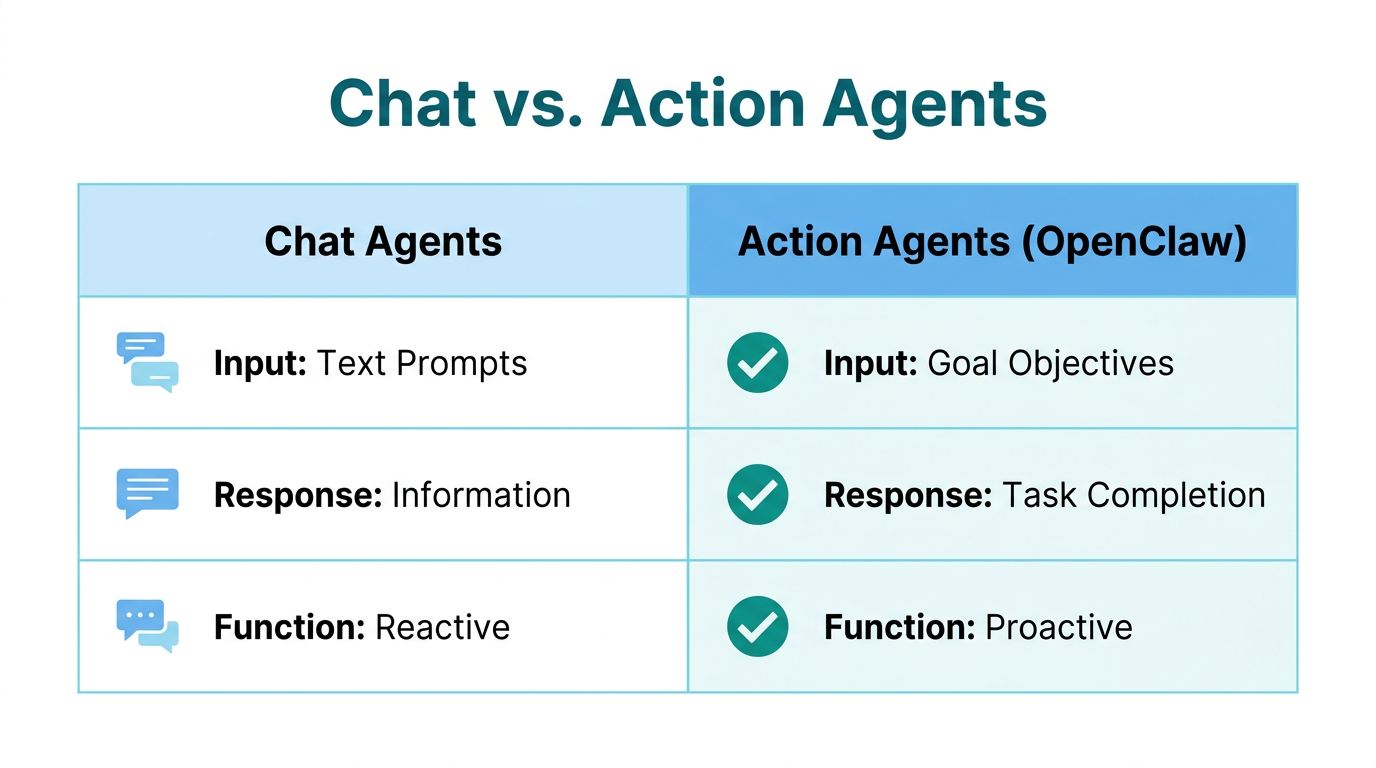
For years, marketers used AI to write better copy. In 2026, that is considered table stakes. The real competitive advantage lies in action-oriented autonomy. Modern growth engines now utilize agents that have "shell access"—the ability to execute code, interact with APIs, and manage browser environments autonomously. This shift is critical for high-growth tech companies that need to scale without ballooning their headcount.
According to InfoWorld, the ability for an AI to have a "hand" on the mouse and keyboard of a virtual machine has drastically reduced the need for manual data entry. Instead of a human SDR spending 4 hours a day on Clay for enrichment, an autonomous agent handles the entire waterfall process—verifying emails, checking LinkedIn activity, and pushing clean data into HubSpot.
The Economics of 2026: Human SDRs vs. AI Agents
The unit economics of growth have been completely rewritten. As we look at the data from SurFox and LeadsAtScale, the cost-efficiency gap has become impossible to ignore.
| Metric | Human SDR (2026) | AI SDR Agent (OpenClaw Stack) |
|---|---|---|
| Annual Cost | $98k – $173k | $6k – $24k |
| Cost Per Qualified Lead | ~$262 | ~$39 |
| Daily Outreach Volume | 50 – 80 | 1,000+ |
| Response Time | 42+ Hours | < 60 Seconds |
While human SDRs still hold the edge in high-touch enterprise closing, the top-of-funnel is now almost entirely automated. Companies that haven't shifted to an AI-first GTM strategy are seeing their Customer Acquisition Costs (CAC) soar relative to their automated competitors.
Feeding the Engine: Zero-Party Data and Value-Add Tools
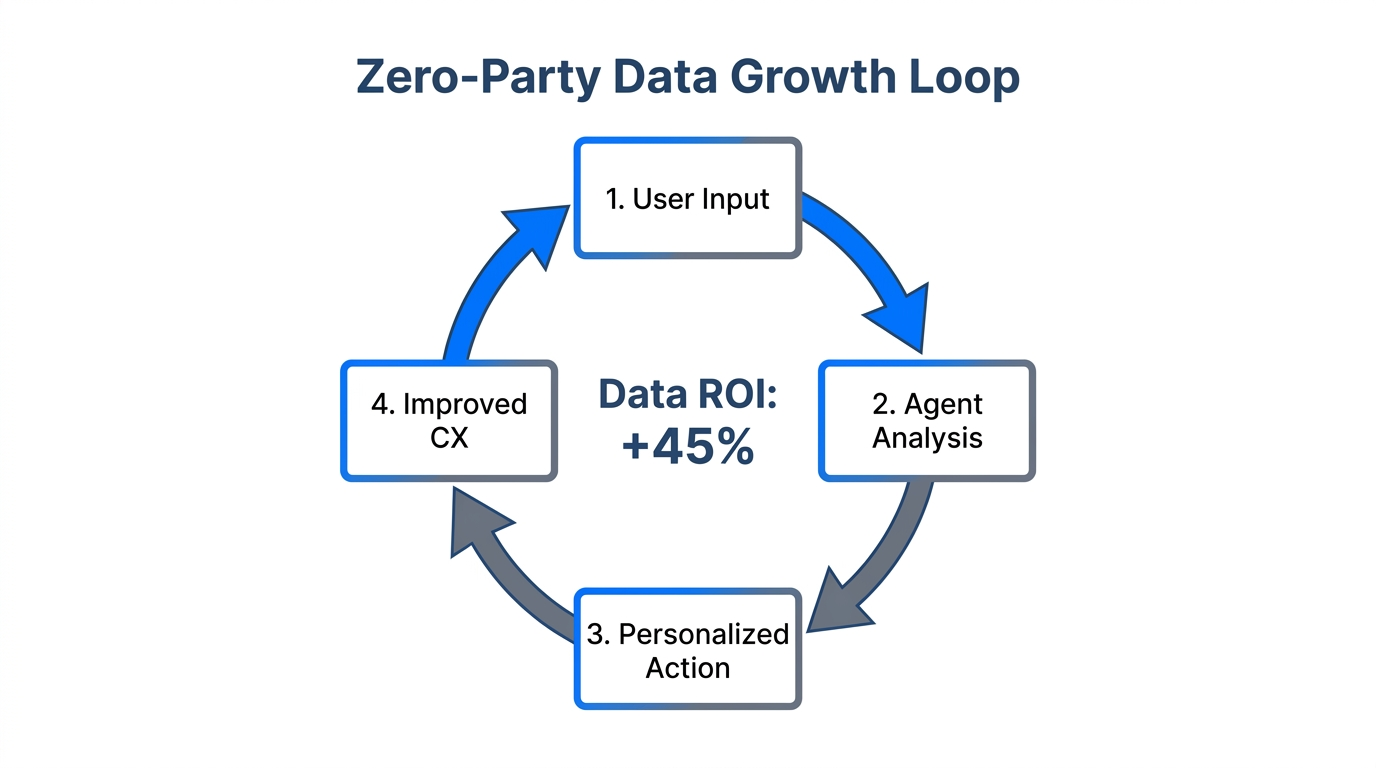
One of the significant 2026 growth marketing trends is the move away from scraped third-party data toward Zero-Party Data. With privacy regulations tightening and email providers like Google and Yahoo enforcing a strict 0.10% spam threshold (as noted in Google’s Sender Requirements), the "batch and blast" methodology is dead.
Instead, growth leaders are building value-add tools—quizzes, calculators, and free audit tools—to capture intent data directly. These tools act as high-conversion entry points for autonomous agents. For instance, a prospect interacts with a "CAC Calculator" on your site; the agent instantly takes that data, calculates their potential savings using your product, and sends a personalized video message via HeyGen or Tavus.
"In 2026, relevance is the only currency that matters. If your AI agent isn't using specific, zero-party data to drive the conversation, it's just automated noise."
The New Growth Leader: From Creative Director to Data Orchestrator
The job description of a Head of Growth has fundamentally changed. In 2024, you were looking for someone who could write great hooks and manage a creative team. In 2026, you are looking for a Data Orchestrator. These professionals don't spend their days in Canva; they spend them in Make, Zapier, and Code Conductor.
They are responsible for the "vibe check" of the AI's output, ensuring that the agents don't fall into the "Uncanny Valley" of sounding too robotic. They manage the "Security Debt" of their autonomous instances, ensuring that tools like OpenClaw are running in isolated environments like Flowlyn to prevent data leaks.
For brands also leveraging influencer channels, this orchestration extends to creator discovery. Instead of manual searching, platforms like Stormy AI allow these orchestrators to use natural language prompts to find and outreach to thousands of creators instantly, mirroring the autonomous efficiency of an OpenClaw B2B stack but for the social-first creator economy.
The 2026 OpenClaw Playbook: A 5-Step Engine
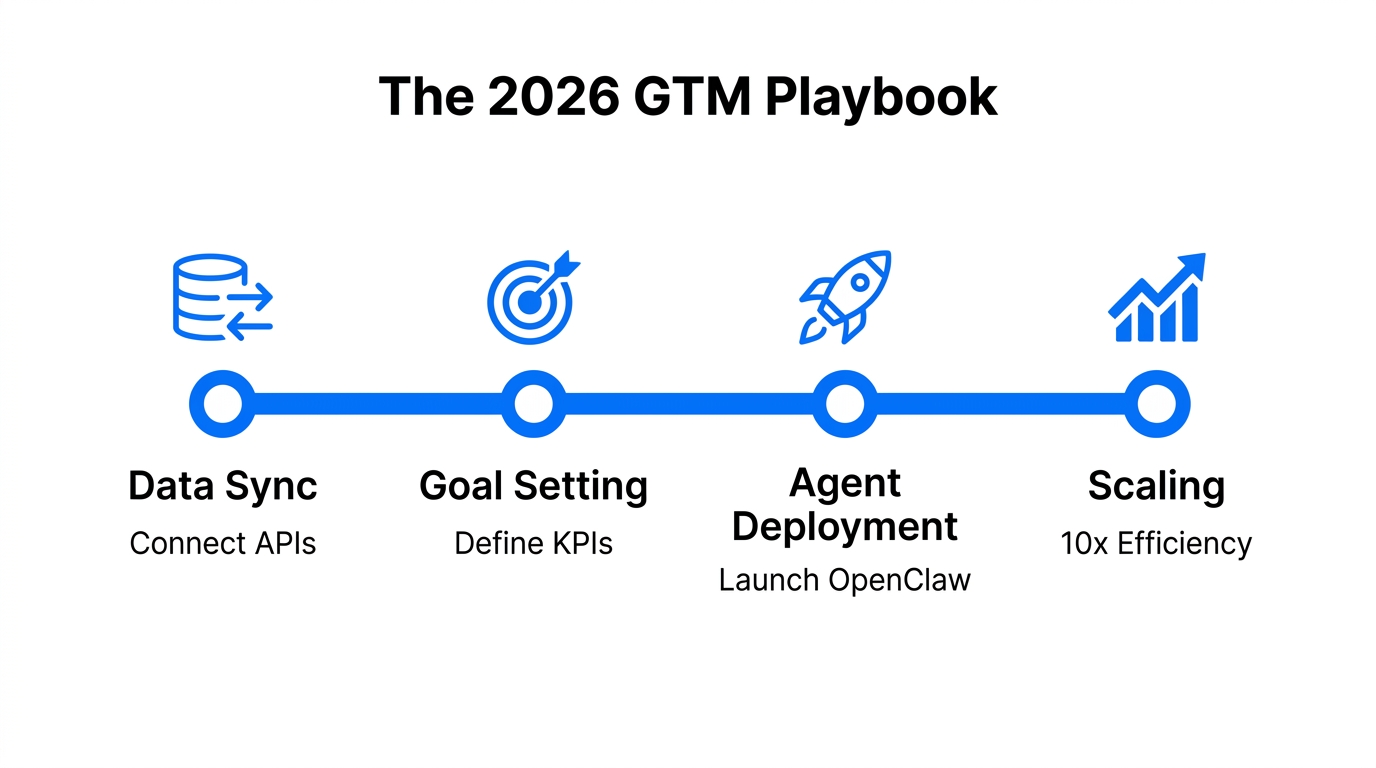
To scale brand growth in this new era, follow this autonomous execution playbook:
- The Intelligence Phase: Use BuiltWith to identify companies currently using your competitor's software.
- Hyper-Enrichment: Leverage Apollo.io and Clay to find the decision-maker and run a "Waterfall" verification to ensure 99% email accuracy.
- Autonomous Research: Deploy an OpenClaw agent to read the prospect's last three LinkedIn posts and their company's latest annual report.
- Dynamic Personalization: Feed those insights into an LLM to generate a "Human-in-the-loop" approved message that connects your value prop to their specific current challenges.
- Multi-Channel Launch: Sequence the lead into Smartlead or Instantly.ai with a cadence that includes LinkedIn voice notes, personalized videos, and email follow-ups.
Managing the AI Churn: Security and Deliverability
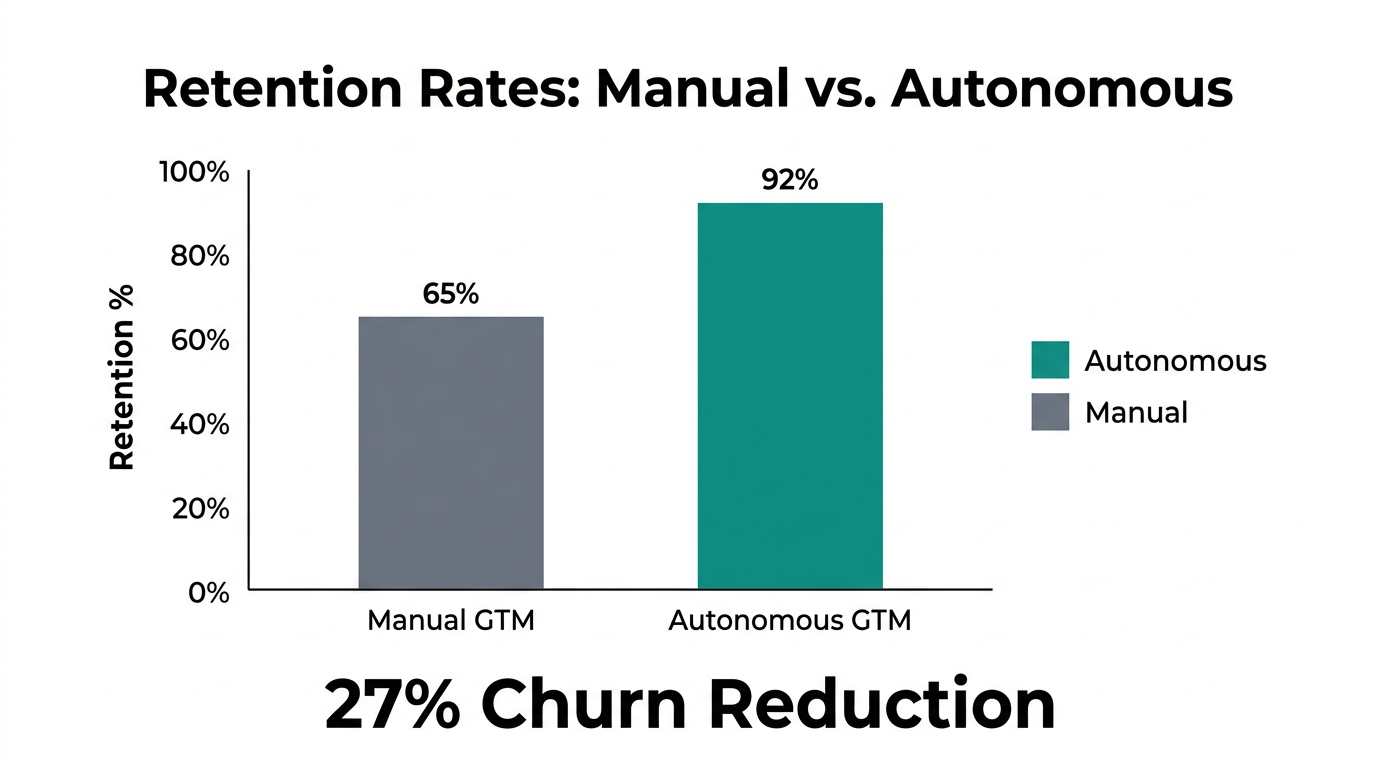
Despite the efficiency, 2026 has brought its own set of challenges. Autobound reports that AI SDR tools are seeing a 50-70% annual churn rate. Why? Because many teams fail at the "Security Debt" and "Deliverability Hell" phases.
Unsecured OpenClaw instances have led to massive API key leaks, making security-first platforms like NanoClaw the new standard for enterprise-grade autonomous marketing. Furthermore, the "AI Blindness" of prospects is real. If your message looks like it was written by an agent without a human "vibe check," it will be ignored.
To mitigate this, sophisticated agencies are using an AI agent from Stormy AI to handle the high-volume outreach while reserving human talent for the final 5% of the creative and closing process. This hybrid approach ensures that the scale of AI meets the quality of human intuition.
Conclusion: The Era of the Autonomous Brand
The future of GTM is here, and it is autonomous. By leveraging the OpenClaw OpenAI foundation and shifting your team from manual execution to data orchestration, you can achieve a scale that was physically impossible just two years ago. The winners of 2026 will be the brands that embrace action agents, prioritize zero-party data, and maintain a rigorous focus on deliverability and security.