In 2026, the digital advertising landscape has become a battlefield of rising CPAs and diminishing returns. While most growth hackers are busy fighting over saturated Meta Ads auctions, a quiet group of entrepreneurs is generating $8,000 per day in free cash flow using a platform most people associate with used couches and old lawnmowers. Facebook Marketplace has quietly evolved into the most undervalued organic distribution channel of the decade, boasting over 1 billion monthly active users who are specifically in a high-intent buying mindset. For service-based businesses and those running a digital arbitrage business model, the opportunity to scale to 7-figures without a dollar in ad spend is no longer a theory—it is a proven playbook.
The 1 Billion User Blind Spot: Why Organic Beats Paid in 2026
 13:30
13:30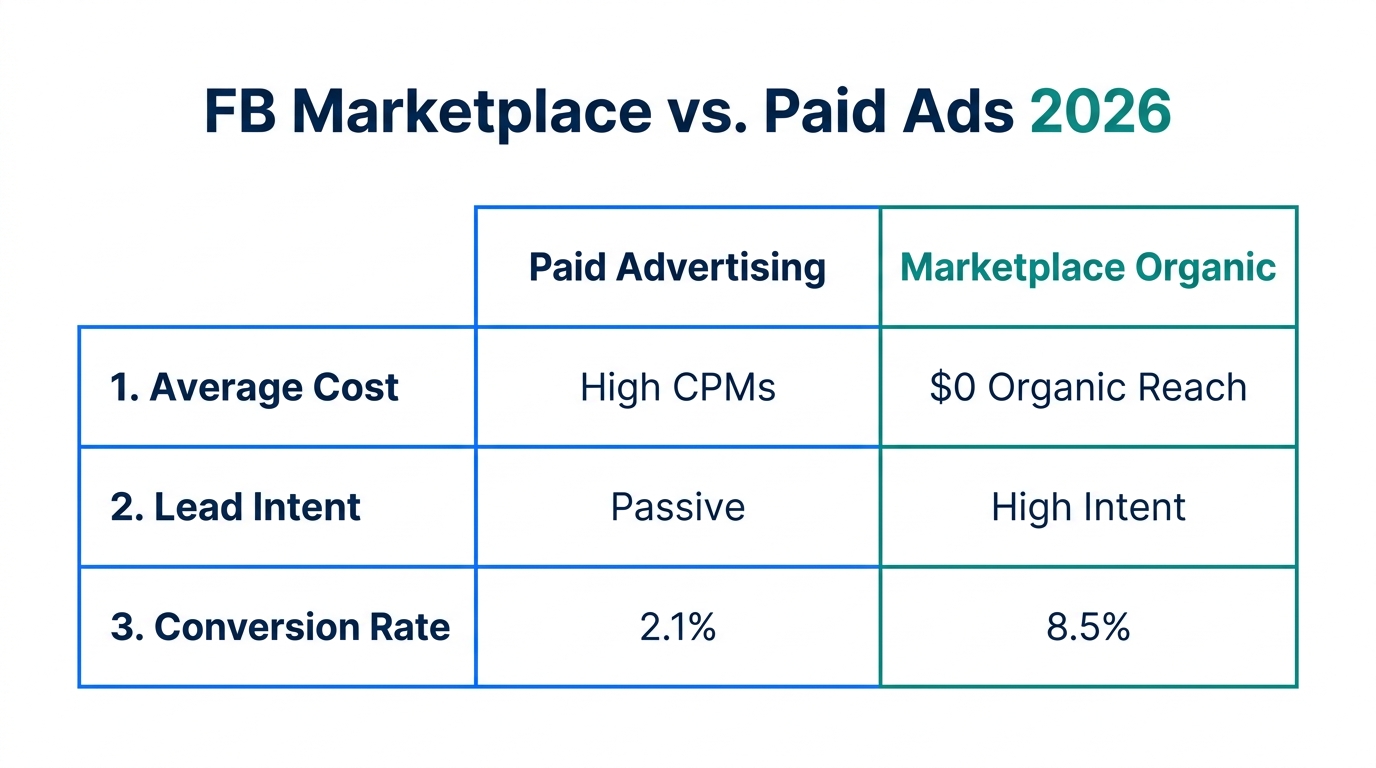
The traditional organic lead generation 2026 landscape is dominated by short-form video and SEO. However, Facebook Marketplace offers a unique advantage: zero-cost localized distribution. Unlike the standard newsfeed where you must pay to play, the Marketplace tab is a destination. Users go there with the intent to spend money. When you post a listing, Facebook’s algorithm does the heavy lifting of showing your offer to people within a specific geographic radius who have shown interest in similar categories.
As we’ve seen with successful local entrepreneurs, entire companies—from fencing contractors to window washers—are building multi-million dollar pipelines simply by refreshing organic listings once a week. They aren't spending thousands on Google Ads; they are answering Messenger inquiries. The key is to stop viewing Marketplace as a garage sale and start viewing it as a high-ticket sales funnel entry point.
"The business is math. Most people see a garage sale; the 7-figure earners see a billion-person casino where the house edge belongs to the person who knows how to post."
The 'Knowledge Arbitrage' Framework: Identifying High-Ticket Winners
10:23To generate 7-figure lead flow, you cannot sell $20 trinkets. You must employ the Knowledge Arbitrage framework. This involves identifying high-ticket assets that carry a high degree of technical complexity or consumer hesitation—items people are afraid to buy from a global platform like Alibaba or AliExpress because they lack a local point of contact.
Consider the 2021 Bitcoin mining boom. While many were trying to buy miners through shady overseas links, smart operators used a Facebook Marketplace marketing strategy to list mining hardware and hosting services. By positioning themselves as the local expert, they bridged the trust gap. They weren't just selling hardware; they were selling the peace of mind that comes with a domestic service provider. This model works for HVAC units, industrial kitchen equipment, and even specialized agricultural machinery.
Why Local Trust is the Ultimate Arbitrage
People will gladly pay a 30% premium to a local reseller if it means they don't have to navigate international shipping, customs, or the risk of a dead-on-arrival unit. This is the heart of local business customer acquisition. You are not just a middleman; you are a risk-mitigator. By sourcing from global wholesalers and selling via localized Marketplace listings, you create a positive cash flow conversion cycle where the customer pays you before you even place the bulk order.
Step-by-Step Guide: Scaling to 100+ Cities Using VAs
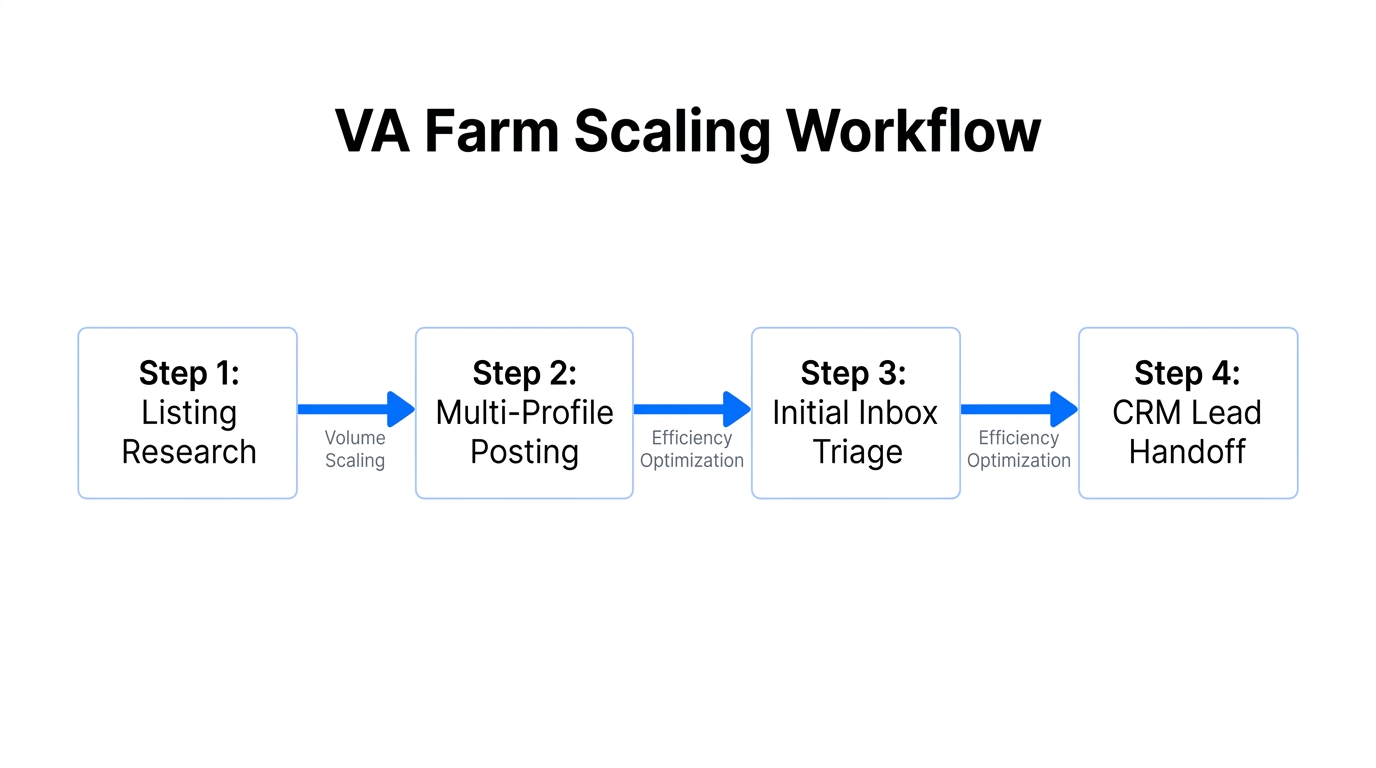
One listing in one city will buy you a nice dinner. One hundred listings across 100 cities will buy you a retirement. To scale this organic lead generation 2026 strategy, you must move beyond manual posting. The goal is to create a "listing farm" that operates while you sleep.
- Identify Your Geographies: Use Sensor Tower or market demographic data to find high-income zip codes that match your product profile.
- Deploy Virtual Assistants: Hire VAs via platforms like Hubstaff to manage multiple Facebook accounts. Each account should be dedicated to a specific region to avoid triggering spam filters.
- The Daily Refresh Cycle: Listings on Marketplace have a short shelf life. Your VAs must delete and relist (not just "renew") the posts every 48–72 hours to stay at the top of the search results.
- Automated Inquiry Management: Use a tool like Stormy AI to discover creators or local influencers who can amplify these listings, or use AI-powered CRM systems to handle the initial "Is this available?" messages.
| Strategy Phase | Manual Execution (Solo) | Scaled Execution (7-Figure) |
|---|---|---|
| City Coverage | 1-2 Cities | 100+ Cities via VAs |
| Account Volume | 1 Personal Account | 10-20 Managed Accounts |
| Inquiry Handling | Owner Responds Manually | AI/VA Scripted Response |
| Lead Storage | Facebook Messenger | Automated CRM (Stormy AI) |
The 'Price Hook' Optimization: CTR Hacking for Maximum Leads
Most marketers fail on Marketplace because they list the total asset cost. If you are selling a $10,000 Bitcoin miner or a $15,000 home solar kit, putting "$15,000" in the price field is a Click-Through Rate (CTR) killer. In the world of 2026 organic lead generation, you must lead with the monthly service fee or the entry-point cost.
For example, if the asset requires a monthly hosting fee of $200, list the price as $200. When the user clicks into the description, the first line should clarify: "$200/mo hosting fee. Hardware purchase required—see details below." This isn't bait-and-switch; it's framing the investment. By leading with the lower number, you capture the lead first and educate them second. This psychological shift alone can increase inquiry volume by 400%.
"Stop trying to sell the mountain in the first sentence. Just sell the first step of the hike. The lead is the goal; the sale is the conversation."
Transitioning Leads to High-Ticket Sales Calls
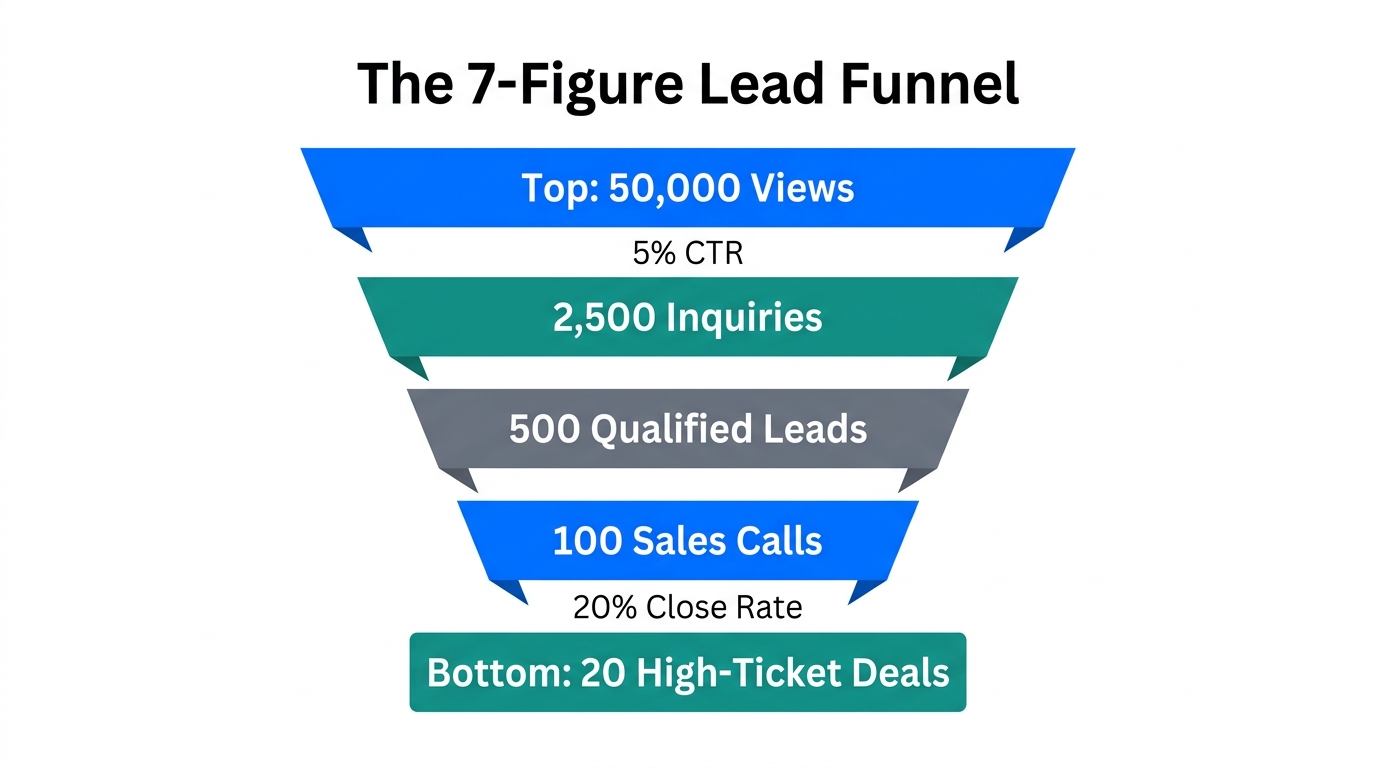
Facebook Messenger is a terrible place to close a $10,000 deal. It is a great place to start one. Your high-ticket sales funnel must have a clear bridge from the casual environment of Marketplace to a professional sales environment.
The Messenger-to-Call Script
Your VA or AI agent should follow a simple three-step script to move the conversation off the platform:
- Acknowledge & Validate: "Yes, we have units available for [City Name]!"
- The Expertise Hook: "Most of our clients ask about the ROI and setup process first. Are you looking to get started this month?"
- The CTA: "It's easier to explain the numbers over a 5-minute call. Do you have time tomorrow at 10 AM? Here is our calendar: [Link to Calendly]."
By moving the prospect to a Zoom or phone call, you immediately elevate your brand authority. Successful Marketplace arbitrageurs report closing 30-50% of inquiries once they are on a live call, compared to less than 5% if they try to close via text.
Building the Moat: Beyond the Stunt
While Marketplace is the engine, your "moat" is the brand you build around it. Look at the Buc-ee's reselling model. Entrepreneurs realized that Buc-ee's (the massive gas station brand) didn't have an online store. By launching 3rd party sites like Beaver Snacks, they leveraged a massive existing brand to build a 6-figure monthly revenue stream. They used viral marketing stunts and local PR to get backlinks from major publications, creating an SEO moat that copycats couldn't touch.
In 2026, you can use tools like Stormy AI to manage the creator outreach side of your business. If you are scaling a local service, having 50 micro-influencers in your city talking about your "Secret Pickle Ball" court or your "High-End Garage Shelving" builds a layer of social proof that makes your Marketplace listings perform even better. The Facebook Marketplace marketing strategy of the future is an omni-channel approach where organic listings are supported by AI-managed influencer relationships.
Conclusion: The Bias for Action in 2026
71:42The difference between a struggling side-hustler and a 7-figure operator in 2026 is the speed of validation. You don't need a year of market research to start an organic lead engine. You need a $25 Meta Ads test, a tripod for some CapCut-edited videos, and a few Marketplace listings.
Whether you are building an AI-powered influencer network on Stormy AI or selling Bitcoin miners via Messenger, the principles remain the same: find where the attention is undervalued, use math to identify your edge, and scale via systems. Facebook Marketplace is currently the largest open-source lead database in the world—it's time you started treating it like one.