In 2026, the software landscape has undergone a tectonic shift. We are no longer in the era of 'features and benefits'; we are in the era of augmented intelligence. The most successful founders this year aren't trying to build the next generic CRM or project management tool from scratch. Instead, they are following the 'Cursor Model'—forking existing high-frequency workflows and injecting them with agentic AI to capture the top 1% of power users. Whether you are building a 'Cursor for Email' or an AI-first influencer marketing engine like Stormy AI, the playbook for high-ticket productivity tools has fundamentally changed.
The Cursor Paradigm: Why Forking is the Future
 24:52
24:52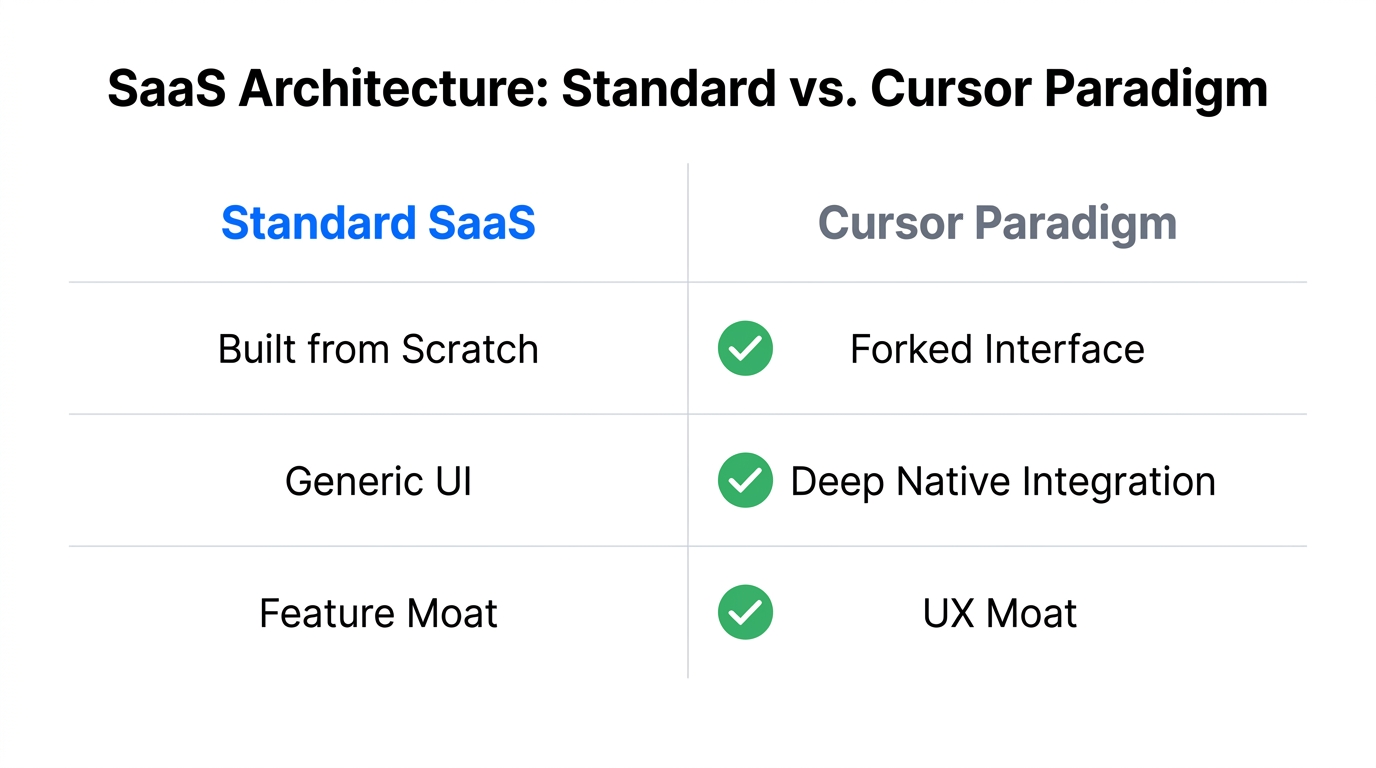
The breakout success of Cursor wasn't just about having a better LLM; it was about the form factor. By forking VS Code, Cursor met developers exactly where they lived. They didn't ask users to switch to a brand-new, unproven platform. They took a familiar environment and added an agentic layer that understood the entire codebase. In 2026, this 'blended experience' is the gold standard. It’s about using AI to augment the current workflow rather than trying to replace it entirely.
For those looking to build the 'Cursor for Email,' the lesson is clear: don't build a new inbox from the ground up. The graveyard of email startups is filled with companies that tried to fight Gmail's dominance. Instead, the opportunity lies in creating an Airtable-like orchestration layer or a sophisticated plugin that hacks the DOM to provide a seamless sidebar experience. The goal is to turn the inbox into a high-powered command center where an AI agent handles the pre-reading, research, and drafting before the human even clicks 'reply.'
"The value of modern AI tools isn't in replacing the human; it's in making the professional 10x more efficient by forking the environment where they already spend 8 hours a day."
Targeting the Power User: Marketing to the Top 1%
The marketing strategy for high-ticket AI tools in 2026 focuses on a very specific demographic: the power user. These are the VCs, lawyers, realtors, and executives who manage hundreds of 'real' emails daily and for whom missing one opportunity could cost six figures. When your target audience is this high-leverage, the traditional $20/month SaaS pricing model is a relic of the past.
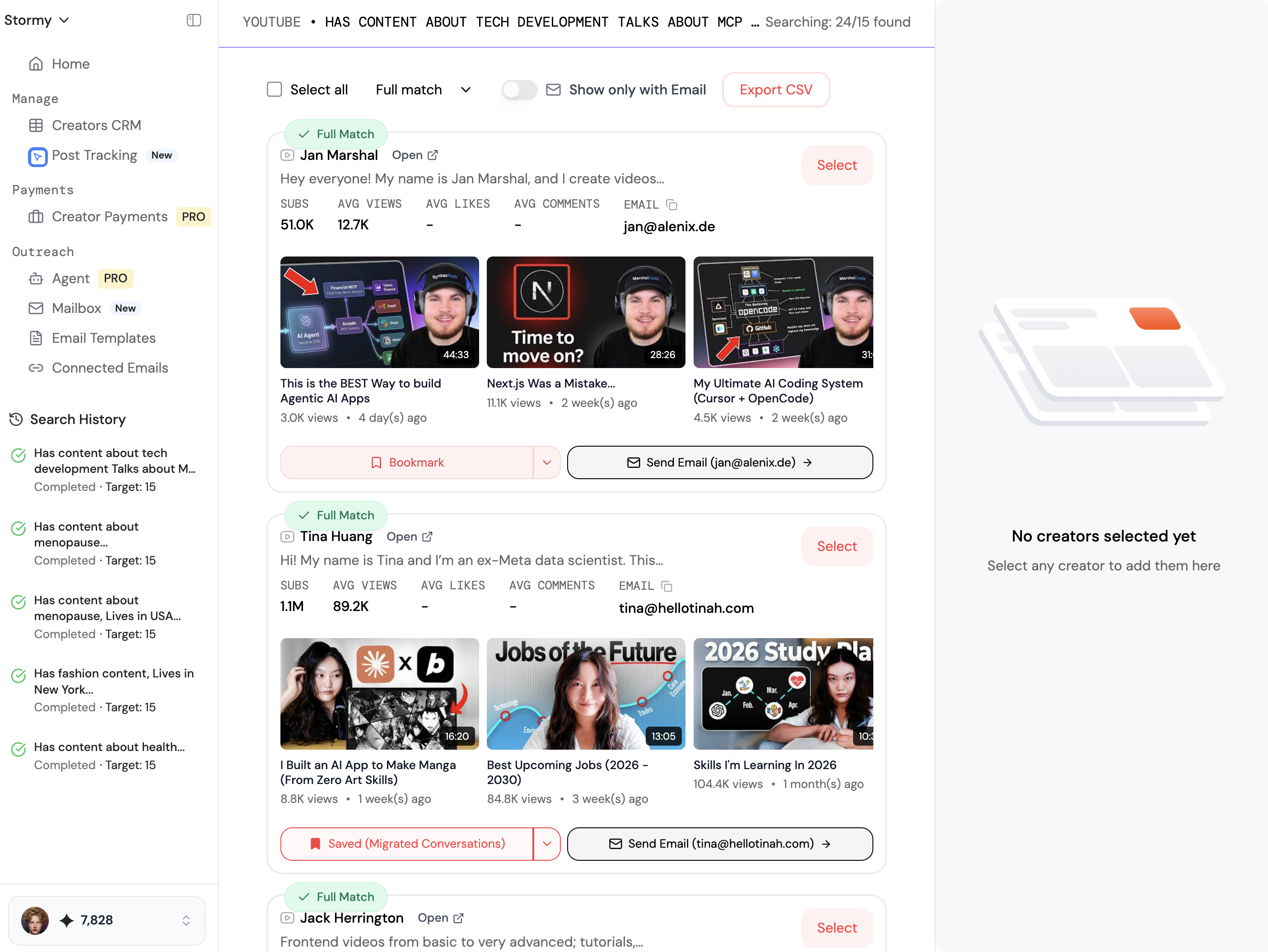
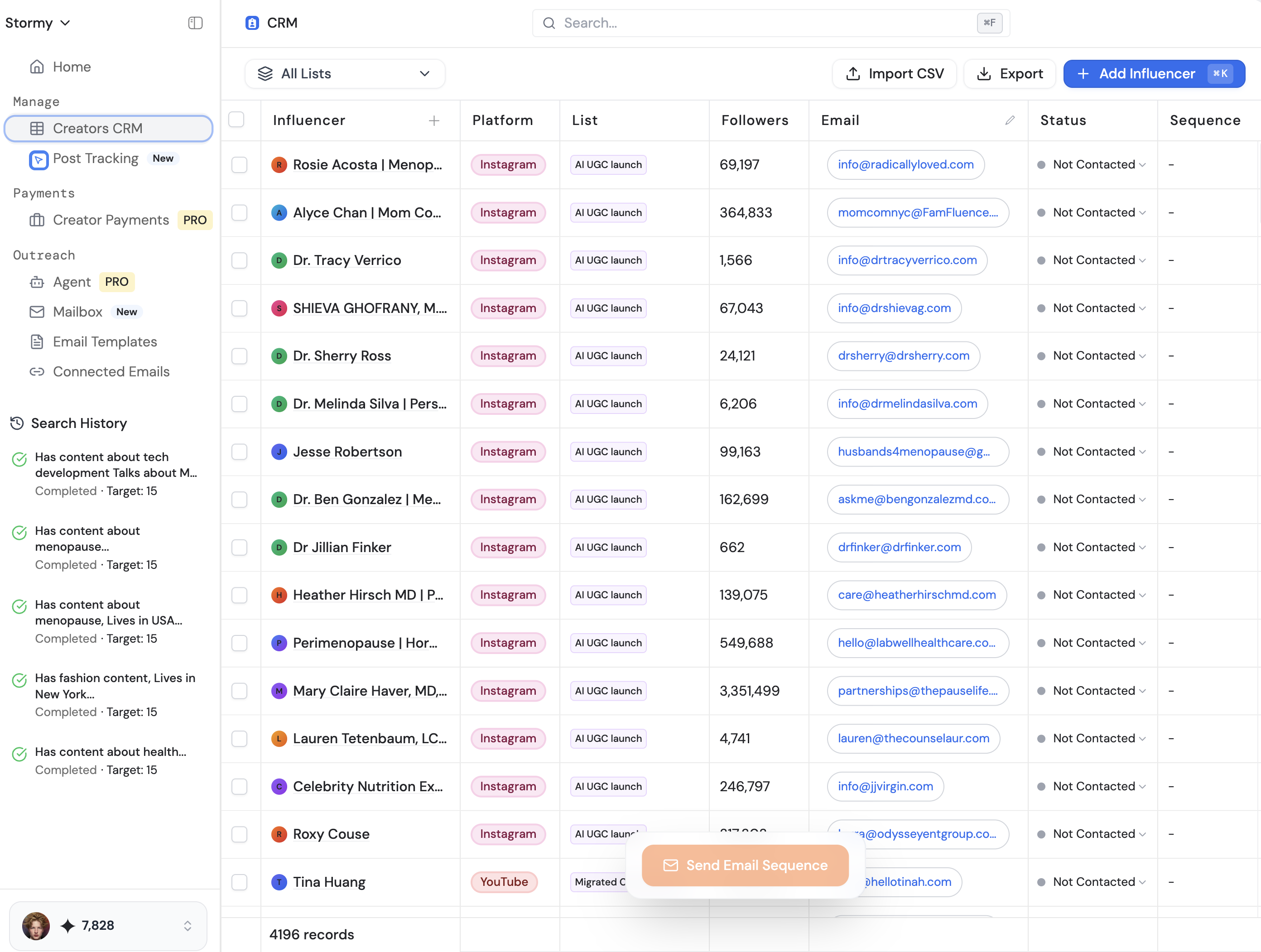
Marketing to this group requires a shift from 'tool utility' to 'time recovery.' If a tool like Chief.so or Stormy AI can save a partner at a law firm five hours a week, they aren't looking for a discount; they are looking for reliability and deep context. You aren't selling software; you are selling a digital Chief of Staff. This is exactly how Stormy AI has dominated the influencer marketing space by offering an AI agent that doesn't just 'find creators' but actually manages the entire outreach and follow-up sequence autonomously.
Value-Based Pricing vs. Token Costs
31:53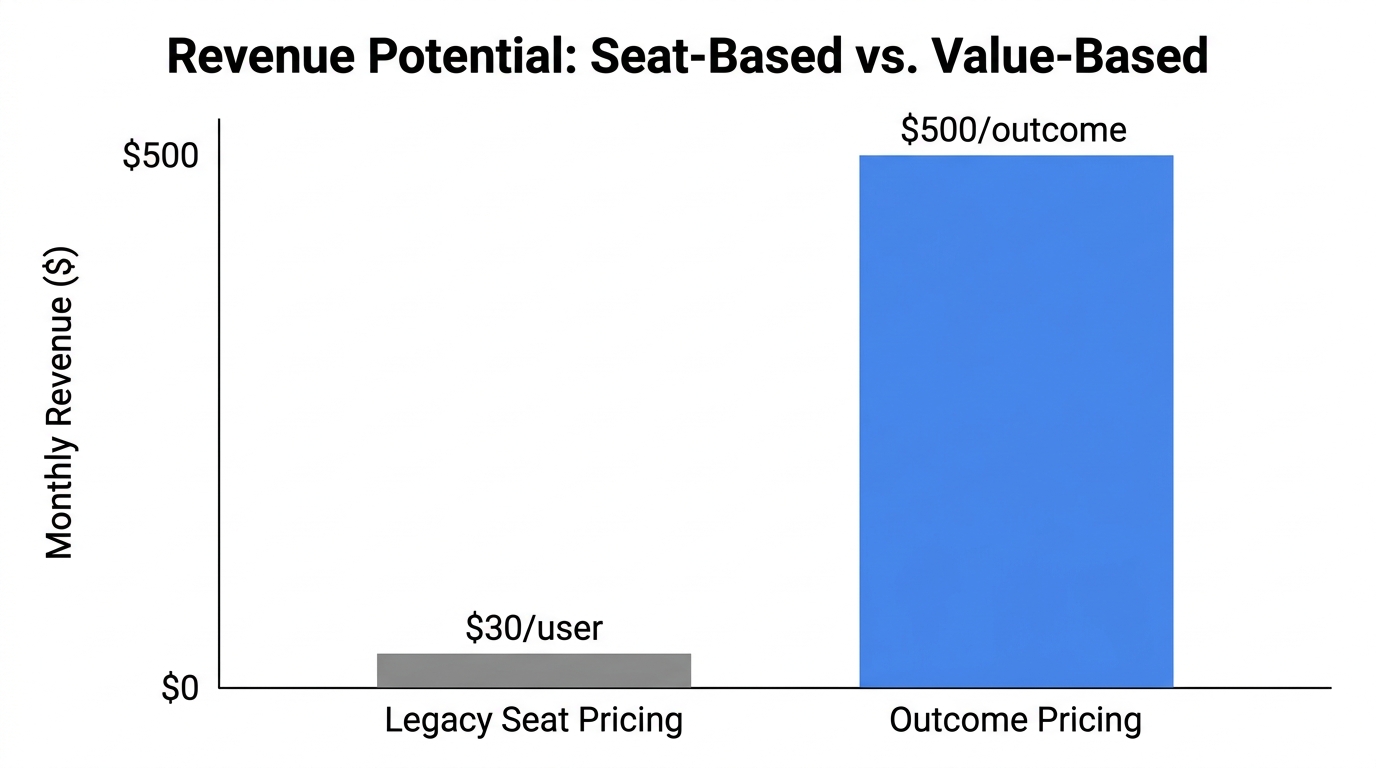
In 2026, the 'cost-plus' pricing model (charging a margin over LLM token costs) is a race to the bottom. High-ticket AI productivity tools must employ value-based pricing. When an executive uses Kubera to aggregate their net worth and then uses an AI advisor to simulate a 10-year financial plan, they are paying for the outcome, not the compute.
| Pricing Model | Target Audience | Annual Value (Estimated) | Key Metric |
|---|---|---|---|
| Freemium SaaS | General Users | $120 - $300 | Seat count |
| High-Ticket AI | Power Users (VCs, Execs) | $2,400 - $12,000 | Hours Saved |
| Legacy Enterprise | Fortune 500 | $50,000+ | Risk Mitigation |
If you can prove 10% more efficiency, a power user will happily pay $200+ per month. For example, in the creator economy, legacy tools like Tagger or outdated manual databases were built for manual workflows. Modern AI-native platforms like Stormy AI price based on the massive leverage their AI agents provide, effectively replacing the need for a full-time junior marketing associate. This is the PE Playbook for SaaS: taking a labor-intensive cost structure and automating it until the margins shift from 10% to 80%.
Go-to-Market Tactics: Agentic Workflows and Email Overload
25:50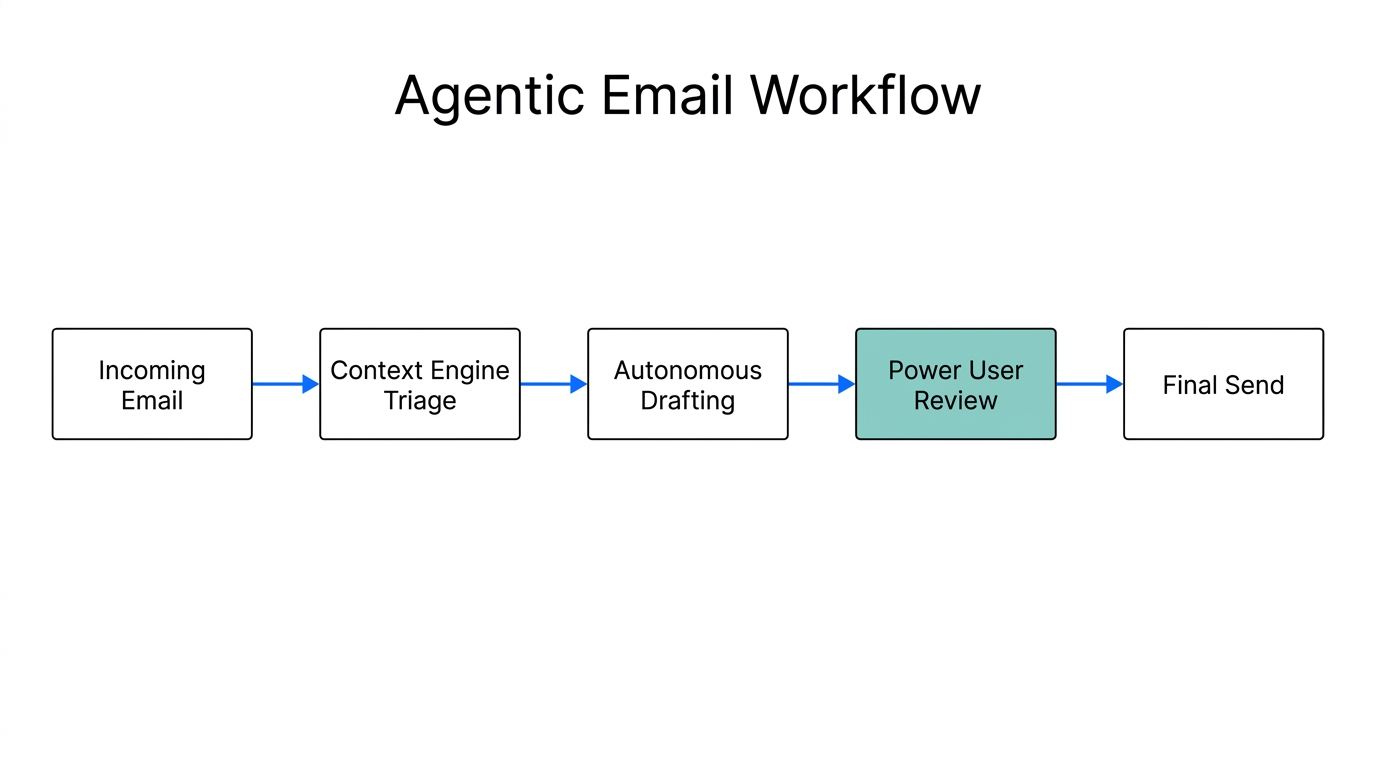
The 'Email Overload' problem is the perfect entry point for agentic workflows. High-net-worth individuals often employ full-time executive assistants (EAs) just to categorize and research incoming pitches. An AI-first email tool should mimic this behavior. It shouldn't just summarize; it should act.
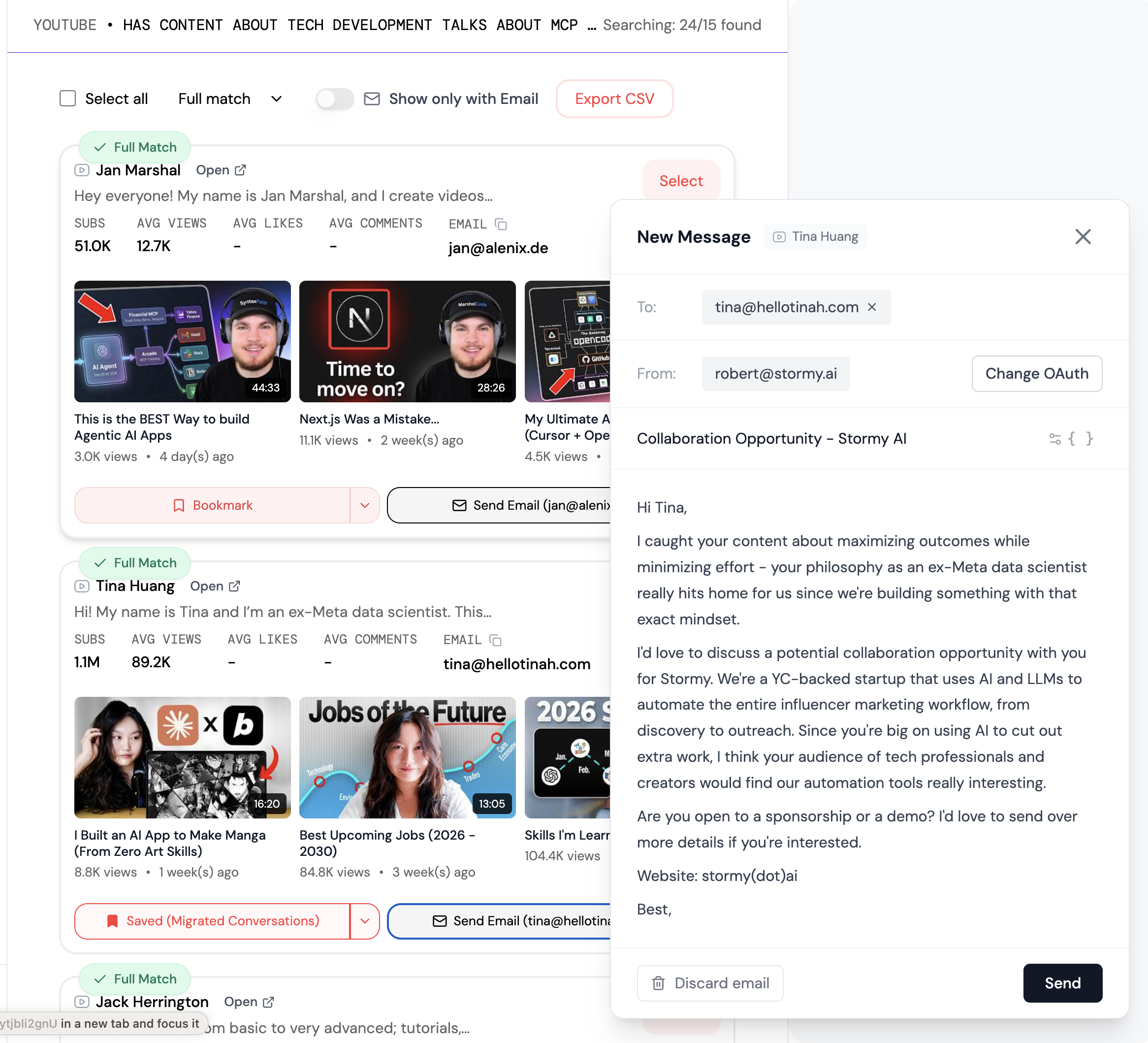
Imagine an email client that sees a guest pitch for a podcast, automatically cross-references the guest's LinkedIn, checks their latest book on Google Search, and drafts a response based on the host's specific tone. This is the level of 'augmentation' that defines 2026 B2B growth tactics. Platforms like Stormy AI apply this exact logic to influencer outreach—automatically finding creator emails, enriching the data, and sending hyper-personalized emails that actually get replies.
Building Competitive Defensibility in 2026
With LLM capabilities becoming commoditized, how do you build a moat? The answer lies in proprietary context and brand. A 'Cursor for Email' wins because it has the deep context of your entire communication history, your calendar, and your business goals. It becomes an extension of your brain.
Defensibility also comes from the Human-in-the-loop (HITL) trust factor. While the 18-year-olds of 2026 may trust AI implicitly for health diagnostics and financial advice, the current executive class still values the psychological 'stamp of approval' from a human or a high-end brand. This is why tools that offer a 'blended' interface—where the AI does the heavy lifting but the human remains the final decision-maker—are winning the market. This is the core of the Stormy AI philosophy: providing a powerful Creator CRM that manages the data while letting the marketer make the strategic brand calls.
The 2026 Playbook: Steps to Launch a High-Ticket AI Tool
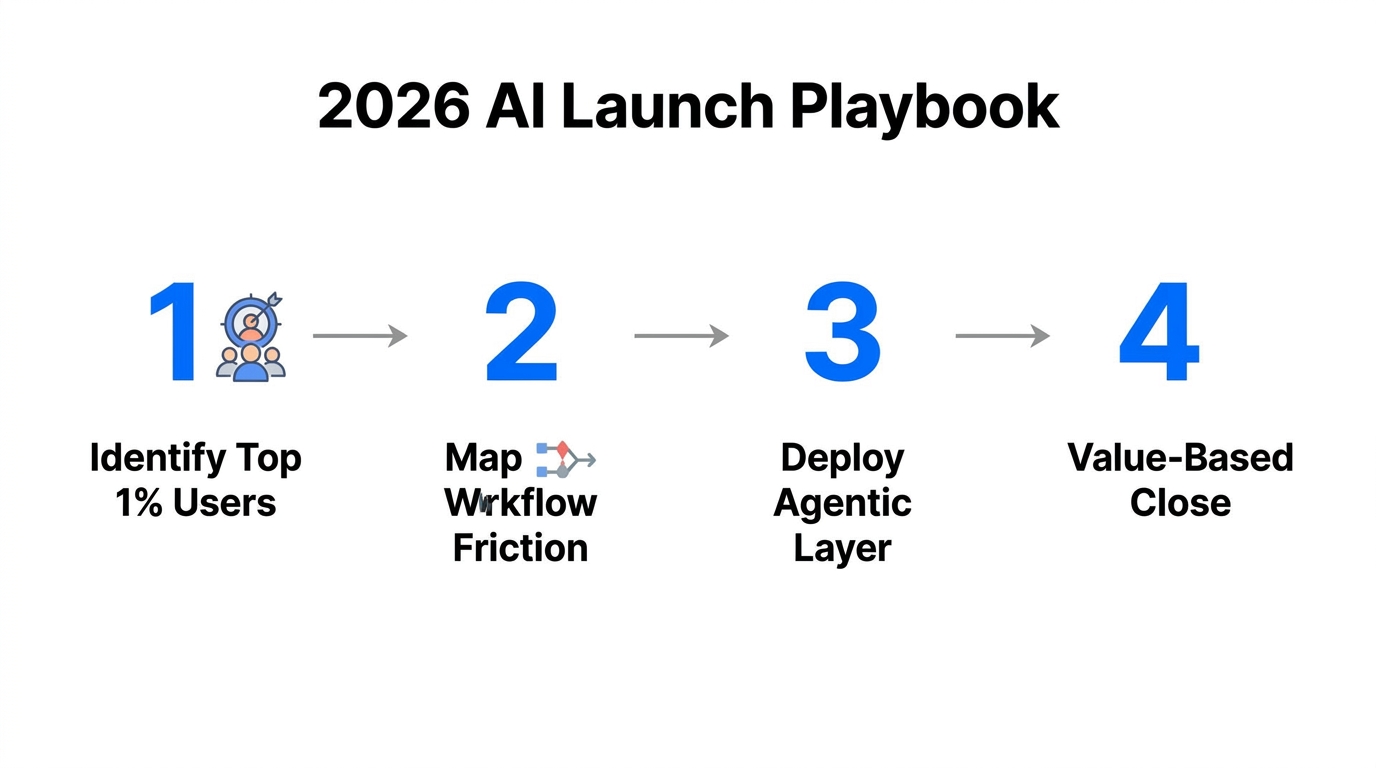
- Identify the High-Frequency Workflow: Where does your target user spend 4+ hours a day? (Email, IDE, TikTok Ads Manager, etc.).
- Fork or Augment: Can you build a Chrome extension, a VS Code fork, or a dedicated agentic layer like Stormy AI?
- Target the Power User: Ignore the mass market. Find the 1% for whom this problem is a $100k+ pain point.
- Implement Value-Based Pricing: Price based on the cost of the labor you are replacing or the time you are recovering.
- Automate the Orchestration: Use tools like HeyGen for personalized video or voice AI to make the AI feel human-like and high-end.
"We are entering an era of 'Vibe Coding' and 'Vibe Marketing.' It's not about the technical specs; it's about the artistry of the consumer experience."
Conclusion: The Future of Work is Augmented
The 'Cursor for Email' isn't just a product; it's a symbol of the next generation of B2B SaaS. By focusing on the top 1% of power users, employing value-based pricing, and building agentic workflows that live within existing habits, founders can create massive businesses without massive teams. Whether you are managing personal finances or running global influencer campaigns on Stormy AI, the winner will always be the one who saves the most precious commodity of 2026: human attention. Stop building features and start building leverage.