How to Launch a Startup in 2026 Using Claude Code: The Non-Technical Founder’s Playbook
Master Claude Code for founders in 2026. Learn Vibe Coding for beginners to build a startup without coding and launch your MVP using AI multi-agent teams.
In 2026, the barrier to entry for starting a software company has been completely dismantled. We have officially entered the era of the solopreneur unicorn, where a single individual can manage a fleet of AI agents to build, deploy, and scale complex applications. The catalyst for this revolution is Claude Code, a tool that has evolved from a developer utility into a full-scale venture engine. According to recent data from DemandSage, the AI coding assistant market has skyrocketed to over $12 billion this year, with Anthropic leading the charge. For the non-technical founder, this means the question is no longer "How do I find a CTO?" but rather "How do I manage my agents?" This playbook will show you how to use Claude Code for founders to move from a napkin sketch to a live MVP without writing a single line of manual syntax.
The Shift to Outcome Engineering: Understanding Vibe Coding
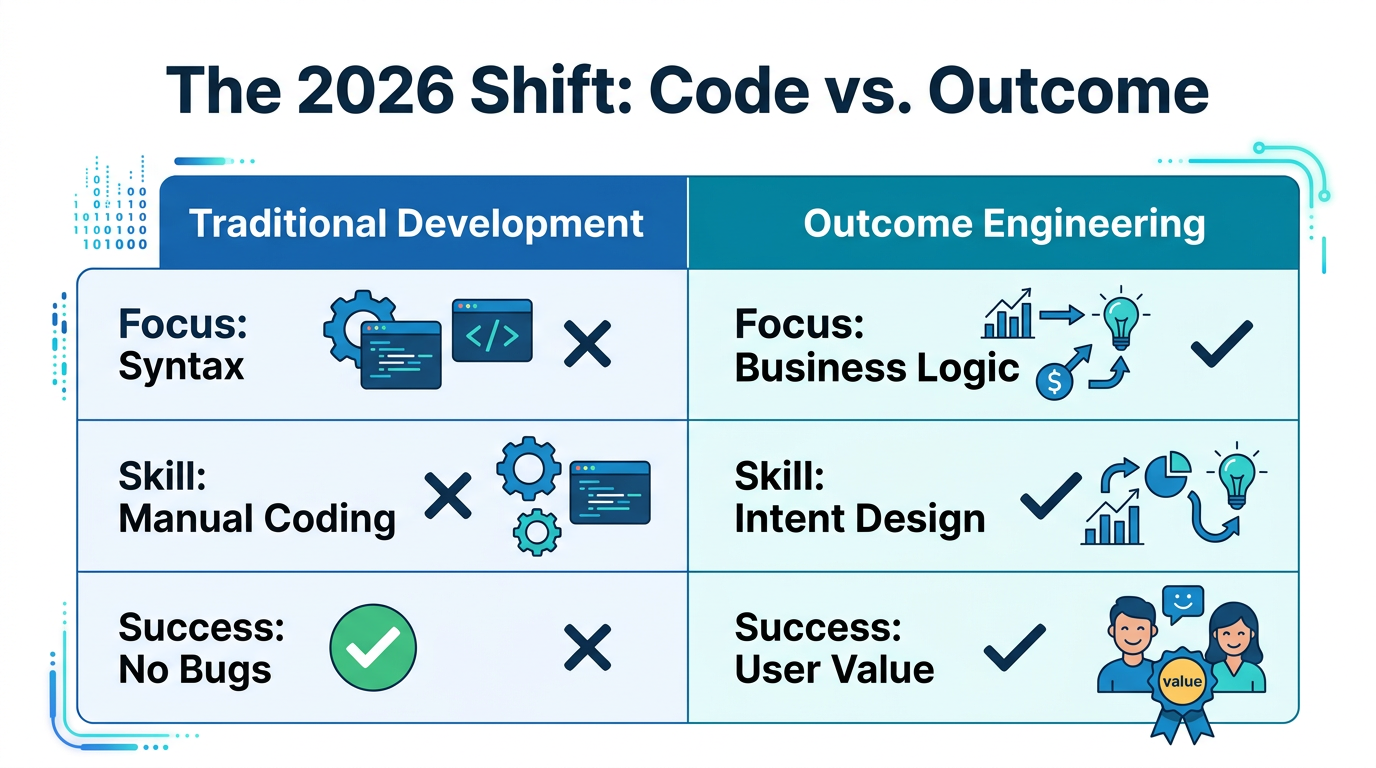
The most significant change in 2026 is the methodology known as Vibe Coding. As Andrej Karpathy famously noted, the hottest new programming language is English. You are no longer a coder; you are an Outcome Engineer. This role requires you to describe the "vibe"—the intent, user experience, and business logic—while the AI handles the execution. Expert Ethan Mollick from One Useful Thing argues that this shift turns non-technical users into product managers for their own AI staff. You are orchestrating results, not debugging semicolons.
"The shift from chatbot to agent is the most important change since ChatGPT. You aren't prompting anymore; you are managing a digital workforce."
In this new landscape, Vibe Coding for beginners starts with clarity of vision. Because Claude 4.6 (released in early 2026) possesses a 1-million-token context window, it can hold your entire business plan, brand guidelines, and technical requirements in active memory simultaneously. This allows for a level of coherence previously impossible with earlier AI models. When you build a startup without coding in 2026, your primary tool is your ability to define clear, high-level objectives.
Step 1: Setting Up Your Project Memory (CLAUDE.md)
Before you ask Claude to generate a single button, you must establish its "brain." In the world of agentic coding, this is done through a CLAUDE.md file. This file acts as a persistent project memory that tells the agent exactly what it is building, who it is building it for, and what rules it must follow. To get started, download the Claude Desktop App from Anthropic and initialize a project folder.
Instead of manually creating this file, you can prompt Claude: "Create a CLAUDE.md file for a new SaaS project. This is a fitness app for busy executives that integrates with wearable data. Use a minimalist aesthetic and a Python/React tech stack." Claude will then generate a comprehensive blueprint. This is essential for non-technical MVP development because it prevents the AI from "forgetting" your core business goals as the codebase grows. According to Sacra, companies using these long-context memories see a 45% increase in development speed compared to those using standard chat interfaces.
The Anatomy of a Perfect Project Memory
- Vision Statement: What is the "North Star" of the product?
- Tech Stack: Even if you don't know the languages, let Claude choose the most modern, scalable options.
- UI/UX Guidelines: Describe the look and feel (e.g., "dark mode, high-contrast, rounded corners").
- Business Logic: How does the app actually make money or solve a problem?
Step 2: Mastering Outcome-Based Prompting
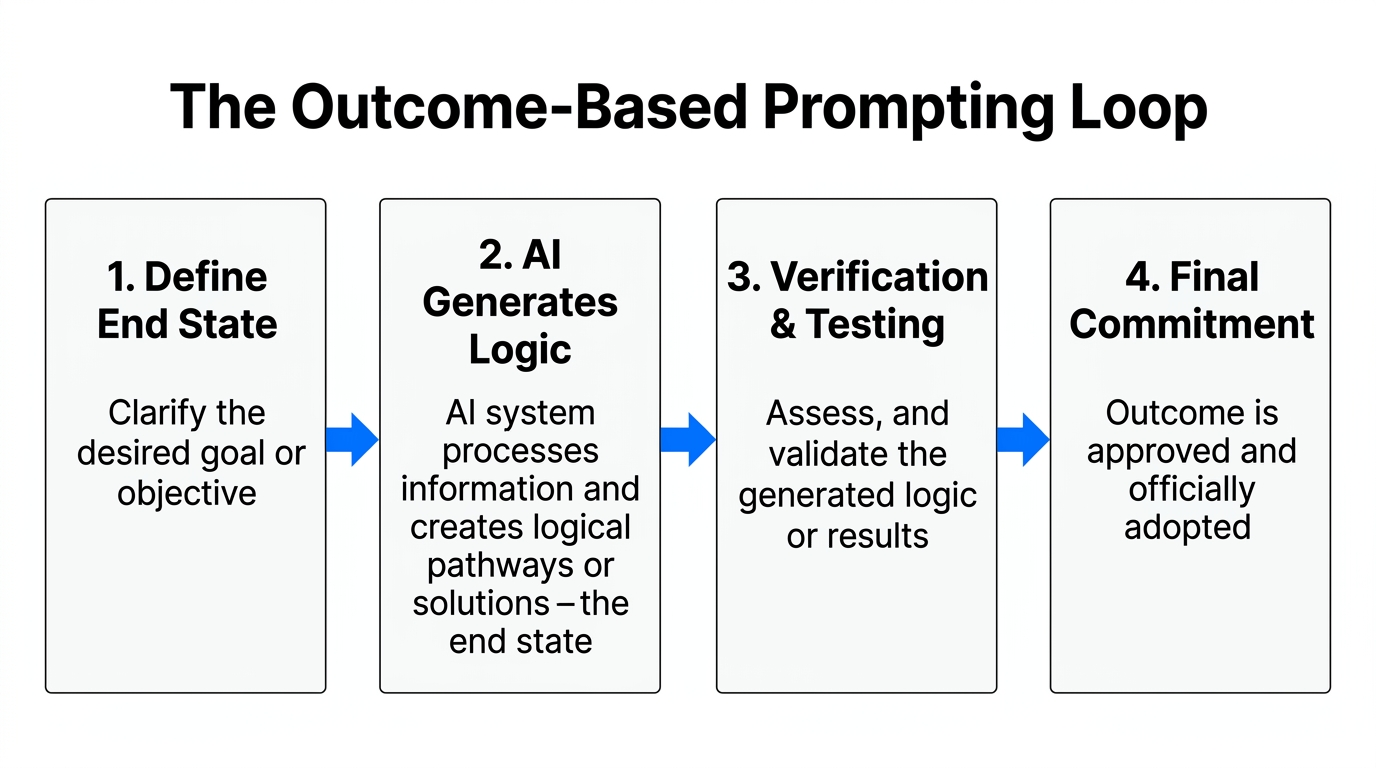
The biggest mistake non-technical founders make is trying to tell the AI how to code. Instead, you must focus on the what. In 2026, Claude Code is smart enough to handle the implementation details. For example, instead of saying "Write a Javascript function to filter a list of users," you should say: "I want a dashboard where I can see all users who haven't logged in for 3 days and send them a pre-written nudge email with one click."
This is the core of Vibe Coding for beginners. You provide the user story, and Claude handles the logic, API connections, and database schema. This approach allows you to build a startup without coding by acting as a high-level architect. If Claude hits a snag, it will suggest a plan. Your job is to review the plan and type "y" to approve. This "Agentic ROI" is massive; internal reports from Forbes suggest that founders using this method can deliver five times more features per month than those using traditional offshore development teams.
"The goal isn't to write code faster; it's to eliminate the need for the founder to ever see the code in the first place."
| Traditional Coding | Vibe Coding (2026) | Founder's Benefit |
|---|---|---|
| Syntax & Debugging | Intent & Outcomes | Faster iteration cycles |
| Manual Testing | AI-Agent QA | Lower bug density |
| High Dev Costs | $0.30/Agent Hour | Massive capital efficiency |
Step 3: Managing Your Multi-Agent Team
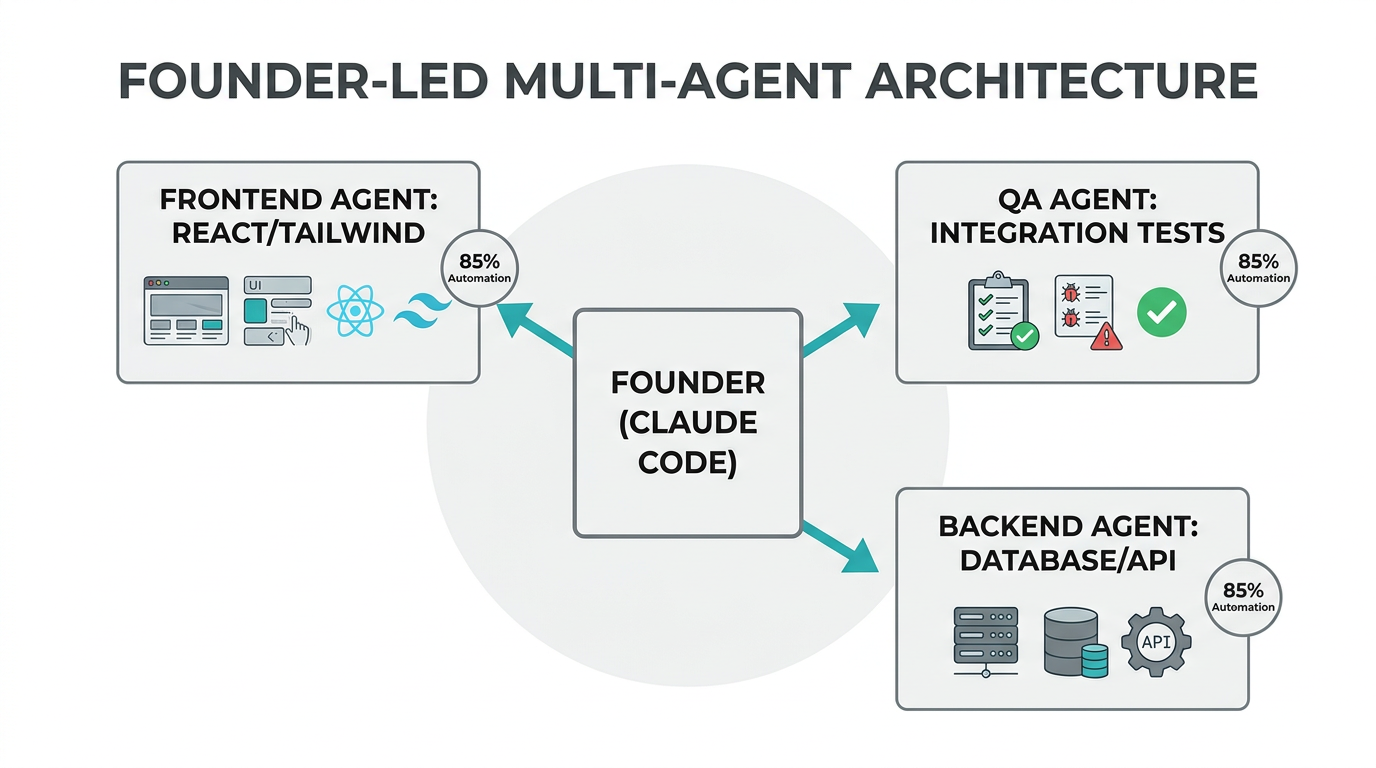
In early 2026, Anthropic introduced "Multi-Agent Team" mode in Claude Code. This allows the primary agent to spawn sub-specialists to handle different parts of your startup simultaneously. As a founder, you are now a manager of a digital department. You can assign one agent to polish the UI/UX, another to secure the Backend API, and a third to run QA Testing.
To trigger this, you might say: "Spawn a team to build the landing page. I want the UI agent to use Tailwind CSS, and the Backend agent to set up a Stripe integration for payments." This parallel processing is how companies like Deloitte saved over 500,000 engineering hours this year. Once your MVP is built, you can transition your focus to growth. Platforms like Stormy AI can then be used to find the right influencers and creators to promote your new app, allowing you to handle both development and marketing through AI-driven workflows.
Step 4: Controlling Your "Runaway" Token Costs
While Claude Code for founders is incredibly powerful, it can become expensive if managed poorly. Autonomous agents can occasionally get stuck in "fix-loops," where they repeatedly try to solve a bug with a failing solution, racking up API fees. In 2026, Anthropic's Max tier costs $200/month, providing 20x the usage of the Pro tier. However, for a non-technical MVP development project, you must monitor the `/cost` command.
Running `/cost` in the terminal (or checking the usage bar in the Desktop App) shows you exactly how much your current "vibe" session has cost. To stay lean, always start with Prompt Caching enabled. This technology, highlighted on Reddit's Claude community, can reduce recurring codebase costs by up to 90% [source: Anthropic]. If an agent takes more than three tries to fix a bug, it’s time for you to intervene, clarify the requirement, and break the loop.
"Monitoring your /cost command is the 2026 version of checking your AWS bill. It’s the only way to ensure your MVP stays 'lean'."
Step 5: Security and the "Ghost Bug" Paradox
As a non-technical founder, you must be aware of the 2026 security landscape. Because Claude Code has terminal access, it can execute commands on your computer. Always use a dedicated environment or a tool like Replit Agent if you want a "sandboxed" experience. Researchers recently identified vulnerabilities where untrusted project hooks could compromise API keys. Always review the "Plan" before clicking "Approve All."
Additionally, beware of Ghost Bugs—code that looks perfect and runs well but fails in subtle edge cases. Because Claude is so fluent, it is easy to become 3.7% less likely to fact-check its work, according to a 2026 study. Always ask Claude to "Write a suite of automated tests to verify this feature works for all user types" before you consider a task complete. This ensures your non-technical MVP is actually production-ready by integrating automated testing through tools like Cypress or Playwright.
The Bottom Line for 2026 Founders
Launching a startup in 2026 is no longer about your ability to write code—it's about your ability to orchestrate intelligence. By using Claude Code for founders, you can bypass the traditional $50k-$100k MVP cost and build your vision for the price of a monthly subscription. Focus on your Project Memory, master Outcome-Based Prompting, and manage your Multi-Agent Team like a seasoned CEO. Once your product is live, remember that tools like Stormy AI are available to help you find the influencers needed to scale your user base. The tools are ready; the only thing missing is your "vibe."