Beyond SEO: How to Master Agentic Search Optimization (ASO) for OpenClaw and Shopify in 2026
Master Agentic Search Optimization (ASO) for Shopify in 2026. Learn how to structure product data for OpenClaw to drive sales via AI search crawler marketing.
In 2026, the digital storefront has undergone a seismic shift. The traditional consumer journey—searching on Google, clicking a blue link, and manually adding items to a cart—is rapidly becoming a legacy behavior. Today, the most valuable visitors to your Shopify store aren't humans; they are "Clawbots"—autonomous AI agents powered by the OpenClaw framework. These agents don't just browse; they negotiate, validate, and execute transactions on behalf of their users. As agentic search volume officially surpasses traditional SEO, merchants must pivot to a new discipline: Agentic Search Optimization (ASO).
This technical guide will walk you through the architecture of ASO for Shopify, ensuring your products are the first ones recommended when an AI agent asks, "Find the best sustainable running shoes available for immediate delivery under $150."
The Death of SEO and the Rise of ASO
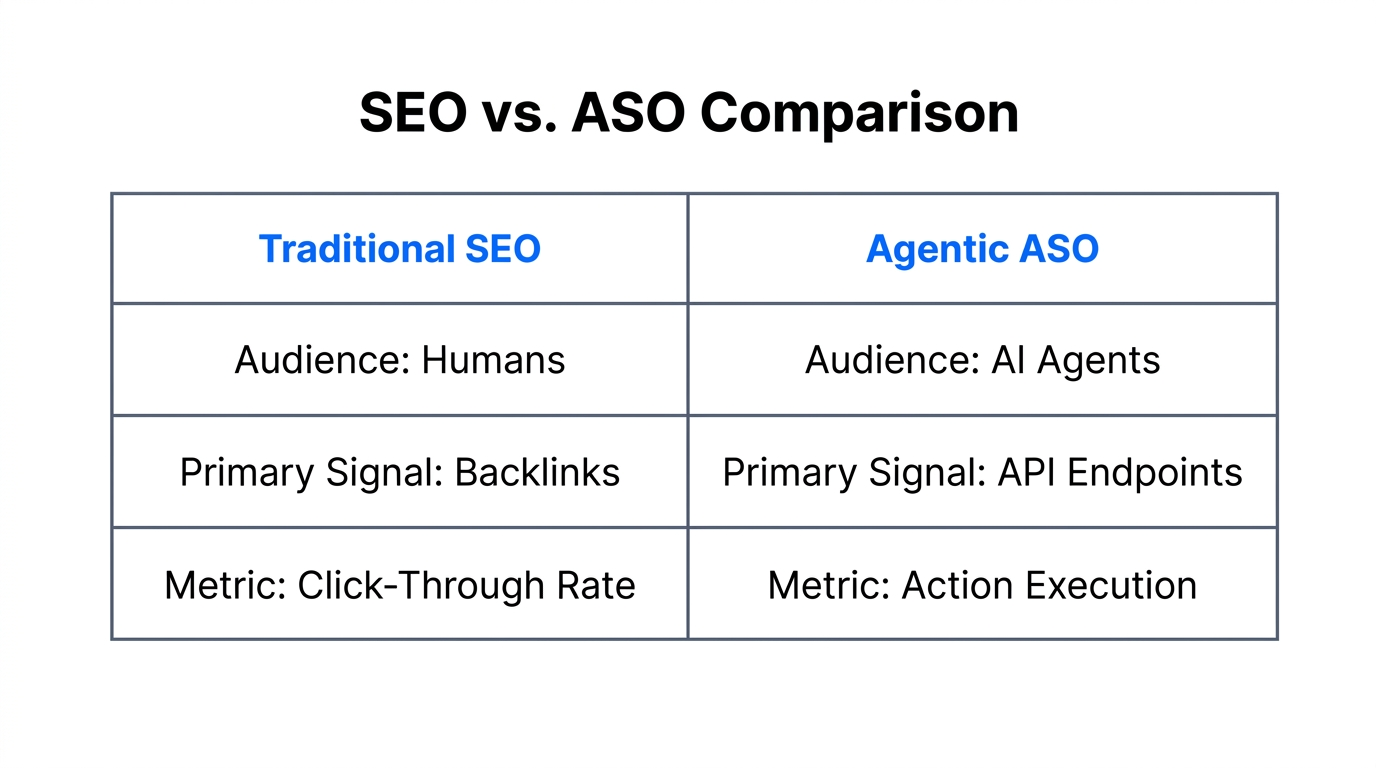
For decades, SEO was about pleasing an algorithm to reach a human. In 2026, the game is Business-to-Agent (B2A). According to recent market data, OpenClaw reached over 274,000 GitHub stars by March of this year, making it the fastest-growing open-source project in ecommerce history. The "Lobster Fever" has taken over, with 13.5 million social engagements surrounding agentic commerce in the last month alone, as reported by CARMA.
The efficiency gains are undeniable. Brands adopting agentic Go-To-Market strategies report a 55% increase in operational efficiency and a 35% reduction in marketing costs, according to research from Stormy AI. But to capture this efficiency, your data must be readable by the machines.
"OpenClaw isn't just a model; it's the hands and legs of the AI economy. You must optimize content so autonomous agents can discover and parse your brands." — Jacky Chan, CTO of Votee AI
Optimization Checklist: Structuring Data for AI Crawlers
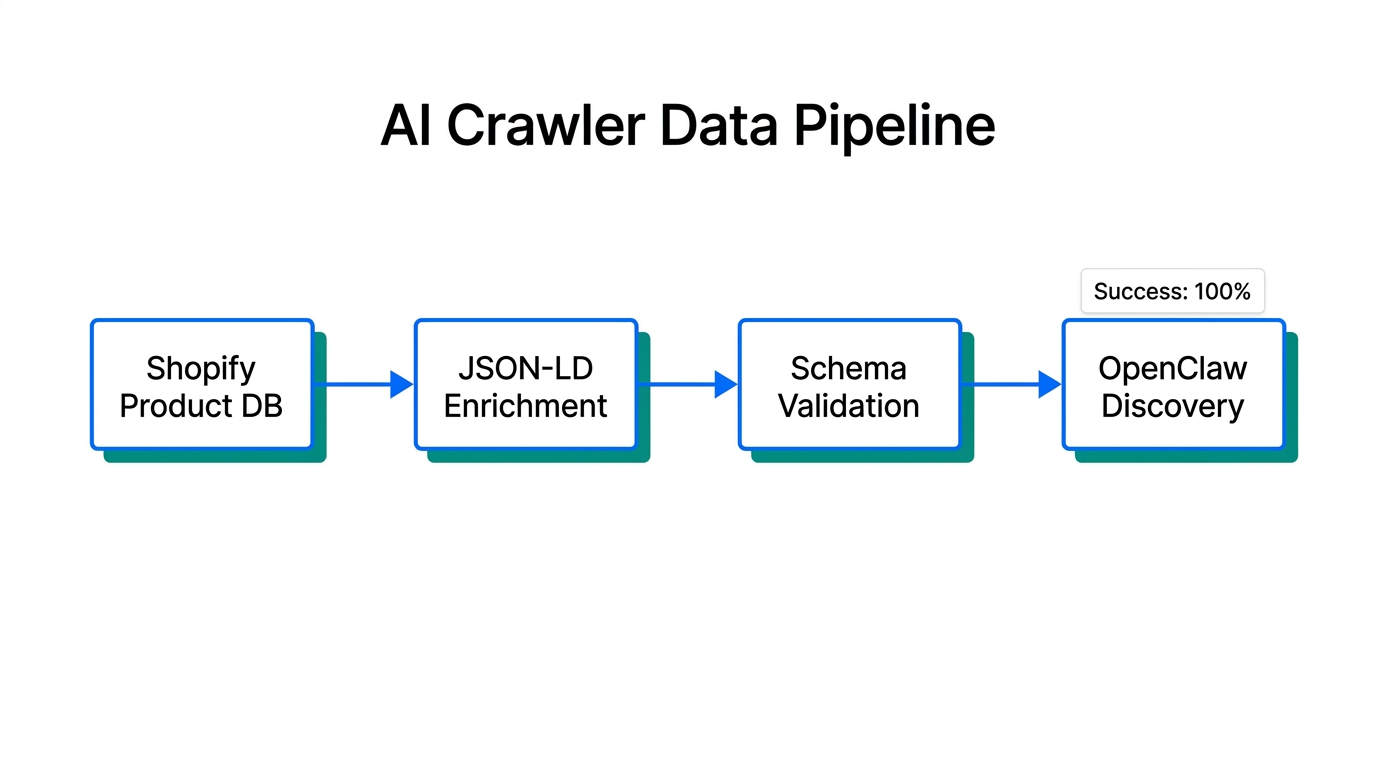
Traditional SEO focused on keywords and backlinks. OpenClaw search optimization focuses on Structured Data Cleanliness and Model Context Protocol (MCP) connectivity. If an agent cannot verify your inventory in real-time, it will skip your store to avoid the risk of a failed transaction.
1. Implement the Shopify MCP Connector
To let OpenClaw "read" your store, you must utilize a connectivity layer like Composio. This provides the primary Shopify MCP Connector, allowing agents to understand your store's hierarchy and real-time status. Building on the Model Context Protocol, this ensures your store is visible to the most sophisticated autonomous buyers.
2. High-Frequency Inventory Syncing
Agents prioritize stores with "High Confidence" data. If your inventory levels are only updated once a day, an agent will likely pass. Use a dedicated hosting solution like Tencent Cloud Lighthouse to host a 24/7 Clawbot that pushes real-time updates every 15 minutes.
3. Machine-Readable Descriptions
While humans love emotive storytelling, agents love technical specifications. Ensure your meta-tags include Weight, Dimensions, Material Composition, and Shipping Lead Times in a standardized JSON-LD format. This allows the AI to perform a multi-model consensus check between GPT-5 and Claude 4 to verify product suitability before purchase.
The Adzviser Advantage: Preventing Agent Hallucinations
One of the biggest risks in ASO is agent hallucination—where a Clawbot mistakenly believes a product is in stock or on sale based on cached, dirty data. To prevent this, professional Shopify merchants are turning to Adzviser.
Adzviser provides a secure MCP server for real-time sales reporting and revenue summaries. By maintaining a Clean Data Source, you ensure that the agents querying your store receive 100% accurate information. This is critical for AI search crawler marketing because agents are programmed with "circuit breakers" that black-list merchants who provide inconsistent data.
| Feature | OpenClaw (ASO) | Shopify Flow / Zapier (SEO Era) | |
|---|---|---|---|
| Logic | Reasoning: Understands context and exceptions. | Rules: Rigid If-This-Then-That logic. | |
| Data Access | System-level: (Browser, Desktop, APIs). | API-level only: Limited by app permissions. | |
| Update Speed | Real-time: 15-min Heartbeat intervals. | Reactive: Trigger-based only. | |
| User Focus | Agents: Optimized for machine parsing. | Humans: Optimized for visual appeal. |
As noted on Reddit's Entrepreneur circles, the cost of a misconfigured agent can be devastating. In late 2025, a boutique brand lost its entire marketing budget in four hours when an agent entered a recursive loop. Using tools like Adzviser to audit agent activity is no longer optional—it is a survival requirement.
Heartbeat Scheduling: The 15-Minute Rule
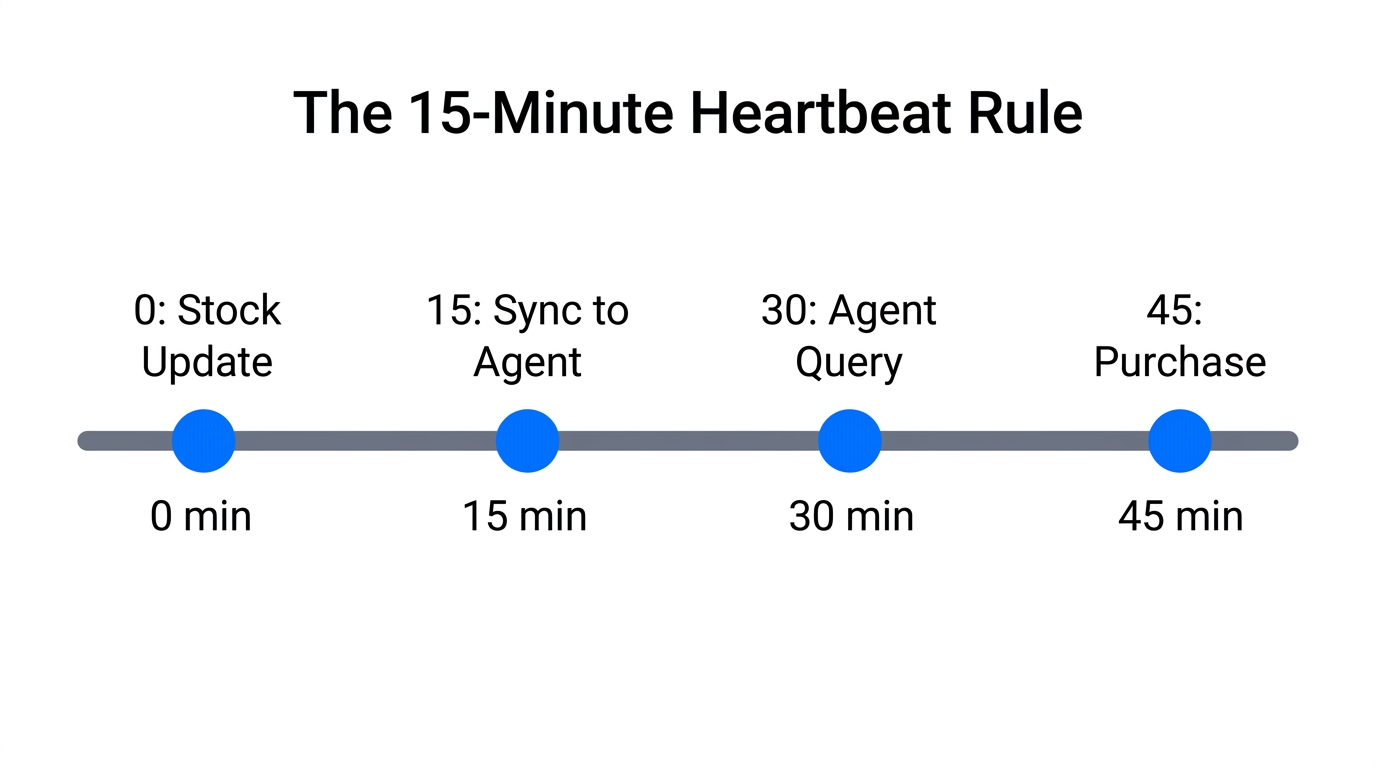
In the world of ASO for Shopify, recency is the ultimate ranking factor. Traditional search engines might crawl your site once a week; an OpenClaw agent expects a "Heartbeat" refresh every 15 minutes. This is a proactive check that autonomously fixes broken product pages, adjusts prices based on competitor scrapes, and updates inventory.
Managed services like Selzee (ClawCommerce) have emerged to handle this technical heavy lifting. These "AI Ecommerce Managers" act as a 24/7 audit team. For a starting price of $499/mo, they ensure your store’s data is never "stale," which is the #1 reason agents abandon a checkout.
"The agent economy reduces friction to near zero because the agent supports decisions that are already forming in the consumer’s mind." — Petralia, Ogilvy One
The 2026 ASO Playbook: 5 Steps to Dominance
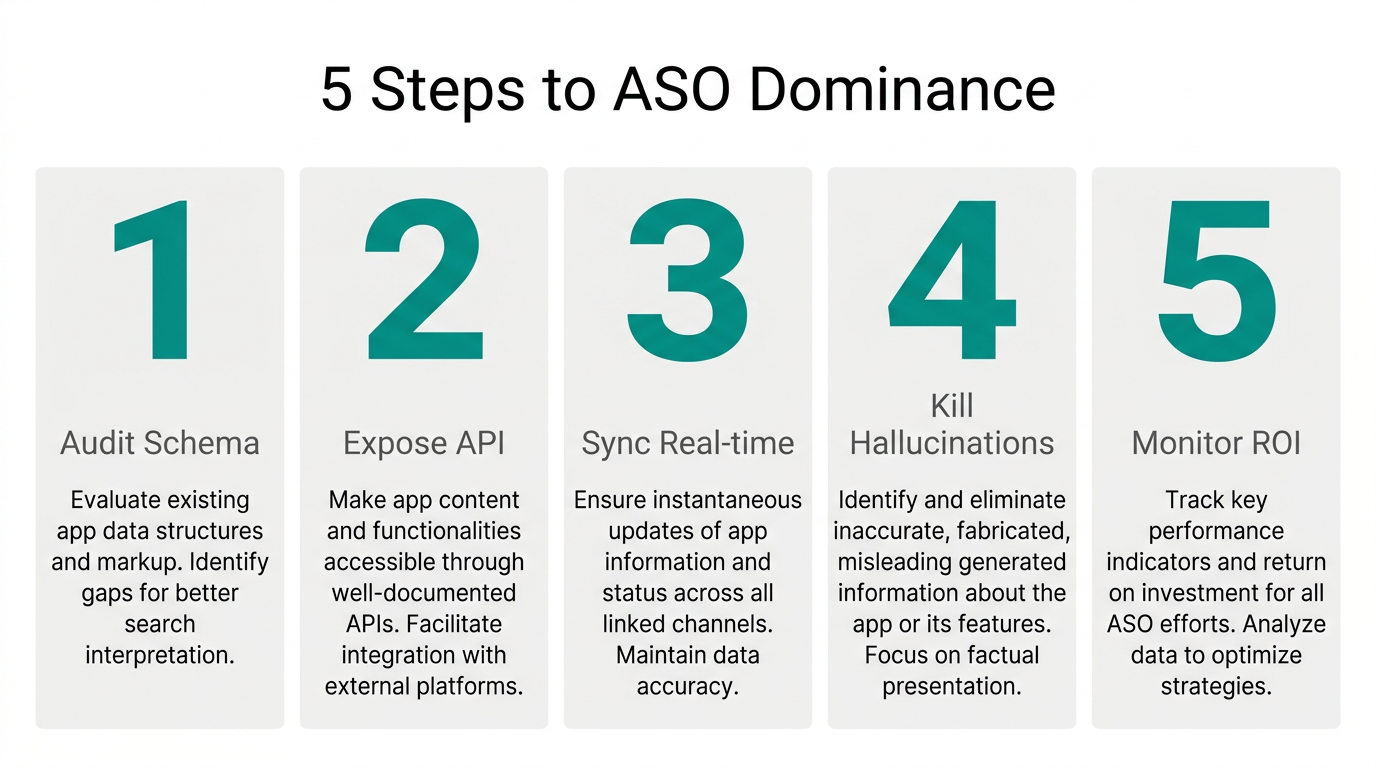
If you are ready to transition from manual marketing to autonomous growth, follow this deployment strategy:
- Infrastructure: Deploy OpenClaw via Docker on a 24/7 VPS like Tencent Cloud to ensure your brand's "agentic presence" never sleeps.
- Connectivity: Use the Composio Shopify Connector to link your store’s Admin API using the Model Context Protocol.
- Influencer Integration: Feed your influencer data from platforms like Stormy AI into your agent's knowledge base. This allows the agent to negotiate affiliate rates and ship samples autonomously.
- Safety Wrappers: Install Clawly (available via the Shopify App Store) to set spend limits and circuit breakers. Never give an agent `write_orders` permission without a human-in-the-loop (HITL) trigger for high-value transactions.
- Knowledge Injection: Feed your agent your Brand SOPs from Notion. This ensures that when the agent handles customer service or marketing, it maintains your unique brand voice.
Conclusion: The $8.5 Trillion Opportunity
The shift to Agentic Search Optimization is not just a technical update; it is the foundation of the next era of commerce. Social commerce, fueled by autonomous agents, is projected to hit $8.5 trillion by 2030, according to data insights from Stormy AI. Merchants who master ASO today will be the ones who own the market tomorrow.
By prioritizing data cleanliness with Adzviser, ensuring 24/7 connectivity via Composio, and utilizing OpenClaw search optimization, you aren't just selling products—you are building a machine-compatible brand. The era of B2A is here. Don't let your Shopify store get left behind in the human-only past.