Building an Autonomous Lead Research Pipeline with Clay and Gumloop in 2026
Learn how to build a 2026 lead research pipeline using Clay AI research agents and Gumloop. Move beyond scraping with autonomous lead arbitrage and personalized outreach.
In 2026, the era of "spray and pray" outreach hasn't just faded—it has been systematically dismantled by sophisticated AI filters and a growing human "Trust Tax." Today, the most successful growth teams have moved toward Autonomous Lead Arbitrage. This isn't just about scraping a list of names; it is about building a multi-source enrichment engine that 'surfs' the live web to identify specific, real-time pain points before a single email is ever drafted. By combining the workflow orchestration of Gumloop with the deep research capabilities of the Clay AI research agent, brands are seeing a 50% increase in sales-ready leads and a 60% reduction in customer acquisition costs, according to data from the Martal Group.
The Death of Static Scraping and the Rise of AI Arbitrage
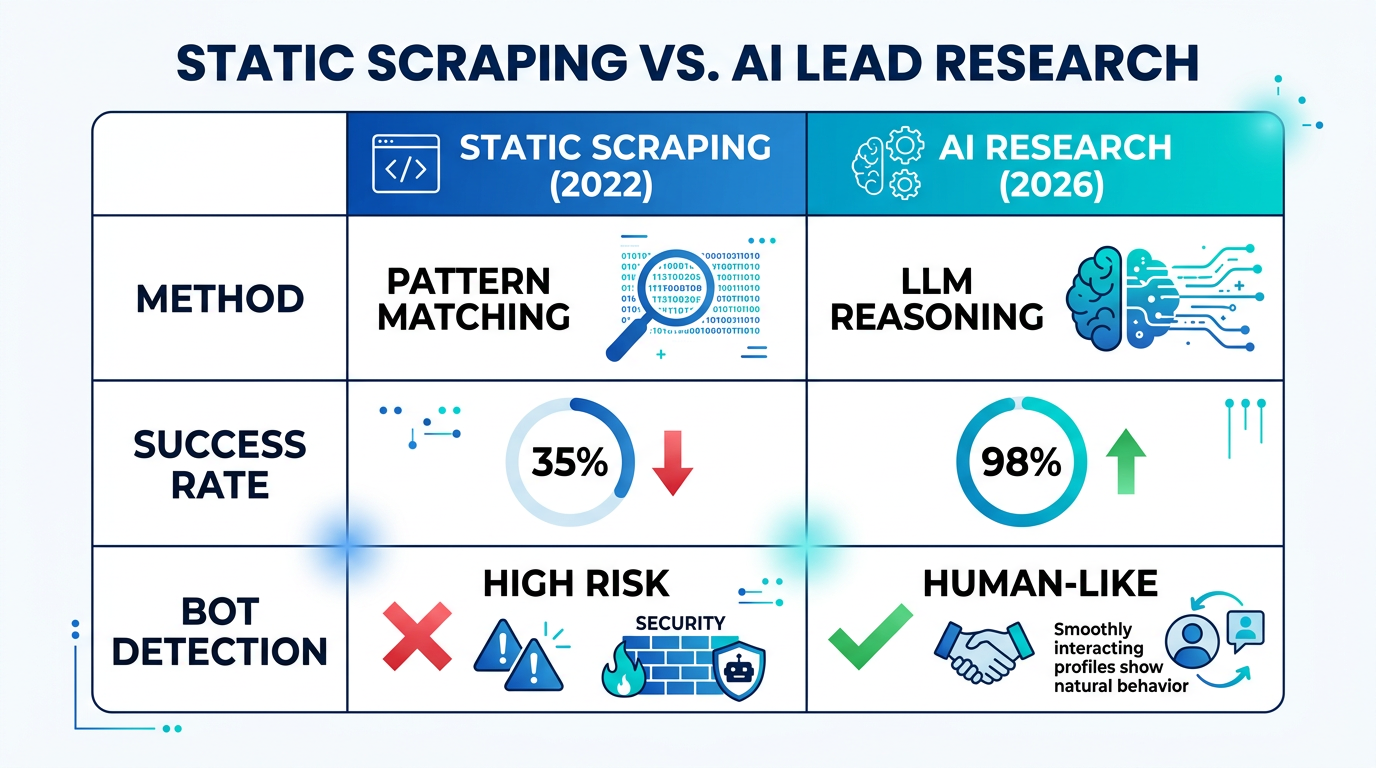
As we navigate 2026, the global lead generation industry has ballooned to nearly $295 billion. However, the barrier to entry has shifted. While 92% of businesses have invested in generative AI, according to the Digital Marketing Institute, only a fraction have mastered the art of automated context extraction. Traditional scrapers find who a person is; modern pipelines find why they need you right now.
"The new norm is uncertainty. Sellers are expected to respond faster, personalize outreach, and demonstrate value earlier in the cycle than ever before."
This shift has led to the rise of "Viral Hijacking." When a competitor's post goes viral on LinkedIn or X, practitioners no longer wait. They use tools like BeReach or PhantomBuster to monitor comments in real-time, identifying high-intent leads who are actively complaining about a problem their product solves. The goal is to bridge the gap between a lead's public signal and a personalized solution in under two hours.
Duct-Taping Scrapers to LLMs with Gumloop
The core of a modern 2026 pipeline is Gumloop lead automation. Think of Gumloop as the logic layer that "duct tapes" various data sources to Large Language Models (LLMs) like Claude or GPT-4. Instead of a linear CSV export, you build a branching workflow that reacts to the data it finds.
For example, a typical Gumloop workflow in 2026 follows this sequence:
- Trigger: A new comment appears on a specific LinkedIn post (via BeReach).
- Context Extraction: An LLM analyzes the comment text to determine if the user is asking a question, complaining, or just tagging a friend.
- Conditional Branching: If the intent is "High," the workflow triggers a deep enrichment sequence in Clay.

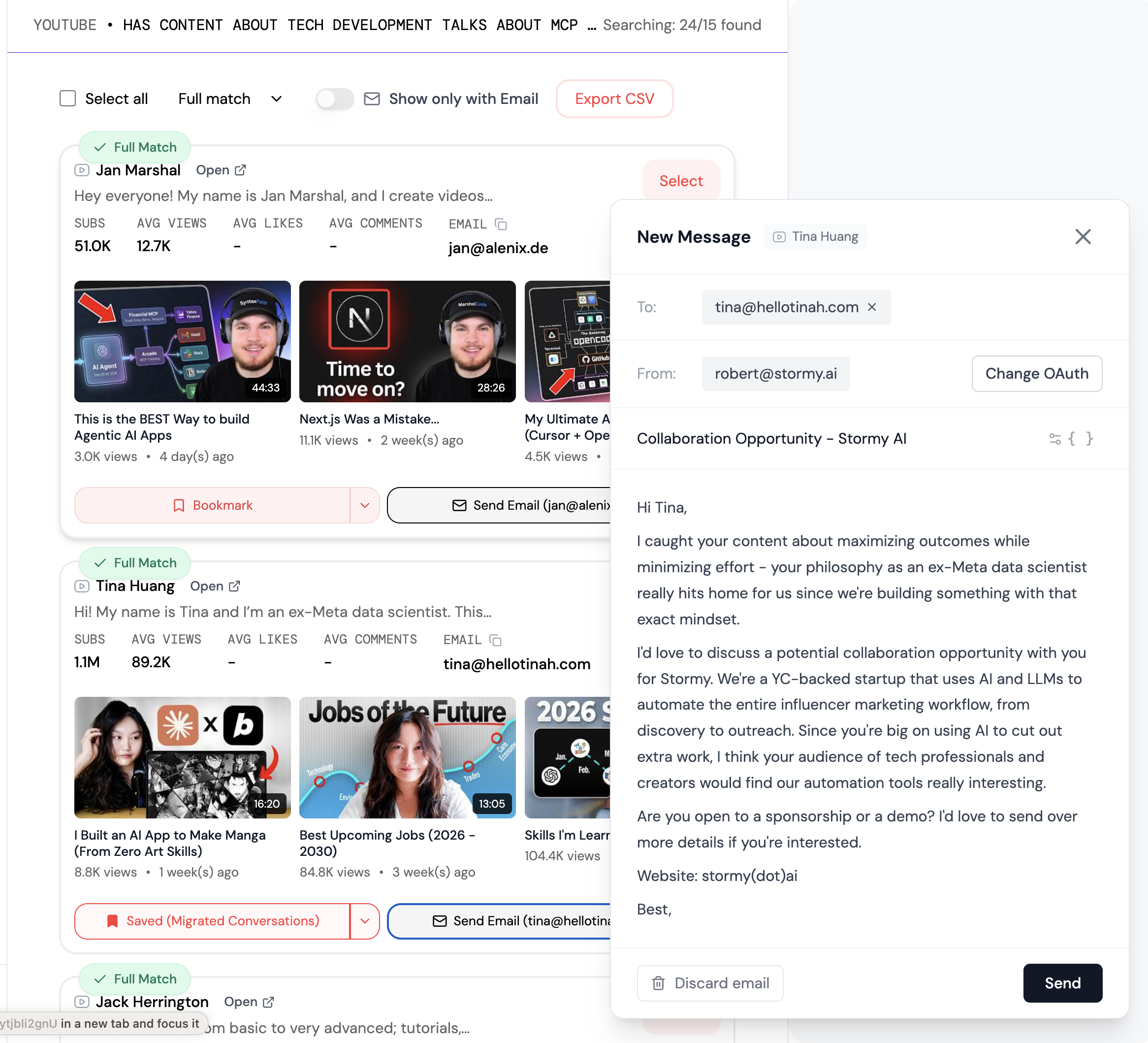
Platforms like Stormy AI have similarly revolutionized this discovery phase for influencer marketing, allowing users to find creators using natural language prompts like "UGC creators in London with high engagement on tech reviews." Integrating these specialized discovery tools into a broader Zapier or Gumloop flow ensures you are always targeting the right signals.
Leveraging the Clay AI Research Agent for Deep Personalization
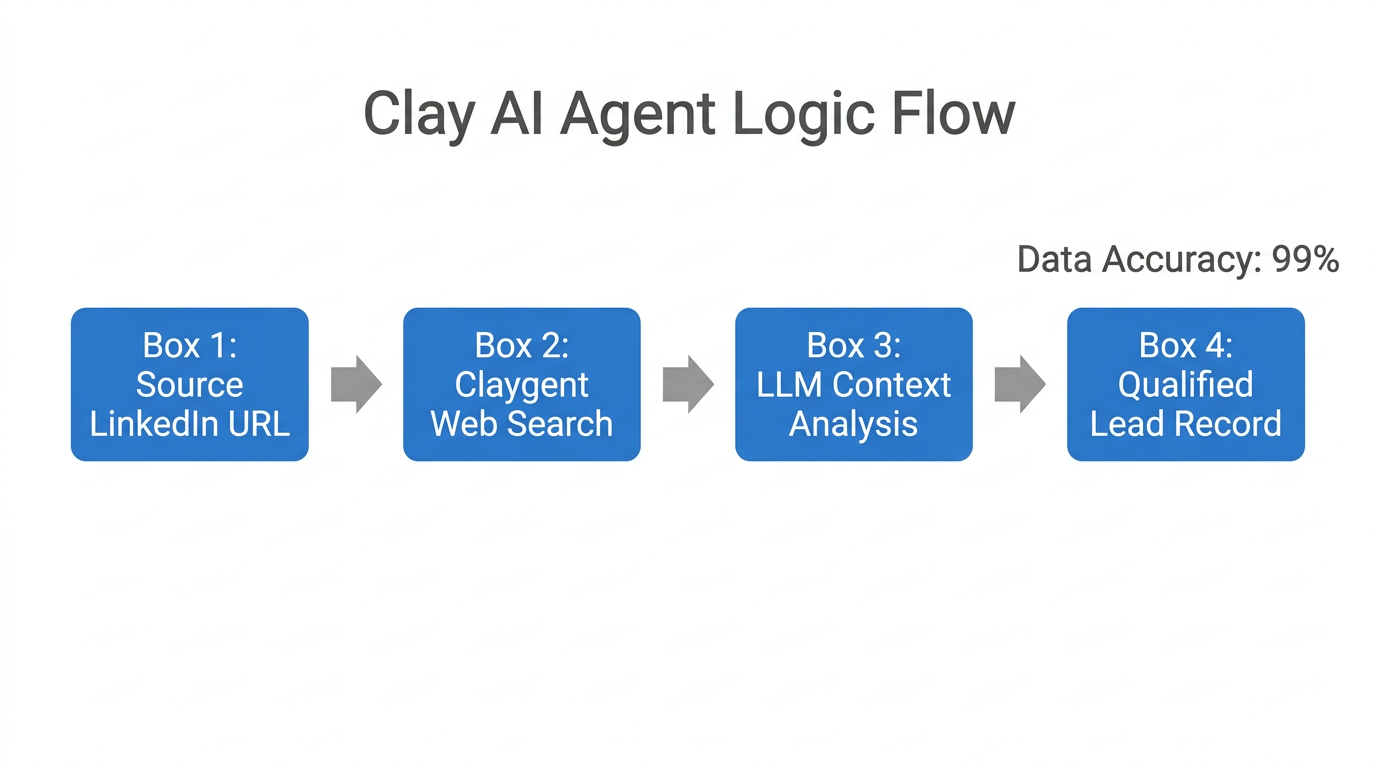
Once you have a high-intent signal, the Clay AI research agent takes over. Unlike static databases that might have outdated info, the Clay agent literally "surfs" the prospect's website, recent press releases, and LinkedIn activity to find 2026-specific pain points.
This allows for personalized outreach at scale that feels human. The agent can answer complex questions like: "Based on their last three blog posts, what is their current stance on remote work?" or "Has this company mentioned expanding into the EMEA market recently?" This data is then fed into an ICP (Ideal Customer Profile) Agent within Clay to filter out low-value leads, ensuring your sales team only spends time on Tier 1 opportunities.
| Strategy | Tooling | Pro | Con |
|---|---|---|---|
| Outbound Scraping | PhantomBuster, TexAu | Fast, high volume. | High ban risk; 31% restriction risk. |
| AI Arbitrage | Clay + Gumloop | Extreme personalization. | Higher technical setup cost. |
| AI Engagement | Inrō, BeReach | 14.6% conversion. | Requires official API compliance. |
| Manual Sniping | folk CRM | Maximum trust. | Not scalable; high human cost. |
Bypassing the "Trust Tax": Why "Too Perfect" is a Red Flag
A major hurdle in 2026 is the Trust Tax. According to Reddit community discussions and consumer studies, 62% of leads are less likely to engage if they suspect a message is 100% AI-generated. Furthermore, platforms like LinkedIn now use "Human-Only" detection to analyze typing cadence and scroll patterns, leading to a 340% increase in account bans for robotic behavior.
"If your AI response sounds too perfect, it is immediately flagged as a bot by the human lead, causing an instant drop in reach and trust."
To solve this, 2026 practitioners use "Jitter Logic"—randomizing delays between actions (30–120 seconds) and intentionally leaving minor, human-like imperfections in the copy. The goal is a hybrid approach: AI does the 90% of heavy lifting (research, drafting), but a human performs the final review to ensure the tone is right.
Structuring Omnichannel Chains: From LinkedIn to X in Minutes
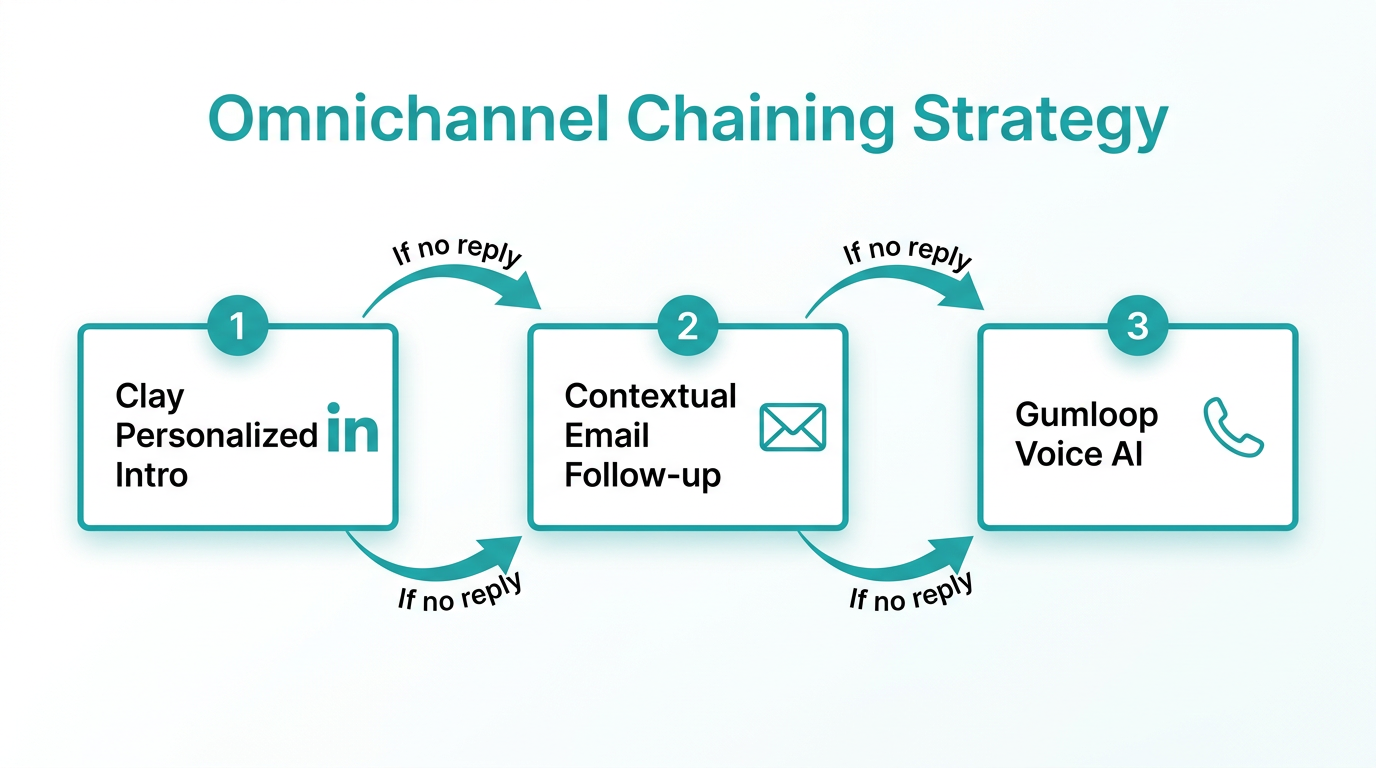
In 2026, a single-touchpoint strategy is a failing strategy. Omnichannel chaining involves taking a lead identified on one platform (e.g., a LinkedIn comment) and finding their profile on another (e.g., X or an email address) within minutes. Tools like Evaboot or Prospeo are essential here for finding verified professional emails with high deliverability rates.
The 2026 Omnichannel Playbook:
- Monitor & Scrape: Use PhantomBuster to export commenters from a competitor's viral thread.
- Enrich: Move data to Clay. The AI Research Agent finds their recent X posts or company news.
- Signal Bridge: Use Inrō or Stormy AI to send a personalized DM or email referencing the specific context of their original comment.
- Manage: Track the entire relationship in a Creator CRM to avoid double-contacting and manage deal stages.
Conclusion: The Future is Agentic
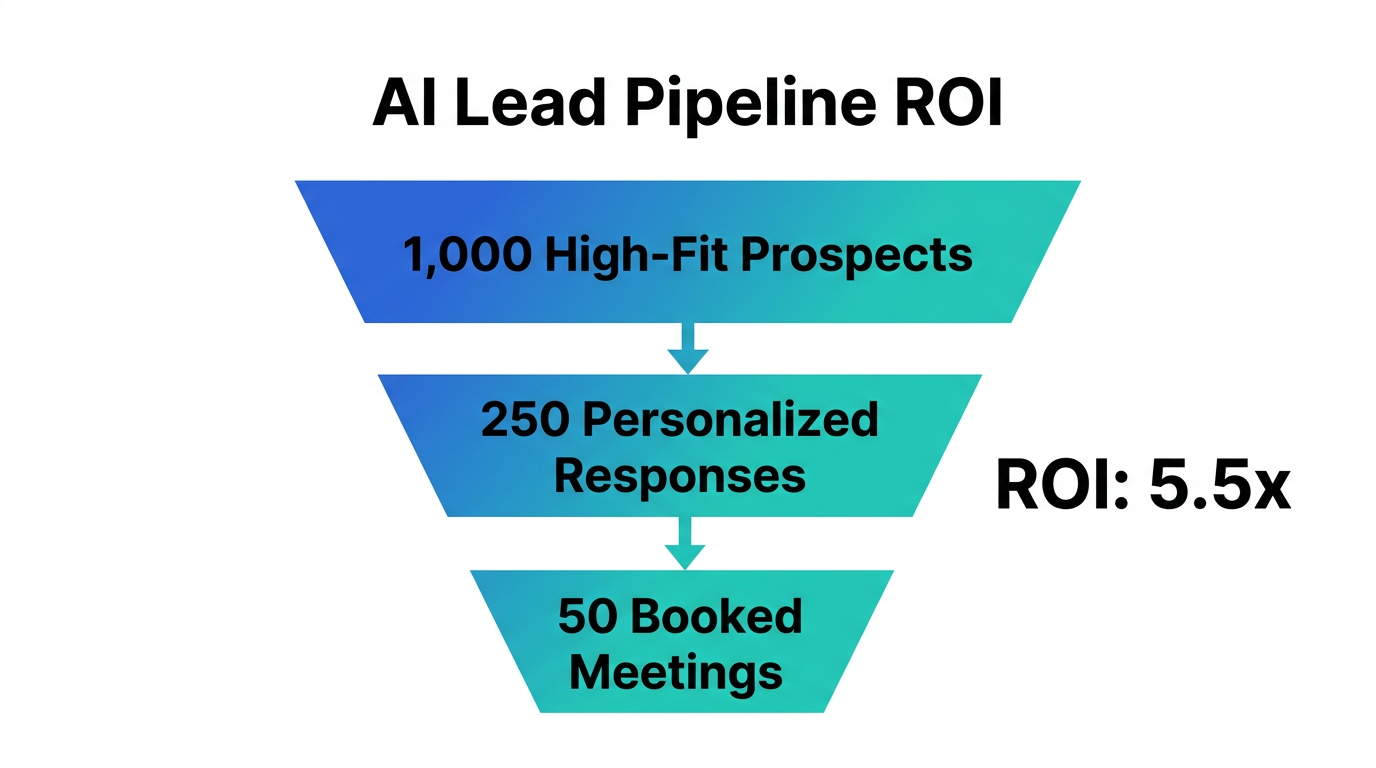
The winners of 2026 aren't those with the biggest lists, but those with the smartest pipelines. By integrating AI lead enrichment 2026 techniques—like Gumloop's no-code workflows and Clay's autonomous researchers—you can transform from a generic solicitor into a high-value consultant who arrives exactly when the prospect feels the pain.
Whether you are scaling a SaaS product or managing an influencer marketing campaign via Stormy AI, the lesson is clear: use AI to find the signal, but keep the human in the loop to maintain the trust. The "Trust Tax" is real, but for those who master the balance of automation and authenticity, the ROI has never been higher.