In 2026, the barrier to entry for starting a software company hasn't just been lowered—it’s been obliterated. We are officially in the era of the "Zero Human Company." While the dream of a fully autonomous business has been teased for years, the release of the Paperclip orchestration layer has finally provided the connective tissue needed to move from chat-based AI to agentic workforces. For founders, the goal is no longer to hire a team of ten engineers; it is to orchestrate a swarm of highly specialized AI agents that build, market, and scale your vision while you sleep.
This article serves as your comprehensive product launch playbook for the current year, utilizing the latest in Stormy AI for market discovery and Paperclip for execution. Whether you are building a fintech app or a blue-collar service marketplace, the GTM strategy 2026 requires a fundamental shift: moving from a manager of people to a curator of taste and values.
From 'Idea Browser' to Execution: The 2026 Hiring Plan
 2:33
2:33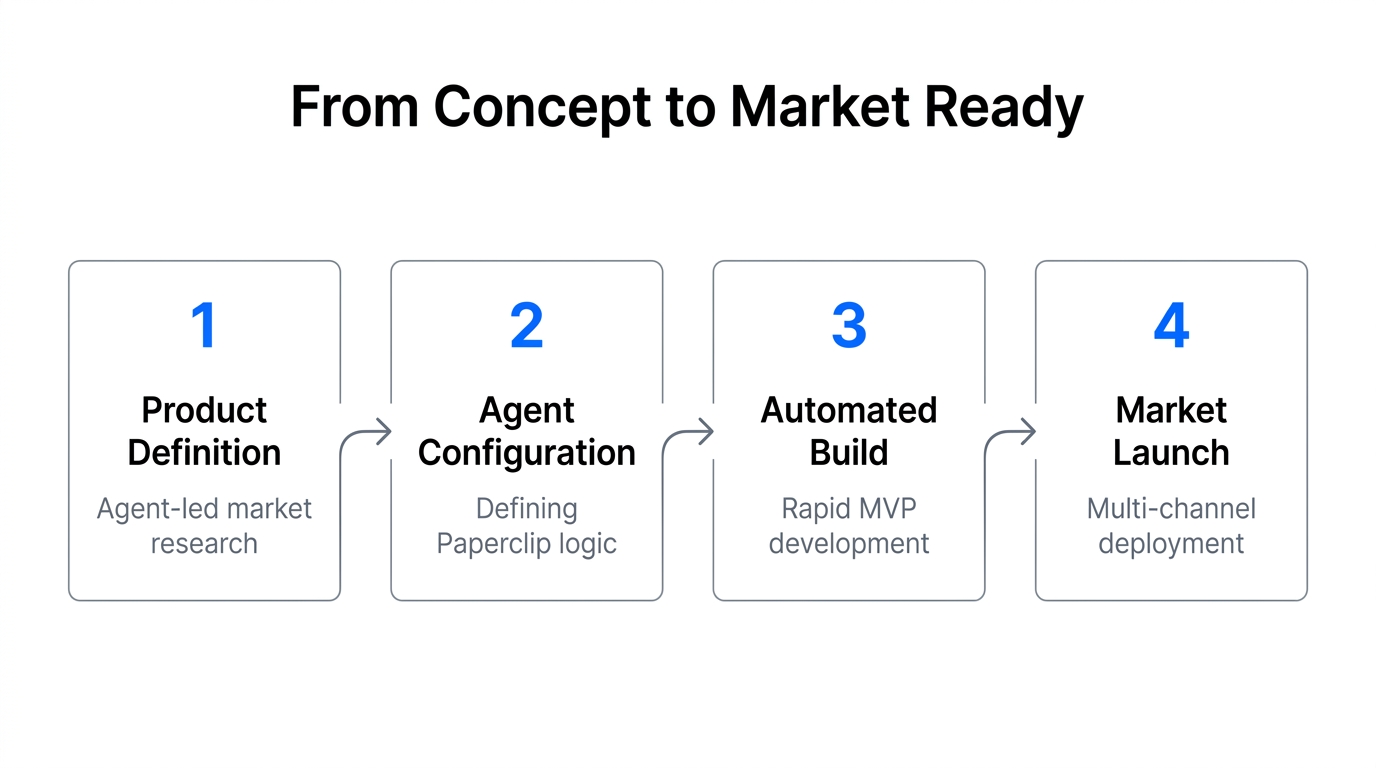
The first step in any AI entrepreneurship journey is moving past the blank cursor. In the past, you would spend weeks drafting a business plan. In 2026, you use the Paperclip Idea Browser. By feeding a raw concept—such as a "finance app that builds money habits in 3 minutes a day"—into the orchestrator, Paperclip instantly generates a foundational hiring plan.
When you input your idea, Paperclip suggests the initial organizational structure. For most startups, this begins with a CEO Agent. Using frontier models via Open Router, such as Claude Opus or GPT-5, the CEO agent acts as your primary point of contact. This agent doesn't just write code; it writes the roadmap. It identifies that you need a Founding Engineer, a QA Lead, and eventually a CMO.
"The goal of Paperclip is that you're thinking at a higher level—like the Board of Directors—while your CEO agent handles the mR goals and daily roadmaps."
The Founding Team: Building the MVP Scaffolding
9:53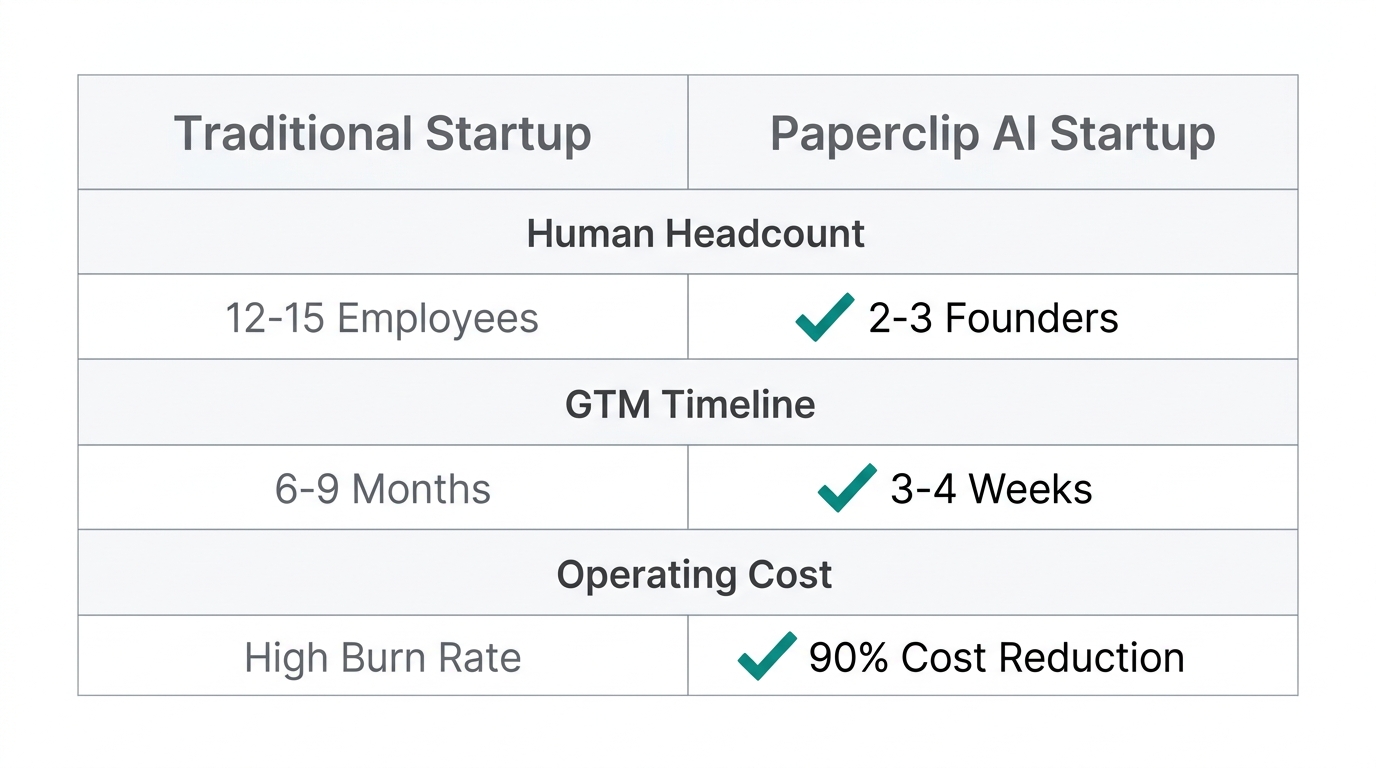
Once the hiring plan is approved, Paperclip spins up your Founding Engineer. In 2026, the most effective setup involves running these agents locally using tools like Claude Code or Codeex. The engineer agent begins building the "scaffolding"—setting up continuous integration, user authentication, and the core daily loop of your product.
One of the unique advantages of Paperclip orchestration is its ability to handle concurrency. You can tell your CEO to "run four engineers at once" to accelerate development, provided you have the token budget. However, to maintain quality, you must also hire a QA Agent. This agent uses tools like the Agent Browser or Playwright to actually click through your web app, ensuring that the UI alignment is perfect and that onboarding loops aren't broken.
| Agent Role | Recommended Model | Primary Tooling |
|---|---|---|
| CEO Agent | Claude 3.5 Opus / GPT-5 | Project Management, Hiring Plans |
| Engineer Agent | Claude Code / Cursor | Full-stack development, CI/CD |
| QA Agent | GPT-4o / Claude Sonnet | Agent Browser, Screenshot testing |
| CMO Agent | Gemini 2.0 / Llama 4 | Stormy AI discovery, Social strategy |
The 'Momento Man' Strategy: Maintaining Context
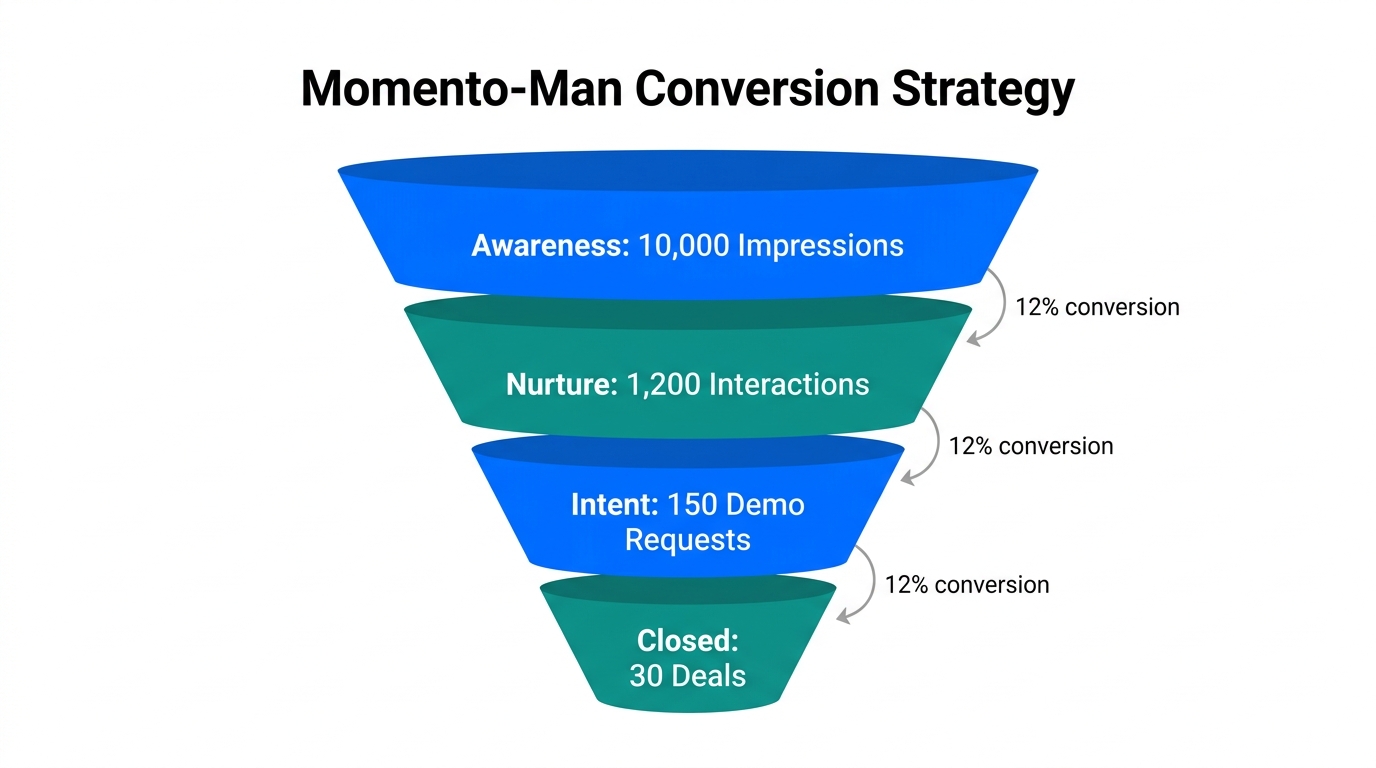
A common failure in startup automation is the "memory decay" of AI agents. Dota, the creator of Paperclip, refers to this as the "Momento Man" problem. Like the protagonist in the film Memento, AI agents are incredibly capable but wake up every morning with no memory of who they are or what they were doing.
To solve this, the 2026 GTM playbook relies on Heartbeat Instructions. These are "polaroid-style" notes written into the agent’s configuration that they read at the start of every cycle. A typical heartbeat checklist for a CEO agent includes:
- Fetching the latest agent identity and goals.
- Reading "Today's Plan" and checking for new assignments.
- Extracting relevant memories from the Parah Memory System.
- Defining a success condition for every task before delegating it.
"AI can do everything except know your values. You must become more aware of your values and communicate them through heartbeat instructions."
Market Validation: Using Satellite Data and Automated Routines
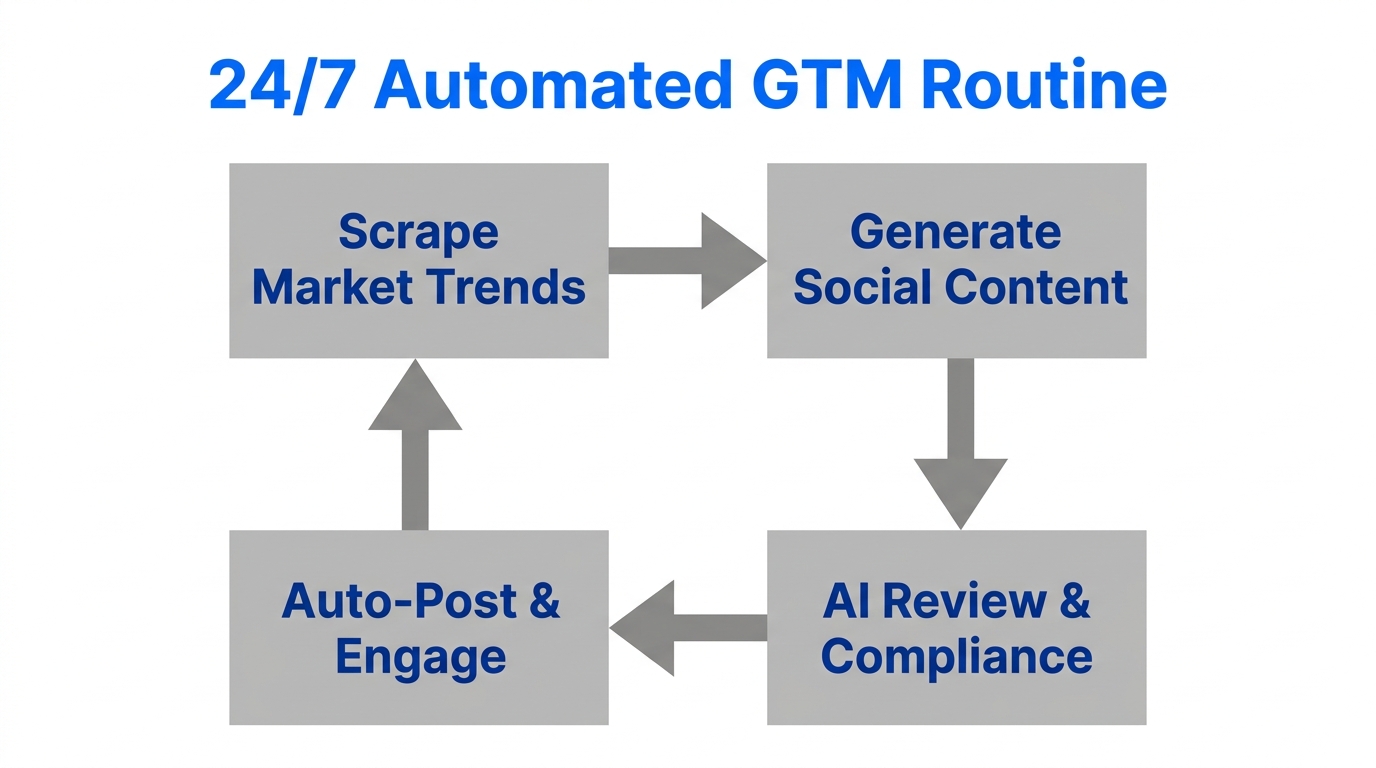
Execution is worthless without market validation. In 2026, leading startups use Paperclip to run automated "routines" that gather real-world intelligence. For example, a roofing company startup can use agents to scrape satellite imagery and hail storm data to identify high-intent leads in affluent neighborhoods.
By setting up a routine that runs every morning at 10:00 AM, your agents can:
- Identify areas recently hit by extreme weather using NOAA data.
- Cross-reference those addresses with property value databases like Zillow.
- Draft personalized outreach emails for local sales agents using Instantly.
- Manage the entire lead pipeline inside a specialized CRM.
For SaaS and app developers, this strategy involves using Stormy AI to find the right influencers for your niche. While Paperclip builds the product, your Content Strategist agent can use Stormy AI to identify micro-influencers on TikTok and YouTube who align with your brand values, then initiate automated outreach through the Stormy AI agent.
Importing Proven Teams: GStack and Community Agents
39:48You don't always have to build your organization from scratch. The startup automation ecosystem in 2026 allows you to "aqua-hire" proven agent teams. By importing configurations like Gary Tan’s GStack, you can bring an engineering culture inspired by Y Combinator directly into your Paperclip instance.
Community repositories such as the Don Cheetos Game Studio or Agency Agents provide over 100+ specialized agents with pre-installed skills. If you want to launch a video-heavy marketing campaign, you can import an agent with the Remotion skill already configured. This allows the agent to programmatically generate video ads without you needing to touch a single frame of a video editor like CapCut or Premiere.
"The future of entrepreneurship is downloading a tested organization that already knows how to run a TikTok agency end-to-end."
Scaling Operations: Monitoring Spend and QA
10:55One of the biggest hurdles in AI entrepreneurship is the "token burn." It is easy to wake up to a $500 API bill and no working code. Paperclip addresses this by tracking monthly spend in real-time. Interestingly, many 2026 founders are achieving a "$0 monthly spend" by leveraging existing Claude or Cursor subscriptions through local orchestration rather than raw API calls.
To scale responsibly, implement Maximizer Mode only when your MVP has reached a stable state. This mode allows the CEO agent to ensure someone is working 24/7, hiring new sub-agents as needed to hit a specific launch date. However, this should always be paired with an Eval Engineer—an agent whose only job is to perform "performance reviews" on your other agents to ensure they aren't repeating the same mistakes.
Conclusion: Your Role in the Zero-Human Company
As we move through 2026, the definition of a "founder" has evolved. You are no longer the one writing the code or the one sending the emails. You are the Director of Taste. Tools like Paperclip and Stormy AI have commoditized labor, but they cannot commoditize your vision.
To succeed with this product launch playbook, start small:
- Define your core mission in the Paperclip Idea Browser.
- Hire a CEO agent to draft your hiring plan.
- Set up heartbeat instructions to ensure the agents maintain context.
- Use Stormy AI to discover the human influencers who will amplify your agent-built product.
The models will continue to get better, but the need for clear communication and strong values will never change. Start orchestrating your future today.