Scaling a B2C SaaS to $1 million Annual Recurring Revenue (ARR) in just 10 months sounds like a Silicon Valley pipe dream, but for founders like Jacob and Alex, it was a reality built on a hyper-efficient b2c saas marketing strategy. By moving away from time-intensive service models and into a scalable no-code product, they tapped into the massive demand for automated content creation. Their journey highlights a critical shift in the modern software landscape: you no longer need a million-dollar engineering budget to build a million-dollar business. Instead, the focus has shifted toward low cac marketing tactics and the ability to leverage emerging social trends before the market becomes saturated.
The core of their success wasn't just technical; it was a masterclass in influencer marketing for startups and storytelling. By utilizing tools like Bubble to build their MVP without writing a single line of code, they were able to focus entirely on distribution. In a world where Customer Acquisition Cost (CAC) is skyrocketing for traditional paid channels, this playbook provides a roadmap for achieving viral growth hacking by aligning product incentives with the existing behaviors of creators and social media algorithms.
The Power of Storytelling Marketing: Why Your Background Matters

One of the most overlooked components of a successful saas customer acquisition strategy is the personal narrative behind the product. Jacob, a self-taught developer and former artist, spent years as a songwriter and producer. After being repeatedly disappointed by marketing agencies that failed to deliver results for his music, he took matters into his own hands. Using Google Ads and social strategies, he grew his own music to over a million streams. This background in the music industry wasn't just a fun fact; it was the foundation of the storytelling used to market his SaaS, Faceless Video.
Storytelling marketing allows a brand to connect with its audience on a human level, making the software feel less like a tool and more like a solution to a shared struggle. Alex, with a background in filmmaking, understood that users don't just want a feature; they want to participate in a story. When they launched their product, they didn't just list technical specifications. They told the story of how difficult it is to stay consistent with content creation on platforms like TikTok and Instagram. By framing the product as a way to solve the "consistency problem" through automation, they hit a nerve with thousands of creators.
For founders looking to replicate this, the lesson is clear: don't hide your background. Whether you come from art, finance, or fitness, your unique perspective provides the storytelling hooks that make your marketing memorable. In the crowded B2C market, a product with a soul will always outperform a generic utility. This is especially true when you are trying to convince early adopters to take a chance on a new application without a massive brand reputation.
How to Trigger Organic Influencer Marketing Without a Massive Budget
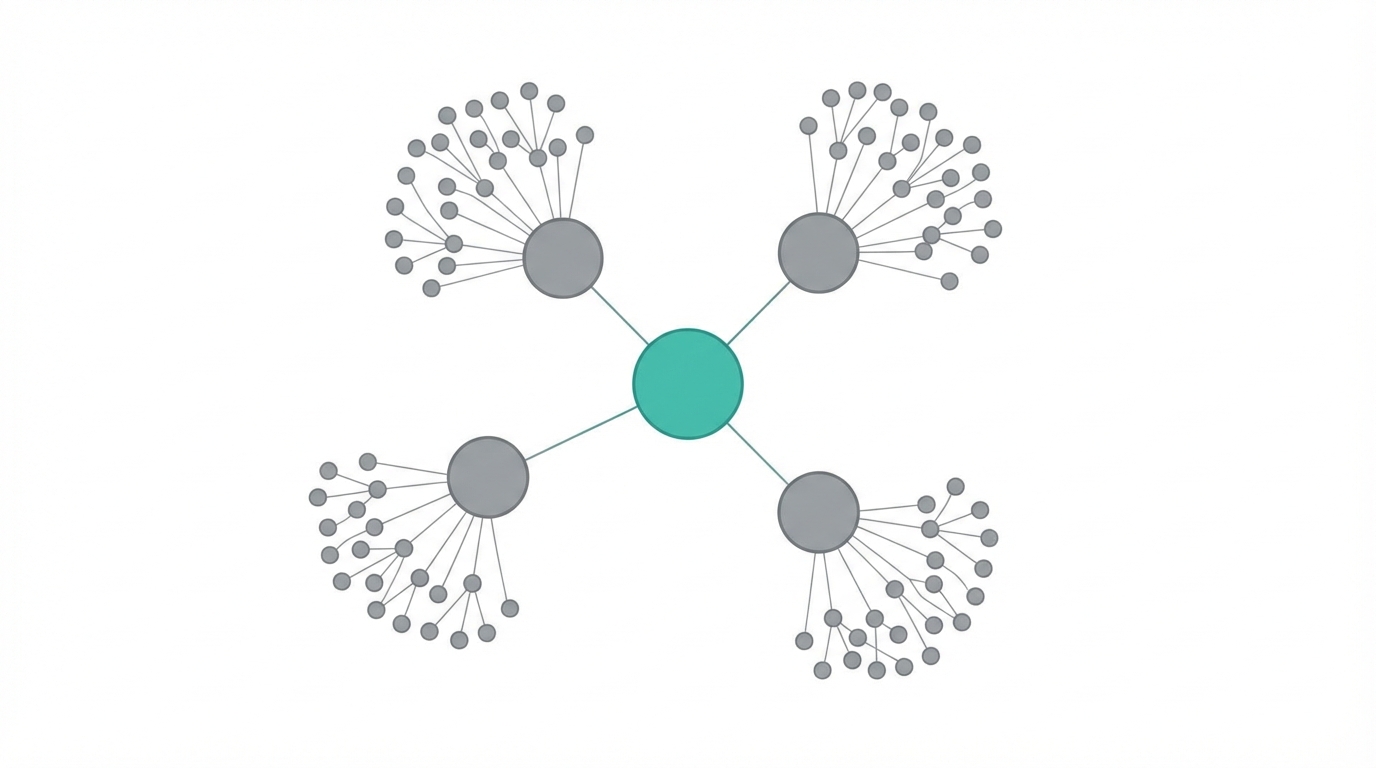
The holy grail of low cac marketing tactics is getting influencers to talk about your product for free. Many startups believe they need to pay thousands of dollars for a single shoutout, but Jacob and Alex discovered that virality often happens when you provide a tool that is so useful, influencers feel obligated to share it with their audience. When you build something that solves a pain point within an emerging trend—like faceless social media channels—influencers will naturally want to be the ones to "discover" it for their followers.
To scale this effect, savvy founders use AI-powered tools to identify the right partners before they reach out. Using Stormy's AI search for discovery across TikTok, YouTube, Instagram, LinkedIn, TikTok Shop, and newsletters, brands can find creators who are already talking about specific niches like AI automation or side hustles. By finding these creators early, you can initiate collaborations that feel organic rather than transactional. Stormy allows you to filter by niche, engagement, and audience quality across all major platforms, ensuring you aren't wasting time on creators with low-quality reach.
Once you've identified potential partners, the goal is to kickstart the growth cycle. Jacob and Alex found that their biggest growth spurts came when influencers who had seen their initial small-scale ads started promoting the product on their own. This happened because the product solved a genuine problem: the difficulty of daily video editing. When an influencer sees a tool that can save them or their audience hours of work, they are likely to share it to provide value to their followers. This is the ultimate influencer marketing for startups strategy—building a product that serves as its own marketing engine.
Using Low-Cost Twitter Threads and Social Ads to Kickstart Viral Growth

You don't need a $10,000 ad budget to see if an idea has legs. In fact, the Faceless Video team spent as little as $200 on a single thread on X (formerly Twitter) that generated hundreds of thousands of views. This is a classic example of viral growth hacking: using high-leverage, low-cost platforms to test messaging and gain initial traction. A well-crafted thread that tells a story, provides value, and includes a clear call-to-action can outperform a high-production video ad every day of the week.
The playbook for this is straightforward:
Step 1: Identify a trending topic or pain point.
Step 2: Create a long-form thread explaining how you solved it.
Step 3: Put a small amount of paid spend behind the post to get it past the initial algorithm hurdle.
Step 4: Engage with every single comment to keep the momentum going.
By using this approach, you are effectively buying data. You get to see which hooks resonate, which questions people ask, and what features they are most excited about. This data then informs your b2c saas marketing strategy moving forward. If a thread goes viral, you know you have product-market fit. If it falls flat, you've only lost a few hundred dollars rather than months of development time. This "fail fast" mentality is what allowed Jacob to move through six failed ideas before hitting the jackpot with his seventh.
Optimizing for Word-of-Mouth: Making the Product Shareable
For a B2C app to scale healthily, word-of-mouth must be a consistent top-five attribution source. In the case of Faceless Video, users frequently cited "a friend" as the reason they signed up. This doesn't happen by accident; it happens because the product is designed to be shared. When a user creates a viral video using an automated tool, they want to tell others how they did it. This natural incentive is the engine behind any successful saas customer acquisition strategy.
To maximize this, founders should focus on the "Aha!" moment—the point where the user first experiences the core value of the product. For an AI video app, it's the moment the finished video is generated. To accelerate this, you can use Stormy AI for influencer vetting and fake follower detection to ensure that the "word" is spreading to the right people who are actually likely to convert into paying subscribers. By understanding the audience demographics of the creators you work with, you can ensure your referrals come from high-quality sources.
Another way to optimize for word-of-mouth is to ensure you are first-to-market with a solution for an emerging trend. Jacob and Alex leveraged the rise of faceless channels on YouTube and TikTok. Because they were among the first to offer a fully automated solution for this specific trend, they became the default recommendation in the community. Being early to a trend is often more valuable than having the most features, as it allows you to capture the initial wave of organic interest and search volume.
Tracking Attribution: Identifying the Gap Between Paid and Viral Reach

One of the biggest challenges in a modern marketing stack is accurately identifying where your users are coming from. While you might spend money on Meta Ads Manager, the actual conversion might happen days later after a user sees an organic post from an influencer. This "attribution gap" can lead founders to shut down profitable ads because they don't see the direct ROI, even though those ads are fueling the organic fire.
Effective low cac marketing tactics require a robust way to monitor cross-platform performance. With Stormy's post tracking and analytics dashboard, you can monitor specific videos, likes, and engagement across all major social networks in one place. This allows you to see the ripple effect of your marketing efforts. For example, if you run a small ad campaign on X, and three days later an influencer on TikTok posts about you, Stormy can help you track the resulting surge in engagement and views, giving you a clearer picture of your viral growth hacking success.
Jacob and Alex used simple customer attribution surveys—asking "How did you hear about us?"—to bridge this gap. When "friend" or "influencer" consistently appears alongside your paid efforts, you know your influencer marketing for startups strategy is working. This holistic view of the funnel prevents you from making short-sighted decisions based on incomplete data. It also helps you identify which specific creators are driving the most long-term value, allowing you to double down on those relationships using the Stormy AI creator CRM for managing deal stages and collaboration history.
Conclusion: Failing Fast and Scaling Smart

The journey from zero to $1M ARR in 10 months is a testament to the power of combining modern no-code tools with a savvy b2c saas marketing strategy. By staying bootstrapped, founders like Jacob and Alex were forced to build lean and focus on true value rather than burning cash on inefficient acquisition. Their success proves that with the right storytelling, a focus on low-cost viral triggers, and a product that solves a real-world pain point, anyone can build a profitable SaaS business in today's AI-driven economy.
As you build your own marketing engine, remember the three core pillars: fail fast by testing ideas with low-cost social threads, optimize for virality by building shareable product moments, and leverage AI to manage the complexity of influencer relationships. Whether you are using Stormy's AI outreach with auto follow-ups to automate your creator collaborations or building your MVP on a no-code platform, the goal is the same: spend less time on manual tasks and more time on the high-leverage strategies that drive growth. The tools are available; all that's left is for you to start building and sharing your story.