Scaling a mobile app to over a million users usually conjures images of massive venture capital rounds, aggressive performance marketing budgets, and expensive billboard campaigns. However, the story of Chris, the founder of a simple wishlist app, proves that a focused app store optimization strategy and a relentless commitment to organic feedback can achieve the same results for exactly zero dollars. By turning a side project into a $150,000 per year business with 1.1 million registered users, he demonstrated that growth isn't always about how much you spend, but how well you listen to your users. This guide breaks down the exact playbook for achieving organic scale through social proof, strategic review prompts, and user-centric development.
The ASO Foundation: Why Simplicity Wins Organic Discovery

In the crowded landscape of the App Store, many developers fall into the trap of feature bloat, hoping that more functionality will lead to better visibility. The reality of how to market an app for free often lies in the opposite direction. Chris’s journey began with a simple observation: existing wishlist solutions were either over-complicated or lived inside cluttered notes apps. By building a dedicated, aesthetically pleasing wishlist app, he solved one specific problem exceptionally well. This clarity is the cornerstone of effective app store optimization because it allows your app to own a specific, high-intent keyword niche.
When your app does one thing—like managing a Christmas list or a birthday registry—the App Store algorithm can easily categorize you. High relevance leads to higher rankings for specific search terms. Chris leveraged Flutter to build a cross-platform experience that felt native and lightweight. This technical simplicity meant that when users searched for a wishlist, his app appeared at the top because its metadata and user behavior signals were perfectly aligned with that single intent. Instead of competing for broad terms like 'utility' or 'productivity,' he dominated the 'wishlist' niche, proving that solving one problem is the ultimate mobile app growth hack.
The 'Friends and Family' Launch: Overcoming Initial Friction
The hardest part of any app store optimization strategy is getting those first 100 reviews. Without reviews, your app looks like a ghost town, and the algorithm won't give you the time of day. Chris admitted that the early stages were 'super awkward,' as he had to manually ask every friend, family member, and colleague to download the app and leave a rating. This stage is non-negotiable for zero-budget growth. These initial reviews provide the social proof necessary to convince a total stranger to click 'Get' on your app listing.
However, once you move beyond your immediate circle, you need a scalable way to find advocates. This is where AI-powered discovery becomes a game-changer. While Chris grew purely through manual word-of-mouth, modern developers use Stormy's AI search to find micro-influencers and niche creators who already talk about similar tools. Instead of guessing who might like your app, you can use natural-language prompts to find creators in specific niches—like 'minimalist tech reviewers' or 'organization influencers'—who can provide that secondary wave of social proof that carries you from 1,000 to 100,000 users.

The Review Pipeline: Engineering 'User Delight'
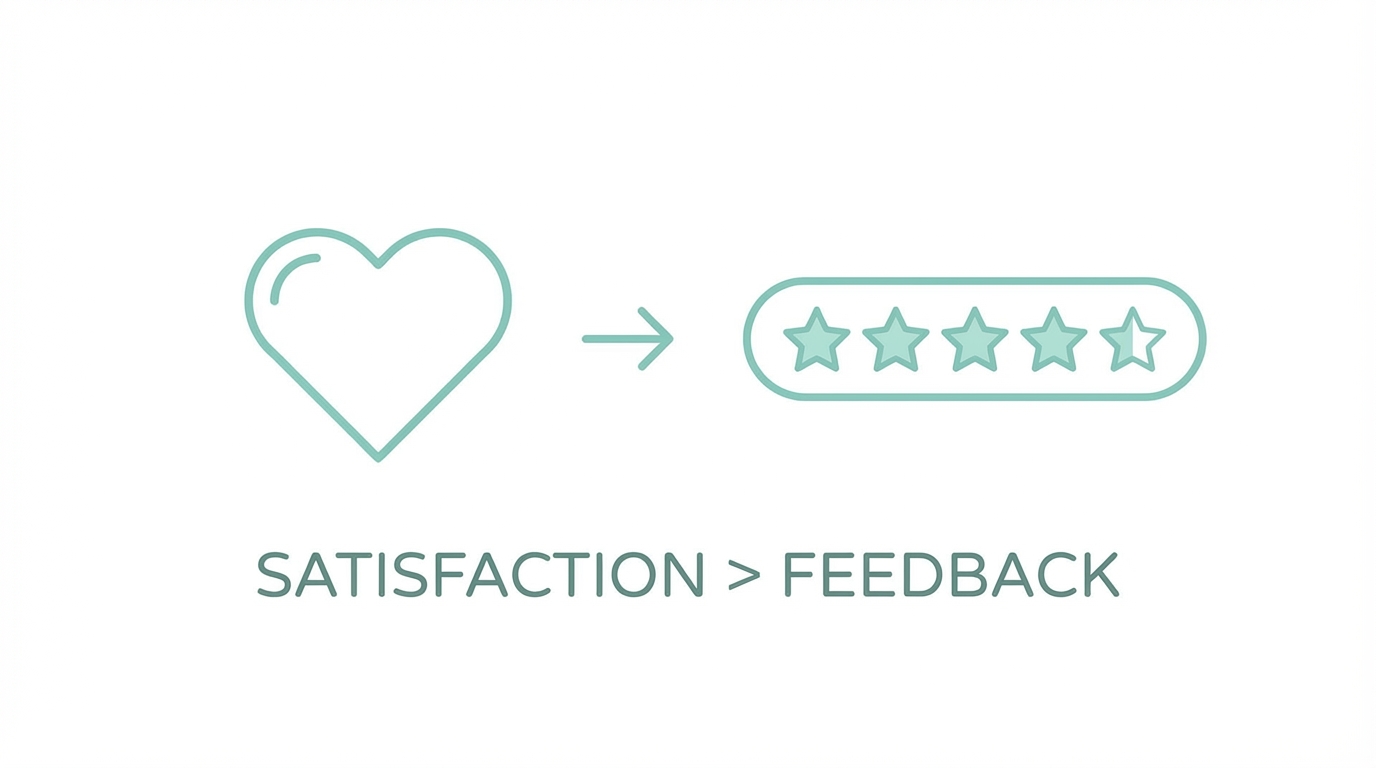
One of the most effective mobile app growth hacks is the strategic timing of in-app review requests. Most apps make the mistake of asking for a review as soon as the user opens the app for the second time. This is intrusive and often leads to 1-star reviews from annoyed users. Chris’s secret was to implement a customer feedback loop that only triggered at the exact moment of 'user delight.' In his wishlist app, this meant showing the review prompt only after a user successfully added a wish or fulfilled a wish for someone else.
By asking for a review when the user feels a sense of accomplishment, you significantly increase app store reviews with 5-star ratings. This isn't just about getting more stars; it's about the velocity of those ratings. The App Store rewards apps that show a consistent stream of positive sentiment. Chris used RevenueCat to manage his in-app purchases and subscriptions, but the core of his growth remained this psychological timing. When a user is happy, they are more likely to become a vocal advocate. If you want to scale further, you can even use Stormy AI for influencer vetting and fake follower detection to ensure your growth isn't just coming from bots or low-intent traffic.
Personalized Support as a Marketing Engine
Perhaps the most unconventional part of Chris’s strategy was how he handled support. Instead of seeing support emails as a burden, he viewed them as a direct line to 5-star reviews. He integrated a simple support system early on and personally responded to every email. His customer feedback loop was simple: when a user reported a bug or requested a feature, he didn't just fix it—he followed up. He would email the user back saying, 'Hi John, I just fixed that issue for you. How does it look now?'
This level of 1-to-1 personalization is rare in the app world. Once the user responded positively to the fix, only then would he ask: 'Since I could help you, would you mind leaving a quick review?' This tactic turned frustrated users into the app’s biggest fans. For founders looking to scale this 'personal' feel without the manual labor, Stormy's AI email outreach can mimic this hyper-personalized approach. While Chris did this for users, you can use AI to send personalized emails to hundreds of creators simultaneously, referencing their specific content style and explaining why your app fits their audience, creating a similar 'delight' loop on a much larger scale.
Building a 'Support-to-Feature' Growth Loop
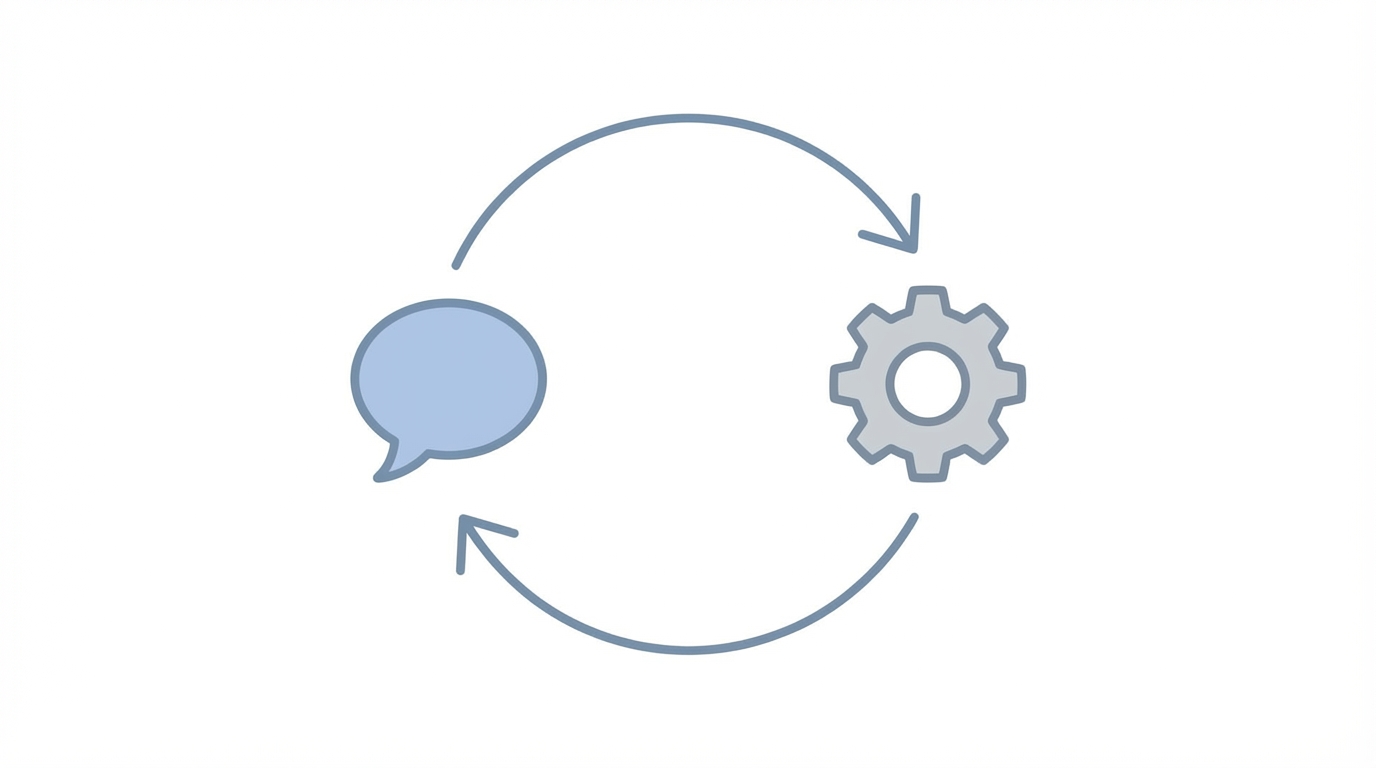
Long-term retention and mobile app growth hacks depend on building what users actually want, not what you think they want. Chris maintained a 99% profit margin by keeping his tech stack lean—using Firebase for his backend and analytics—but his real 'stack' was his backlog of user requests. By building a user-centric development process, he ensured that every update he shipped was something a portion of his 110,000 monthly active users had specifically asked for.
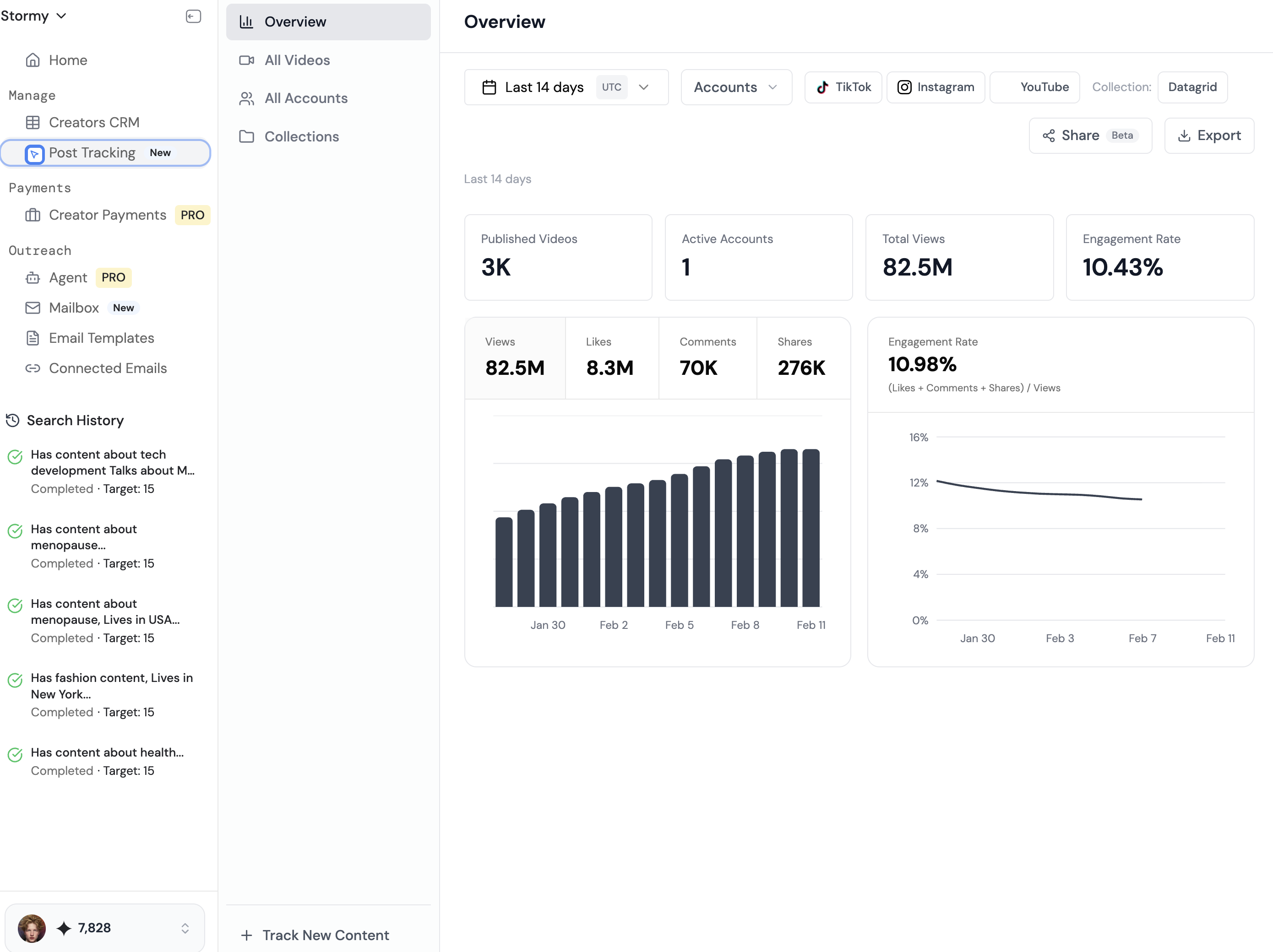
This creates a virtuous cycle: users feel heard, they stay longer (high retention), and they tell their friends (word-of-mouth). This organic spread is what eventually led to 1.1 million registered users. To track how these features actually impact your visibility, you need data. Using tools like Google Analytics or deep-linking services like OneLink helps you see where users are coming from. If you are running influencer campaigns to supplement this organic growth, Stormy's post tracking and analytics dashboard allows you to monitor exactly how much engagement and 'buzz' each creator is generating, linking social sentiment directly to your App Store ranking improvements.
Scaling Beyond the Million: The Role of AI in Organic Growth
Once you’ve nailed your app store optimization strategy and have a solid base of 5-star reviews, the next step to reach 5 or 10 million users often involves tapping into established audiences. Chris’s app makes money through Amazon affiliate links, meaning the more people use the app to share their wishes, the more he earns. This model is perfectly suited for creator collaborations.
Instead of manually searching for creators on TikTok or YouTube, savvy developers now use an autonomous AI agent. You can set up Stormy's AI agent to discover, outreach, and follow up with creators on a daily schedule. This allows you to maintain the 'personalized' outreach Chris used for his support emails, but applied to thousands of potential partners. By connecting multiple Gmail accounts and using AI to handle the back-and-forth, you can build a massive 'army' of advocates while you sleep, further fueling the organic engine that started with just a few reviews from friends and family.
Conclusion: The Marathon of Zero-Budget Growth
The story of Chris and his wishlist app is a testament to the power of the customer feedback loop. It took him five years to transition from a full-time employee to a full-time founder, proving that mobile app growth is a marathon, not a sprint. By focusing on a simple problem, timing review requests perfectly, and treating support as a marketing channel, he built a sustainable $150k/year business without spending a dime on ads. For any developer wondering how to market an app for free, the lesson is clear: start small, prioritize your users, and use modern AI tools like Stormy AI to manage creator CRM and amplify your organic success. If you can solve one person's problem, there are likely a million more just like them waiting to find your app.