In the high-octane world of Silicon Valley, where success is often measured by the height of your glass tower and the size of your latest Series E, Zapier remains the ultimate outlier. Founded in 2011 in Jefferson City, Missouri, a town better known as the state capital than a tech hub, Zapier has quietly built an unbreakable distribution web. As of 2026, the company is marching toward $1 billion in annual recurring revenue (ARR), having raised a measly $1.3 million in total outside funding. This isn't just a success story; it is a masterclass in low-ego, high-utility distribution that every founder needs to study.
The 'Everyman' Advantage: Scaling Without the Silicon Valley Bubble
 41:20
41:20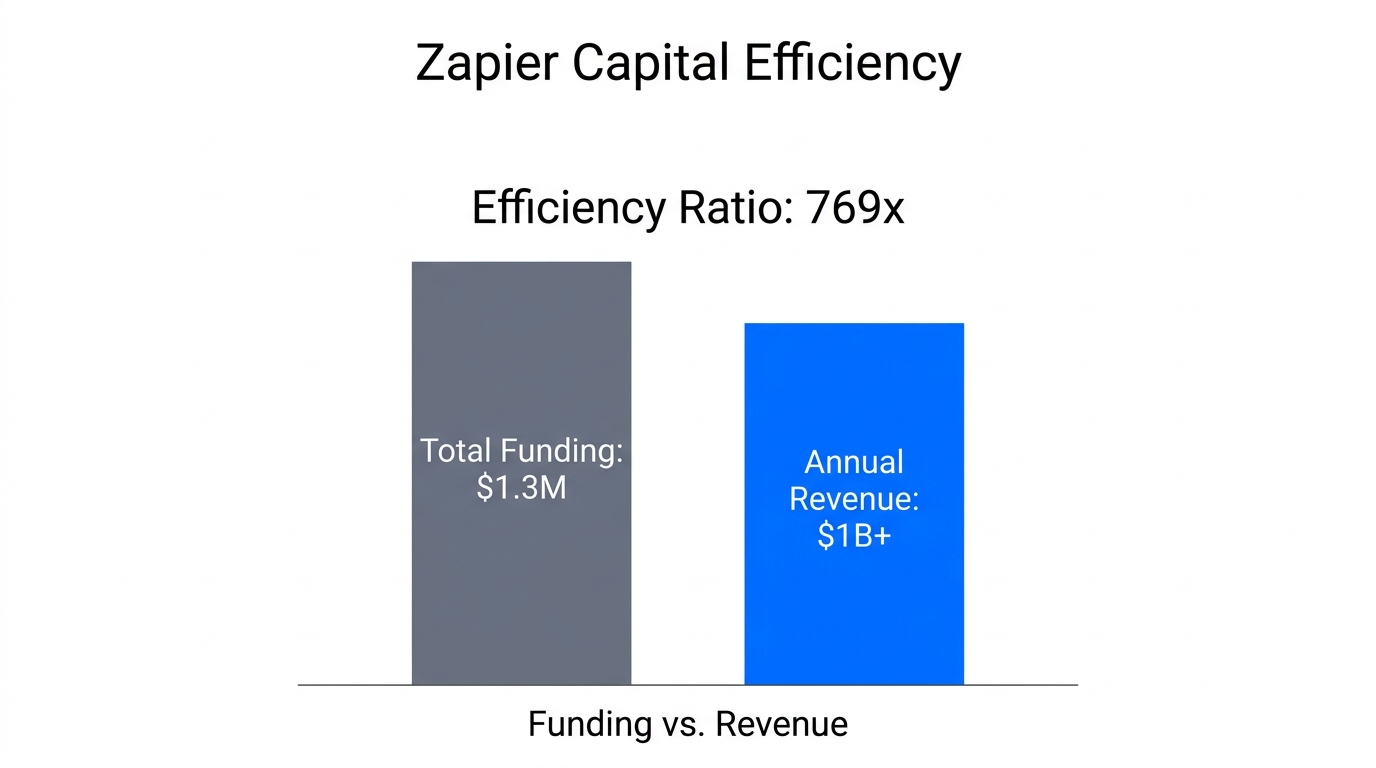
Wade Foster, the co-founder and CEO of Zapier, doesn't look like a typical tech titan. While other founders are busy "manifesting" in Lake Tahoe or building elaborate personal brands, Wade remains a "nerd in the weeds," a self-described everyman who still lives in Missouri. This unassuming nature is actually a competitive moat. By staying outside the echo chamber, Wade avoided the distractions that sink most startups: the pressure to over-hire, the obsession with status, and the trap of "fake work."
Wade's approach proves that SaaS customer acquisition doesn't always need a flashy face. In fact, Wade has often stated that he wants the brand to be the face, not himself. This is a recurring theme among high-performers. Much like the founders of Buck Mason, who spent over a decade perfecting the basic t-shirt before reaching massive scale, Wade understood that consistency and pain tolerance are the bedrock of compounding growth. He didn't build Zapier to be "cool"; he built it to be essential.
The Distribution Web: Integration-Led Growth
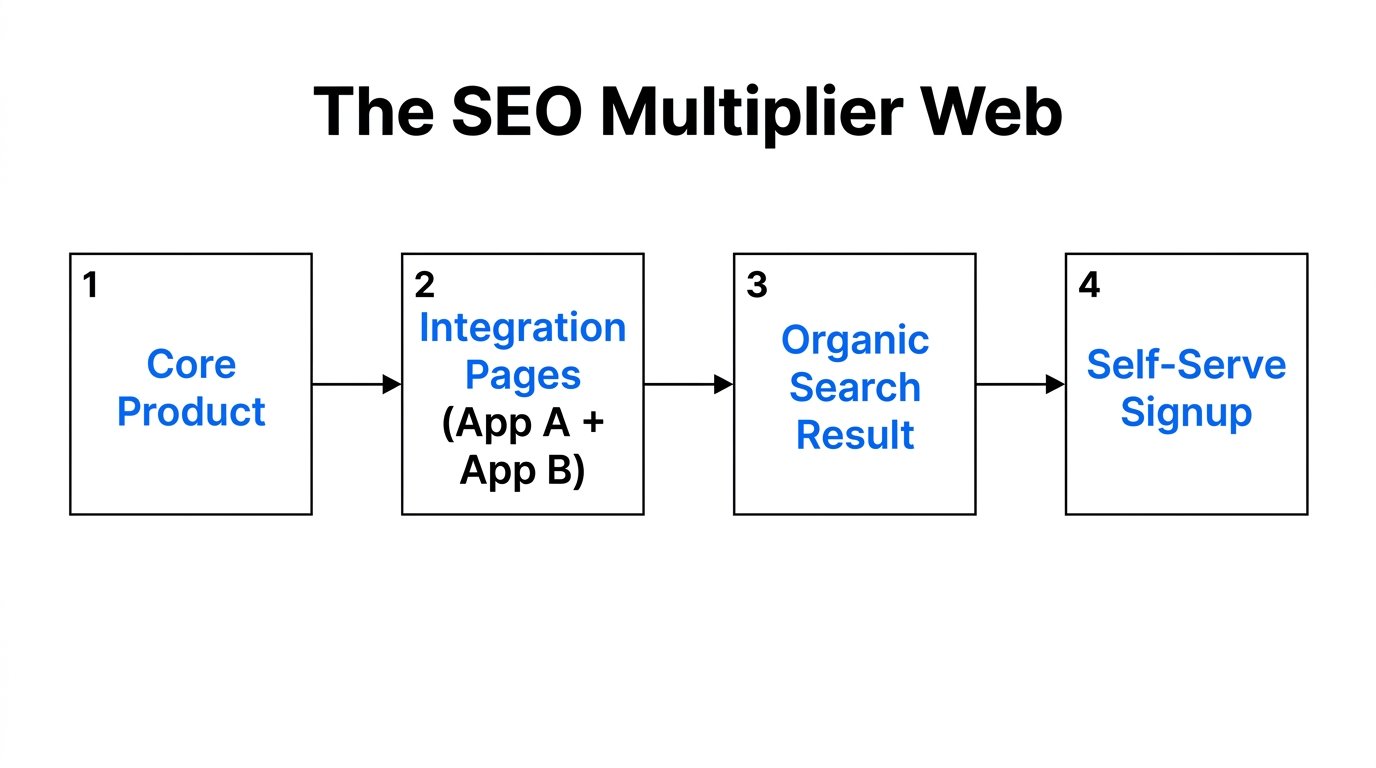
The core of the Zapier growth strategy is a concept known as Product-Led Growth (PLG), but with a twist. Instead of just relying on their own interface, Zapier integrated with thousands of other apps. Every time a new tool like HubSpot or Shopify gains a user, Zapier gains a potential customer. They didn't just build a tool; they built the nervous system of the internet.
"Zapier didn't just build a tool; they built the nervous system of the internet, turning every competitor into a distribution partner."
By 2026, Zapier has evolved into a full-scale AI company. They've moved beyond simple "if this, then that" logic to complex AI-driven workflows. This shift has allowed them to capture the SaaS marketing trends of 2026, where utility is driven by how well your software talks to other platforms. In this ecosystem, being the bridge is more valuable than being the destination.
| Feature | Traditional SaaS Model | The Zapier PLG Model |
|---|---|---|
| Acquisition | Heavy ad spend & sales teams | SEO & Integration ecosystems |
| Moat | Proprietary features | Network effect of 6,000+ apps |
| Funding | Multiple VC rounds (dilution) | Bootstrapped / High Efficiency |
| Market Position | Point solution | Platform/Infrastructure |
The Green Room Networking Hack: Relationship Leverage
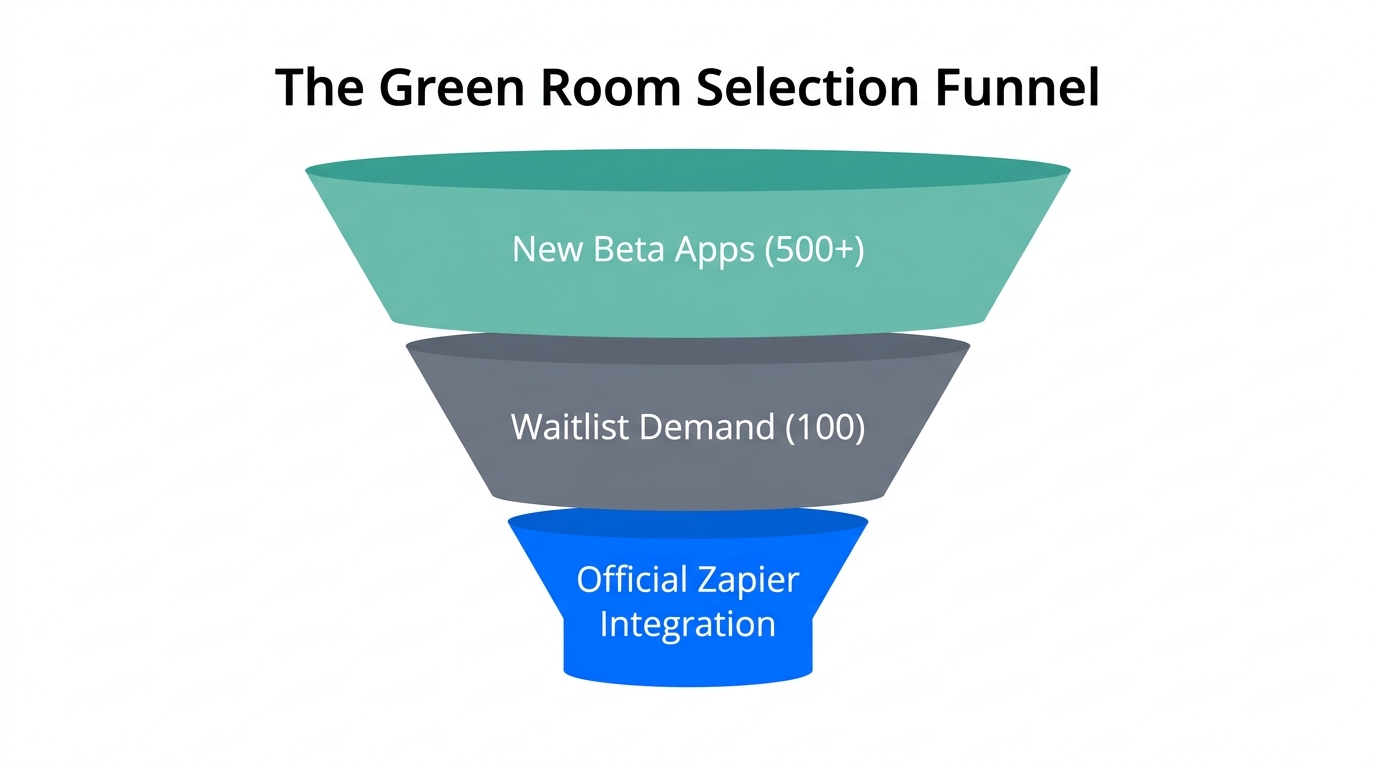
Even though Wade Foster is an introvert, he mastered the art of backstage networking. During the early days of building Zapier, Wade would attend conferences like HustleCon and stay in the "green room" for hours. He didn't just walk on stage, give a talk, and leave. He stayed behind the scenes with the other speakers, builders, and competitors.
This is what we call the "Green Room Hack." While the audience was focused on the stage, Wade was building high-value relationships with people who could move the needle for his business. He realized that the industry is smaller than it looks. Much like a real estate developer who maps out every major retailer, Wade mapped out the key players in the SaaS ecosystem and made sure they knew his name. He turned a vast ocean of potential contacts into a "goldfish pond" of 150 critical relationships.
"The trick to massive success is making a big thing feel small. Turn a global industry into a small room of 150 key relationships."
This level of intentionality is why Zapier is now projected to hit $1 billion in revenue. It wasn't luck; it was a series of asymmetric bets—low-risk moves with massive potential upside. This same philosophy of automation and relationship management is why tools like Stormy AI are becoming indispensable for growth teams in 2026. Just as Zapier automates data flow, modern platforms now automate the discovery and outreach to creators and partners, turning manual tasks into scalable engines.
Scaling to $1B: High-Utility Automation in the 2026 AI Economy
42:56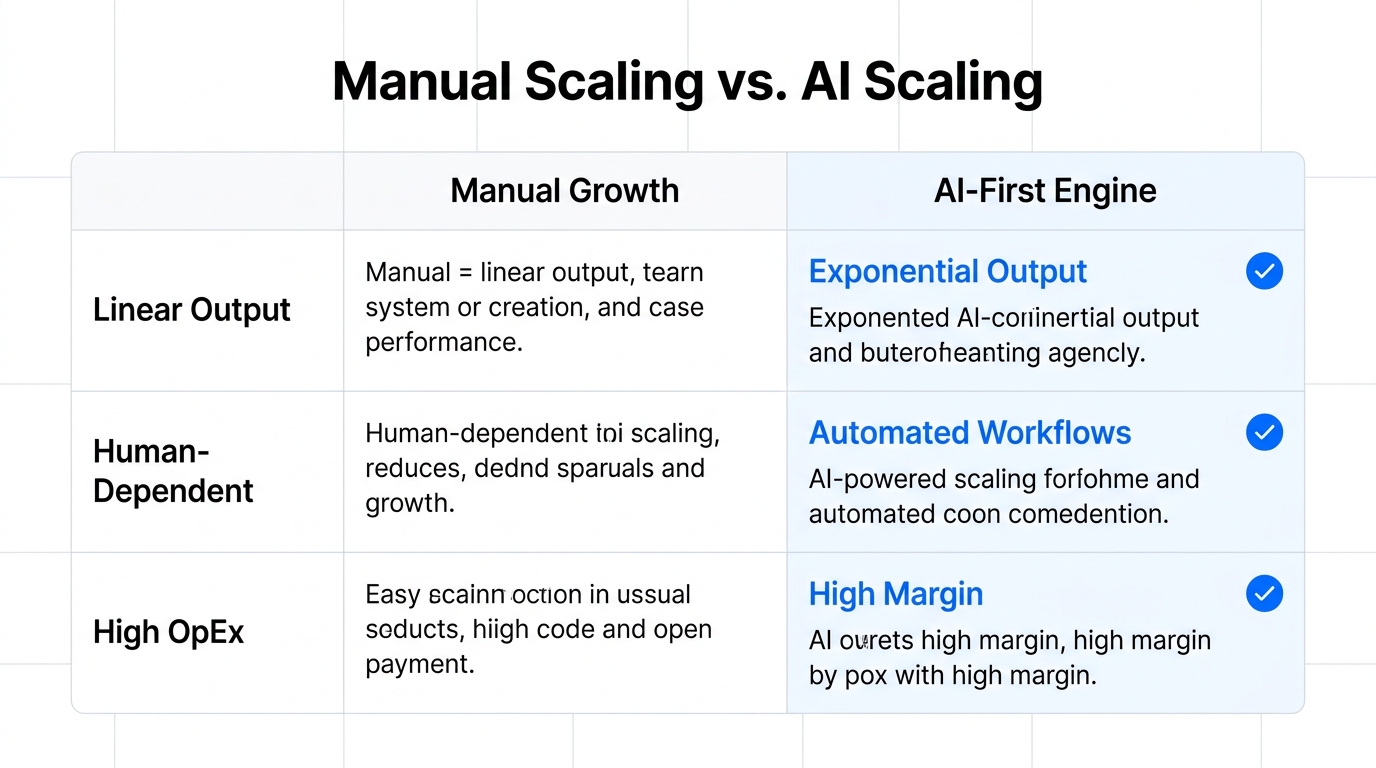
To reach $1B in revenue, Zapier had to shift from being a simple connector to an AI-orchestrator. In the current 2026 landscape, businesses don't want to manually set up triggers. They want AI agents that can think, react, and execute tasks across their entire stack. Wade Foster’s obsession with being "in the weeds" allowed Zapier to pivot faster than legacy enterprise giants who were still stuck in the 2024 mindset.
One of the most powerful product-led growth examples is how Zapier uses its own data to predict which integrations a user will need next. This predictive utility keeps churn low and expansion revenue high. They've essentially turned their SaaS metrics and cost centers (customer support and onboarding) into profit centers by using AI to guide users toward more complex, higher-value automations.
The Generative Mindset: Energy Richness Over Money Richness
44:30Wade’s success also stems from what high-performers call being "energy rich." While money is the scoreboard in business, energy is the fuel. Wade manages his energy by staying close to his roots and avoiding the "status trap." This allows him to play at a "full-out level" when it matters most—product development and strategic partnerships. As noted by other titans like Alex Hormozi, being a student of the game means constantly auditing your own energy and focus.
Founders who win in 2026 are those who realize that business is a sport. Points are tallied in dollars, but the joy comes from the play. Wade Foster’s 15-year journey with Zapier is proof that you don't have to be the loudest person in the room to be the most successful. You just have to be the person who builds the most useful room.
"As Nike famously said in their ad for Scottie Scheffler: 'You've already won... but another major doesn't hurt.'"
Conclusion: Building Your Own Distribution Engine
The Zapier playbook is a reminder that SaaS marketing trends may change, but the fundamentals of distribution remain the same. To scale like Wade Foster, you must focus on three things: relentless utility, integration-led growth, and high-leverage relationships. Whether you are building the next automation giant or using tools to discover creators on Stormy, the goal is the same: create an engine that works while you sleep.
By keeping your ego low and your utility high, you can build a billion-dollar empire from anywhere in the world. As we look at the landscape of 2026, it's clear that the "Everyman" isn't just a persona—it's the ultimate growth strategy.