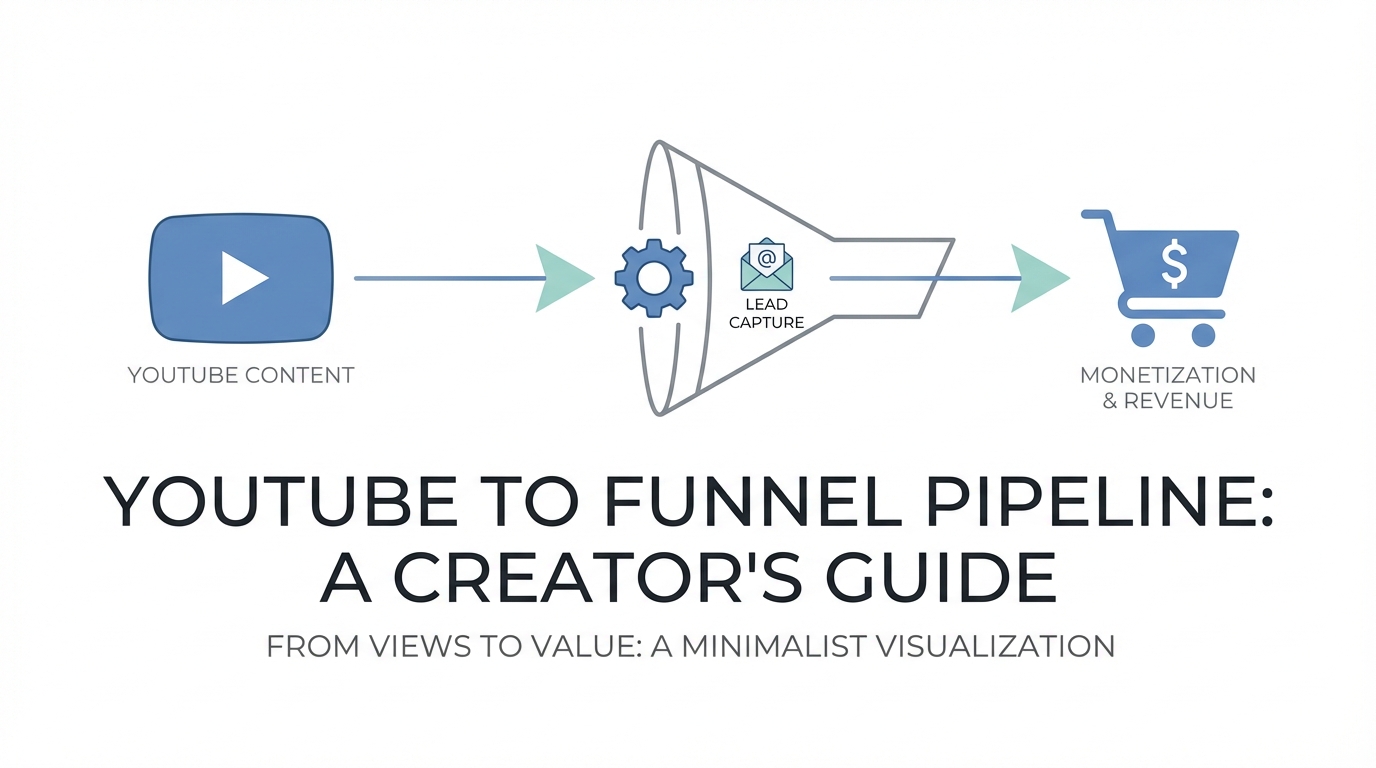
Most creators and founders are trapped in a cycle of high views and low bank balances. You post a video, it goes viral on YouTube, and you wait for the ad revenue or sponsorships to trickle in. But true content marketing ROI isn't found in the YouTube Partner Program; it's found in the transition from a passive viewer to a high-ticket customer. By building a robust social media sales funnel, you can turn a simple tutorial into a $20 million revenue engine. This guide breaks down the exact architecture used by industry leaders to monetize youtube channel traffic through high-converting, single-metric pipelines.
The Difference Between a Website and a Funnel
One of the biggest mistakes founders make is treating their website like a sales tool. In reality, most websites are what experts call "shadow funnels." They are brochures—beautifully designed places for people to browse, get a feel for the company, and verify that you are a real entity. As noted by experts at AJ&Smart, a website is like a grocery store where people wander the aisles with no clear direction. On average, a website might convert 1% to 3% of visitors, meaning 98% of your traffic is leaking away.
A funnel, conversely, is a focused, step-by-step process designed to take a stranger and turn them into a paying customer. A well-optimized funnel can 10x your conversion rate, hitting numbers as high as 15% to 25%. While a website is built for branding, a funnel is built for youtube marketing for business success. It lives on a separate URL, features a different aesthetic, and has exactly one goal: to get the user to take the next specific action.
The Single Metric Rule: Fill the Calendar

If you want to maximize your content marketing ROI, your entire team needs to share a single objective. Many content teams fail because their goals are fragmented—one person is focused on views, another on likes, and another on newsletter sign-ups. To build a $20 million pipeline, you must implement the Single Metric Rule.
For high-ticket service businesses, agencies, or consultants, that single metric is usually filling a salesperson's calendar. Every piece of content, every social post, and every email should be measured by its ability to drive a qualified lead to a booking tool like Calendly. When a team has one goal—filling the calendar—the creative output becomes sharper. You stop making content for "everyone" and start making content for the person ready to book a call today. According to Salesforce, maintaining a healthy pipeline requires this kind of singular focus on lead movement.
Educational Warm-ups: Using YouTube to Pre-Sell

The most effective way to monetize youtube channel traffic is through the "Educational Warm-up." Instead of a hard pitch, you provide a high-value, deep-dive tutorial that solves a specific problem. For example, a 30-minute video on how to run a workshop establishes immediate authority. By the time the viewer clicks the link in your description, they are already convinced of your expertise.
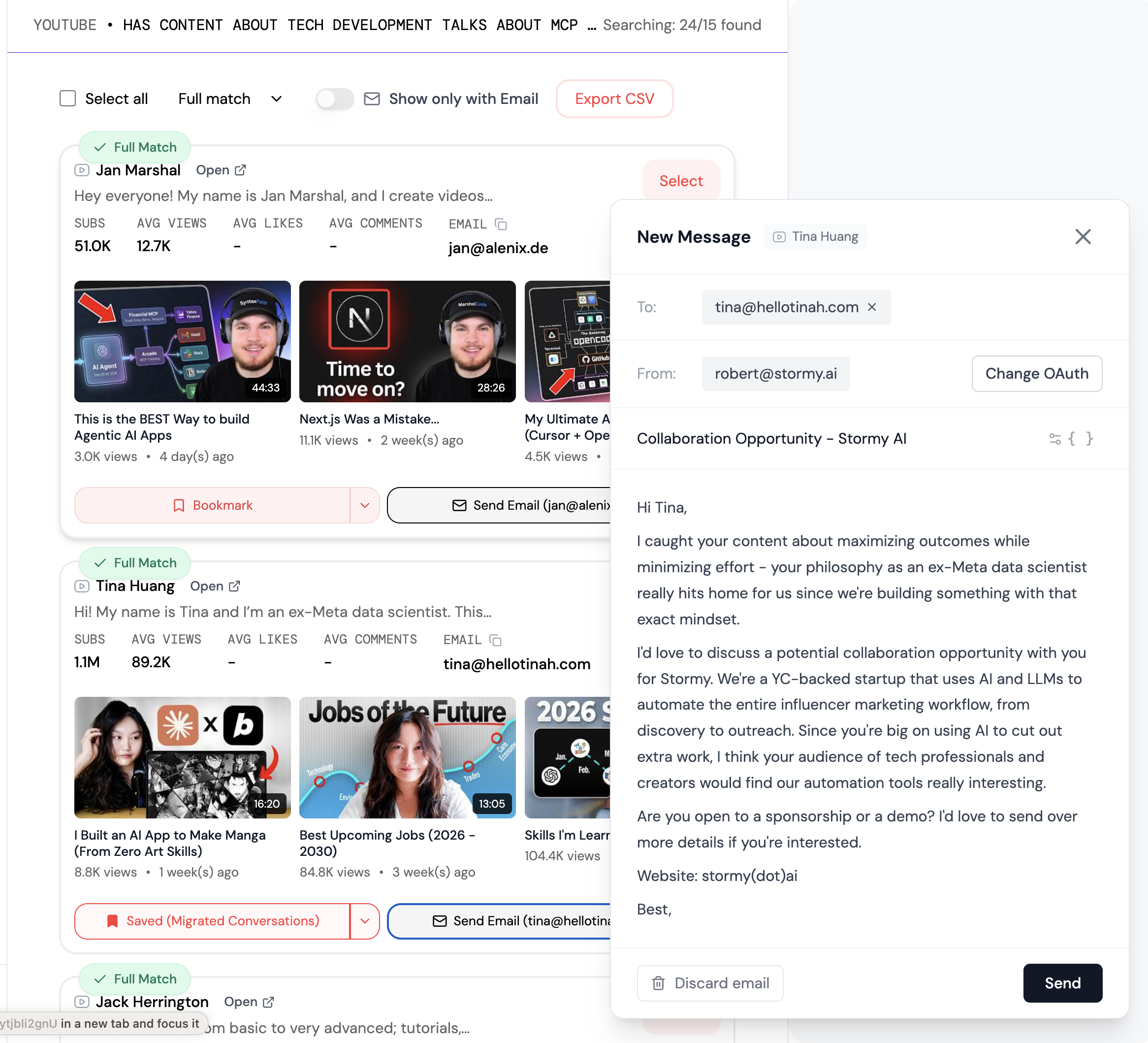
This pre-selling phase is critical for high-ticket offers. A stranger isn't going to buy a $14,000 training program from a 30-second ad. However, they might book a call after watching a detailed training session that proves you understand their pain points. Tools like Stormy AI can help you discover which creators in your niche are successfully using these educational formats, allowing you to model your strategy after proven winners.
The Architecture of a $20 Million VSL
A VSL, or Video Sales Letter, is the heart of a high-ticket social media sales funnel. This isn't just a marketing video; it's a structured narrative designed to create an "epiphany" in the viewer's mind. The structure, popularized in books like Expert Secrets, involves a 60-to-90-minute training session that eventually leads to a call to action.
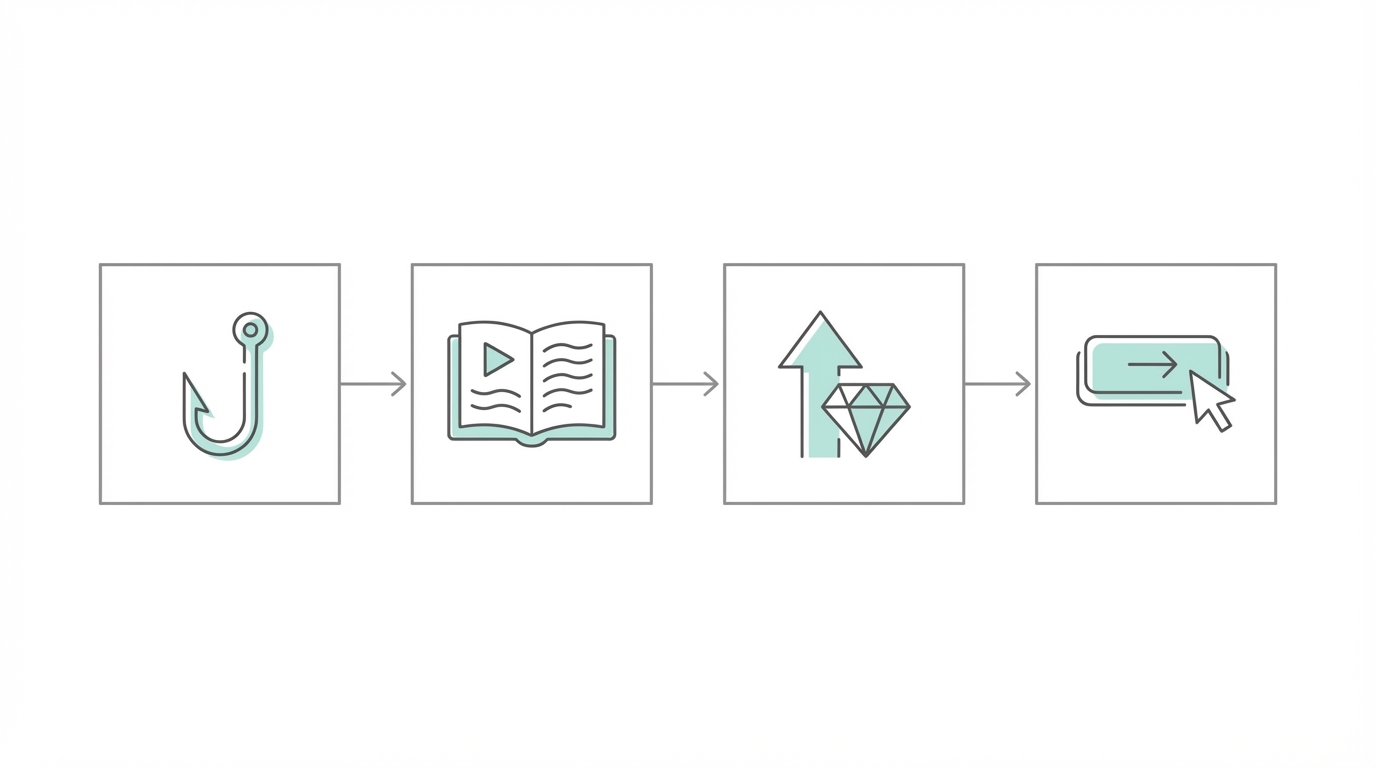
The process looks like this:
- The Hook: An ad on Meta Ads Manager or a YouTube video attracts the target audience.
- The Landing Page: A simple, high-copy page designed in a tool like ClickFunnels that captures an email address in exchange for the "free training."
- The Training: A long-form video that teaches the "what" and "why" but leaves the "how" for the paid engagement.
- The Friction: A survey via Typeform to vet leads before they can book a call.
Mastering the Link Hierarchy
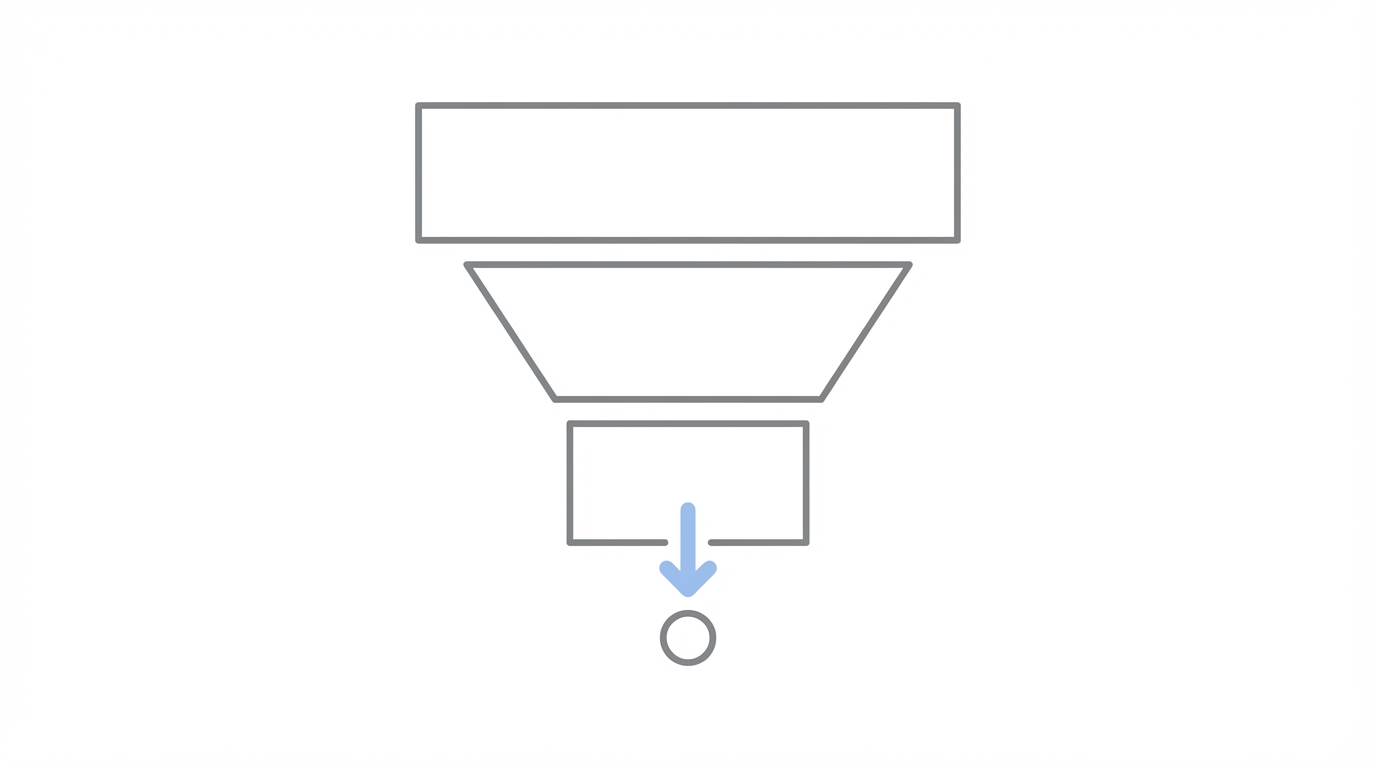
One of the quickest ways to kill your youtube marketing for business efforts is by linking to your homepage in your video descriptions. This is a violation of the Link Hierarchy. When a viewer is interested in a specific topic, you must send them to a specific landing page that continues that conversation.
Your links should follow a strict priority:
- Priority 1: The specific VSL or lead magnet mentioned in the video.
- Priority 2: A lead capture page for a free template or resource.
- Priority 3: A community or newsletter sign-up.
Pixels and Retargeting: Staying Top of Mind
Not everyone will book a call on their first visit. This is where pixel strategy becomes vital. By placing a Meta Pixel on your landing pages, you can track visitors and show them retargeting ads across Instagram and Facebook. Even if the visitor didn't leave their email, you can stay top-of-mind by showing them testimonials or additional value-based content.
While privacy changes in iOS have made pixels less precise, they are still a powerful tool for monetize youtube channel efforts. You can segment your retargeting ads based on how far someone got in your funnel. Did they watch the whole video but didn't book a call? Show them a specific "frequently asked questions" ad to overcome their final objections.
Lead Magnet Segmentation and the MIFGE Strategy
To scale a social media sales funnel, you need to know who your "high-ticket" buyers are versus your "beginner" leads. You can achieve this through Lead Magnet Segmentation. If someone downloads a basic PDF template, they might be a beginner. If someone registers for a 90-minute advanced training and answers a detailed survey, they are a high-ticket prospect.
Another powerful tactic is the MIFGE (Most Incredible Free Gift Ever). This involves stacking limited-time bonuses onto an offer to create urgency. Whether it's extra licenses for software, a physical workbook, or a free consulting session, the MIFGE dramatically increases conversion rates. Even high-end brands like AG1 or Eight Sleep use this "direct response" style of marketing because it works.
The YouTube-to-Funnel Playbook
Ready to build your own pipeline? Follow these five steps to start generating better content marketing ROI today.
Step 1: Define Your Single Metric
Decide what the ultimate goal of your funnel is. Are you trying to sell a $2,000 course or a $50,000 consulting package? For most, the goal should be filling a sales calendar or a specific checkout page.
Step 2: Create Your Educational Warm-up
Record a high-value video that solves a problem for your ideal customer. Don't worry about high production value; focus on clarity and authority. Link this video in your YouTube descriptions and run ads to it.
Step 3: Build the Lead Capture Page
Use a tool like ClickFunnels or a specialized landing page builder. Keep it simple. Capture the user's email address before they can watch the full training or download the resource. To manage these leads and maintain high-quality outreach, platforms like Stormy AI can help you organize and automate your follow-ups.
Step 4: Implement Friction and Vetting
If you are selling high-ticket services, use a survey to weed out unqualified leads. Ask about their budget, their timeline, and their commitment level. This ensures your sales team only speaks to people ready to buy.
Step 5: Launch Retargeting Ads
Set up a retargeting campaign on Meta to catch the 90% of people who leave your funnel without taking action. Use social proof, case studies, and the MIFGE concept to bring them back.
Conclusion
Building a social media sales funnel is about moving away from the "brochure" mindset of a traditional website and into the direct-action mindset of a converter. By focusing on a single metric, leveraging educational content on YouTube, and using smart retargeting strategies, you can transform your social presence into a predictable revenue stream. Don't wait for the perfect design—launch your "shitty" funnel today and start refining based on real-world data.