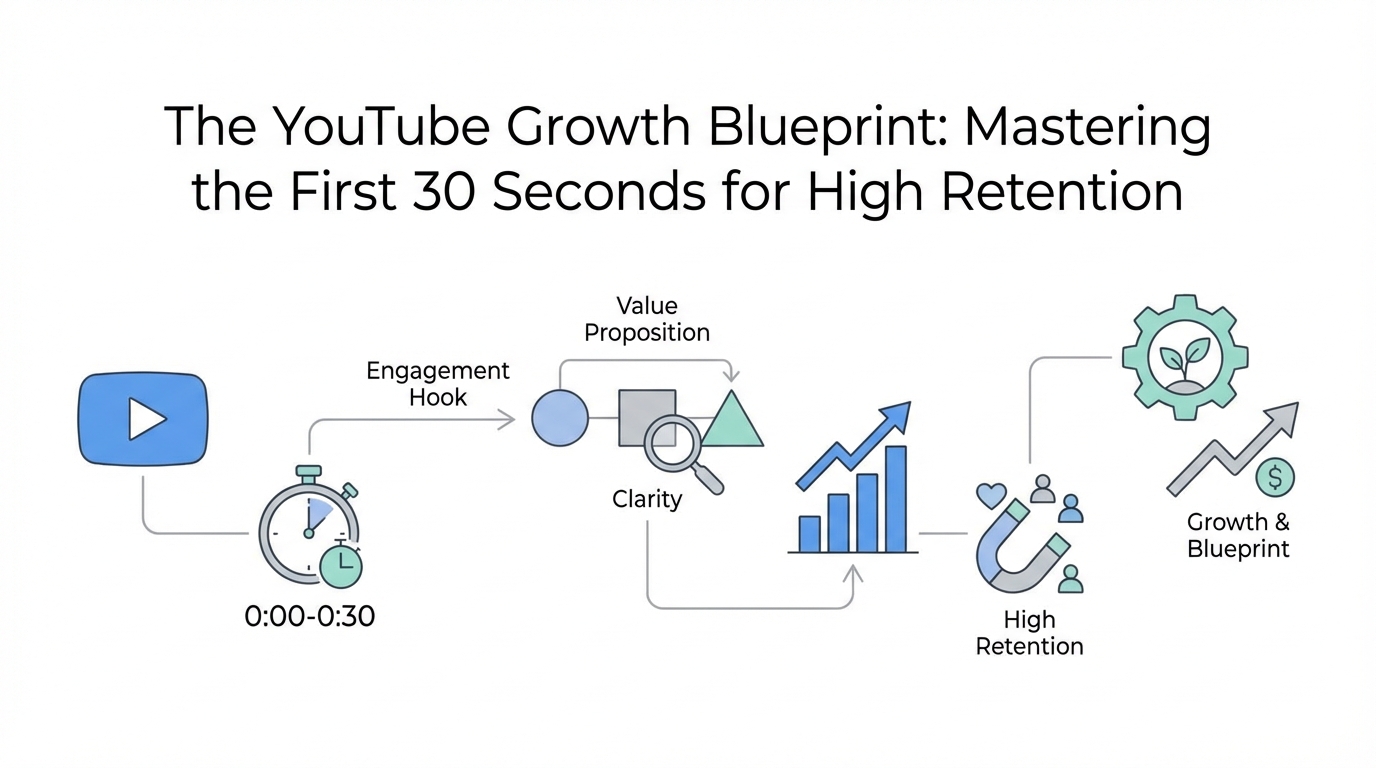
The hard truth about YouTube is that 99% of the people on the platform have never heard of you. Whether you are a successful founder on X (formerly Twitter) or a veteran newsletter author, that trust equity does not automatically transfer to the world's largest video search engine. YouTube is a different beast entirely, where your success is dictated by a cold, hard metric: Watch Time. If you cannot master the art of the first 30 seconds, the YouTube algorithm will bury your content regardless of how deep your insights are. This guide provides a tactical playbook for YouTube growth hacks that turn casual browsers into loyal subscribers by mastering retention and discovery.
The 'MrBeast' Intro: Delivering Value in 20 Seconds
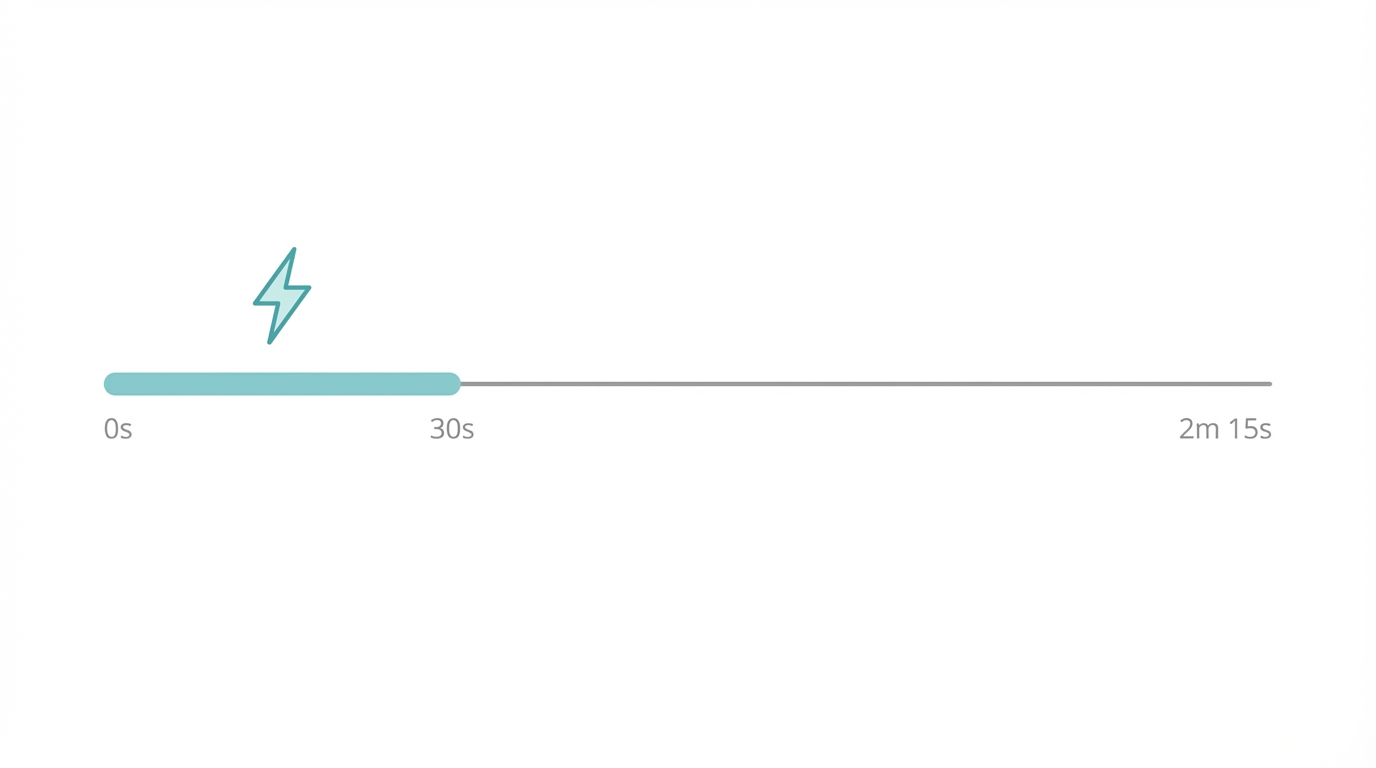
The most common mistake new creators make is assuming the audience cares about their backstory before the value is delivered. In the world of influencer marketing and content creation, retention is won or lost in the first 20 to 30 seconds. This is often referred to as the 'MrBeast' method: immediately validate the title and thumbnail. As MrBeast himself often emphasizes, if your thumbnail promises a million Orbeez in a pool, do not start the video with you shopping for a birthday gift. Start with the pool.
To increase YouTube watch time, you must tell the viewer exactly what they will gain from the video within the first two sentences. As noted by growth expert Austin Lieberman, the goal is to bridge the gap between curiosity and satisfaction instantly. If you are recording a podcast or a tutorial, tell them: "By watching this video, you will learn the exact three tactics to transition from a full-time job to a creator business." Do not leave room for ambiguity.
Content Modeling: The 'Decade Investor' Reverse Engineering Strategy

You do not need to be the most creative person in the world to experience massive YouTube growth. In fact, many successful creators use a technique called Content Modeling. This involves finding mid-sized channels in your niche—those with 10,000 to 50,000 subscribers—and analyzing their most popular videos. Why mid-sized? Because their success is driven by the content itself, not just a massive, legacy subscriber base that clicks anything they post.
For example, the channel Decade Investor found success with a video titled "I'm retiring off just VOO." By modeling this successful format, Lieberman created a similar video titled "I'm retiring off just SCHD," which ultimately generated over 134,000 views and nearly $1,000 in AdSense revenue. This isn't about stealing; it is about validating topics that the audience already has an appetite for. When looking for creators to model or partner with, tools like Stormy AI can help source and manage UGC creators at scale by identifying which niches are currently trending—far more efficiently than old-school databases like Julius or NeoReach.
YouTube Thumbnail Best Practices: The Under 5 Words Rule

Your thumbnail is the most important factor for the Browse traffic source, which often accounts for over 50% of a video's total reach. A common failure point is cluttering the image with too much text. To follow YouTube thumbnail best practices, you should aim for under five words per thumbnail—ideally three or four. People scrolling through their mobile feed do not have the time or patience to read a paragraph.
Using a tool like Canva, focus on high-contrast backgrounds and shock value visuals that provoke a question in the viewer's mind. For instance, a thumbnail showing a specific stock logo and the text "JUST BOUGHT $90,000" creates an immediate curiosity loop. This specific strategy has been shown to produce impression click-through rates (CTR) as high as 14.4%, which is double the industry healthy benchmark of 2-10%.
The 1% Improvement Rule: Why Audio Matters More Than 4K
Many aspiring creators delay their start because they think they need a $3,000 camera setup. The reality of YouTube growth hacks is that audio quality is significantly more important than video quality. Viewers will tolerate a grainy 1080p video, but they will click away instantly if the audio is echoey, quiet, or muffled. You can purchase a high-quality microphone like the Blue Snowball for under $60 that will immediately put you ahead of 80% of other new creators.
Instead of aiming for perfection, follow the 1% improvement rule. Focus on fixing one small thing per video. In video one, focus on your lighting. In video two, focus on the YouTube video script template to tighten your pacing. In video three, work on your color grading. This prevents burnout and allows you to learn the science of the platform while still having fun.
Search vs. Browse: Optimizing for the Algorithm
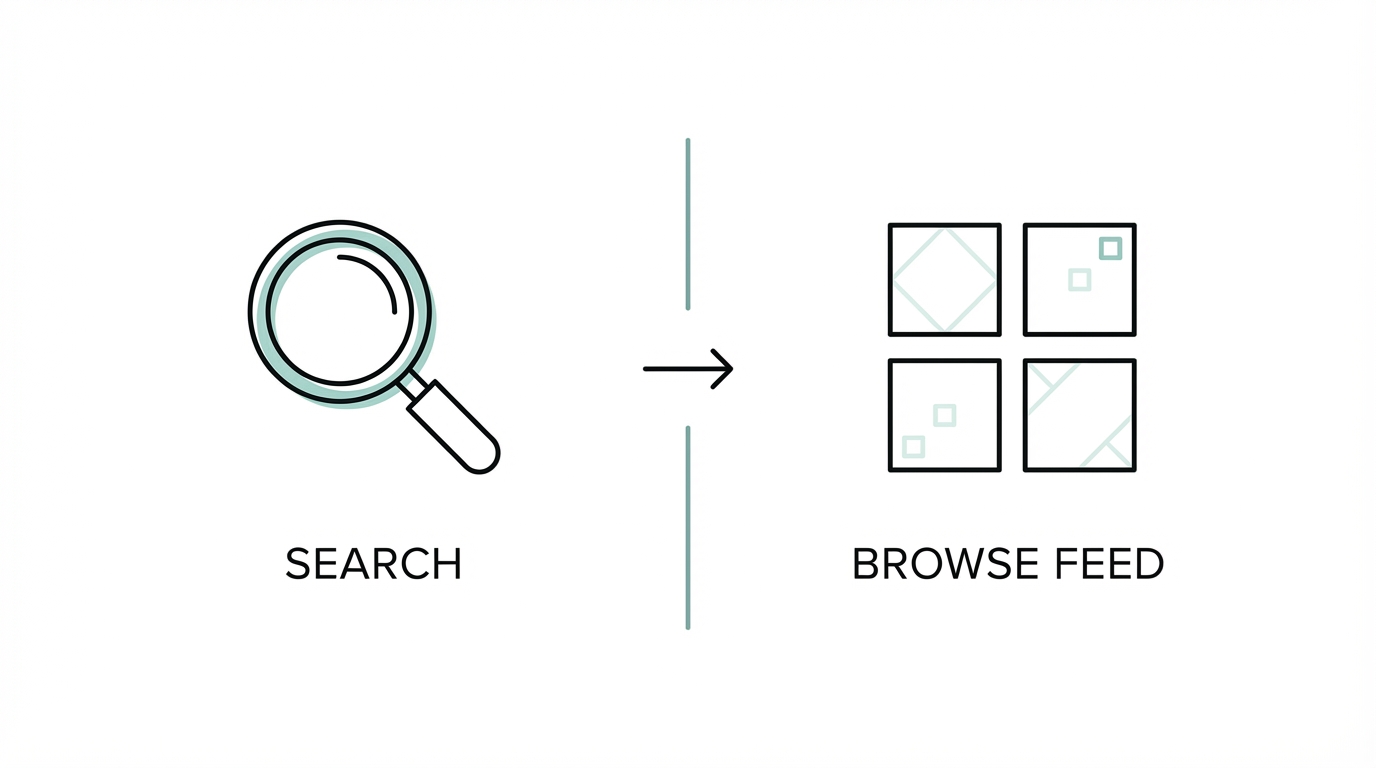

Understanding where your views come from is crucial for long-term growth. YouTube Search traffic is driven by keywords and intent. If you are a new channel, focusing on high-volume search terms using a YouTube video script template is a great way to build a foundation. Tools like TubeBuddy allow you to explore keyword competition and see how your channel might rank against others.
However, Browse traffic is where true virality happens. Browse views occur when YouTube recommends your video on a user's homepage. To win at Browse, you need high CTR and high average view duration. Interestingly, research from Pew Research and other analysts shows that for many creators, the vast majority of views come from non-subscribers. This means you should never feel restricted by what you think your "current" audience wants; you are always creating for the millions of people who haven't discovered you yet.
Reviving 'Dead' Videos with A/B Testing
One of the most powerful YouTube growth hacks is the realization that a video's life doesn't end a week after it is posted. If a video has low impressions but high-quality content, you can A/B test the title and thumbnail to revive it. Changing a boring title to something more provocative can spike the algorithm's interest and lead to a second wave of impressions.
This is particularly effective when a topic suddenly becomes trendy. For example, if you have an old video about AI and a major news event happens in the AI space, updating your keywords and thumbnail can lead to a massive surge in YouTube search traffic. Use the analytics dashboard to monitor your RPM (Revenue Per Mille) and CPM (Cost Per Mille) to see which topics advertisers value most. In the finance niche, RPMs can range from $7.00 to $20.00, whereas YouTube Shorts often pay significantly less. For serious creators, long-form content remains the gold standard for monetization.
The Actionable YouTube Growth Playbook
If you are ready to stop being a spectator and start growing your channel, follow these steps in order:
Step 1: Audit Your Niche
Find 5-10 channels that are slightly larger than yours. Use TubeBuddy to see which of their videos have the highest "Views Per Hour." This is a signal that the topic is currently in demand.
Step 2: Script the First 30 Seconds
Use a YouTube video script template that starts with: "In this video, I'm going to show you [Result]. This is important because [Stakes]." Cut out any intro music or long-winded introductions of who you are.
Step 3: Design for Mobile
Open Canva and design a thumbnail with high contrast. Use a tool like ThumbsUp.tv to preview it at a very small size. If you cannot read the text or understand the image when it is the size of a postage stamp, it will fail on mobile.
Step 4: Leverage Data to Scale
Once you find a video that "pops" (gets more views than your average), double down immediately. If a video about a specific stock or tool performs well, make three more videos about different angles of that same topic. For brands, this is the perfect time to discover creators on Stormy AI who are already trending in those specific sub-niches to amplify your reach.
Conclusion: The Long Game of Watch Time
Mastering YouTube growth is not about luck; it is about understanding the psychology of the click and the satisfaction of the watch. By mastering the first 30 seconds, modeling successful content, and prioritizing audio quality over visual perfection, you can build a sustainable digital asset. Remember, every video is a product. Treat it with the same rigor you would a startup—test, iterate, and optimize until you find the formula that resonates with the algorithm and your audience alike.