In the early 2020s, Sebastian Ghiorghiu was the poster child for the "influencer entrepreneur" era. With nearly 1 million subscribers, a garage full of exotic cars, and a personal brand that generated millions, he had reached what many considered the peak of digital success. Then, he went ghost. He stopped uploading, stopped flexing, and disappeared from the public eye. The reason? He wanted to prove that he could build a real software business that didn't rely on his face to survive. By 2026, that bet has paid off to the tune of $250,000 in monthly recurring revenue (MRR). This isn't just a story of a pivot; it is a masterclass in building a content-led growth playbook that functions as a self-sustaining marketing flywheel.
The 'In the Wild' Test: Validating PMF Without the Founder Halo
See how he proved his business concept through real-world testing and initial results.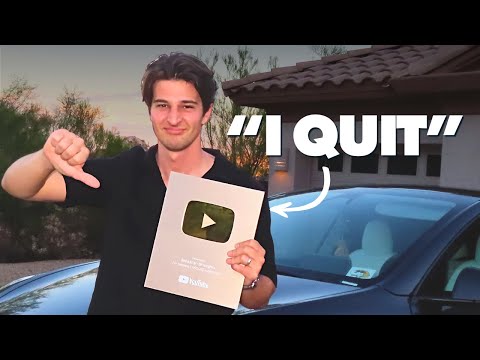
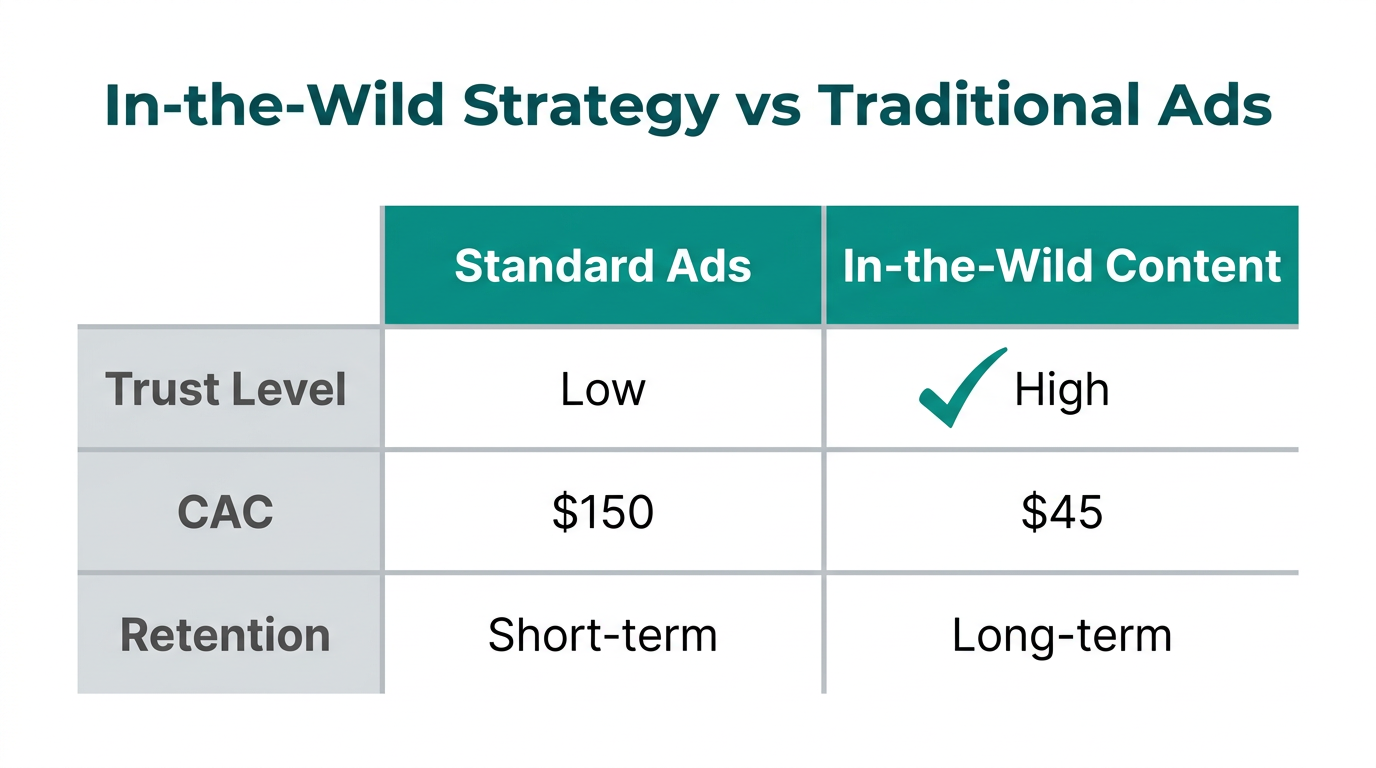
Most influencers-turned-founders make a fatal mistake: they launch a product to their existing audience and mistake "pity sales" or "fan support" for true product-market fit (PMF). Sebastian took the opposite approach. He purposefully built his SaaS in the "wild," meaning he developed the product and scaled it to $10k/month without ever mentioning it on his main YouTube channel.
The logic is simple: if a software product cannot survive among cold traffic and competitive alternatives, it won't survive the long term. When you rely on a personal brand, you are creating a fragile business. By testing your SaaS in the wild, you ensure that the utility of the software is the primary driver of growth, not the charisma of the creator. In 2026, the SaaS growth flywheel starts with a product that solves a problem so well that users naturally share it in Discord communities and subreddits without a prompt from the founder.
"I predicted that if I had just built my SaaS business on the back of my personal brand... it wouldn't survive in the wild. I wanted to create something good enough for people to pay for it naturally."
The Triple-Threat Distribution Strategy: Syncing Long-Form, Shorts, and Paid Ads
Explore the power of distributing short form content across YouTube and other platforms.Once PMF is established, the 2026 growth machine relies on a synchronized distribution model. Sebastian’s success wasn't built on one viral video, but on a triple-threat approach that combines the authority of long-form, the reach of short-form, and the scalability of paid ads. This strategy creates a consistent loop of brand awareness and conversion.
| Channel Type | Primary Function | 2026 Success Metric |
|---|---|---|
| YouTube Long-Form | Trust & Deep Education | Average Watch Time / Search Intent |
| YouTube Shorts | Discovery & Top-of-Funnel | Shares per 1,000 views |
| Paid Ads (YT/TikTok) | Direct Conversion & Scale | Return on Ad Spend (ROAS) |
In this model, long-form videos act as the "anchor." You partner with creators or build a brand channel that dives deep into the software's use cases. These videos are then sliced into high-impact short form video marketing for software campaigns. By using the same creative assets across organic Shorts and Meta Ads Manager, you create a "see it everywhere" effect that drastically lowers your CAC.
The 60% Traffic Driver: The Repurposing Framework
Discover the framework for creating ads and multi-platform content from a single video.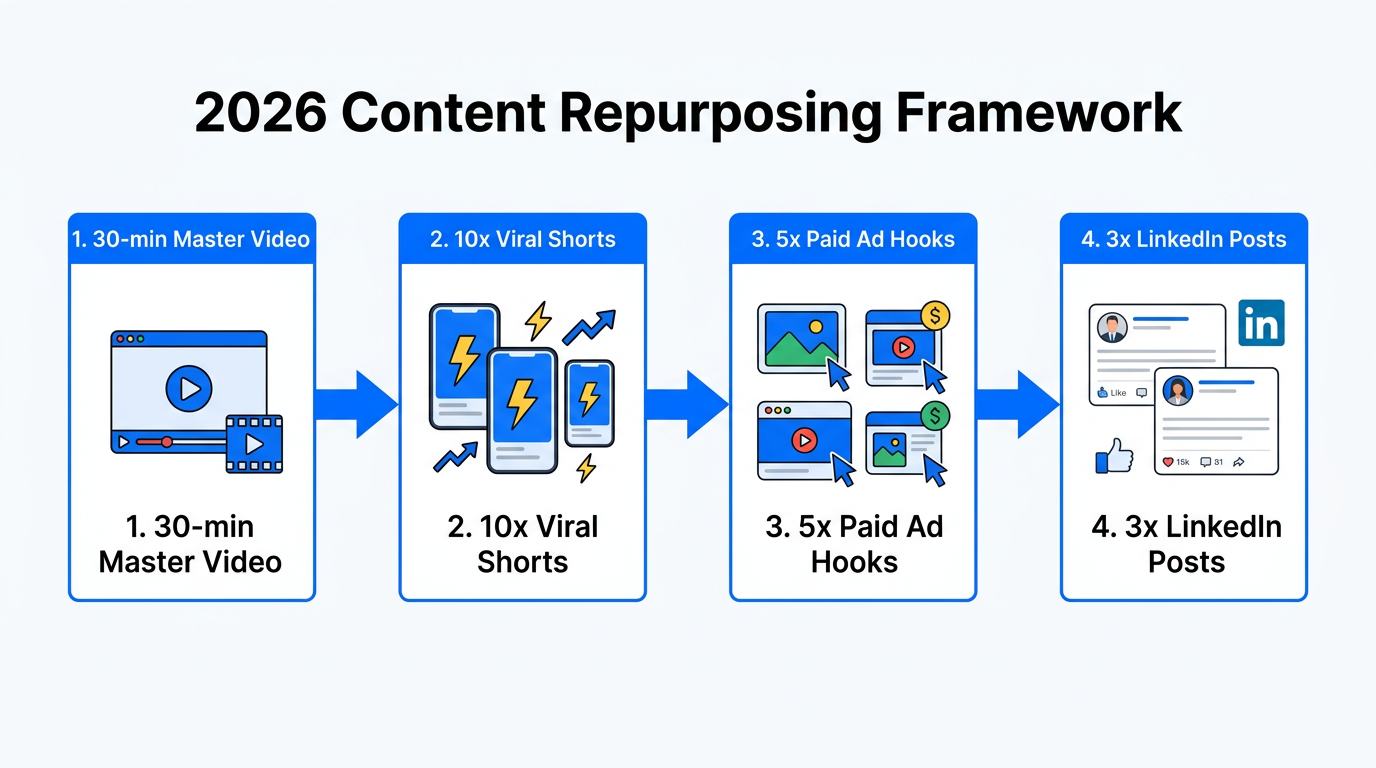
Sebastian noted that YouTube videos, Shorts, and paid ads accounted for roughly 60% to 65% of his total traffic. The secret isn't creating more content; it's creating one high-performance asset and squeezing every drop of value out of it. This is the core of a sustainable content-led growth playbook.
Step 1: The Anchor Content
Start with a high-production YouTube video. This could be a tutorial, a "day in the life" featuring the software, or a problem-solution breakdown. Use tools like Descript to transcribe and identify the most "viral-ready" 60-second segments.
Step 2: Micro-Content Proliferation
Take those 60-second segments and edit them specifically for TikTok and YouTube Shorts. Use CapCut for trending captions and fast-paced visual hooks. The goal here is volume and awareness, not necessarily direct sign-ups.
"We created a system with content that would get a lot of views and go viral and bring a lot of awareness to the brand. Then eventually, we started paid ads as well."
Step 3: The Ad Creative Bridge
The best-performing organic Shorts should immediately be moved into Google Ads or TikTok Ads Manager. In 2026, users are blind to traditional commercials but highly receptive to authentic-looking UGC. When you find a short-form clip that gets high engagement, put a budget behind it to target your specific SaaS persona.
2026 Performance Metrics: Moving from 'Applause' to 'Performance'
Understand the importance of locking in recurring revenue for long-term business success.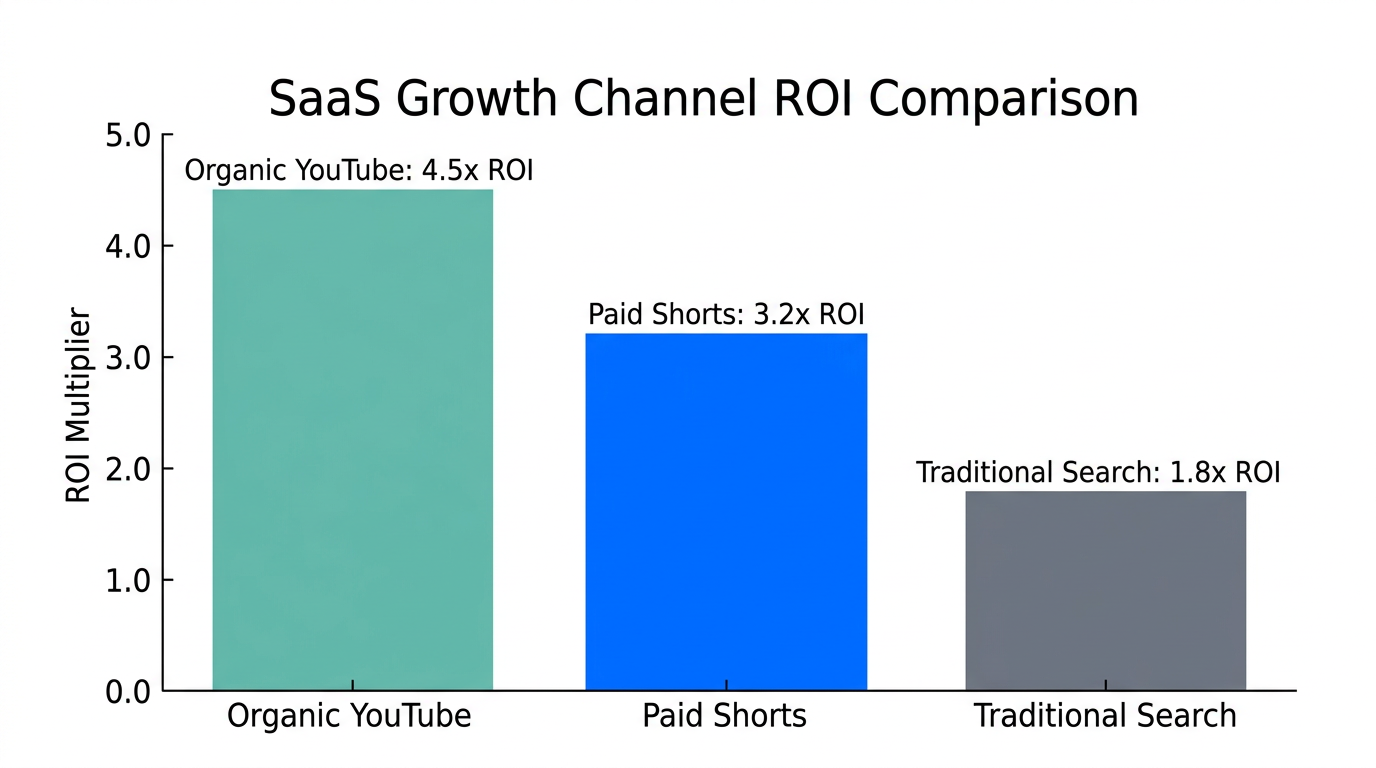
A common pitfall in YouTube marketing strategy 2026 is focusing on "applause metrics" like views and likes. As Sebastian pointed out, once you transition to a product-based business, you move from the world of applause to the world of straight performance. In 2026, your dashboard should prioritize Recurring Revenue and LTV (Lifetime Value) over viral vanity.
To manage this transition, modern SaaS teams use sophisticated tracking stacks. This often includes PostHog for user behavior and AppsFlyer for attribution across multiple content channels. You need to know which specific YouTube video led to the highest retention users, not just which one got the most clicks.
The Flywheel Effect: AI SEO and Affiliate Reinforcement
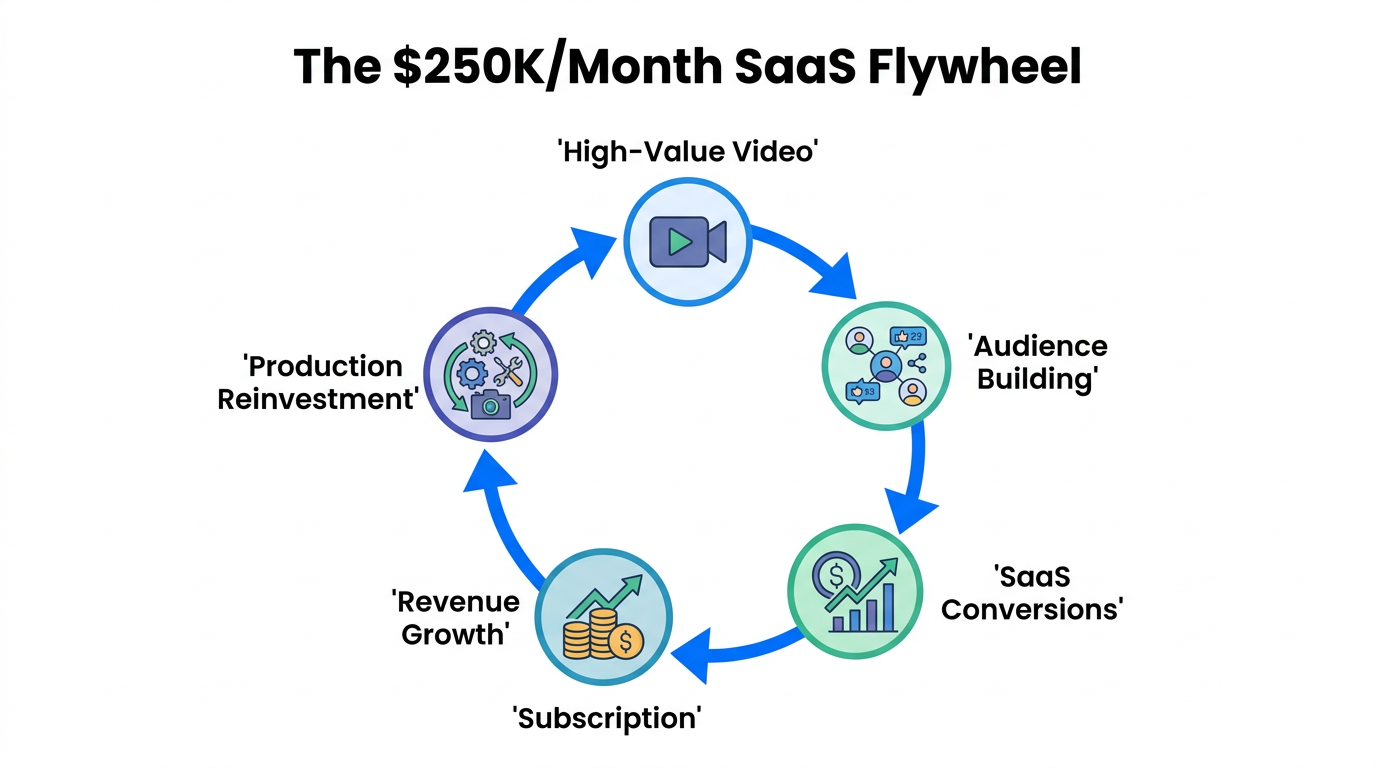
The final stage of the $250K/month SaaS growth flywheel involves layering in secondary channels that reinforce your primary video content. This includes Affiliate Networks and AI Search Optimization.
- Affiliate Networks: Recruit other creators to talk about your software. This scales your video presence without you having to be the face of every campaign. Using platforms like Stormy AI, you can find and vet thousands of creators in your niche, automate the outreach, and manage the entire relationship within a single CRM.
- ChatGPT SEO: In 2026, SEO is no longer just about Google. It’s about Answer Engine Optimization. Sebastian noted that if you ask ChatGPT the right questions about his niche, his software is recommended. This is achieved by having a high volume of mentions across authoritative YouTube channels, LinkedIn, and niche blogs.
- App Store Discovery: If your SaaS has a mobile component, optimizing for the App Store is crucial. High-volume YouTube traffic often leads to a spike in direct searches on the App Store, which improves your rankings through ASO and creates a natural organic download loop.
"If you have a business that’s attached to your face... you are kind of cuffed to the camera. I wanted to break that chain."
Conclusion: The Long-Term Play
Building a $250K/month SaaS growth flywheel requires a shift from short-term dopamine hits (views) to long-term equity. Sebastian Ghiorghiu’s journey proves that while an audience makes everything easier, the product must stand on its own. By synchronizing long-form authority with short-form reach and scaling with paid ads for SaaS, you create a machine that works while you sleep.
If you are looking to start your own content-led growth playbook, begin by identifying your anchor content and then use AI-powered discovery tools like Stormy AI to find the right creators to amplify your message. In the end, the most successful people are simply the most successful failures who were crazy enough to keep going and compare themselves only to their past selves. The future of SaaS isn't just code—it's the content that surrounds it.