In the high-velocity landscape of 2026, many founders still treat naming as a vanity project—a creative exercise to be checked off a list during a Friday afternoon happy hour. However, as the digital ecosystem becomes increasingly crowded, a name is no longer just a label; it is the highest-frequency leverage point in your entire marketing stack. If your name creates friction in the growth funnel, you are paying a hidden tax on every Google Ads click and every organic search. The transition from Kodium to Windsurf serves as a masterclass in how a strategic name change can unlock asymmetric growth for B2B tech startups.
Identifying the Friction: Why the Kodium Name Failed the SEO Test
 40:45
40:45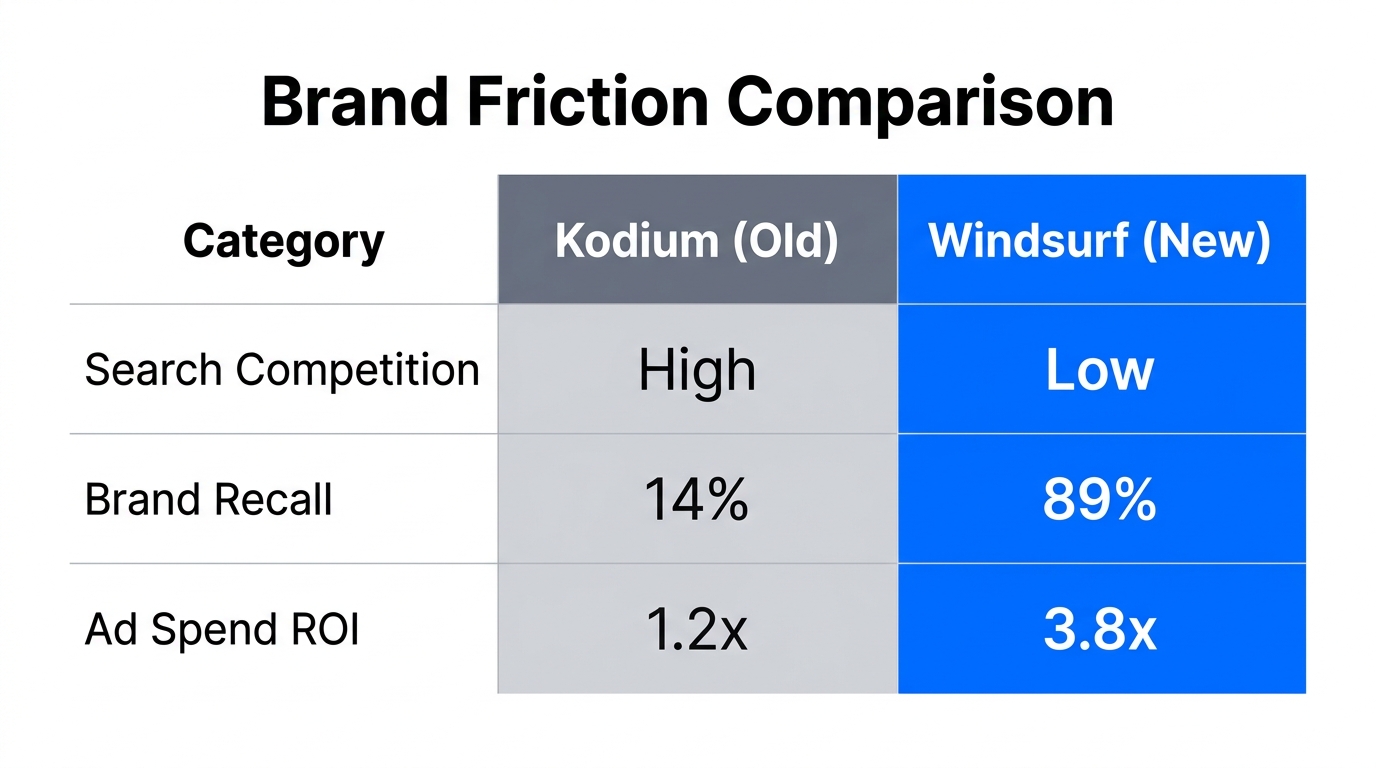
Before the rebrand, Kodium suffered from a classic startup naming ailment: poor processing fluency. Even though the product was technically sound, the name itself was difficult to spell, hard to search, and lacked a distinct hook. In the world of Apple Search Ads and organic SEO, if a user can’t spell your name on the first try, they are effectively dead to your funnel.
The name Kodium created a "searchability gap." When potential users heard the name on a podcast or in a meeting, they struggled to find the correct URL. This friction led to bad SEO performance and wasted marketing spend. A name change isn't just about aesthetics; it's about facilitating the path to purchase. By moving to Windsurf, the brand embraced a name that was familiar yet surprising, drastically improving its ability to capture and hold attention in a split-second browsing environment.
"Nothing that you will do in your brand will be used more often or for longer than your name. It compounds over time, creating either a strategic advantage or a constant drag on growth."
The 6-Week Rebranding Sprint: Moving Beyond the 'ProMop' Trap
31:20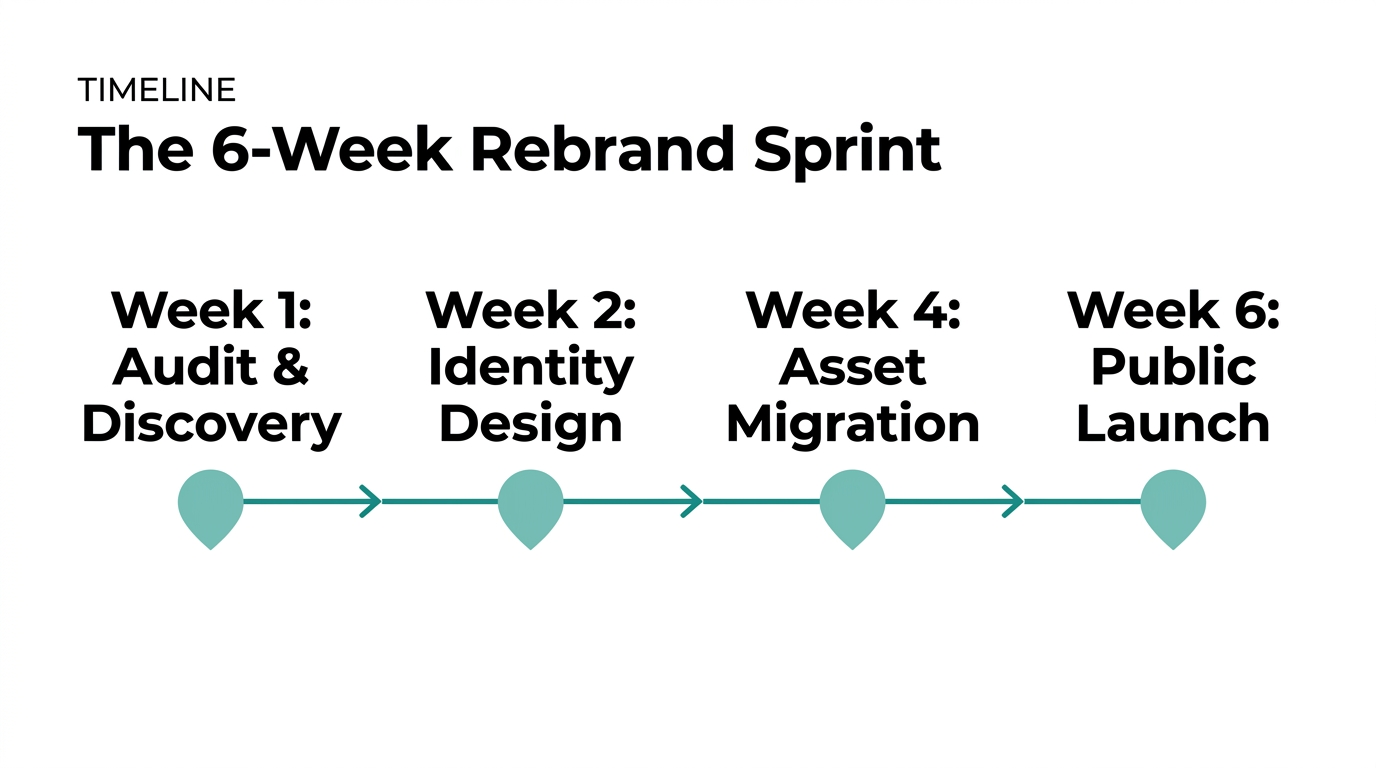
Executing a Windsurf rebrand strategy doesn't require a year-long committee process. In fact, the most successful rebrands—including the shift from Kodium—happen in tight, disciplined sprints. The goal is to move from a "comfortable" or "descriptive" name to an "original" one. Many companies fall into what naming experts call the 'ProMop' trap.
Consider the historical comparison between Swiffer and Clorox's Ready Mop. Clorox chose a name that was descriptive and safe. It told people exactly what the product was. However, Proctor & Gamble chose Swiffer—a name that was fun, phonetically snappy, and distinct. The results speak for themselves in the table below:
| Brand | Naming Strategy | Market Outcome | Winning Quality |
|---|---|---|---|
| Ready Mop | Descriptive/Safe | ~$200M Brand | Clear utility |
| Swiffer | Abstract/Original | $5B+ Brand | Processing Fluency |
To replicate the Windsurf success, startups must follow a specific sequence of creative curiosity. You don't start by looking at your competitors; you start by looking at the ultimate benefit. For a fiber brand, the benefit isn't "more fiber"; it's "feeling lighter." This shift in perspective allowed Windsurf to move from a technical-sounding name (Kodium) to one that evokes speed, agility, and flow.
The Science of Processing Fluency: Why Some Names Stick
8:58In 2026, our brains are lazier than ever. We gravitate toward information that is easy to process. This is known as processing fluency. A name like Windsurf works because it uses familiar concepts to create something surprisingly new. It's "surprisingly familiar."
Linguistics also plays a massive role. Certain letters, specifically K, P, B, and Z, are known as "power letters" or plosives. They sound reliable, fast, and energetic. This is why names like Blackberry, Pentium, and Sonos feel more impactful than their generic counterparts. When auditing your current name for a growth marketing rebrand, ask yourself if the sound of the word matches the energy of the product. Does it sound like an innovative leader, or a legacy follower?
"Quantity leads to quality. Don't stop at 100 names; you need to generate 2,000 to find the 'ship of gold' in the deep blue sea of possibilities."
Managing the Risk: Why You Won’t Lose Equity
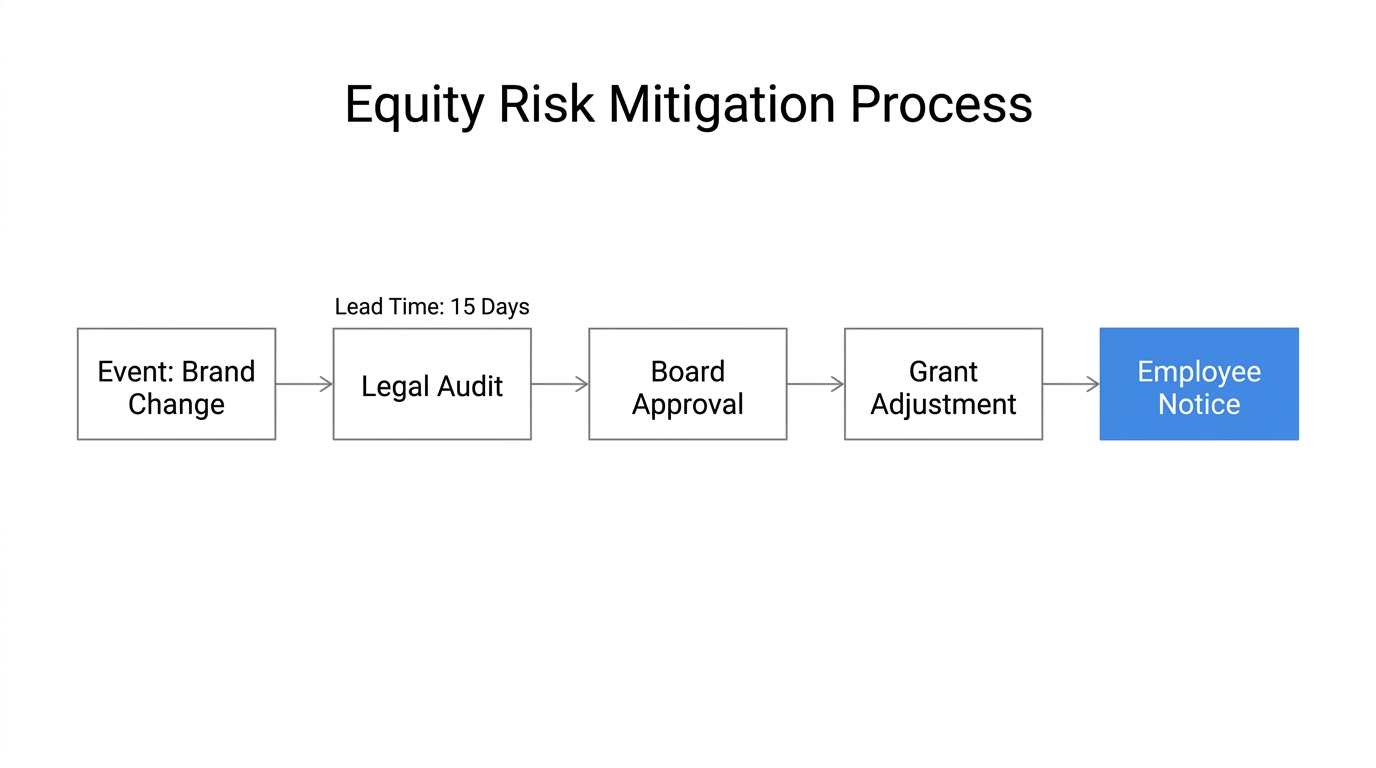
The biggest fear founders have regarding a startup name change playbook is the loss of momentum. They worry that years of brand equity will vanish overnight. However, market data suggests this is largely a myth—provided the launch is handled with enthusiast-led energy.
Equity is not tied to the letters in your name; it is tied to the value delivered. When you transition names, as long as you have a compelling story—"We were X, now we are Y because we are moving toward Z benefit"—your audience will follow. In fact, a rebrand is a massive opportunity to re-engage your users and spark a new wave of press. Enthusiast-led launches prevent loss of momentum by turning the name change into a celebration of growth rather than a quiet correction of a mistake.
Approximate Thinking: How to Empower Your Marketing Team
To find names like Windsurf or Anthropic, you must foster a culture of "approximate thinking." Most creative teams are afraid to pitch polarizing names because they fear the "smackdown" of logical evaluation. If you judge an idea while you are still dreaming it, you kill the flow.
In your next naming session, use the Approximate Thinking Framework:
- The Bizarre Zone: Encourage absurd, potentially illegal, or nonsensical ideas.
- The Approximate Zone: Look for ideas that are 70% there—they have the right energy but need refinement.
- The Safe Zone: Avoid these for your primary name; they are for your internal documents.
By giving your team permission to be "approximate," you allow them to explore high-energy areas like aviation, aerodynamics, or even Greek mythology to find that one word that captures the essence of your tech. Tools like ChatGPT and strategic marketing frameworks from Marketing Week can help categorize these initial thoughts, but the final judgment must be strategic.
Scaling the New Brand: High-Energy Distribution in 2026
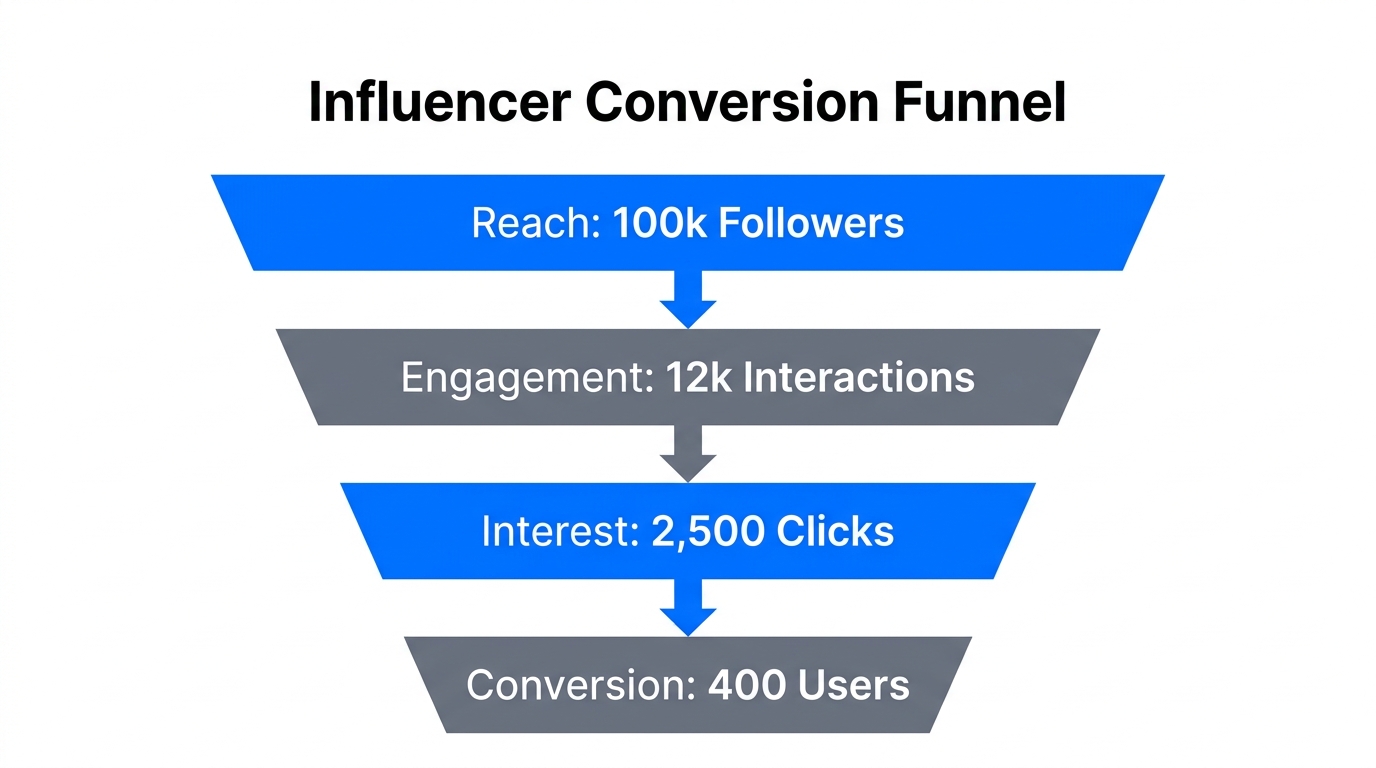
Once you have secured a name with high processing fluency, the next step in your B2B tech naming guide is distribution. In 2026, the fastest way to build cumulative advantage for a new name is through creator-led marketing. Platforms like Stormy AI allow brands to instantly find influencers who align with their new identity.
If your name is "Windsurf," you want creators who embody speed and fluidity. By using an AI-powered search engine like Stormy AI, you can find niche experts on TikTok and LinkedIn who can help "socialize" your new name to millions of potential users. This creates a feedback loop where the name gains familiarity through trusted voices, further reducing the perceived risk of the rebrand.
"The right name can launch a product, but high-energy distribution makes it a household staple. Don't just change the sign on the door; change the conversation in the market."
Conclusion: Is Your Name a 10 or a 4?
As we navigate 2026, the price of being "invisible" is higher than ever. Names like SpaceX are a 10 because they combine utility with an "X" factor of innovation. Names that are generic or unpleasant, like "Grock," struggle to find their footing.
A growth marketing rebrand is not a sign of failure; it is a sign of evolution. If your current name is creating friction in your SEO, if it's being confused with competitors, or if it simply feels "comfortable" rather than "remarkable," it’s time to move. Use the Windsurf rebrand strategy to search the "Deep Blue Sea" of possibilities, find your power letters, and build a brand that compounds its way to a billion-dollar valuation.
Ready to start your next growth chapter? Pair your new identity with data-driven creator sourcing. Use Stormy AI to find the influencers who will help your new name take flight.