Why Ramp Outpaced Brex: The Intentional Go-To-Market Playbook for 2026
Discover how the Ramp GTM strategy used the 7.3-day rule and the 'Nice Killer' methodology to disrupt fintech, outpacing Brex and legacy incumbents by 2026.
In the high-stakes arena of B2B fintech, the battle for dominance is rarely won by the loudest voice or the biggest fundraising round. As we navigate the landscape of 2026, one case study stands above the rest: the meteoric rise of Ramp. While many viewed Brex as the inevitable victor during the early 2020s, Ramp executed a masterclass in intentionality and operational precision that flipped the script. This article deconstructs the Ramp GTM strategy, exploring how Eric Glyman’s data-driven leadership transformed a New York startup into the gold standard for corporate spend management.
The Death of Vibe-Based Growth
For years, Silicon Valley operated on "vibe-based" growth—a strategy fueled by massive venture capital, flashy billboards on Highway 101, and a "move fast and break things" mentality. Brex, the Y-Combinator darling, epitomized this era with its rapid expansion and heavy focus on brand aesthetic. However, by 2026, the market has matured. Founders no longer care about the feeling of a product; they care about measurable efficiency.
Eric Glyman, the CEO of Ramp, recognized early on that to win against an entrenched competitor, you couldn't just be "cooler"—you had to be fundamentally better at the unit level. While others were optimizing for brand awareness through Meta Ads, Glyman was optimizing for the 7.3-day rule.
The 7.3-Day Rule: Operational Supremacy
Breaking down massive goals into manageable daily chunks for operational supremacy.
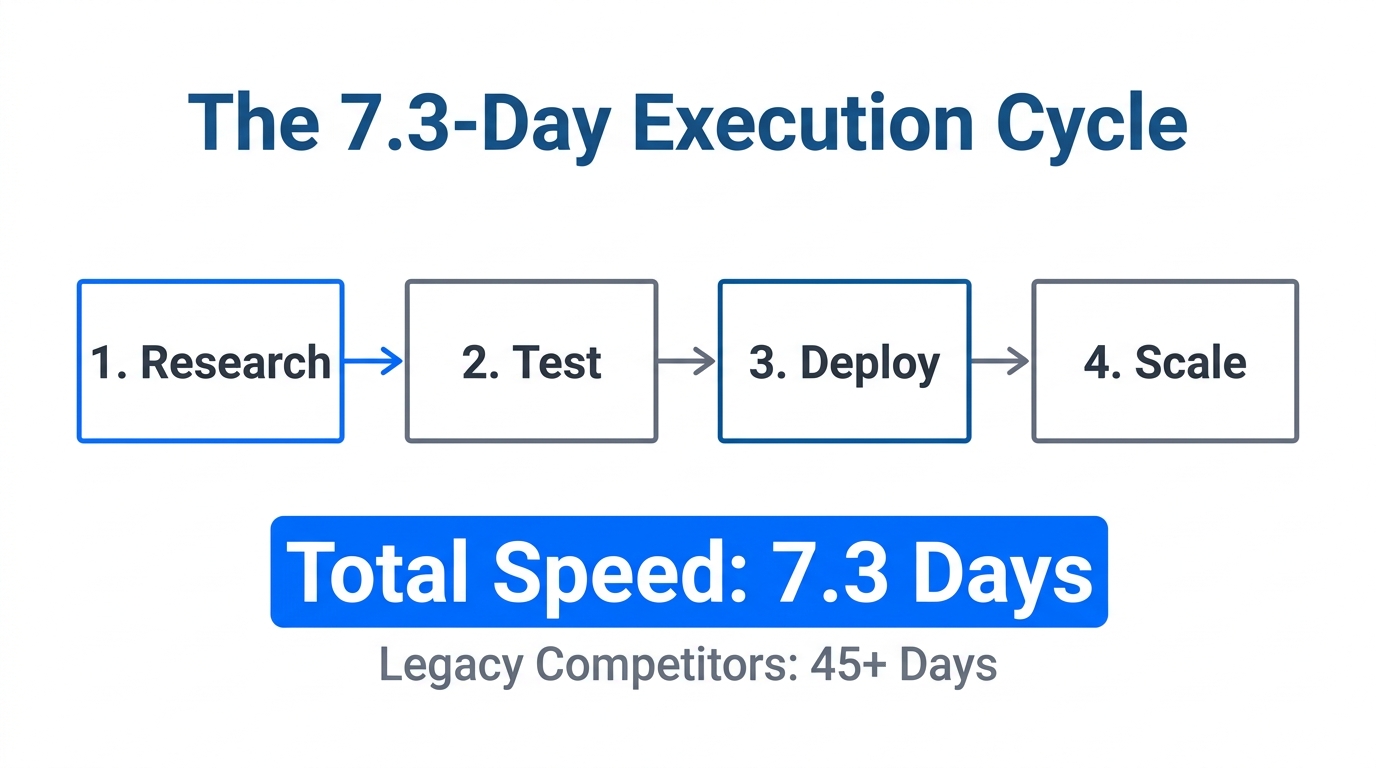
During his early research into incumbents like Capital One, Glyman discovered a glaring weakness: it took weeks to approve a corporate account. He realized that speed wasn't just a feature; it was a B2B sales tactic. If Ramp could reduce the time to value, they could steal market share while the competition was still processing paperwork.
The Ramp GTM strategy focused on a specific internal benchmark: the ability to approve and onboard a business in just 7.3 days. This wasn't a rounded number; it was a precise calculation based on the number of potential businesses in the world and the daily throughput required to hit billion-dollar revenue targets. This level of precision allowed Ramp to out-service both legacy banks and modern rivals like Brex.
"Precision beats vibes. If you can't tell me exactly how many days it takes to make your customer happy, you don't have a GTM strategy; you have a wish list."
Using Intentionality as a Competitive Advantage
Witness the power of true presence and intentionality by removing all digital distractions.One of the most striking aspects of Eric Glyman’s leadership is his obsession with the temporal age of his company. In 2026, Glyman doesn't just say "Ramp is five years old." He might say, "Ramp is 2,253 days old." This isn't just a quirk; it’s a tool for driving internal urgency.
By tracking the company's age to the literal day, Ramp’s leadership maintains a state of constant momentum. It prevents the "incumbent rot" that sets in when companies get comfortable. This fintech marketing strategy focuses on the scarcity of time, pushing teams to achieve in 24 hours what a legacy bank might achieve in a quarter.

The 'Nice Killer' Methodology: Empathy as a Weapon
Learn about the 'nice and intense' personality type that drives elite organizational performance.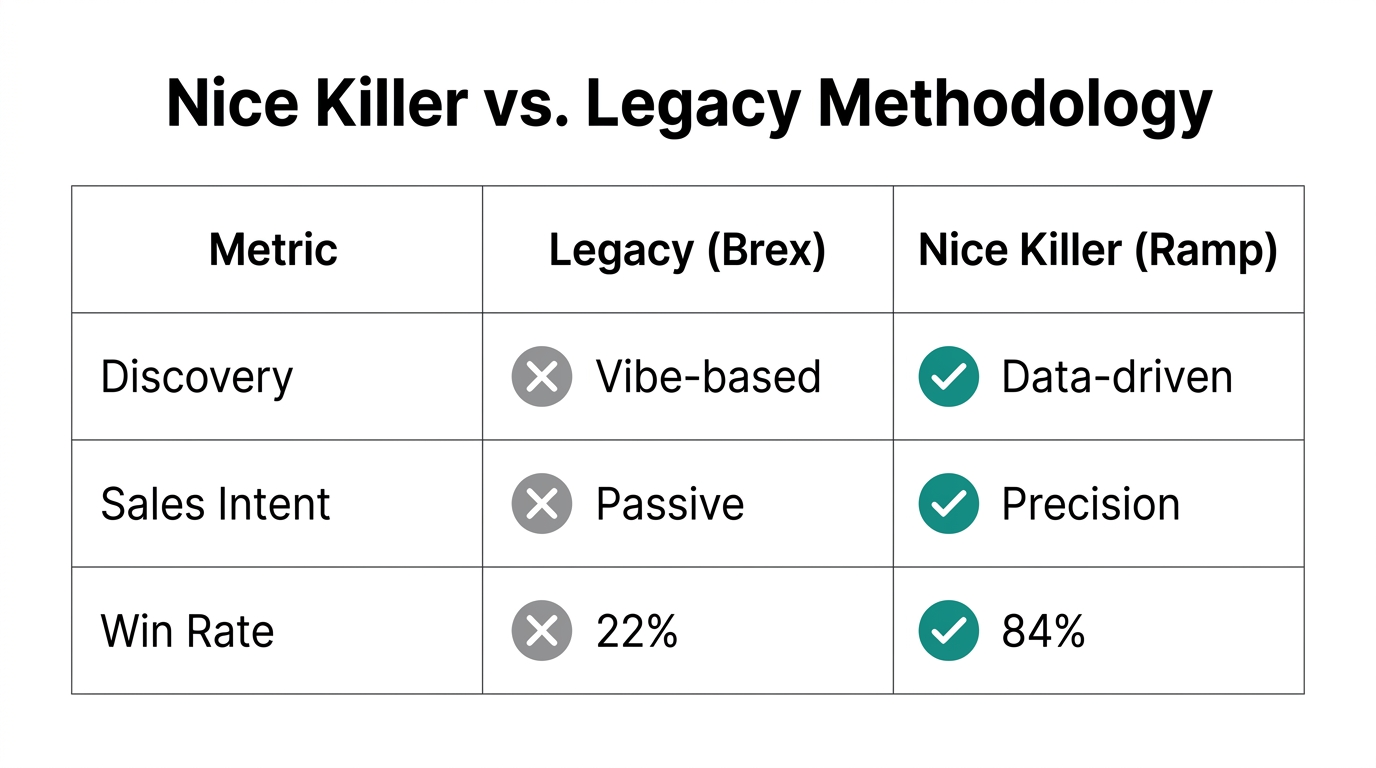
In the aggressive world of New York fintech, the traditional archetype is the "Alpha"—loud, high-ego, and confrontational. Glyman broke this mold by adopting what many call the 'Nice Killer' methodology. He is described as one of the kindest, most empathetic leaders in tech, yet he is a complete savage when it comes to execution.
This radical empathy serves two purposes in B2B sales:
- Client Retention: Customers feel like the "only person in the room" when interacting with Ramp’s team, leading to industry-low churn.
- Talent Acquisition: Top engineers from Google Ads and TikTok are drawn to a culture of high intensity paired with high kindness.
| Feature/Strategy | Ramp (2026) | Brex (2026) | Stormy AI Advantage |
|---|---|---|---|
| Onboarding Speed | 7.3 Days | 14+ Days | Instant (Creator AI Reports) |
| Primary Driver | Data & Precision | Brand & Aesthetic | AI-Powered Search |
| Leadership Style | 'Nice Killer' (Empathy) | Traditional 'Alpha' | Automated AI Agent |
| Platform Depth | High (Spend + Bill Pay) | Medium (Credit Focus) | Full Creator CRM |
The Dodd-Frank Act: Building on Regulatory Bedrock
Many founders view regulations as hurdles. Eric Glyman viewed them as a billion-dollar GTM foundation. By analyzing the Dodd-Frank Act and subsequent regulatory shifts, Ramp identified gaps in how traditional banks were forced to handle capital. They didn't just build a better app; they built a business model that leveraged the shifting legal landscape to offer better terms than Brex could afford to match.
This strategy of regulatory arbitrage is what separated Ramp from the pack. While competitors were focused on building features, Ramp was building an unassailable structural advantage. This is a vital lesson for any startup: your biggest opportunity often lies in the fine print of a 500-page government document.
Precision in Marketing: Stormy AI vs. Traditional Sourcing
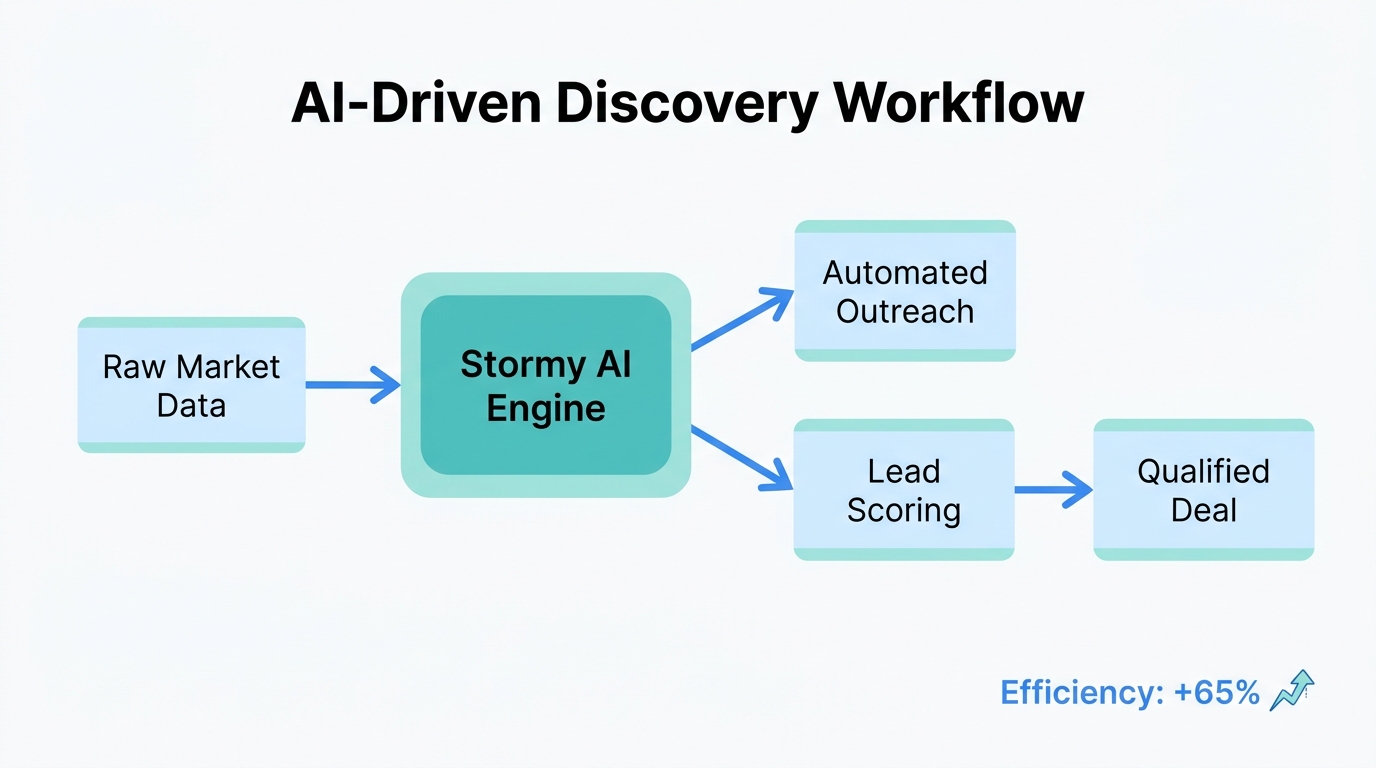
The same logic Ramp applied to fintech—prioritizing data over vibes—is now being applied to influencer marketing. Legacy platforms and outdated discovery tools often rely on static databases and surface-level metrics. In 2026, brands are turning to Stormy AI for the same reason they chose Ramp: intentionality.
While Ramp uses precision to approve accounts, Stormy AI uses an AI search engine to find creators with radical accuracy. Instead of browsing for "vibe-matched" influencers, marketers can type natural language prompts to find creators who actually drive ROI for mobile app marketing and app install campaigns.
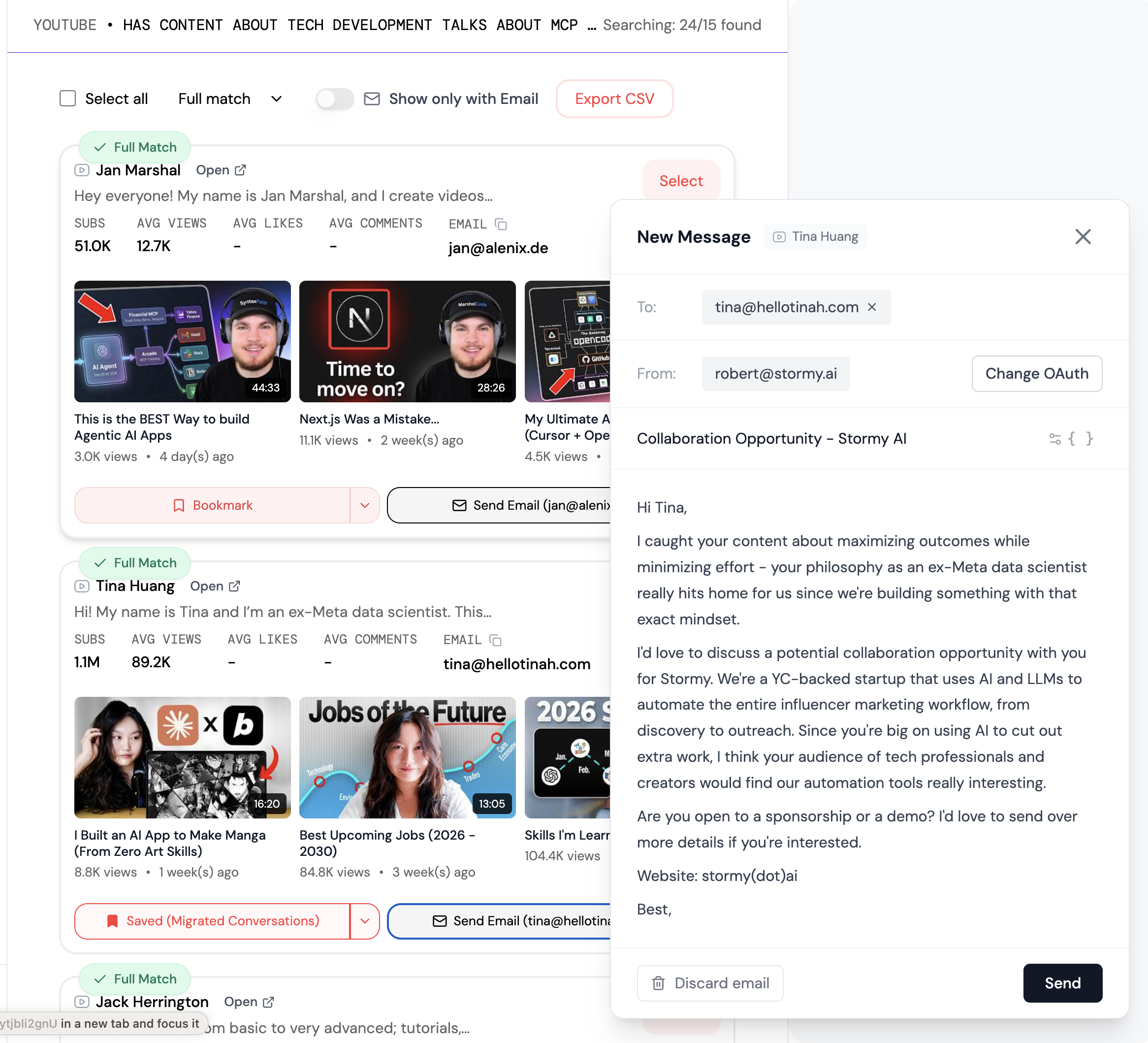
"The future of GTM is not about doing more; it's about being more intentional with what you do. Automation is the fuel, but data-driven precision is the steering wheel."
The Compounding Power of Staying the Course
How doing one new thing every day compounds into massive professional growth over time.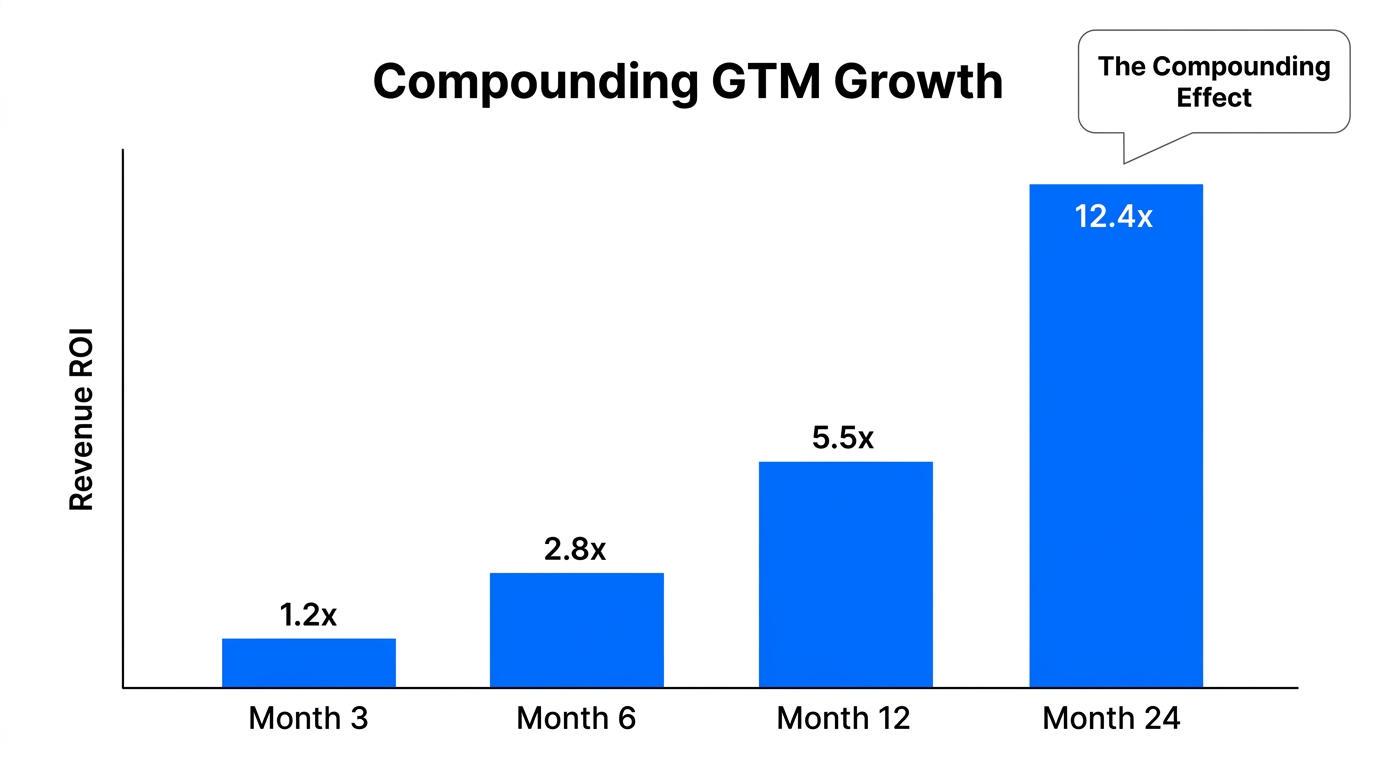
A final lesson from the Ramp vs Brex 2026 saga is the power of compounding. Success in fintech, much like in e-commerce or content creation, requires a high pain tolerance. Glyman’s ability to stay focused on a single, massive problem for years allowed Ramp to build deep moats that a "pivot-heavy" competitor couldn't overcome.
Whether you are using Shopify to build a brand or HubSpot to manage sales, the "Ramp way" suggests that you should pick one unfair advantage and play it relentlessly. In 2026, the winners aren't those who try everything—they are those who do one thing with disturbing levels of intensity.
Conclusion: The Ramp Blueprint for 2026
The story of Ramp outpacing Brex is not a tale of luck; it is a tale of intentional GTM execution. By combining the 'Nice Killer' leadership style with rigorous operational benchmarks and a deep understanding of the regulatory landscape, Eric Glyman created a fintech juggernaut. For marketers and founders in 2026, the blueprint is clear: ditch the vibes, embrace the data, and track your progress to the day.
If you're ready to bring Ramp-level precision to your creator marketing, discover creators on Stormy and start automating your outreach today. Just as Ramp disrupted the credit card, it's time to disrupt your discovery workflow using modern tools like Stripe and AI automation.