
Every founder dreams of discovering the "Blue Ocean"—a market so niche and untouched that they have zero competitors. We are taught that innovation means being first, and that competition is a sign of a saturated, unprofitable market. However, for most indie hackers and SaaS developers, the opposite is true. If you can’t find a single competitor for your project, it’s not because you’re a genius; it’s likely because there is no money in that niche. Validating a market doesn’t mean finding a vacuum; it means finding a crowd that is already spending money and then offering them a better experience.
The Myth of the Unique Idea: Why Zero Competitors Equals Zero Revenue

In the world of saas market research, the most dangerous discovery is a lack of competition. As Thomas Sanlis, founder of Uneed, recently shared on Starter Story, he failed with over 30 different projects before finding success. Many of those failures shared a common trait: they were "unique" but ultimately useless. From a plant management app called Sidery to a bookmark manager, Thomas spent years building tools that lacked a clear market demand. "Not having competitors means that there’s no market," Thomas explains. "You’re not Steve Jobs. Creating a new market is nearly impossible."
When you enter an established market, the heavy lifting of customer education has already been done for you. Companies like Google or Shopify have already spent millions proving that people need their respective services. For a startup, it is far safer and more profitable to be the 10th or 100th solution in a proven category than the first solution in a category no one cares about. Your goal isn't to invent a new behavior; it's to improve an existing one.
Competitive Research 101: Mining Drama for Market Gaps


Once you accept that competition is good, the next step is competitive analysis for startups. You shouldn't just look at what your competitors are doing right; you should look at what they are doing wrong. Thomas’s breakthrough with Uneed didn't come from a brand-new concept, but from identifying a gap in an existing giant: Product Hunt. He noticed "drama" on social media—indie hackers complaining that Product Hunt only featured big companies or creators with massive audiences.
To perform this type of research effectively, you need to monitor the sentiment of the target audience. If you are building a tool for content creators, you can use Stormy AI for influencer vetting, fake follower detection, and deep audience demographics to see which creators are leading the conversation and what their audiences are actually frustrated with. By analyzing engagement quality, you can identify if a competitor's user base is genuinely satisfied or if they are looking for an alternative. This data-driven approach allows you to validate your startup idea by ensuring you are solving a high-friction pain point that people are vocal about.
The Pivot Strategy: Moving Up the Value Chain
Thomas didn’t start with a $10,000 per month platform. Uneed began as a simple directory for front-end tools. While it gained some traction, it wasn't a sustainable business. The key to his success was a product positioning strategy that shifted the tool from a passive directory to a high-value "launch platform." This pivot allowed him to capture more value from the same audience. He moved from simply listing tools to helping founders gain visibility and clicks.
When pivoting, you must ensure your headline and purpose are crystal clear. Thomas notes that if a visitor doesn't understand your value proposition in the first few seconds, they won't scroll. Your landing page should reflect the UI/UX best practices of high-converting apps. Tools like Mobbin can help you study the flows of successful products so you don't waste time "designing in the dark." A successful pivot isn't just about changing features; it's about repositioning your product to solve a more expensive problem.
A Playbook for Market Validation
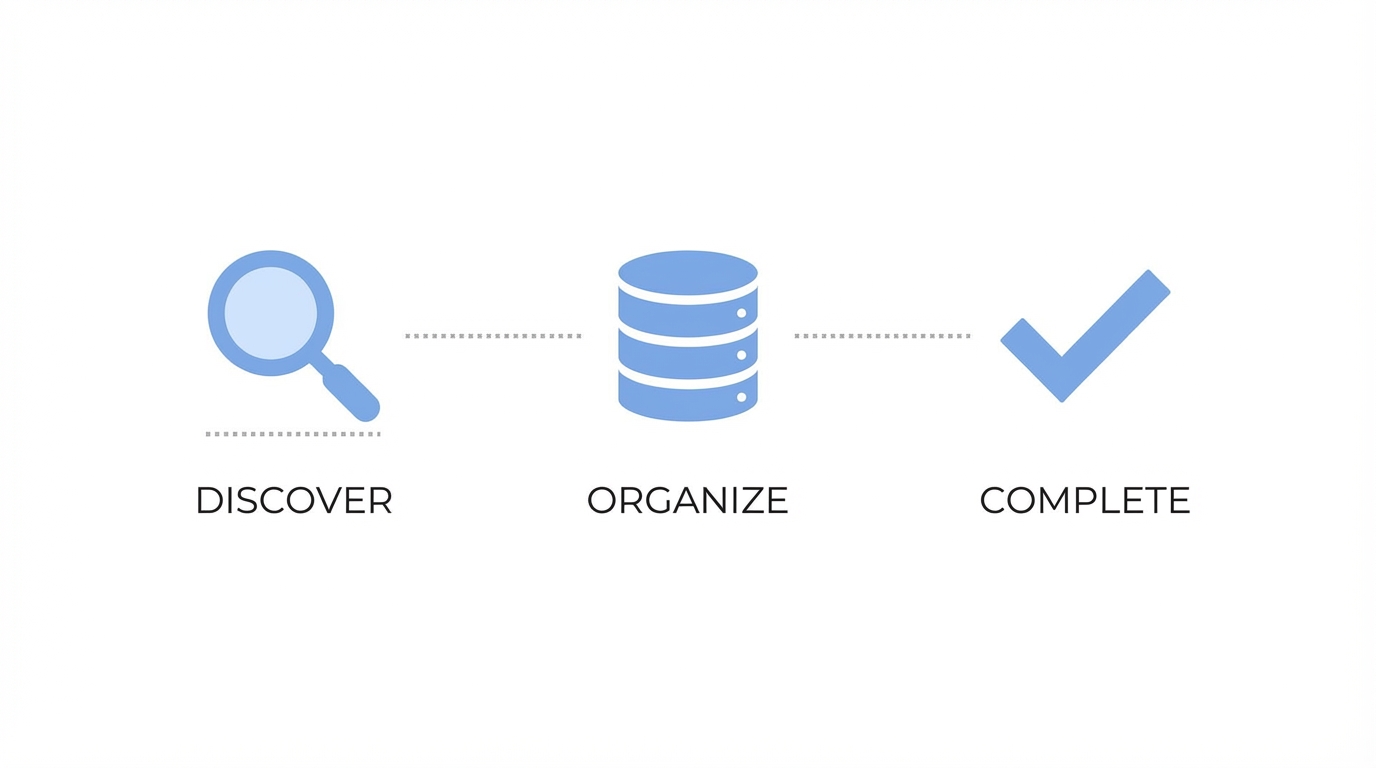
To successfully validate startup idea concepts, follow this step-by-step framework to ensure you aren't building into a void:
Step 1: Identify Established Demand
Look for keywords and categories on platforms like Google Ads or Meta Ads Manager. If brands are paying for ads in a specific niche, the market is validated. If there is zero ad spend, proceed with extreme caution.
Step 2: Monitor Competitor Sentiment
Don't just look at features. Use tools to find out where the current market leaders are failing. For those targeting the creator economy, Stormy's AI search can find creators across TikTok, YouTube, Instagram, and LinkedIn who are talking about specific niches, allowing you to see what their communities are asking for in real-time.
Step 3: Test the "Skip the Line" Model
One of the strongest indicators of market fit is whether people will pay to save time. In Thomas’s case, he reached $10,000 in monthly revenue and 2,000 customers because founders were willing to pay to "skip the line" or advertise their products. As you scale these relationships, using a dedicated creator CRM from Stormy AI can help you manage every interaction, negotiation, and payment in one place.
Step 4: Track Early Momentum
Launch an MVP and track the metrics that matter. Thomas tracked unique visitors (30,000/month) and clicks generated (10,000/month). For social-driven products, Stormy's post tracking allows you to monitor how your content or your creators' posts are performing across platforms, giving you hard data on whether your message is resonating.
The Momentum Game: Marketing vs. Building

A common trap for developers is the belief that "if you build it, they will come." Thomas spent years building 30 projects that nobody visited because he ignored marketing. Marketing is about momentum. If you post consistently on social media, you build a brand that people recognize. If you stop for a few weeks, you have to start from scratch. To maintain this momentum without burning out, many founders are turning to automation.
Setting up an AI agent to handle your growth can be a game-changer. For instance, Stormy's AI outreach can automatically discover, contact, and follow up with creators and partners on a daily schedule while you sleep. This ensures that your marketing engine is running, preventing the "loss of momentum" that Thomas cites as a primary reason for project failure. By connecting multiple Gmail accounts and using hyper-personalized emails, you can build the distribution channel you need to turn a good idea into a $10k/month business.
Conclusion: Find a Profitable SaaS Idea Through Iteration
The journey to find a profitable saas idea is rarely a straight line. Thomas Sanlis had to fail 30 times and pivot his main product before reaching his goals. He built Uneed using a modern tech stack including Next.js and Supabase, but the technology was secondary to the market timing and validation. By embracing competition, monitoring user frustration, and focusing on sustainable marketing, he transformed a simple directory into a thriving business.
Remember: competition is your friend. It proves that a problem is worth solving and that customers are willing to pay for a solution. Don't be afraid to enter a crowded market; just be sure to enter it with a better understanding of the customer's pain than anyone else. Use data, stay consistent, and view your startup as a marathon rather than a sprint. If you're ready to start your own validation journey, Stormy AI can help you discover the creators and market shifts that will define your success.