Why Brands are Abandoning Upfluence for Stormy AI: Pricing, Contracts, and 2026 ROI Trends
Discover why brands are ditching Upfluence pricing for Stormy AI in 2026. Compare influencer marketing contract lock-ins, ROI trends, and automated influencer CRM tools.
The influencer marketing landscape has undergone a seismic shift in 2026. As the global market swells to a staggering $40.51 billion, according to Mordor Intelligence, the tools that powered the last decade are suddenly feeling like relics. Brands are no longer satisfied with static databases and heavy annual commitments; they are demanding autonomous execution. This shift has led to a mass migration away from legacy systems like Upfluence toward agile, agentic platforms like Stormy AI. In this deep dive, we explore why the "Database Lock-in" model is dying and how transparent, credit-based AI agents are delivering 2026’s highest ROI.
The "Predatory Billing" Problem: Annual Lock-ins vs. $100 Starters
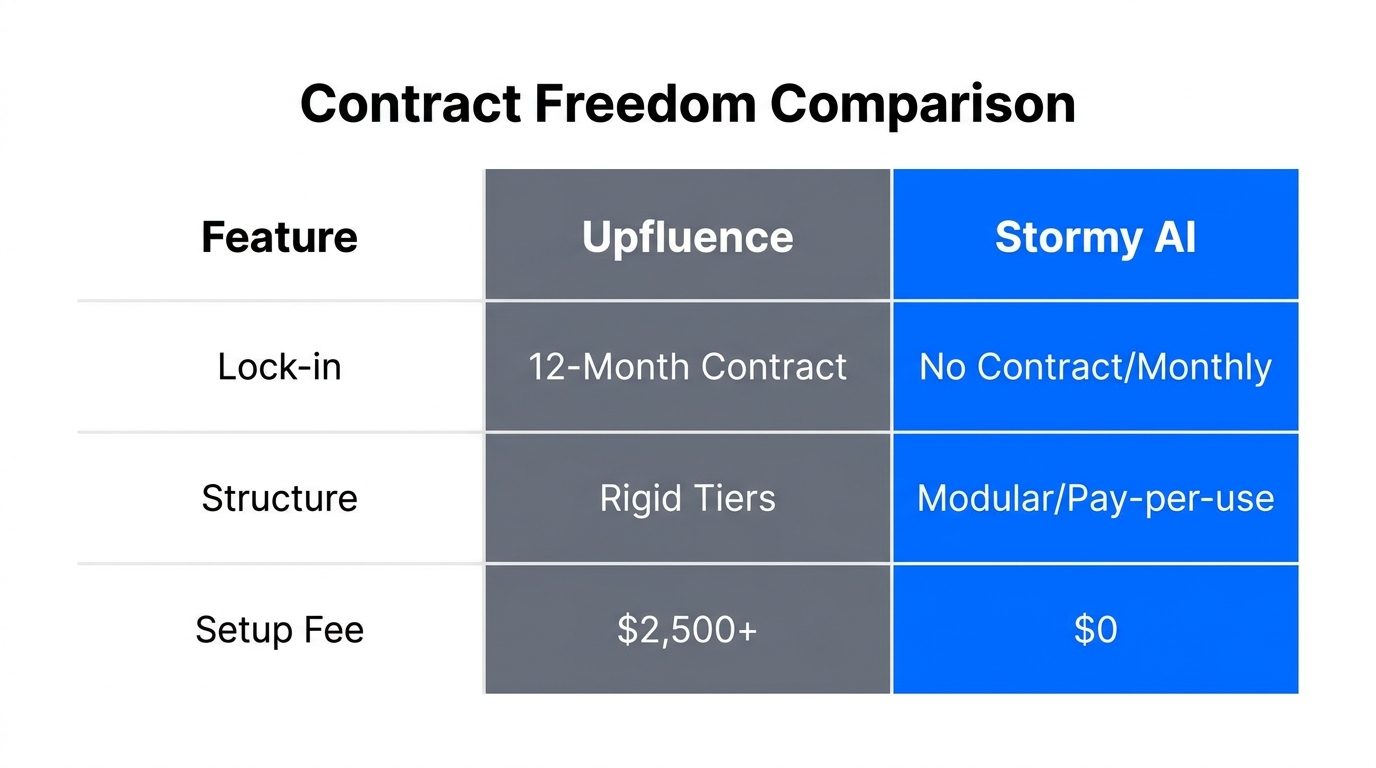
For years, the industry standard was the 12-month contract. Platforms like Upfluence often require $12,000 to $33,000+ annual commitments, effectively pricing out startups and agile growth teams. As noted in recent Reddit discussions and reviews on G2, this "Predatory Billing" cycle forces brands to pay for seats and data they may not use for months at a time. In 2026, this model feels increasingly out of touch with a market where 74% of brands have moved budgets to performance-based creator programs, as reported by Impact.com.
Contrast this with Stormy AI, which has pioneered the "credits-for-results" model. Instead of a massive upfront fee, users can start with $100 for 1,000 credits. This allows teams to scale their influencer marketing spend in direct proportion to their results. Whether you are a small Shopify store or a scaling mobile app, the ability to test a campaign without a $20k liability is the primary reason brands are seeking best Upfluence alternatives in 2026.
| Pricing Metric | Upfluence (Legacy CRM) | Stormy AI (Autonomous Agent) |
|---|---|---|
| Entry Cost | ~$478/month (Billed Annually) | $100 (1,000 Credits) |
| Contract Length | Typical 12-Month Lock-in | Monthly / Pay-as-you-go |
| Median Annual Spend | $12,000 - $33,000+ | $2,400 - $6,000 (Usage dependent) |
| Ideal For | Enterprise E-com with massive teams | Agile Growth Teams & Lean Startups |
The "Ghost List" Problem: Why Databases are Failing in 2026
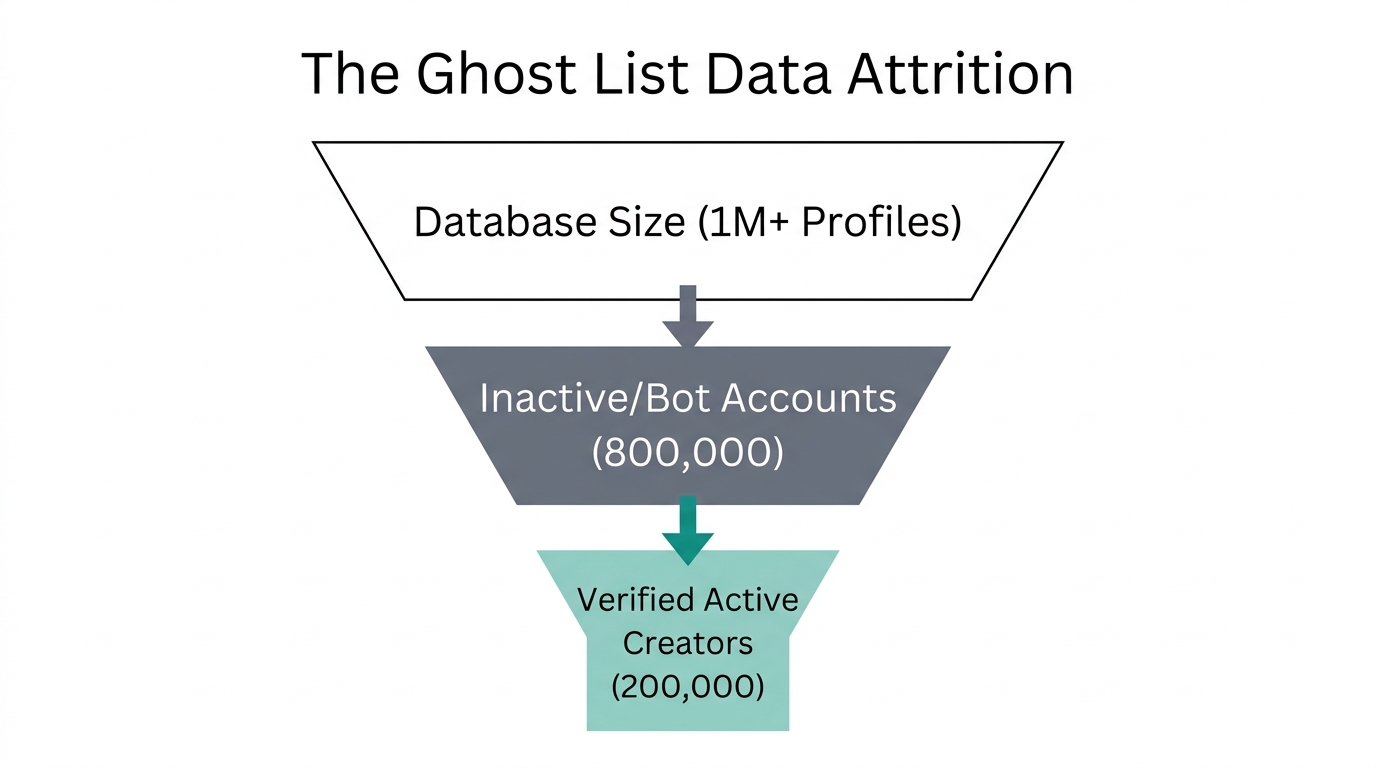
The core value proposition of Upfluence has historically been its 12M+ profile database. However, in the fast-moving world of TikTok and YouTube Shorts, a database is only as good as its last update. Brands are increasingly frustrated with "Ghost Lists"—contact information that is six months old or profiles that haven't posted in weeks. While discovery-only tools like Modash offer larger databases (250M+ profiles), they still rely on a static index.
"The influencer marketing industry has transitioned from 'experimental spending' to a 'core performance engine,' and static data simply can't keep up with real-time social algorithms."
Stormy AI solves this by ditching the database entirely in favor of real-time social scraping. When you type a prompt like "Find me NYC skincare TikTokers with >5% engagement," Stormy doesn't look at a saved file; it scans the live social graph. This ensures 99.8% match accuracy and eliminates the time wasted on inactive accounts. In a year where 86% of U.S. marketers use influencers as a primary acquisition channel (Sprout Social), data latency is a luxury no one can afford.

ROI Showdown: Human Vetting vs. Autonomous Negotiation
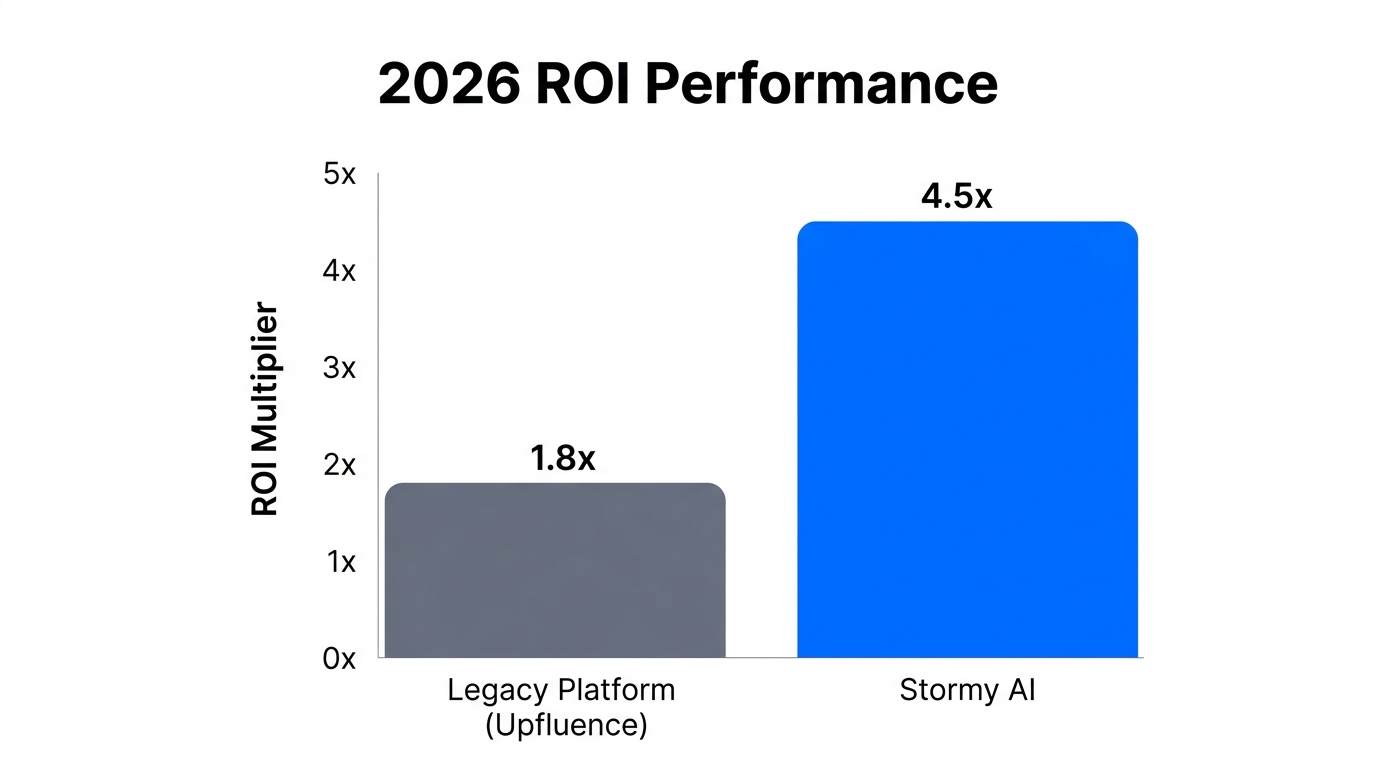
When looking at the numbers, the results are telling. Upfluence boasts impressive case studies, such as the denim brand Valabasas, which achieved a 14x ROI by converting 25% of their customers into affiliates. This is a powerful strategy for established e-commerce brands with massive customer lists. However, it requires significant manual oversight to manage those relationships.
On the other hand, Stormy AI has focused on the "Cold Start" problem. A mid-tier skincare brand recently reported a 4.2x ROI using Stormy, which might seem lower than 14x until you consider the overhead cost. The Stormy campaign required zero manual labor for outreach and negotiation. While Upfluence's new Jaice AI acts as a co-pilot for humans, Stormy AI functions as a digital employee that handles the entire conversation autonomously.
According to The Cirqle, the industry baseline ROI in 2026 is $5.78 for every $1 spent. To beat this, brands are turning to automated influencer CRM tools that don't just organize data, but execute the work. Stormy AI's "Price Strike" model ensures you never overpay by analyzing a creator's historical performance and counter-offering based on predicted ROI rather than arbitrary market rates.
The Hidden Cost of Labor: Why CRM is Not Enough
The primary complaint against legacy CRMs is that they are essentially empty buckets that require a full-time employee to fill and manage. Platforms like Juice.co have addressed this by deploying "AI Social Armies" to flood algorithms with content. Similarly, Stormy AI reduces team overhead by replacing the manual tasks of an Influencer SDR (Sales Development Representative).
"In a world of AI SDRs, you should be able to describe your campaign once and have the AI agent work while you sleep." — Robert, Founder of Stormy AI
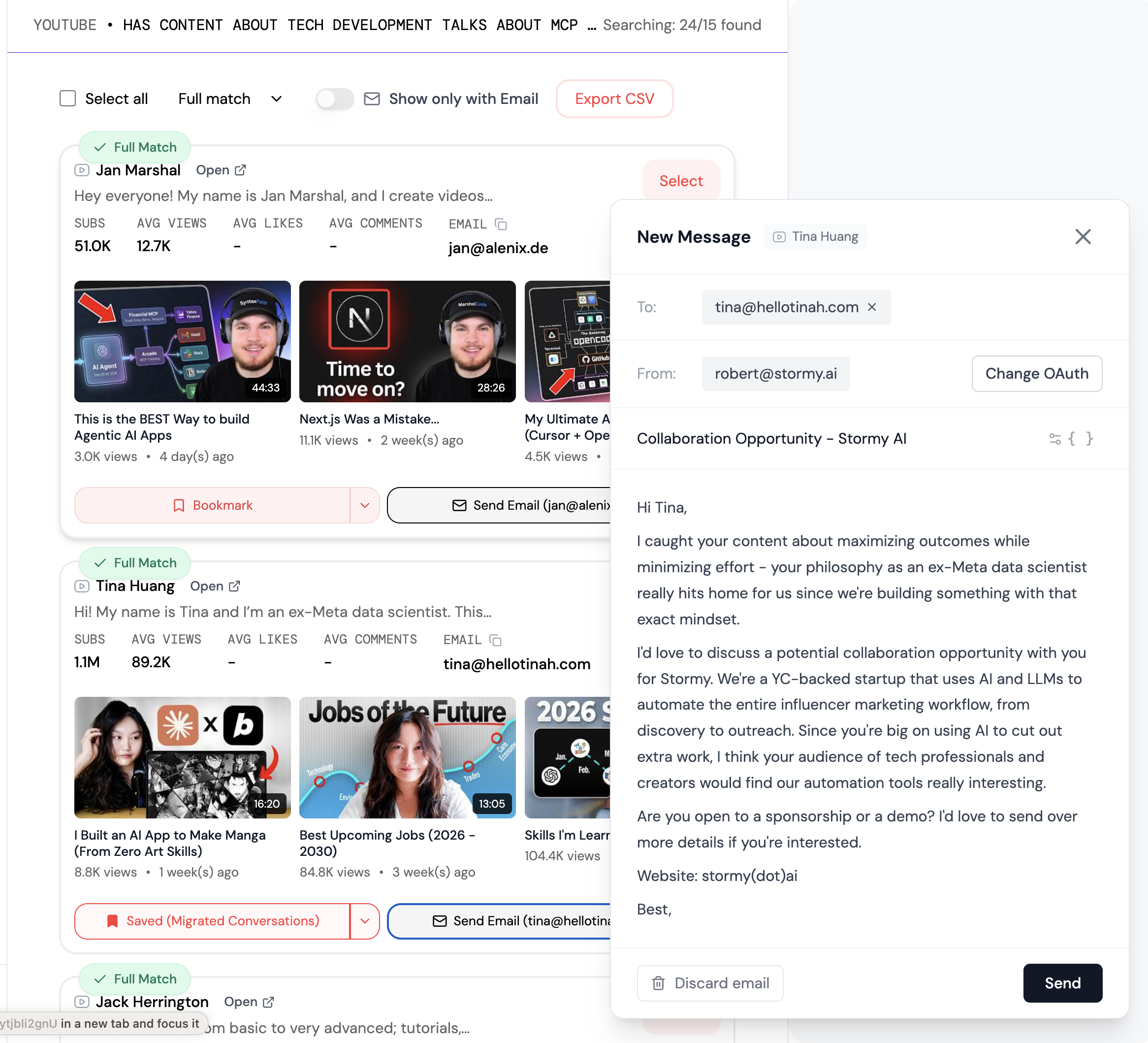
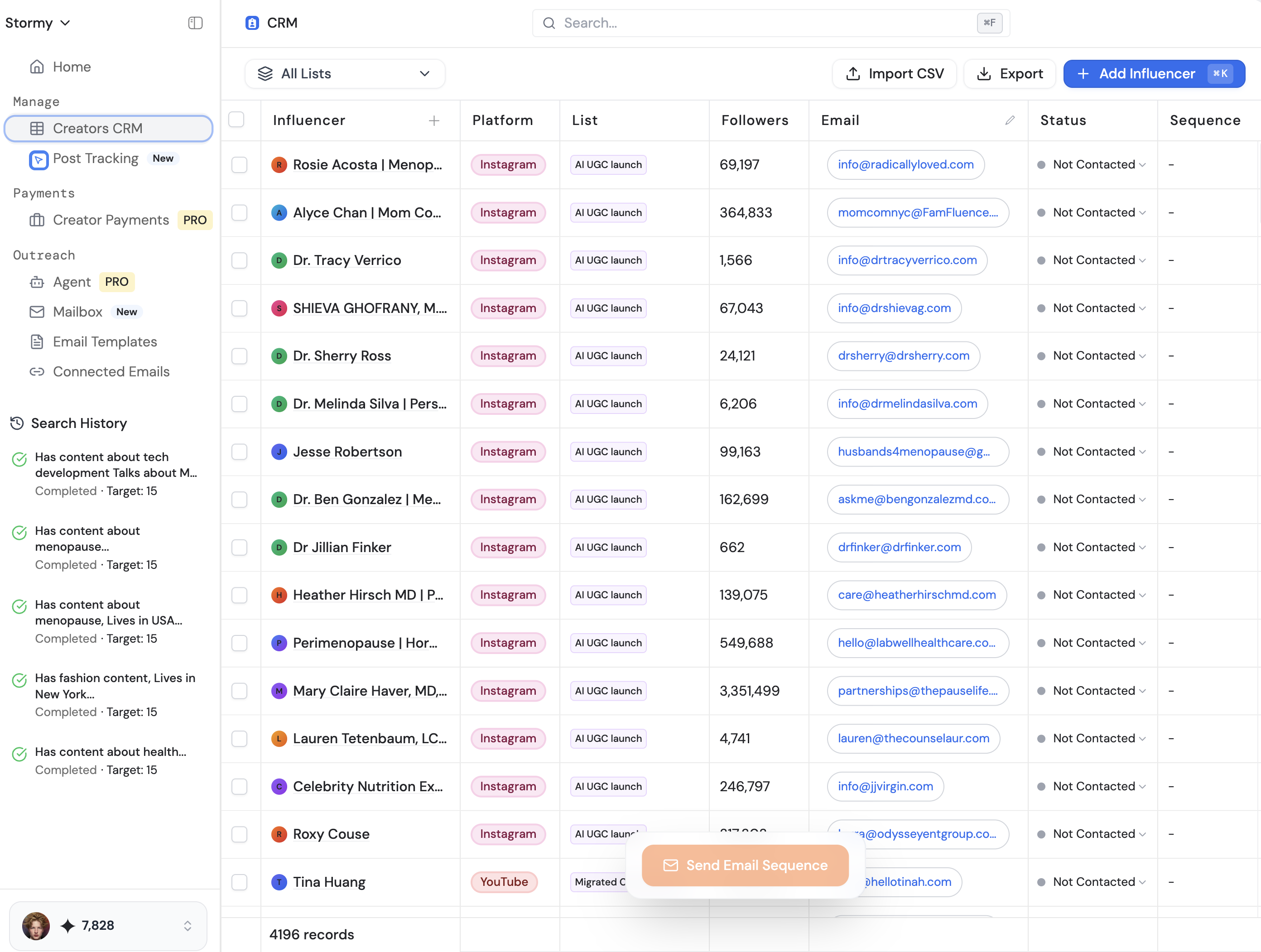
With Stormy AI, you can connect multiple Gmail accounts and let the AI handle the hyper-personalized outreach. It doesn't just send the first email; it handles the follow-ups, the negotiation, and the contract details. This is why 60.2% of marketers have fully integrated AI into their discovery and vetting processes by early 2026, as noted on the Stormy AI Blog.
Understanding "Agent Washing": Don't Be Fooled by 2026 Rebrands
As the hype for AI agents grows, many legacy platforms are guilty of "Agent Washing"—rebranding basic chatbots or templates as "autonomous agents." A study from Strama AI found that many so-called agents fail 70% of multi-step tasks because they lack genuine execution autonomy. When evaluating a tool, look for true execution: can the tool send the email, negotiate the price, and track the post without you clicking a button? Tools like Outreach.io and Stormy AI are among the few built on a foundation of actual agentic workflow.
The 2026 Playbook: How to Transition to Autonomous Influencer Marketing
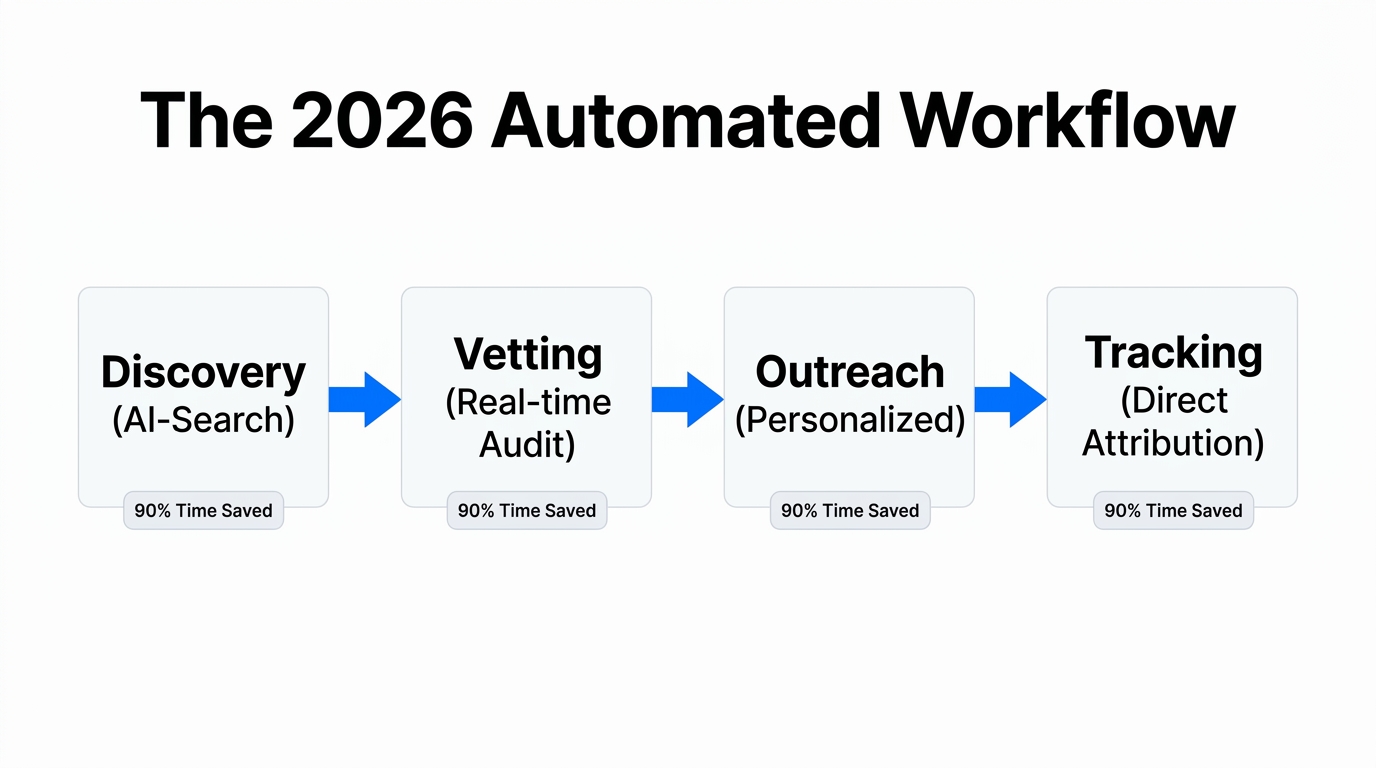
If you are currently feeling the weight of an influencer marketing contract lock-in, here is how you can pivot to a more agile model using the modern growth stack.
- Step 1: Define Intent with Natural Language. Instead of complex filters, use Stormy AI to describe your ideal creator. Example: "Find UK-based eco-parenting YouTubers, 20k-50k subs, average views >5k."
- Step 2: Automate Vetting. Use AI to analyze the last 10 videos for sentiment and brand safety. This replaces the hours spent scrolling through feeds.
- Step 3: Deploy Personalized Outreach. Use Stormy's AI agent to mention specific video content in the outreach email, increasing reply rates.
- Step 4: Set "Price Strike" Limits. Define your maximum CPA and let the agent handle the back-and-forth negotiation on TikTok Ads Manager or affiliate rates.
- Step 5: Track via API. Sync your campaign with Shopify or Amazon Attribution to monitor every sale in real-time.
The Final Verdict: Is Upfluence Still Worth It?
Upfluence remains a powerhouse for large enterprise e-commerce brands that have the staff to manage a deep CRM and a massive customer-to-influencer affiliate program. However, for the vast majority of brands in 2026, the future is agentic. If you want to spend 10 minutes—not 40 hours—on discovery and outreach, Stormy AI is the clear winner. The combination of modular Stormy AI credits, real-time scraping, and autonomous negotiation makes it the best Upfluence alternative for teams that prioritize ROI over database size.
Don't get stuck in a legacy contract. As the market reaches its $40 billion peak, the winners will be the brands that use AI to execute, not just to organize. Ready to automate your growth? It’s time to let the agents do the work.