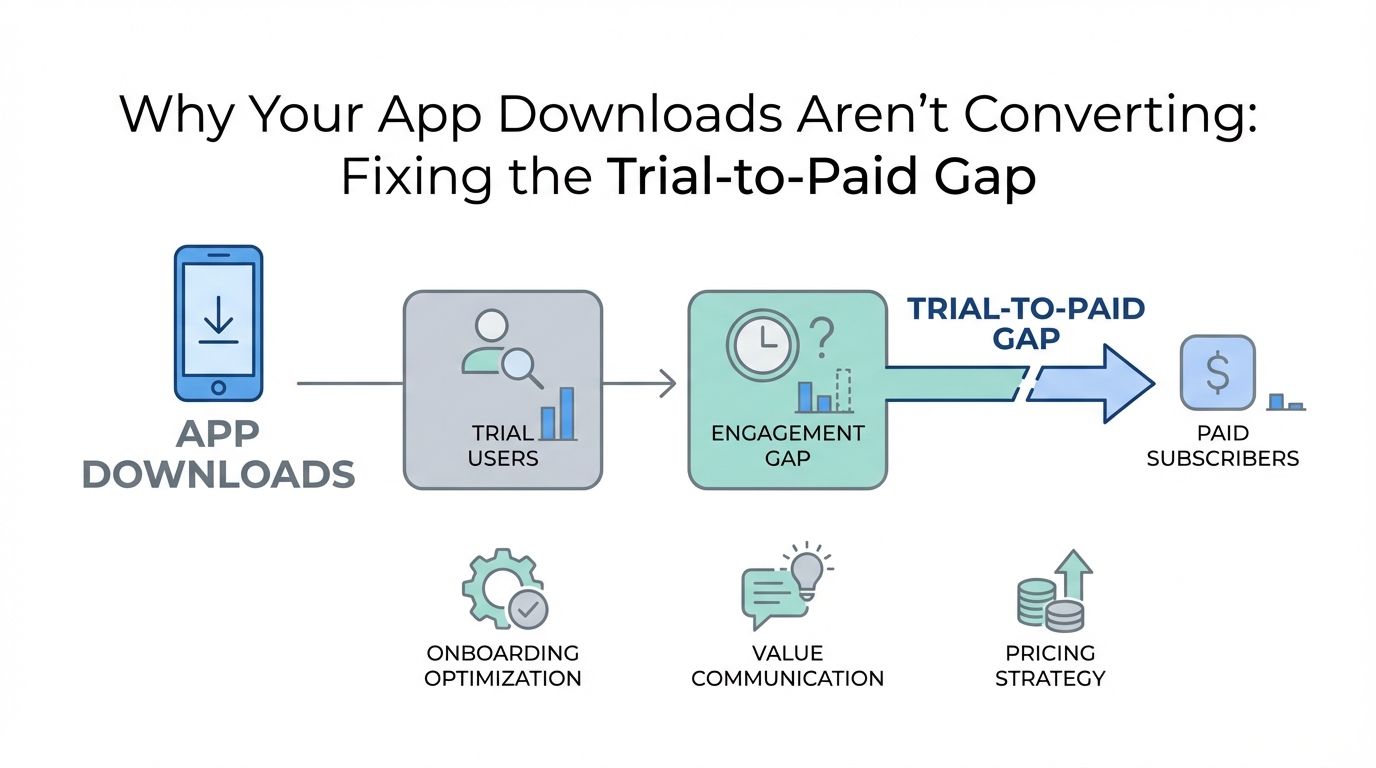
You have finally solved the distribution problem. Your app is getting consistent daily downloads, your cost-per-install is manageable, and users are even clicking through to start a free trial. But then, the momentum stops. The trial period ends, and instead of a wave of subscriptions, you see a wave of churn. This disconnect is the single most frustrating bottleneck for developers today. It’s the gap between a great idea and a marketable product. If your app downloads aren’t converting, it is rarely a marketing issue; it is almost always a product-led growth failure that requires a deep dive into mobile app conversion rate optimization.
Identifying the 'Great Idea, Poor Execution' Trap
Many founders fall into what is known as the "Great Idea, Poor Execution" trap. This occurs when your marketing successfully sells a promise that your product doesn't deliver. In a recent breakdown of this phenomenon, the founders of PropGPT shared how they initially hit 20 downloads a day immediately after launch but remained stuck at a meager $2,000 Monthly Recurring Revenue (MRR). Despite the interest, their trial to paid conversion rate was abysmal.
The data revealed a striking contradiction: they had a 45% conversion to trial rate, yet only a 13% conversion from trial to paid. This is a classic signal. High trial starts mean your value proposition is compelling—users want what you are selling. However, high churn at the end of that trial means the actual user experience isn't living up to the hype. To reduce app churn, you must first have a humble attitude toward your own creation. If the numbers say your product isn't working, you have to be willing to admit it's not meeting the user's needs, even if you’ve spent months building it.
Using Analytics to Map the User Journey

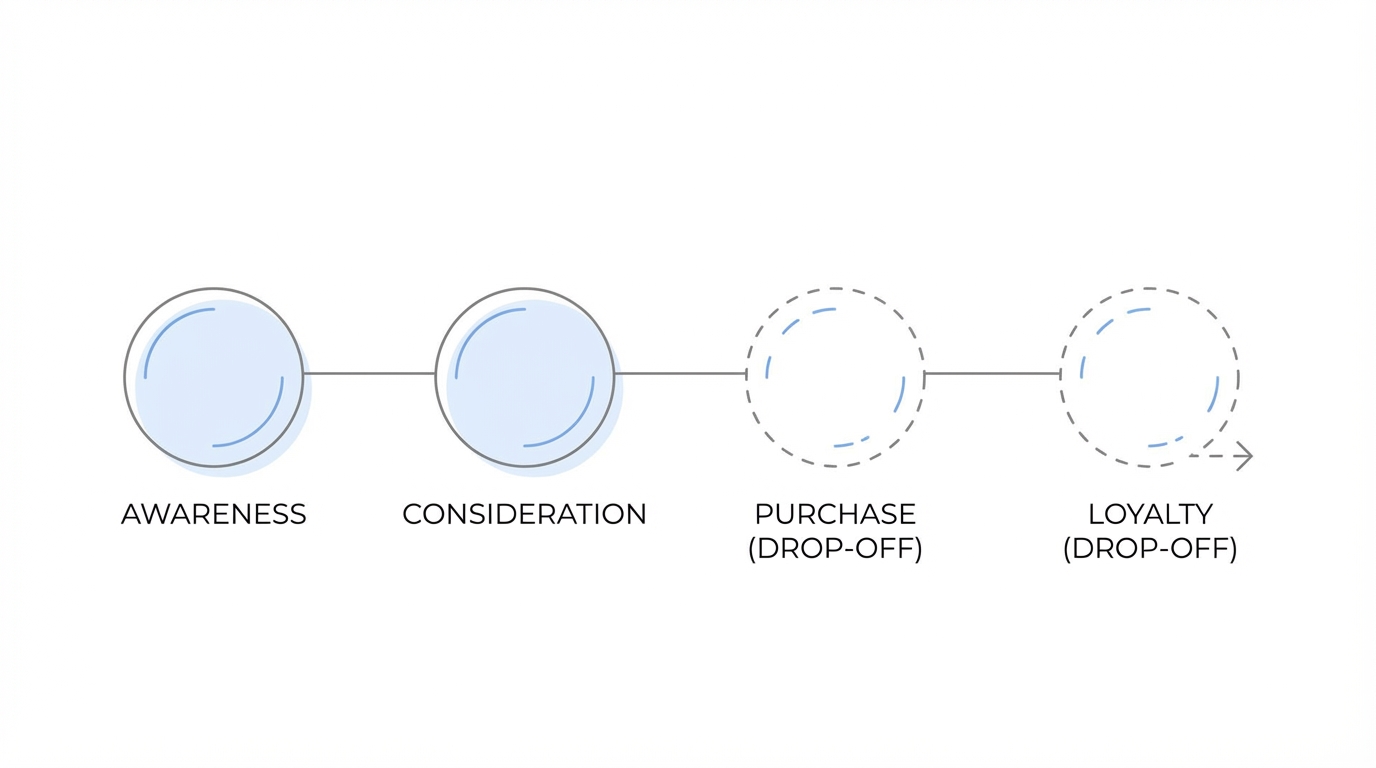
To fix a leaking funnel, you need to see exactly where the water is getting out. This requires a robust stack of mobile app analytics tools. You cannot rely on gut feeling or anecdotal feedback from a few friends. You need hard data on how users interact with your interface. Modern founders use platforms like PostHog to record user sessions and map out the entire journey from the first open to the paywall.
By tracking events, you can see if users are falling off during onboarding or if they are entering the app and then failing to find the core feature they signed up for. Platforms like Stormy AI help you bring high-quality users into the app through targeted creator partnerships, but once they arrive, analytics like those provided by SuperWall are essential for understanding paywall performance. For example, if you see that users are clicking through your onboarding screens but exiting the moment a specific feature is mentioned, you know that either the feature description is confusing or the perceived value isn't high enough to warrant a subscription.
The 48% Benchmark: What High-Performers Do Differently
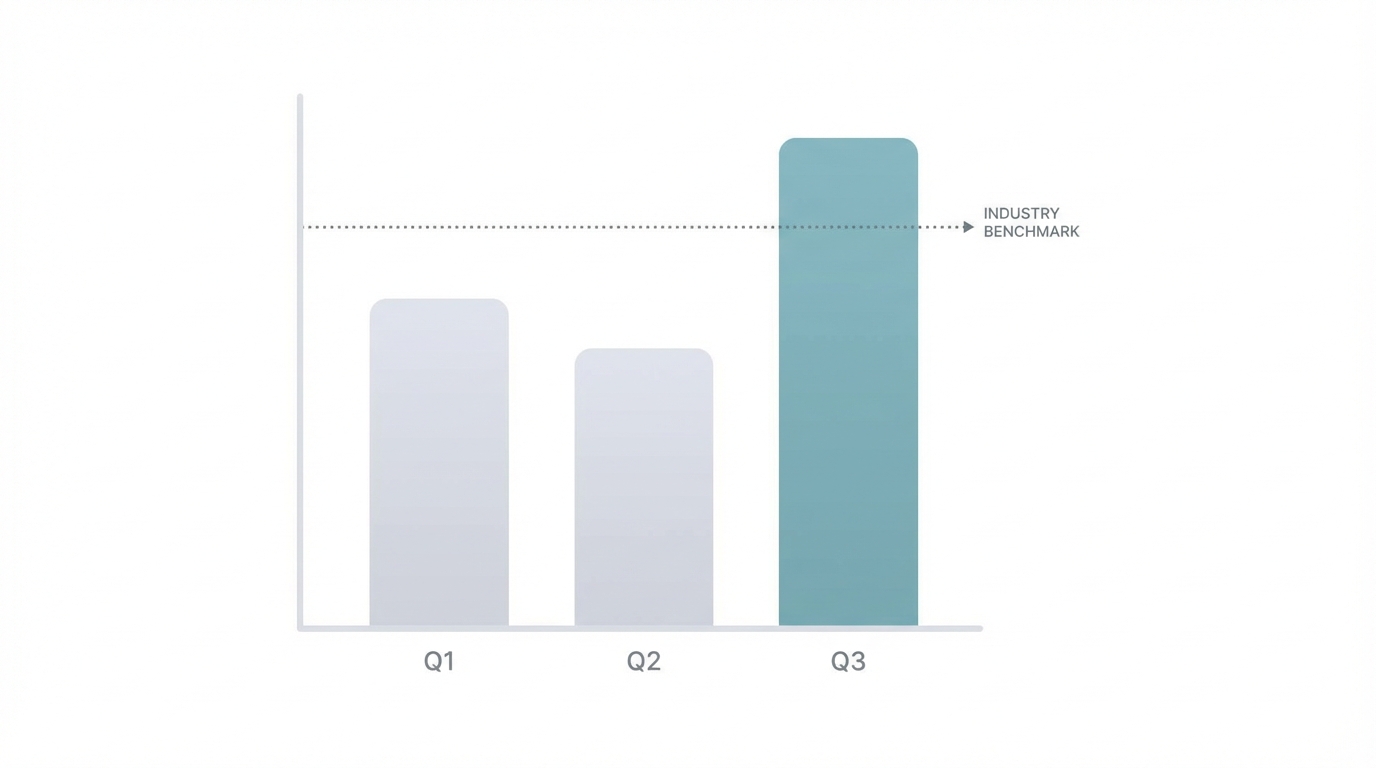
What does a healthy app look like? According to industry benchmarks and the success story of PropGPT, high-performing apps often target a 48% conversion to trial rate. This means nearly half of everyone who downloads the app should be intrigued enough by your onboarding and paywall to start a trial. Achieving this requires more than just a "Subscribe" button. It requires app retention strategies that begin the second the user opens the app.
Top-tier apps use RevenueCat to manage their subscriptions and analyze unit economics in real-time. They aren't just looking at total revenue; they are looking at Average Revenue Per User (ARPU). In the case of successful sports analytics apps, making around $3.30 per download is a solid indicator of a healthy ecosystem. If your revenue per download is significantly lower, your monetization strategy likely needs a total overhaul, regardless of how many downloads you are generating via Google Ads or other paid channels.
Data-Driven Product Rebuilding: Going Back Into the Cave
Sometimes, optimization isn't enough. If your trial to paid conversion rate is fundamentally broken, you may need to "go back into the cave." This involves shutting down marketing, stopping the hunt for new users, and spending months completely rebuilding the product from scratch. This is exactly what Eyal and Yali did with PropGPT, spending four months rebuilding on a React Native repo to ensure the product was simple and powerful enough to retain users.
Using a modern tech stack—including React Native for the front end and Neon for a scalable database—allows you to iterate faster. The goal of a rebuild is to align the pattern of human behavior with the app’s design. If your data shows that users only care about one specific feature, that feature should be the center of your universe. Everything else is noise. After their rebuild, the PropGPT team skyrocketed from $2,000 to $30,000 MRR in just ten weeks. They didn't change their marketing; they changed their product.
The 2025 Playbook for Mobile App Conversion
If you want to build a product that actually makes money in the current market, you need a scientific approach. Here is the exact playbook used by successful developers to bridge the gap between downloads and revenue.
Step 1: Define the Pain Point and Audience
Before writing a single line of code, understand who you are building for. Are you solving a real problem or just building a "cool" tool? Identify the specific friction your user faces and ensure your app solves it within the first 60 seconds of use.
Step 2: Listen to Your Numbers
Become obsessed with your data. If your conversion to trial is 45% but paid conversion is 13%, your marketing is successful but your product is failing. Use this discrepancy to guide your development. Use Meta Ads Manager to see which hooks are bringing people in, and match your in-app experience to those hooks.
Step 3: Track Feature Clicks and Drop-offs
Use mobile app analytics tools to track every single feature click. This allows you to identify your app's most compelling value proposition. Beyond tracking, using an AI-native platform like Stormy AI allows you to analyze audience quality and ensure your conversion data isn't being skewed by bot traffic or low-quality traffic from creator campaigns. Once you know what users actually value, you can move those features earlier in the user journey and emphasize them on your paywall. This is a critical component of mobile app conversion rate optimization.
Step 4: Scale with Influencer Marketing and UGC
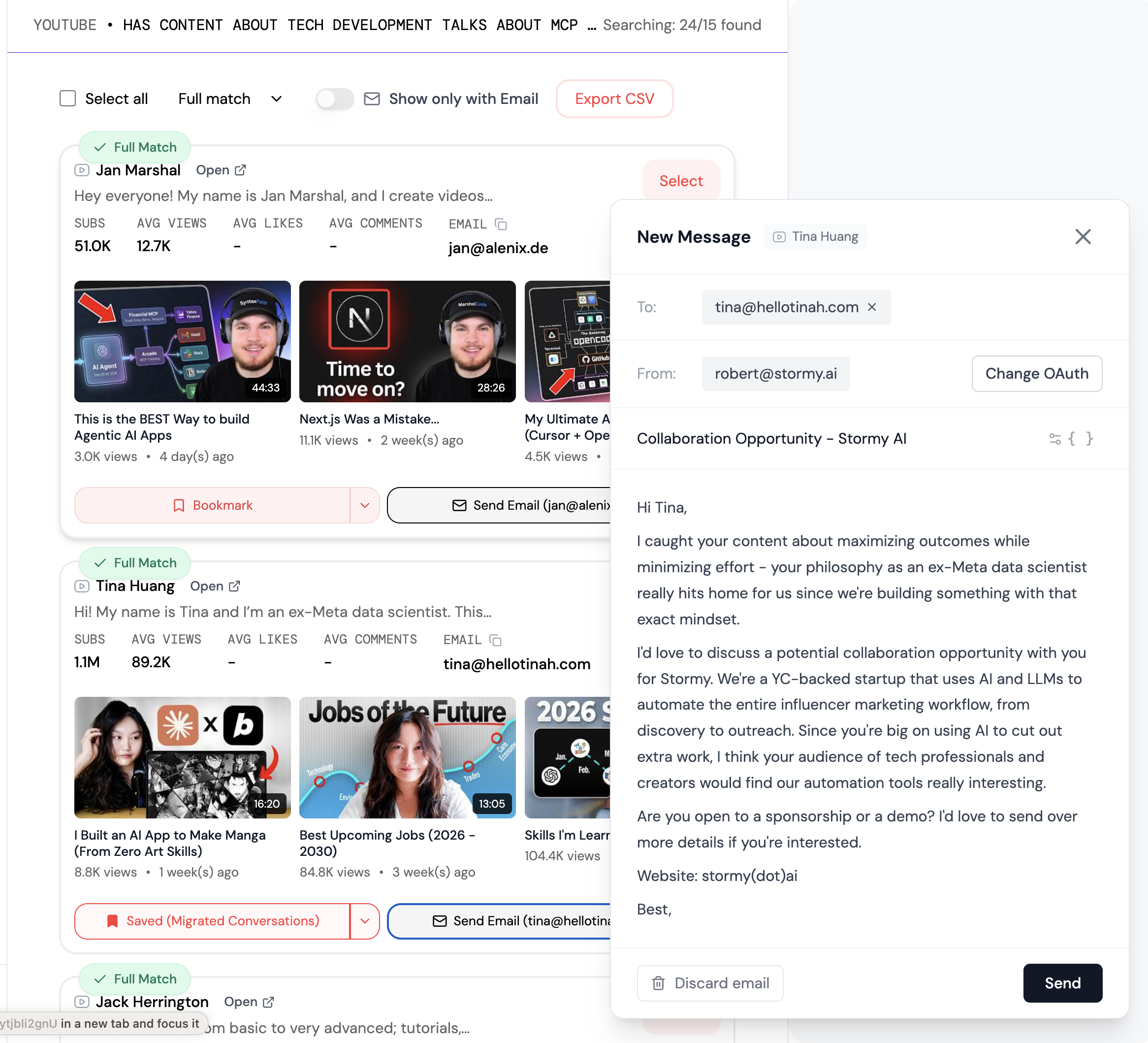
Once the product is fixed, distribution becomes the priority. The smartest way to grow in 2025 is through influencer marketing and User-Generated Content (UGC). When users see someone they admire using your product, they convert significantly faster than they do through traditional banner ads. You can use Stormy AI to discover influencers who specialize in app marketing and UGC, ensuring your product gets in front of a warm audience that is already primed to buy. With Stormy AI, you can even set up an autonomous AI agent to handle the discovery and outreach process for your app's UGC campaigns while you focus on product development.
The Tech Stack and Unit Economics of Growth
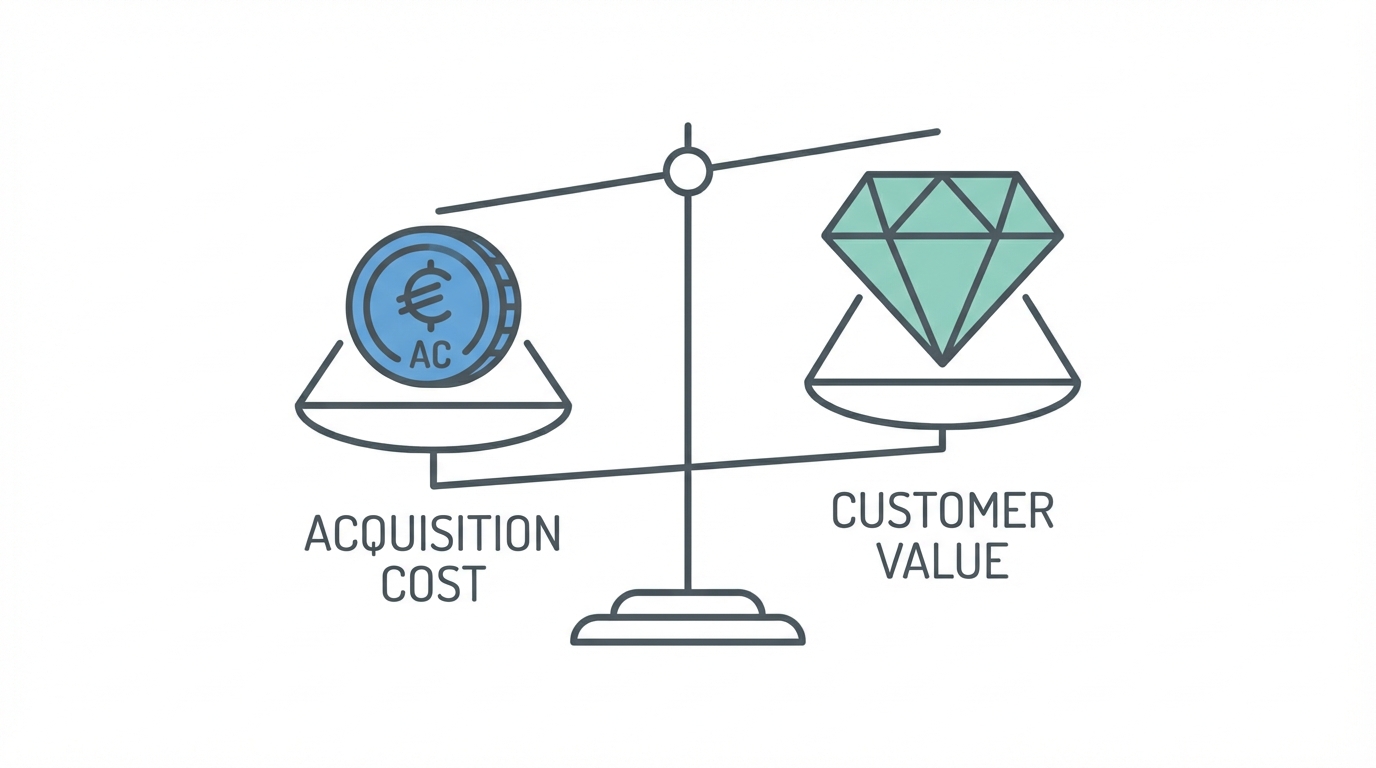
Building a successful app isn't just about the code; it’s about the margins. A healthy app should aim for roughly 50% profit margins after all expenses. This includes the cost of data APIs, LLM costs (which are constantly decreasing), and marketing spend. Developers often spend thousands on Apple Search Ads, but the most efficient growth comes from organic social media combined with a high-converting product.
Your tech stack should support this growth without breaking the bank. For example, using a database like Neon can cost as little as $10 a month for the bandwidth required to handle thousands of calls, while tools like SuperWall might cost 20 cents per conversion. By keeping overhead low and conversion rates high, you create a sustainable business model that can survive the long-term challenges of the App Store.
Final Takeaway: Be Scientific About Demand
The transition from a struggling MVP to a $30,000 MRR powerhouse is rarely a matter of luck. It is a result of being honest with yourself and scientific about whether your product actually has enough demand. If your downloads aren't converting, stop pouring money into the top of the funnel. Instead, go back to your analytics, find the drop-off points, and be brave enough to rebuild what isn't working.
Remember, one viral video or one successful influencer campaign via Stormy AI can change your business overnight—but only if your product is ready to catch the users when they arrive. Focus on the trial-to-paid gap first, and the revenue will follow.