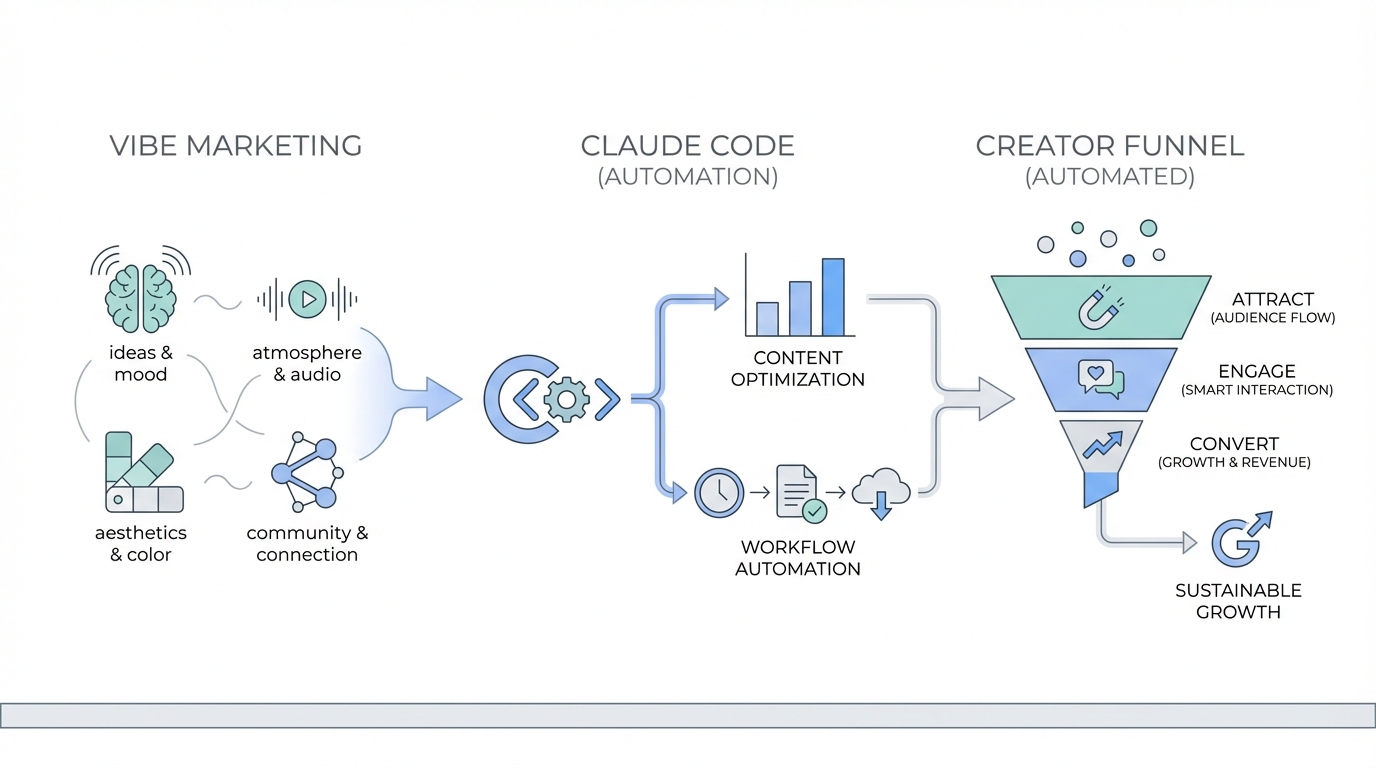
The era of "Chat AI" is rapidly giving way to a more potent successor: "Action AI." For years, marketers have used LLMs as sophisticated sounding boards—asking for headlines, drafting emails, or brainstorming campaign themes. But in 2025, the paradigm has shifted. With the release of terminal-based agents like Claude Code, marketing departments are moving beyond mere augmentation. They are now treating their entire marketing funnel as a codebase, allowing for a high-velocity strategy known as vibe marketing. This transition isn't just about working faster; it's about eliminating the friction between a creative idea and its live deployment.
The Rise of Action AI: Moving Beyond the Chatbox
For most of the early 2020s, AI in marketing was defined by the chat interface. You typed a prompt, received text, and then manually moved that text into your CMS, ad manager, or CRM. This is what industry experts call "augmentation." However, recent data from Convergence Now reveals a massive shift: 79% of Claude Code interactions are now classified as "automation."
Automation in this context means the AI is no longer just a copywriter; it is an operator. It can navigate your file system, execute terminal commands, and interact with APIs to deploy assets directly. This is the core of Action AI. Instead of asking an AI to "suggest a strategy," marketers are commanding it to "find ten creators, draft their briefs, and set up the tracking links in our database." This reduction in human-led context-switching is critical, as research from Hashmeta shows the average marketer wastes up to 12 hours per week simply moving data between different tabs and platforms.
Defining Vibe Marketing: The Funnel as a Codebase
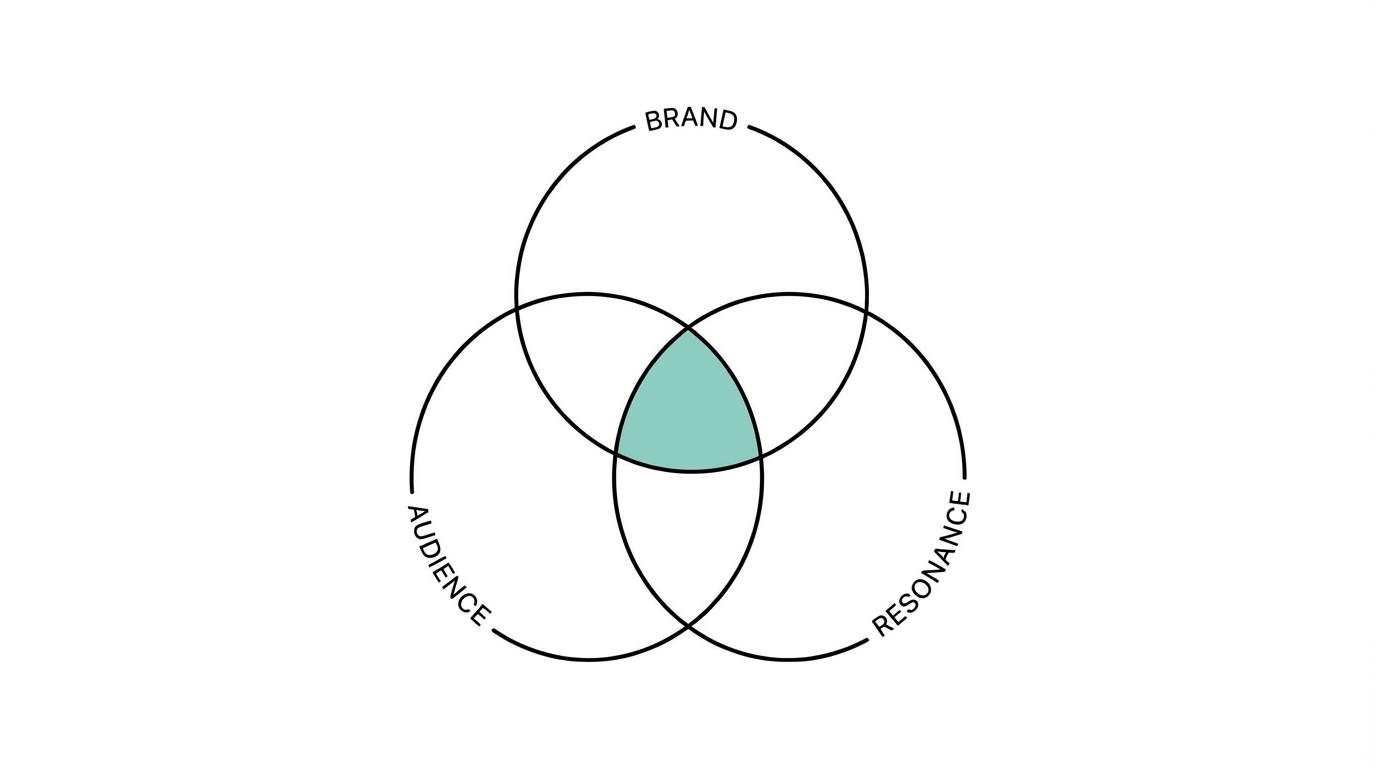
One of the most significant marketing automation trends 2025 is the emergence of vibe marketing. To the uninitiated, the term might sound ephemeral, but it describes a highly technical and rigorous approach to growth. Vibe marketing is the practice of treating an entire marketing funnel—from the initial social media touchpoint to the landing page and checkout—as a repository of code that can be manipulated by AI agents.
In a vibe marketing workflow, a brand’s identity, aesthetic, and messaging are codified into a "vibe" file (often a CLAUDE.md or similar markdown document). When a marketer wants to launch a new campaign, they don't start from scratch. They use Claude Code to "vibe-check" existing assets and generate new ones that align with that pre-defined brand DNA. This allows for the near-instant deployment of landing pages and ad variants that feel cohesive, even when produced at a massive scale. As noted by Stormy AI, this approach allows brands to maintain a consistent "vibe" across thousands of creator-led touchpoints without the need for manual oversight on every single post.
Efficiency Benchmarks: From 30 Minutes to 30 Seconds
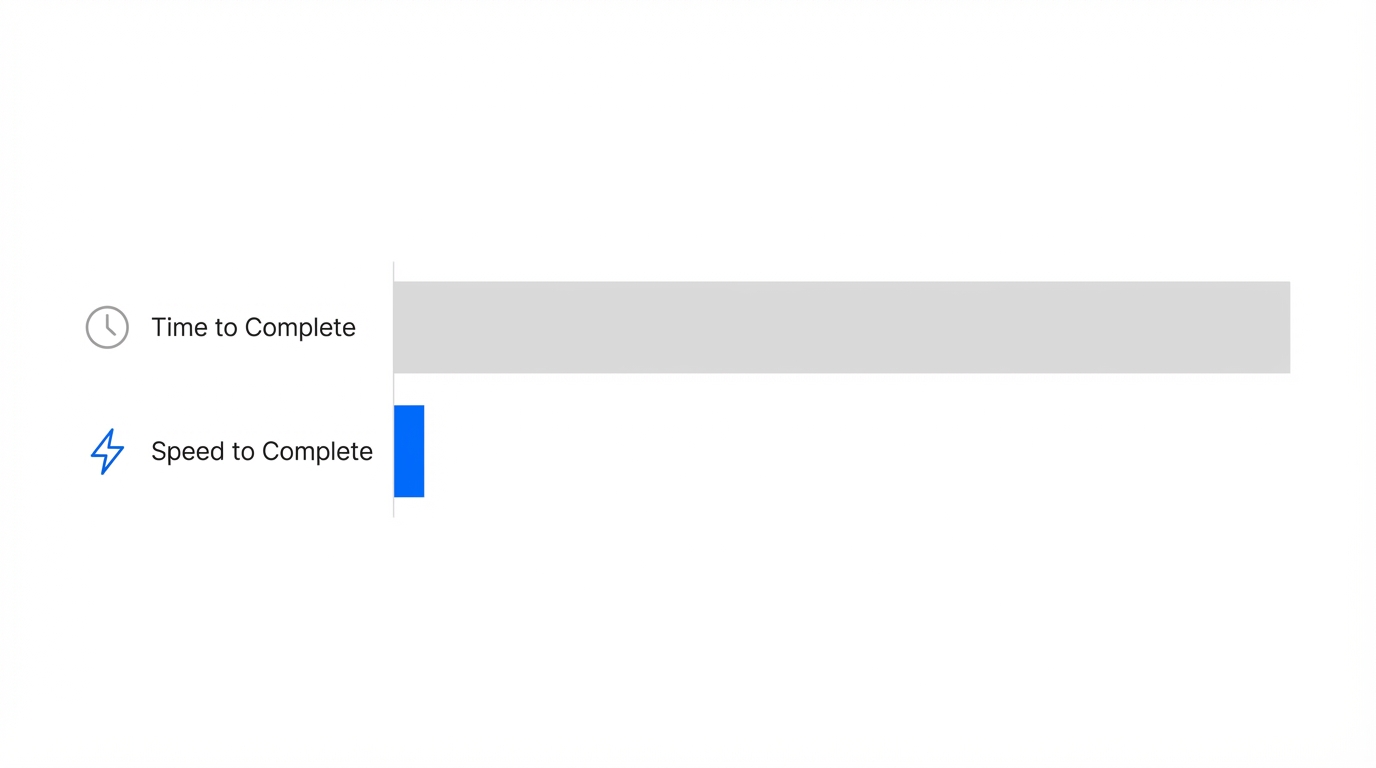
The performance gains associated with Claude Code for marketing are not just incremental; they are transformational. Traditional ad production workflows are notoriously slow, involving multiple rounds of drafting, resizing, and manual entry into ad managers. According to benchmarks provided by Anthropic, the time required to create a single Google Ads variation has plummeted from 30 minutes to just 30 seconds.
Other key performance indicators include:
- 10x Increase in Creative Variants: Teams are now testing ten times the amount of creative variants per campaign compared to traditional methods, as reported by Generation Digital.
- 75% Reduction in Content Audits: Manual SEO and creator audits that previously took 8 hours are being completed by specialized AI sub-agents in just 2 hours, according to Digital Applied.
- 90% Cost Reduction in Video Production: Scaling personalized video content with AI can reduce production costs by 90% compared to traditional human-produced versions, per research from MIT Sloan.
The Dashboard-less Future: The Model Context Protocol (MCP)
For decades, marketers have been slaves to the dashboard. Every platform—from Meta Ads Manager to Shopify—has its own interface, its own charts, and its own learning curve. The ai marketing workflow of 2025 is moving toward a "dashboard-less" reality. This is made possible by the Model Context Protocol (MCP), an open standard that allows AI models like Claude to connect directly to data sources.
Instead of logging into a CRM to see performance, marketers can now ask a terminal-based agent, "Which creator had the highest ROI in Q2?" and receive a real-time table or visualization immediately. Experts at Syncari suggest that this direct querying of data via AI eliminates the need for static BI tools. By using repositories like the MCP Market, marketing teams can plug their terminal into virtually any data infrastructure—from Retool to internal databases—creating a unified command center without the UI clutter.
The Playbook: Automating the Creator Funnel with Claude Code
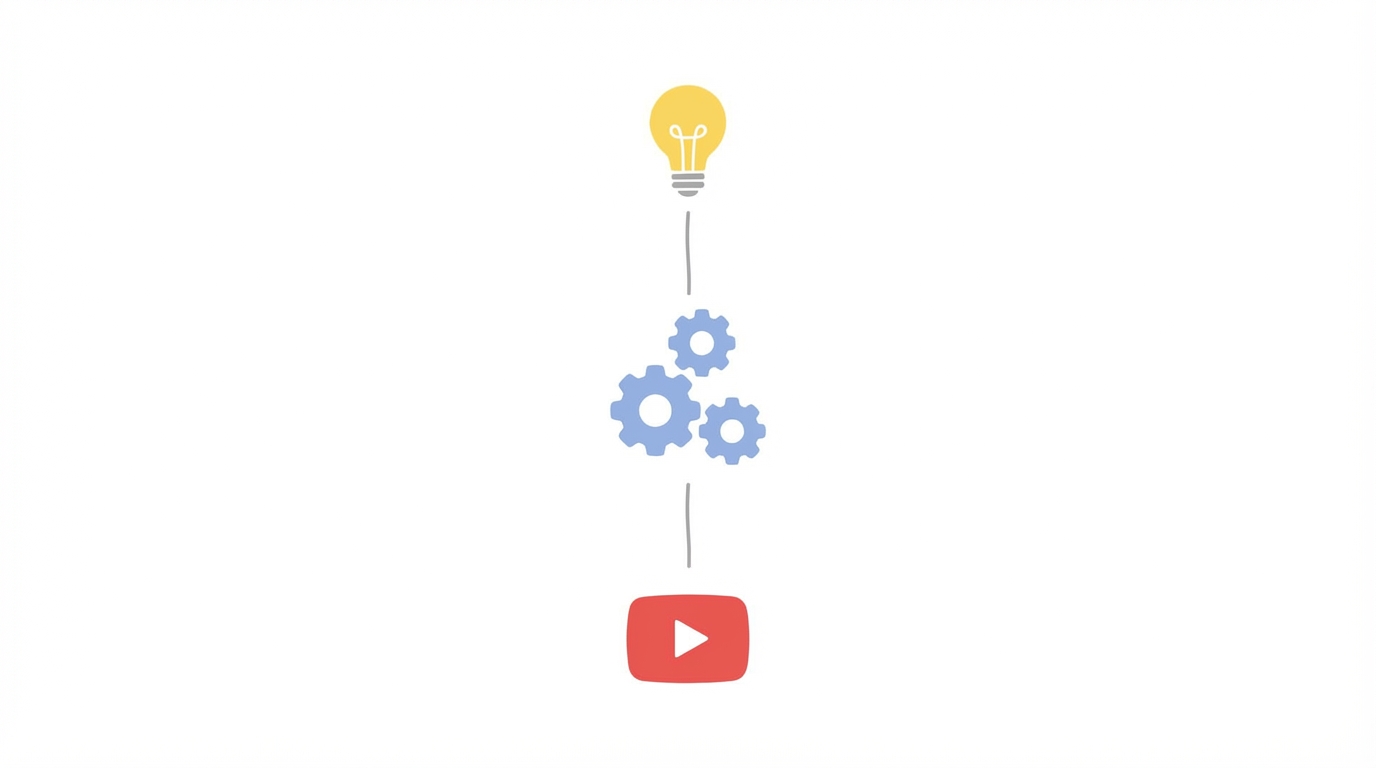
To implement these action ai strategies, brands are following a clear 3-step playbook that automates the most labor-intensive parts of influencer and creator marketing.
Step 1: Automated Creator Vetting and Discovery
The first step in any creator campaign is finding the right talent. Instead of manually scrolling through TikTok, marketers use the Apify Influencer Discovery Skill within Claude Code. By running a command like npx skillfish add apify-influencer-discovery, marketers can point Claude at a specific niche and command it to "Filter for creators with >4% engagement and zero recent brand overlaps with competitors." This leverages the power of Apify to scrape and analyze data in real-time, delivering a vetted list of partners in seconds.
AI-native platforms like Stormy AI streamline creator sourcing and outreach by providing an all-in-one search engine across TikTok, Instagram, and YouTube, ensuring that once discovery is finished, the outreach phase is equally automated.

Step 2: Programmatic Ad Copy Generation
Once the creators are selected, the next step is generating copy that converts. Rather than manual entry, top teams use a CSV-to-Ads workflow. Marketers export a CSV of their best-performing historic creator content and use Claude Code to generate 15 headlines and 4 descriptions per ad. This process, as detailed on Dev.to, ensures strict adherence to character limits and platform requirements, automating the creation of Google and Meta Responsive Search Ads (RSA) for bulk upload.
Step 3: Video Ad "Vibe Coding"
The final step is the production of the video assets themselves. Marketers are now using vibe coding to control video APIs. Claude Code can write technical prompts for video generation tools like Kling AI or MiniMax (Hailuo). According to strategy insights from Paul Dervan, the AI can then stitch these clips together using FFmpeg and overlay a call-to-action—all executed from a single terminal command.
Avoiding the "AI Slop" Trap
While the speed of vibe marketing is seductive, it comes with a major risk: "AI Slop." This refers to generic, off-brand, or hallucinated content that fails to connect with human audiences. To avoid this, successful teams maintain a "Human-in-the-Loop" mandate. For example, while AI can automate 100% of creator discovery, it should only draft the personalized outreach. A human should still provide the final review before hitting send, as creator relationships require a personal touch that code cannot yet replicate, a point emphasized by LNM.
Furthermore, maintaining context is vital. Starting a new chat for every task leads to fragmented brand identity. The solution is to use a CLAUDE.md file in your project folder. This document should contain your brand guidelines, past performance data, and campaign history. This ensures that every autonomous agent you deploy has the same context, preventing "on-brand" drift. Additionally, privacy must be a priority; organizations should use Claude Enterprise to ensure sensitive marketing data is not used for model training, a critical security step highlighted by Landrum Talent.
Conclusion: The Future is Automated
The transition to vibe marketing and terminal-based agents marks the end of the era where AI was just a tool for "thinking." Today, it is a tool for "doing." By adopting an ai marketing workflow that prioritizes Action AI over Chat AI, brands can reduce their production times by 90% and focus their human talent on high-level strategy and relationship building. The goal is clear: automate the logistics so you can spend more time refining the vibe. Whether it's discovery, vetting, or programmatic creative deployment, the marketing funnel of 2025 is no longer just a strategy—it's a codebase ready for execution.