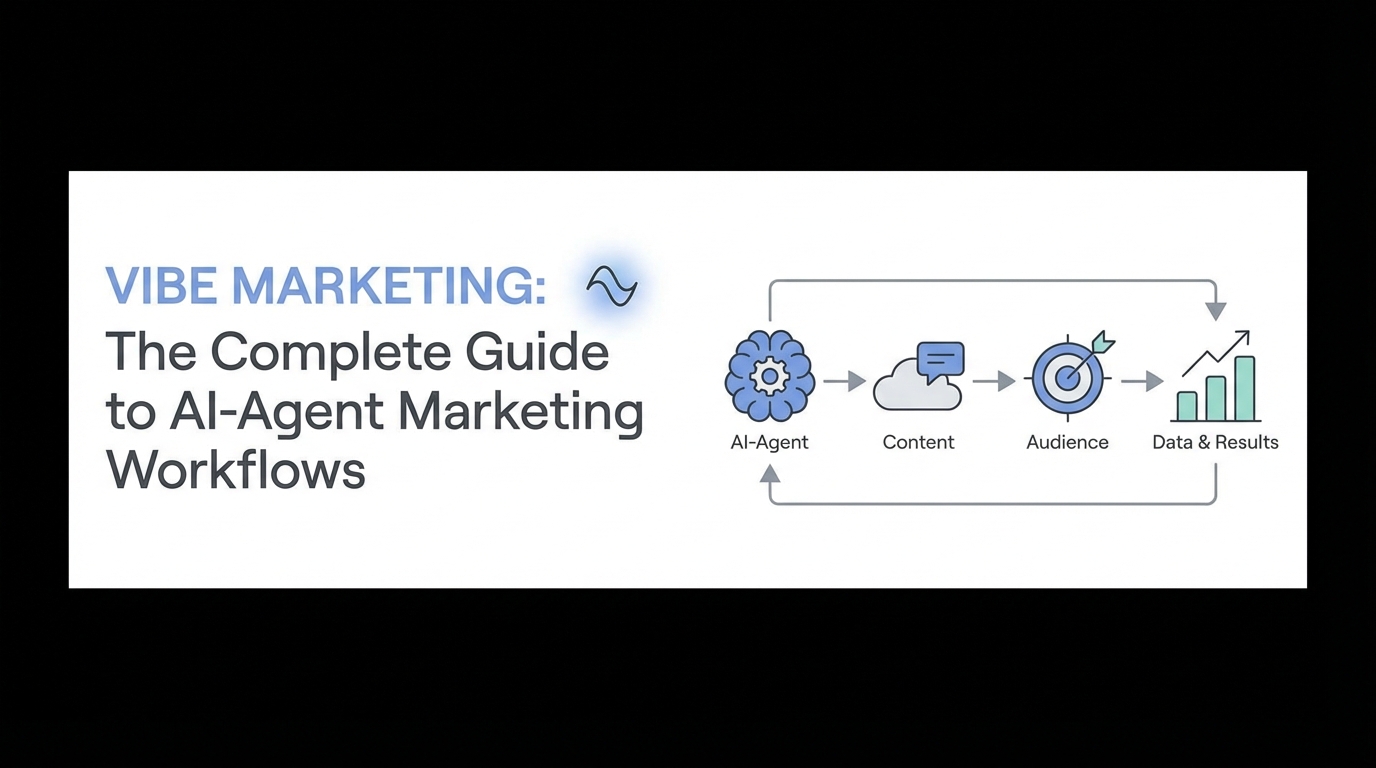
In the marketing world, windows of opportunity open and close faster than most startups can pivot. If you were running Facebook ads in 2008 or building consumer apps when the App Store launched in 2010, you held an unfair advantage that defined an entire era of growth. Today, that advantage is shifting toward a new frontier known as vibe marketing. This isn't just another buzzword; it represents a fundamental shift from rigid automation to goal-oriented AI marketing agents that think, research, and execute like digital employees.
What is Vibe Marketing?
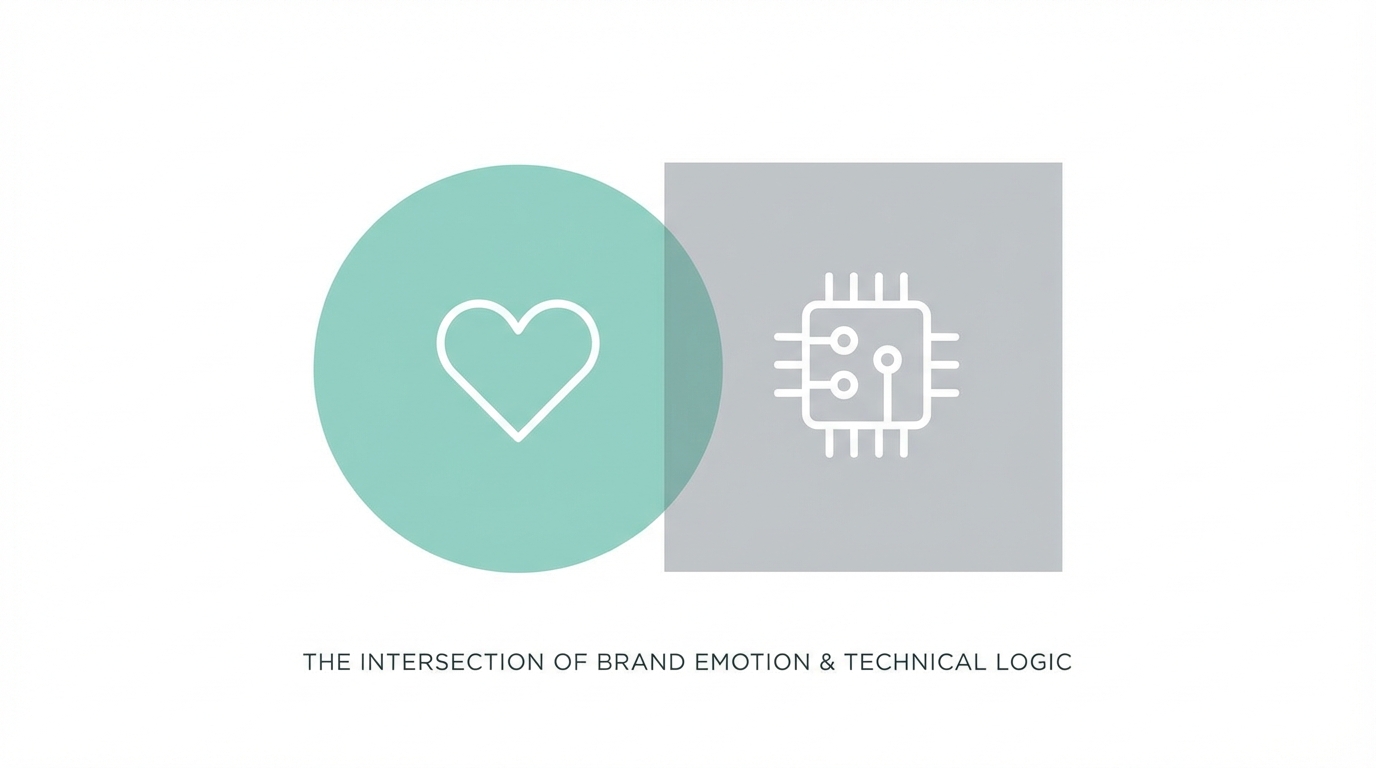
Vibe marketing is the strategic intersection of vibe coding tools—like those seen with Replit, Bolt, and Lovable—and sophisticated AI agent workflows. While traditional digital marketing relies on human-heavy processes and manual content creation, vibe marketing leverages AI business automation to create a continuous presence across social platforms, sales funnels, and customer touchpoints with minimal human friction. It is about moving fast, iterating based on "vibes" or real-time data, and using autonomous agents to fill the gaps where teams used to sit.
The core difference between vibe marketing and legacy digital strategies is the operating model. In the old world, a marketer would spend hours researching a lead on LinkedIn. In the vibe marketing era, an agent does that research in seconds, drafts a personalized message, and updates a CRM while the founder is focused on product strategy. This level of efficiency is being pioneered by groups like Startup Empire, where entrepreneurs are ditching the old playbook for automated growth engines.
The Technical Shift: Workflows vs. AI Agents
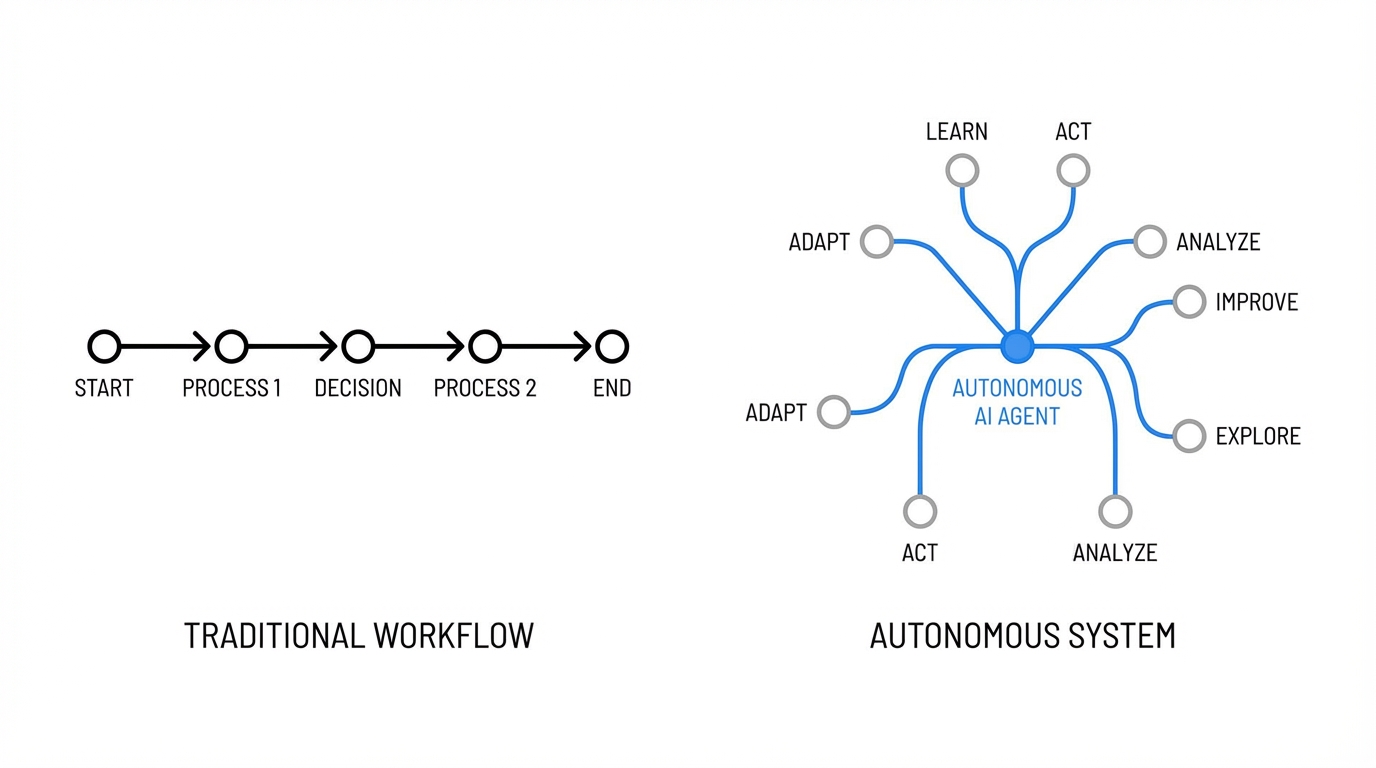

To understand the marketing automation trends of 2025, we must distinguish between a workflow and an agent. Most people are familiar with tools like Zapier or IFTTT. These are linear: if this happens, then do that. This is rigid and breaks easily when the input data changes even slightly. In contrast, an AI agent is goal-oriented. Instead of telling it every step, you give it a goal, such as "Build me a business health dashboard emailed to me weekly," and the agent figures out how to access the data sources and deliver the result.
This shift requires a more advanced technical stack. While many use ChatGPT for basic tasks, the serious vibe marketer relies on Claude by Anthropic. Models like Sonnet 3.5 and Opus are purpose-built for agentic behavior. More importantly, Claude supports the Model Context Protocol (MCP), which allows the AI to securely access local tools, databases, and third-party APIs directly, turning the LLM into a powerful engine for AI business automation.
Playbook: Setting Up Your Local AI Agent Environment
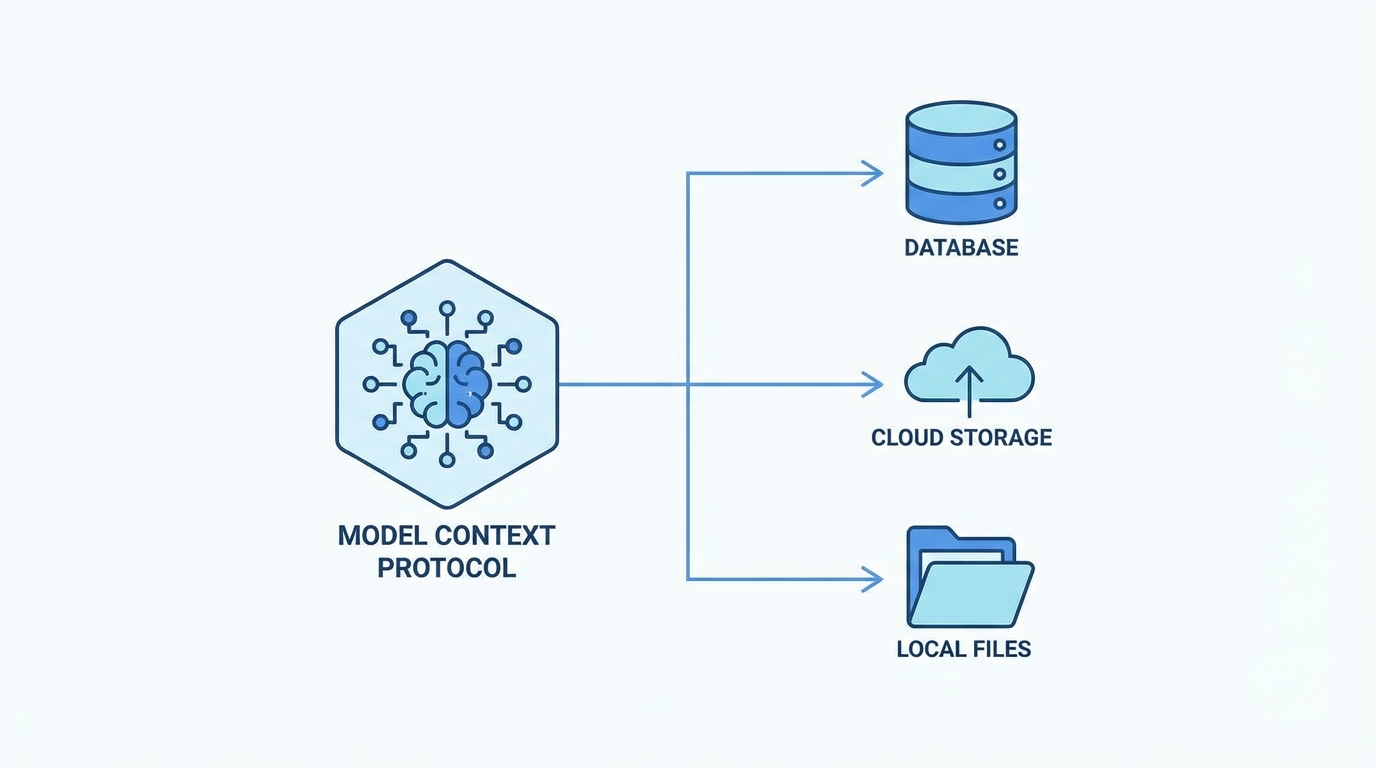
Setting up an MCP environment is the first step toward building a vibe marketing powerhouse. It allows Claude to interact with your local files and desktop tools, which is essential for complex research and data management. Follow these three steps to get started:
Step 1: Install the Foundations
First, you need the right environment. Download the Claude Desktop App and the Docker Desktop App. Docker is critical because many MCP servers run inside containers to ensure they have the necessary dependencies without cluttering your local machine. This setup typically takes less than 10 minutes but is the prerequisite for all high-level vibe marketing workflows.
Step 2: Configure the Model Context Protocol
Within the Claude settings, you will need to enable and configure the apps you want Claude to access. This might include your Google Drive, a local Airtable instance, or even your local file system. By connecting these, you allow the agent to "read" your business context. If you run into technical hurdles, checking documentation on GitHub for specific MCP servers is the best way to troubleshoot.
Step 3: Establish Your First Goal
Once configured, don't start with a simple task. Start with a business goal. For example, tell Claude: "Access my recent customer feedback in Airtable and create a summary of the top three pain points." Because of the MCP integration, the agent will go beyond just writing; it will actually fetch the data and process it autonomously.
The One-Click CRM: Automating Research and Outreach
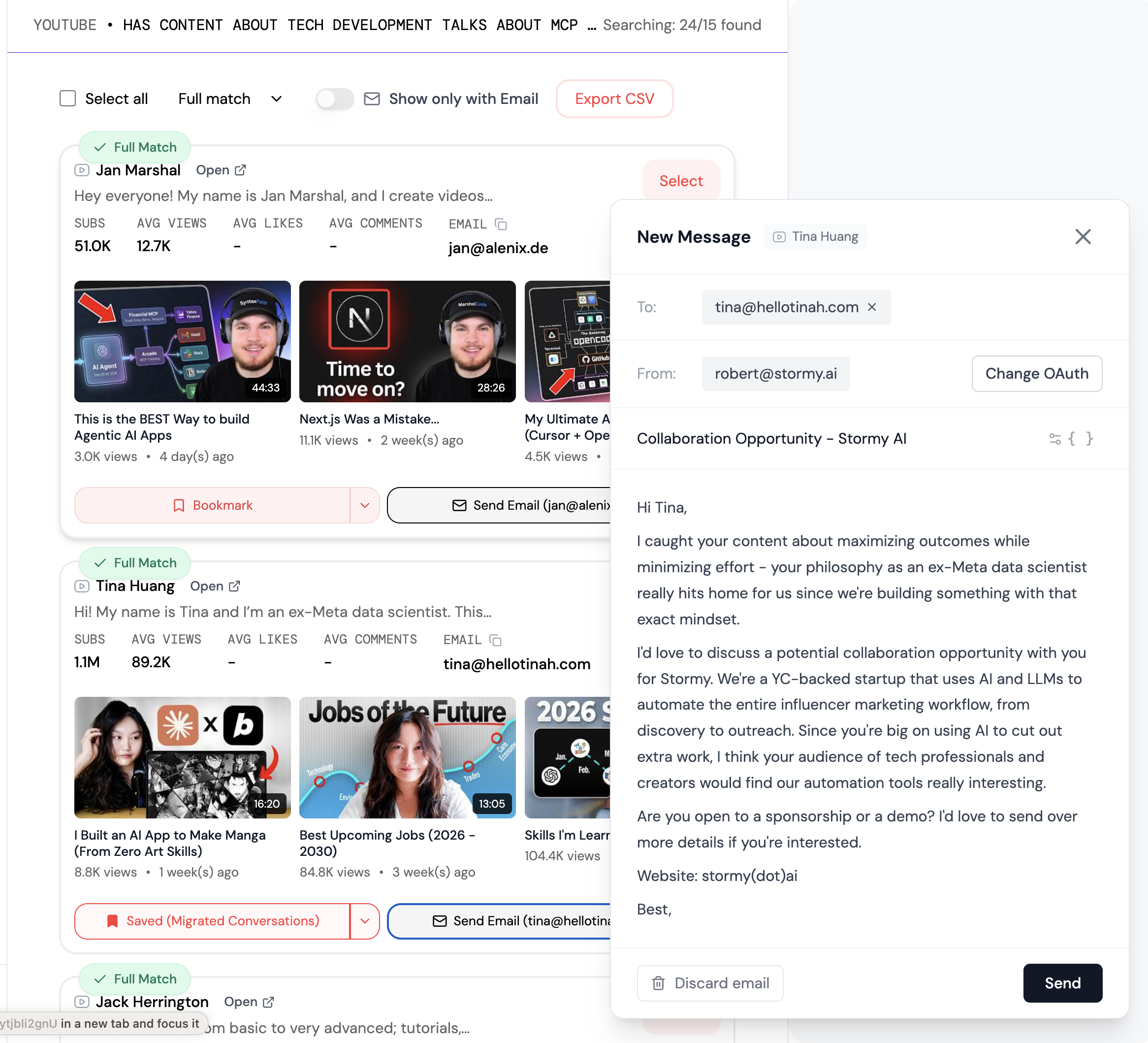
One of the most powerful applications of vibe marketing is the One-Click CRM. Traditional sales and recruitment involve hours of manual vetting. By using the Gumloop browser extension, you can automate this entire research phase. When you find an interesting profile on X (formerly Twitter) or LinkedIn, you simply click a button. The agent scrapes the screen, analyzes the person's recent activity, determines if they fit your Ideal Customer Profile (ICP), and stores the data in a CRM like Airtable.
This isn't just about data entry; it's about personalized outreach. The agent can take that research and draft a custom message that references a specific post or achievement by the prospect. This allows small teams to operate at the scale of a massive sales department. Whether you are booking podcast guests or recruiting a lead designer, tools like Gumloop or Lindy.ai are making it possible to execute thousands of high-quality touchpoints every month.
Voice AI: Selling 24/7 with Autonomous Agents
Marketing isn't just about text and images; it's about conversations. Modern vibe marketers are now deploying voice AI agents using platforms like vapi.ai. These agents can handle outbound calls to leads or inbound inquiries through a 1-800 number. By integrating with Twilio, these voice agents can sell your product, collect customer feedback, and even provide support while you sleep.
A critical tip for using voice AI is transparency. Starting a prompt with "I'm an AI, please don't hang up, I'm here to help" actually humanizes the interaction and reduces the friction many feel toward automated callers. These agents can then send a full transcript and summary to Slack or your CRM, ensuring you never miss a valuable insight from a customer call. This is the definition of scaling a founder's presence without scaling their hours.
Building Automated Content Loops
Content is the fuel for vibe marketing, but creating it is a bottleneck. The new workflow involves scraping trending topics from Reddit or X, analyzing them for relevance, and using tools like Runway ML or VO3 to generate video content. This "AI slop"—as some call it—actually drives massive engagement when done correctly. If you can build a network of social accounts that grow autonomously, you create a permanent traffic source for your SaaS or mobile app.
For brands that need higher-quality, human-centric video, sourcing the right talent is key. While AI handles the distribution, platforms like Stormy AI streamline creator sourcing and outreach, providing the raw authentic footage that these automated systems then process. By combining human creativity with AI marketing agents, you get the best of both worlds: authenticity and infinite scale.
Case Study: The Daily Business Health Dashboard

The final pillar of vibe marketing is internal clarity. It is easy to get lost in the noise of PostHog analytics and Stripe revenue data. A pro vibe marketer uses a tool like String.com to create an agent that monitors these platforms 24/7. You can prompt the agent to: "Check PostHog for daily visitors and signups, check Stripe for new revenue, and post a summarized health report to our team Slack channel every morning at 9:00 AM."
This level of AI business automation keeps the entire team aligned on core metrics without anyone having to manually log into three different dashboards. It turns data into an actionable narrative. Beyond dashboards, String.com can even automate content transformations, such as turning a written blog post into a two-minute podcast script and generating the audio via ElevenLabs. This ensures your brand is in the ears of your customers every single day with zero additional effort.
Conclusion: Embracing the Vibe Marketing Era
The transition from manual workflows to AI marketing agents is not just a technical upgrade; it's a competitive necessity. By embracing vibe marketing, you are essentially hiring a fleet of digital employees that never sleep, never miss a lead, and constantly optimize for your business goals. Whether you are building a viral Instagram loop with Kit or running high-converting AI ads with Arcads, the tools are now available to anyone willing to get their hands dirty.
The era of "if this then that" is over. The era of the agent is here. Start small by automating one research task or one data dashboard, and soon you'll find that your entire marketing engine is running on autopilot, leaving you free to focus on the "vibe"—the vision, the brand, and the big ideas that AI can't replicate. If you're ready to find the creators that will fuel your next viral campaign, use Stormy AI to find creators who can bring your automated workflows to life.