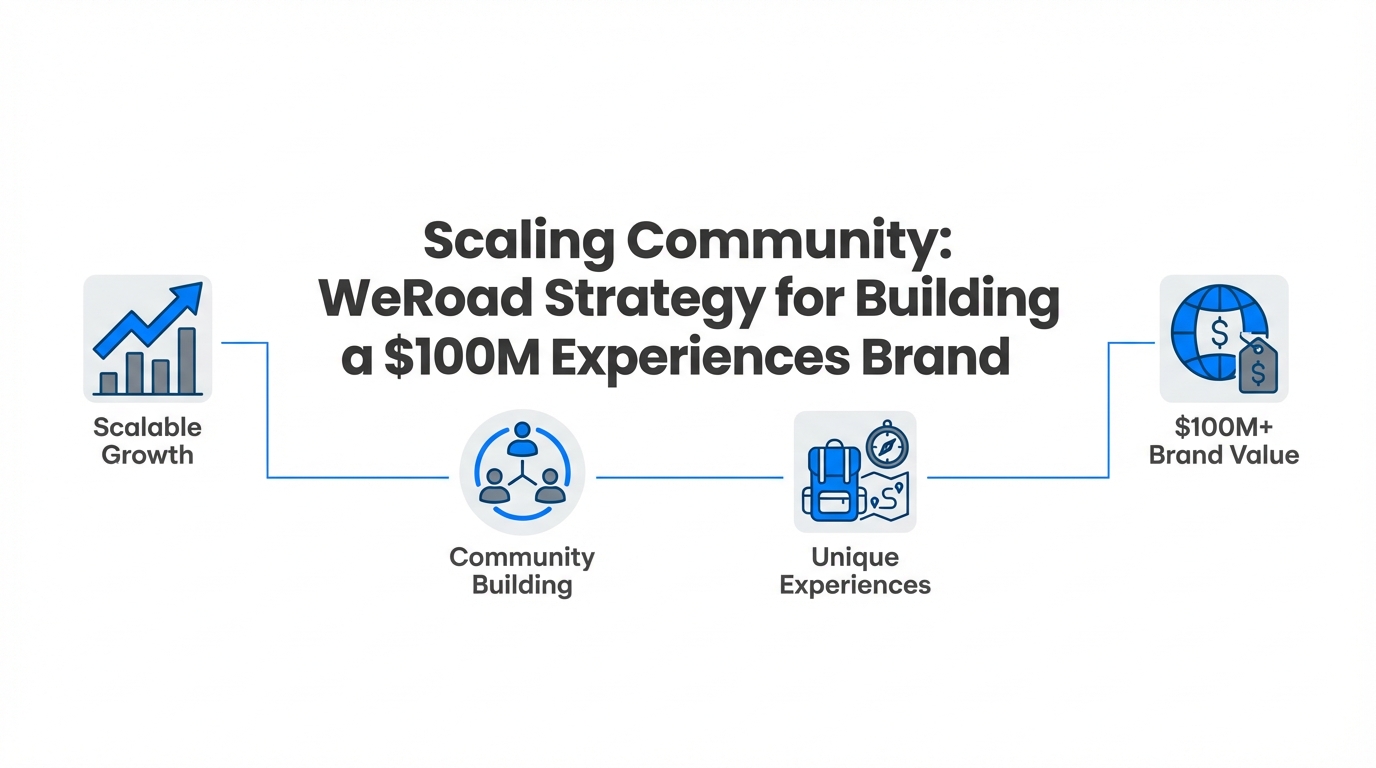
In the early 20th century, a phenomenon called the Little Blue Books sold over 500 million copies by solving a singular problem: information scarcity. Back then, knowledge was a luxury, and a five-cent pamphlet on Shakespeare or mental math was a gateway to a better life. Fast forward to today, and the market has flipped on its head. Information is now like running water—ubiquitous, overwhelming, and often unasked for. As we navigate the creator economy trends of 2025, the new gold isn't data; it is belonging. This shift from information scarcity to belonging scarcity is the foundation upon which brands like WeRoad have built nine-figure empires in record time.
"Information used to be the scarce resource. Today, it is community. People are drowning in data but starving for a tribe."The Psychological Shift: From Information to Belonging
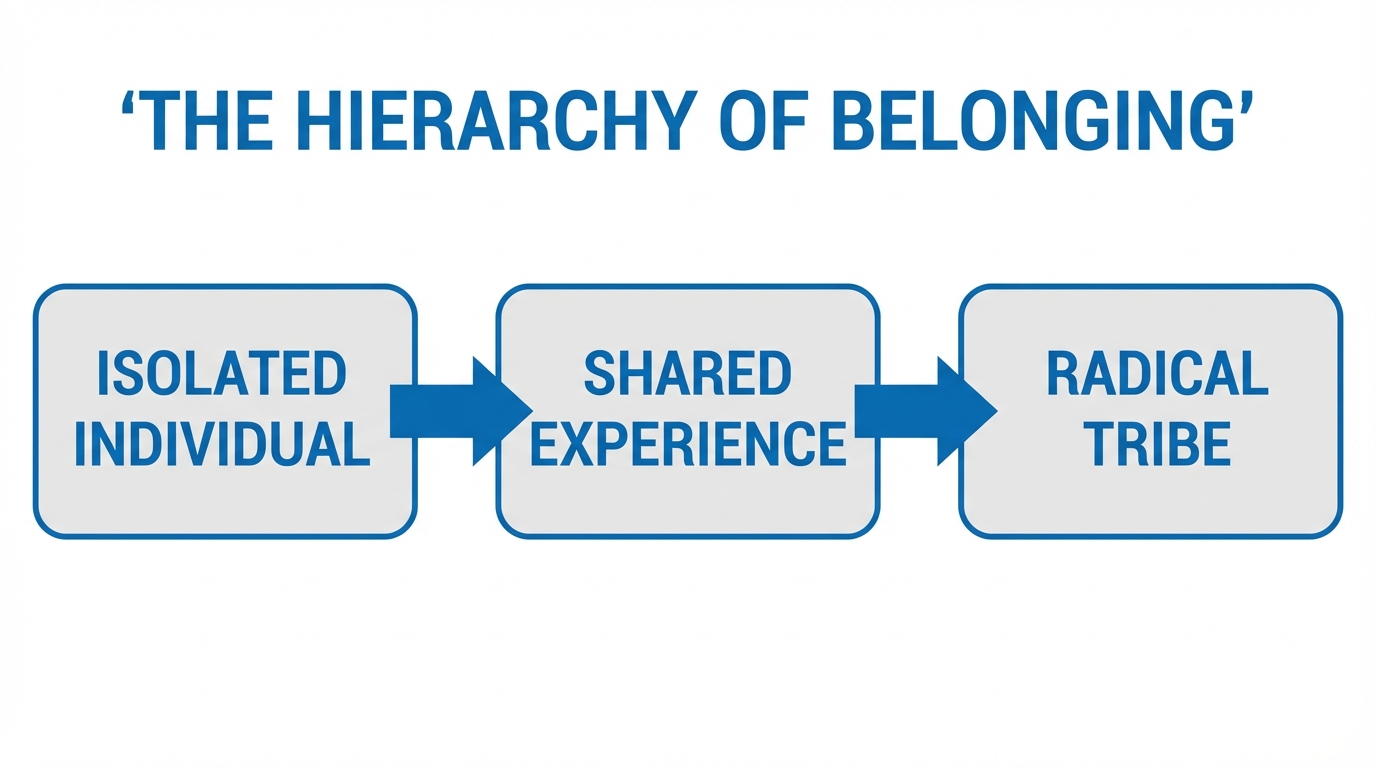
As marketing matures, founders are realizing that the old-school direct to consumer marketing playbook—buying cheap traffic on Meta Ads Manager and hoping for a conversion—is yielding diminishing returns. The reason? Consumers aren't just looking for products; they are looking for identity. Aristotelian philosophy speaks of eudaimonia, or flourishing, which suggests that a happy life requires virtues like courage and charity, but also leisure time for reflection. In a digital world dominated by notifications on LinkedIn and TikTok, the modern consumer lacks the 'tribe' necessary to achieve this state of flourishing.
This is where the brand building strategy of the future lies. If you can package connection into a high-margin product, you aren't just a vendor; you are a community leader. Brands that understand this are seeing a massive shift in customer acquisition for startups, moving away from transactional relationships toward high-retention community models.
The WeRoad Case Study: Packaging Loneliness Solutions
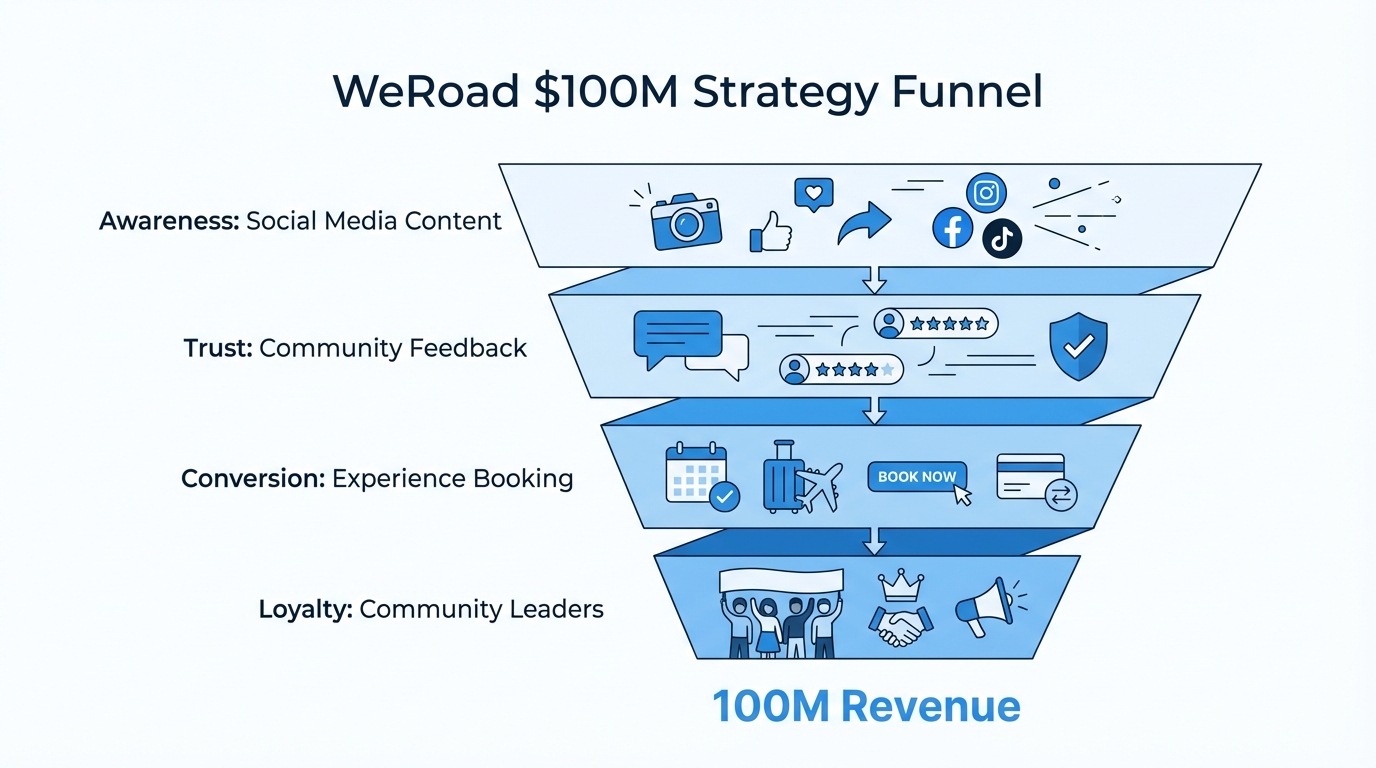
WeRoad, an Italian-born travel brand, has effectively weaponized the concept of community. In just five to six years, they have scaled to over $116 million in annual revenue with gross margins sitting comfortably at 30%. Their product? Group travel for professionals aged 20 to 45. But if you look closer, they aren't selling flights or hotels—they are selling the promise that you will never have to travel alone again. Their demographic is telling: 80% of their customers are women, a group that often prioritizes safety and social connection when exploring new destinations like Patagonia or Morocco.
| Feature | Traditional Travel Agencies | WeRoad Community Model |
|---|---|---|
| Primary Goal | Logistics & Booking | Social Connection & Belonging |
| Target Demo | Families / Soloists | 20-45 Year Old Professionals |
| Growth Engine | Paid Search / SEO | UGC & Community Ambassadors |
| Margin Profile | Low (Volume-based) | High (Experience-based) |
WeRoad identifies 'Tour Guides' who act as organic brand ambassadors. These aren't just employees; they are the connective tissue of the brand. By leveraging the creator economy, they turn their best customers into their most effective marketing channel. For brands looking to replicate this, using platforms like Stormy AI can help source and manage these UGC creators and community leaders at scale, ensuring that the brand voice remains authentic while reaching new audiences.
The 'Little Blue Books' Lesson for Modern Founders
To understand why community-led growth works, we must look at the history of the Little Blue Books. These tiny paperbacks became a phenomenon because they were portable, affordable, and filled a void. Today, your content must do the same. However, the void is no longer a lack of 'how-to' guides—it is a lack of 'who-with' experiences. When information is as cheap as a Google Search, the value moves to the curation and the crowd.
"The most successful products of the next decade will be those that engineer breakthroughs in human connection, not just software efficiency."WeRoad’s success stems from identifying that while people want to travel, they don't want to deal with the friction of synchronizing schedules with friends. They provide a 'plug-and-play' tribe. This is a vital lesson for customer acquisition for startups: solve the friction of social interaction, and you solve the problem of growth. By integrating your brand into the daily habits of a niche group—whether it's through Beehiiv newsletters or private CRM-managed communities—you build a moat that competitors cannot easily cross.
Playbook: 5 Steps to Building a 'Tribal' Brand
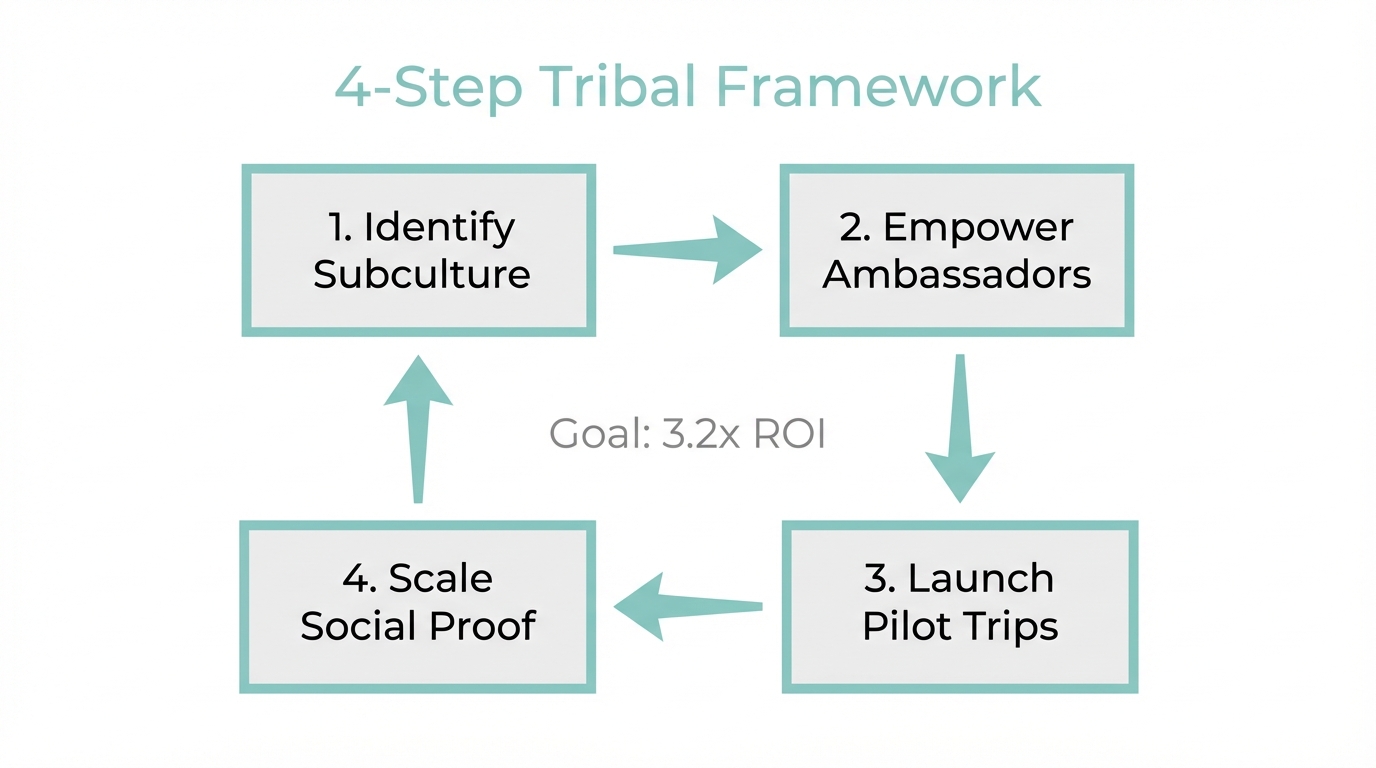
- Identify the Scarcity: In your niche, what is harder to find than information? Is it accountability? Mentorship? Or simply a group of like-minded peers?
- Designate Your Tribe Leaders: Don't just hire influencers; find 'pros' who are willing to face their own mediocrity to get to the 'door' of great creative work. Use Stormy AI to vet creators who actually align with your community values rather than just having a high follower count.
- Engineer 'Rest' and Reflection: Like Einstein on his boat or Darwin on his walk, your brand should provide space for the consumer to think. WeRoad does this by handling all logistics so the traveler can focus on the experience.
- Establish Rituals: Whether it's a Friday morning coffee or a specific way of sharing photos on Instagram, rituals create the 'us vs. them' mentality that strengthens community bonds.
- Brainwash for Greatness: As seen in the stories of successful immigrants and athletes like Marcelo, the best leaders breathe belief into their community. Tell your customers they are special, and they will rise to that assumption.
The Future of Community-Led Growth
Scaling a community-led brand like WeRoad requires more than just a good product; it requires a deep understanding of human psychology and the discipline to maintain consistent values. As Shonda Rhimes noted, you have to 'run the five miles' past the distractions of easy marketing wins to reach the door where the truly great ideas lie. By focusing on belonging scarcity, your brand can become more than just another entry on a Shopify store—it can become a lifelong tribe. Start by finding your first ten 'true fans' and build the rituals that will sustain the next ten thousand.