For the last decade, creators have been living in a feudal system. We’ve built massive empires on digital land we don’t own, harvesting attention for platforms that can change their algorithms—or their business models—overnight. This is the Web 2.0 trap: you build the community, but the platform owns the relationship. However, we are entering a new era where social ownership isn't just a buzzword; it’s a functional financial reality. The shift toward a web3 creator economy is allowing founders to scale without the traditional pressure of venture capital soul-selling.
The 'Be Careful of Being a Platform’s Bitch' Rule

In the traditional venture-backed world, there is a harsh rule often whispered in investor boardrooms: be careful of being someone else's bitch. As noted in recent discussions on The Room Where It Happens, if you build your entire business in someone else's backyard—whether that’s the Twitter API, the Facebook ecosystem, or the YouTube algorithm—you must be prepared to be sued or screwed. We saw this with the unbundling of the S&P 500 and the early days of fintech; incumbents hoard technology until upstarts force their hand.
When Stocktwits was founded, they had to decide whether to simply be a feature of Twitter or to fork the system and build their own roads. Building your own infrastructure is grueling. It requires curation, managing garbage data, and constant maintenance. Yet, it is the only way to avoid the catastrophic risk of a centralized platform closing its gates. The transition to Web 3.0 offers a middle ground: the ability to build on open highways—decentralized protocols where the rules are set and transparent, not subject to the whims of a single CEO.
The Shift from Credentials to Effort
Historically, the "room where it happens" was reserved for those with the right credentials. Access to outsized returns was limited to institutional insiders. But as the web3 creator economy matures, we are seeing a fundamental shift: effort is replacing credentials as the primary gatekeeper of wealth. In a world of decentralized community building, anyone with a laptop and a high-degree of social skill can generate significant returns by participating in the ecosystem early.
Consider the rise of investable assets. Today, speculation has become a form of entertainment. Much like the gladiators of Rome, modern investors are entering the digital arena—except they have a second life. If you blow up a $30,000 account and post it on Reddit, you aren't just a failure; you’re a legend in the arena. You can dust yourself off, get two side gigs, and come back with $10,000 to try a new strategy. This democratization of risk allows the general public to access the kind of arbitrage plays once reserved for hedge funds. For creators, this means your community members aren't just fans; they are staked participants in your success.
The Unbundling of Financial Giants
The unbundling of Vanguard and the S&P 500 is a perfect example of this shift. For years, investors were forced to buy the entire index, even if they hated specific companies within it. Now, through fractionalization and modern banking tools like Mercury, individuals can curate their own portfolios. This same logic applies to creator monetization models. You no longer need to sell a 20% stake in your company to a VC to get liquidity; you can issue social tokens or NFTs that allow your community to own a piece of the upside directly.
Why NFTs are the 'Thoroughbred' Version of Community

Many skeptics view NFTs as mere JPEGs, but in the context of decentralized community building, they are digital thoroughbreds. Unlike the broad, passive nature of a stock index, an NFT requires an active, engaged owner. To succeed in the NFT space, you have to understand community dynamics, technology, and social etiquette. It is 24/7, 365-day engagement.
The real value of nft community utility lies in its ability to act as a social filter. When someone buys into a project, they aren't just purchasing an asset; they are signaling their alignment with a specific culture. This creates a fervent, enthusiastic community—much like the biker gangs of the physical world or the early days of Harley-Davidson. These people don't just use the product; they live in it. By using social token strategies, creators can reward these "thoroughbred" members with exclusive access, voting rights, or a share of future revenue, all without the need for traditional legal intermediaries.
Scaling Without Selling Your Soul
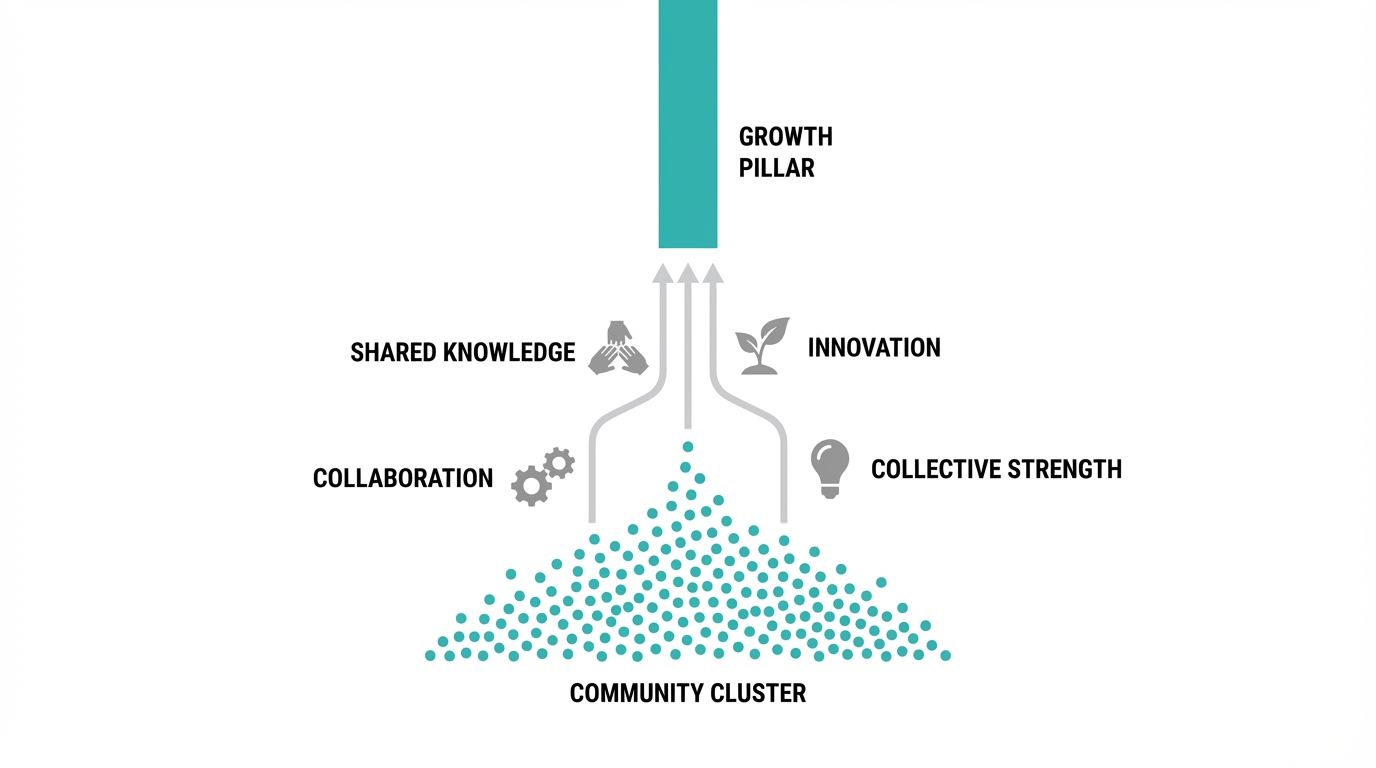

One of the biggest mistakes founders make is raising venture capital before they’ve established their community. As Howard Lindzon noted, community is often not a VC-fundable idea because venture capital demands a specific type of hyper-growth that can destroy the intimacy of a community. Web 3.0 allows for scaling through staking—where the community provides the capital and the labor in exchange for shared ownership.
This is where modern tools become essential. When you are building a decentralized community, you need to find the right 1,000 true fans who will act as the foundation of your network. AI-powered discovery tools like Stormy AI can help you find and vet these early adopters by identifying creators and influencers who already align with your niche. Instead of a broad-market blast, you can use AI-personalized outreach to invite the most relevant voices into your DAO or tokenized group, ensuring your initial "stakeholders" are high-quality contributors rather than just speculators.
The 'Mercury' Model of Low-Friction Entry
To succeed, your community needs to be low friction. Look at Mercury: they didn't need a banking license to disrupt the industry; they focused on a beautiful, intuitive design that served one specific archetype—startups—better than anyone else. Your social token strategy should follow this disruptive innovation model. Don't try to be everything to everyone. Be the best community for your specific niche, and use shared ownership as the wedge to take over the market.
A Playbook for Launching a Decentralized Community


Step 1: Identify Your Niche Community
Don't look for a broad audience; look for a fervent subculture. Whether it’s UGC creators, gig economy workers, or specialized developers, find a group that is currently underserved by traditional financial or social platforms. Use platforms like AppSumo to find the tools you need to automate the boring parts of community management so you can focus on high-level strategy.
Step 2: Define the Financial Utility
A community without utility is just a group chat. Will your members get early access to products? Will they earn staking rewards for contributing content? Or will they have governance rights over a shared treasury? Your creator monetization model must be clear from day one. Social token strategies work best when there is a clear circular economy within the group.
Step 3: Seed with High-Quality 'Thoroughbreds'
The first 50 members define the culture. Use specialized search engines to identify leaders in your space. Tools like Stormy AI allow you to search for creators across TikTok, YouTube, and LinkedIn using natural language prompts. This ensures you are reaching out to the right people to lead your decentralized community building efforts, rather than just random followers.
Step 4: Establish Open Highways
Move your core conversations to Discord or specialized Web3 platforms where the community can see the on-chain proof of their ownership. Avoid the "platform's bitch" trap by ensuring your members' data and assets aren't locked inside a single proprietary walled garden.
The Future of Social Equity
The Web 3.0 transition isn't just about technology; it's about power. It’s about moving from a world where we are the product being sold to advertisers, to a world where we are the owners of the value we create. By leveraging nft community utility and social token strategies, creators can build sustainable, equity-based businesses that are resilient to platform changes and VC pressure.
As we’ve seen from the unbundling of legacy systems, the winners of the next decade will be those who empower their communities to stake themselves in the journey. The room where it happens is finally opening its doors to everyone. It’s time to stop renting and start owning.