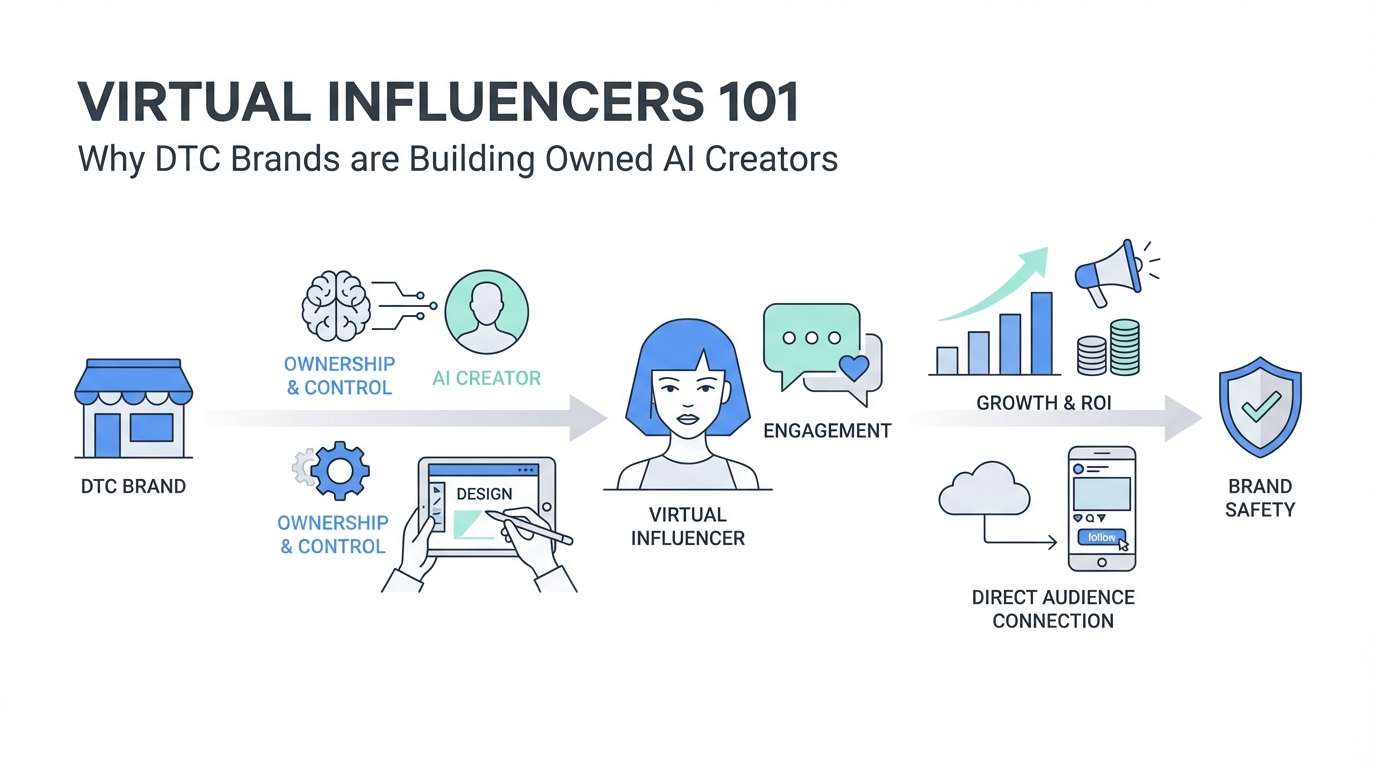
The traditional influencer marketing model is facing a radical disruption. For years, Direct-to-Consumer (DTC) brands have relied on human creators to build trust and drive sales. According to Statista, the global influencer market has ballooned into a multi-billion dollar industry, but humans are unpredictable; interests shift, scandals happen, and costs continue to climb. A new era is emerging where brands are no longer just hiring talent—they are building it from scratch. By leveraging advancements in generative AI, brands are developing "virtual influencers" that serve as permanent, high-leverage digital assets. This shift from rented influence to owned media represents a fundamental change in influencer marketing strategy, prioritizing long-term asset value and total creative control.
The Evolution of Digital Personas: From Lil Miquela to Flux
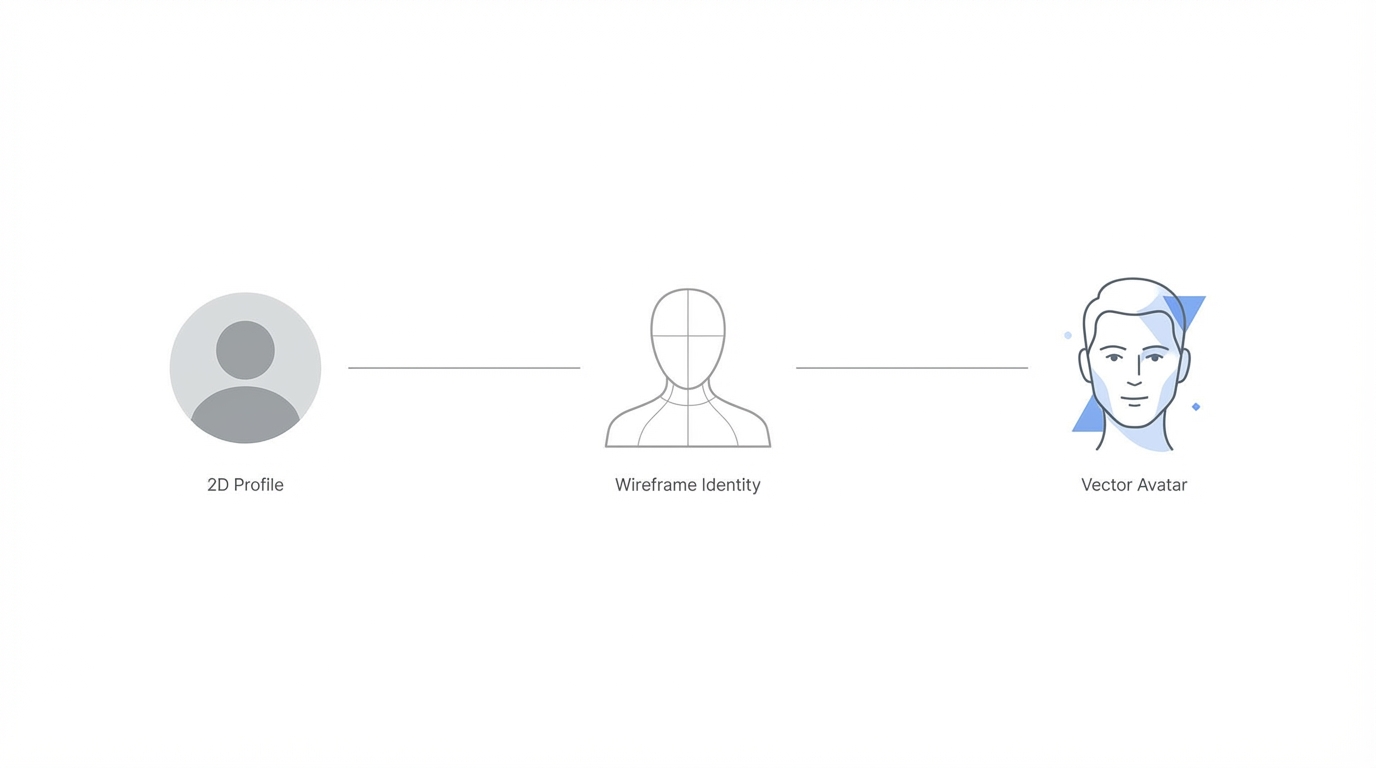

Virtual influencers aren't entirely new, but the technology powering them has undergone a massive leap. We first saw the potential with Lil Miquela, a digital avatar that garnered millions of followers and high-fashion partnerships. However, early iterations required massive teams of 3D artists and expensive rendering suites. Today, tools like Flux and Midjourney have democratized digital avatar creation, allowing brands to generate hyper-realistic personas in minutes rather than months.
As noted by industry observers like Greg Eisenberg, the appeal lies in the consistency of these assets. Modern models allow for "face-locking" and specific style training, ensuring that an AI creator looks identical across Instagram, TikTok, and long-form YouTube content. This technological evolution has moved the needle from "uncanny valley" experiments to viable brand ambassadors that can generate $20,000 in revenue within 24 hours, as seen with art collectives like the one behind the Barcelona-based AI creator Aitana Lopez.
Why 'Owned Media Assets' Outperform Traditional Partnerships
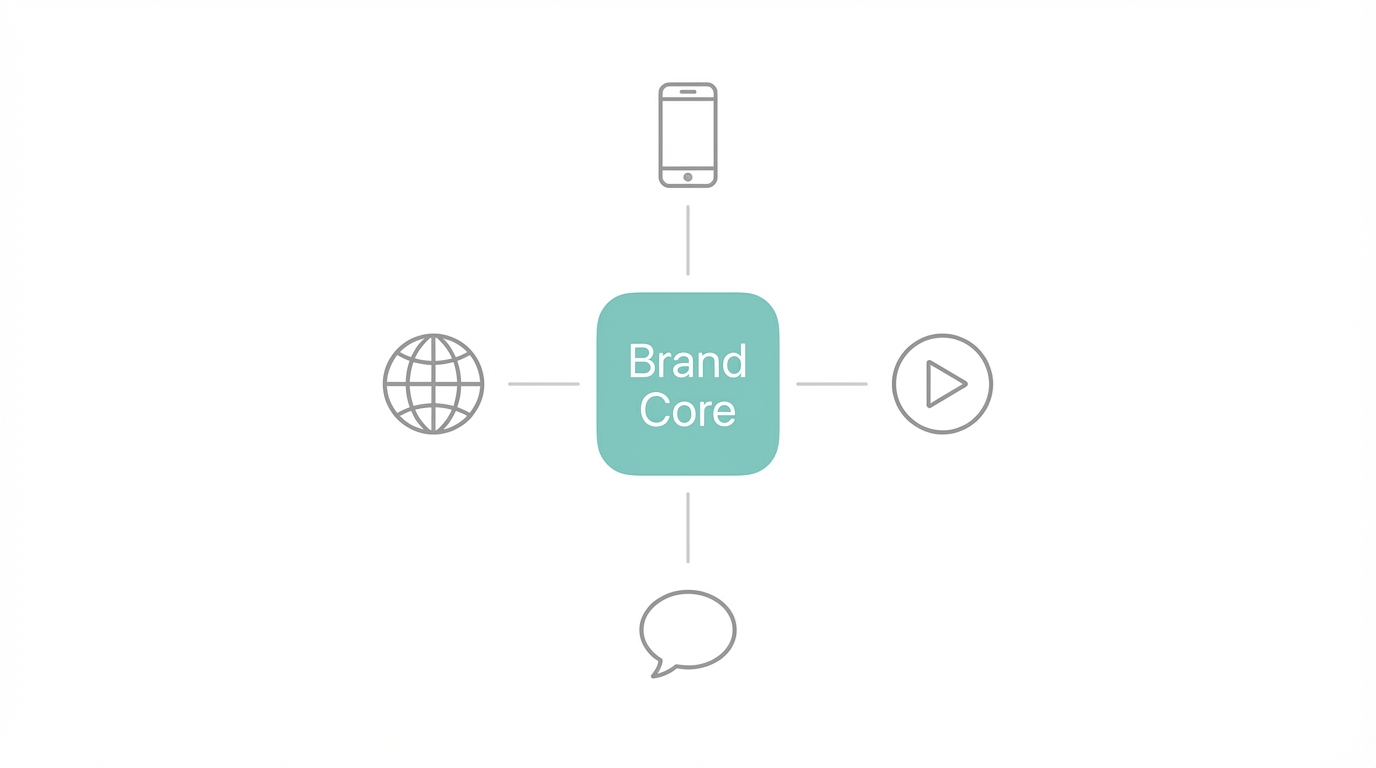
In the current marketing landscape, human influencers are often viewed as "rented land." You pay for access to their audience, but you don't own the relationship, the content rights are often limited, and the influencer could pivot to a competitor at any moment. Transitioning to ai influencer marketing allows brands to treat their spokespeople as digital real estate. This concept, popularized in discussions about cash-flowing businesses on the Greg Eisenberg podcast, suggests that a newsletter or a digital avatar is a balance-sheet asset that appreciates over time.
Cost-efficiency is the primary driver. While a top-tier human creator might charge five or six figures for a single campaign, an AI creator costs roughly the price of a software subscription and some compute time. Furthermore, tools like Swell AI can be used to repurpose a single 30-minute recording of a brand founder into an entire week's worth of scripts and captions for these digital personas, creating a turnkey content machine that operates at an 80% margin.
Risk Mitigation: Avoiding the 'Bad Goods' Scenario
One of the most significant arguments for virtual influencers is brand safety. Consider the case where a brand signs a multi-year deal with a celebrity ambassador, only for that celebrity to become embroiled in a public scandal. As discussed in Forbes, brands are increasingly wary of "bad goods" scenarios where they are contractually obligated to pay out deals despite reputational damage. With a virtual influencer, the brand controls every word, every action, and every association.
By building a network of owned influencers, brands can also experiment with diverse body types, niches, and aesthetic styles without the logistical nightmare of casting and travel. If a brand like Parade wants to showcase its products on twenty different personas across the globe, it can do so from a single workstation. This level of control ensures that the spokesperson is always on brand and always delivers the work as promised, eliminating the human volatility that often plagues the agency-creator relationship.
The 'Lore' Strategy: Building Narrative and Fandom
Success in influencer marketing strategy isn't just about pretty pictures; it's about story. Digital creators allow brands to implement a "Lore Strategy," crafting deep backstories and fictional narratives that keep audiences engaged. This is similar to how fandoms develop around franchises like Lord of the Rings or the MCU. People are comfortable connecting with fictional characters as long as the entertainment value is high.
Brands are beginning to realize they can stimulate dialogue by having their virtual influencers interact with one another. They can create drama, gossip, or collaborative "hauls" that feel like reality TV. This builds community and deeper brand buy-in. When users debate a fictional character's "choice" in a comment section, they are engaging with the brand's ecosystem at a level of intensity that a standard product ad could never achieve. As technology catches up, these personas will host their own YouTube channels and interactive livestreams, acting as the permanent face of the company.
The Hybrid Model: Sourcing Human Inspiration
While the goal is an owned asset, many brands start by licensing a human's likeness or using a "face-swap" hybrid approach. This maintains a level of realism while transitioning the workload to an AI-driven model. For brands looking to find the right aesthetic to model their AI after, platforms like Stormy AI can help discover human creators in specific niches (like LA fitness or NYC tech) to analyze what visual traits and content styles are currently resonating with the target audience.
Technical Blueprint: Building Your Virtual Ambassador
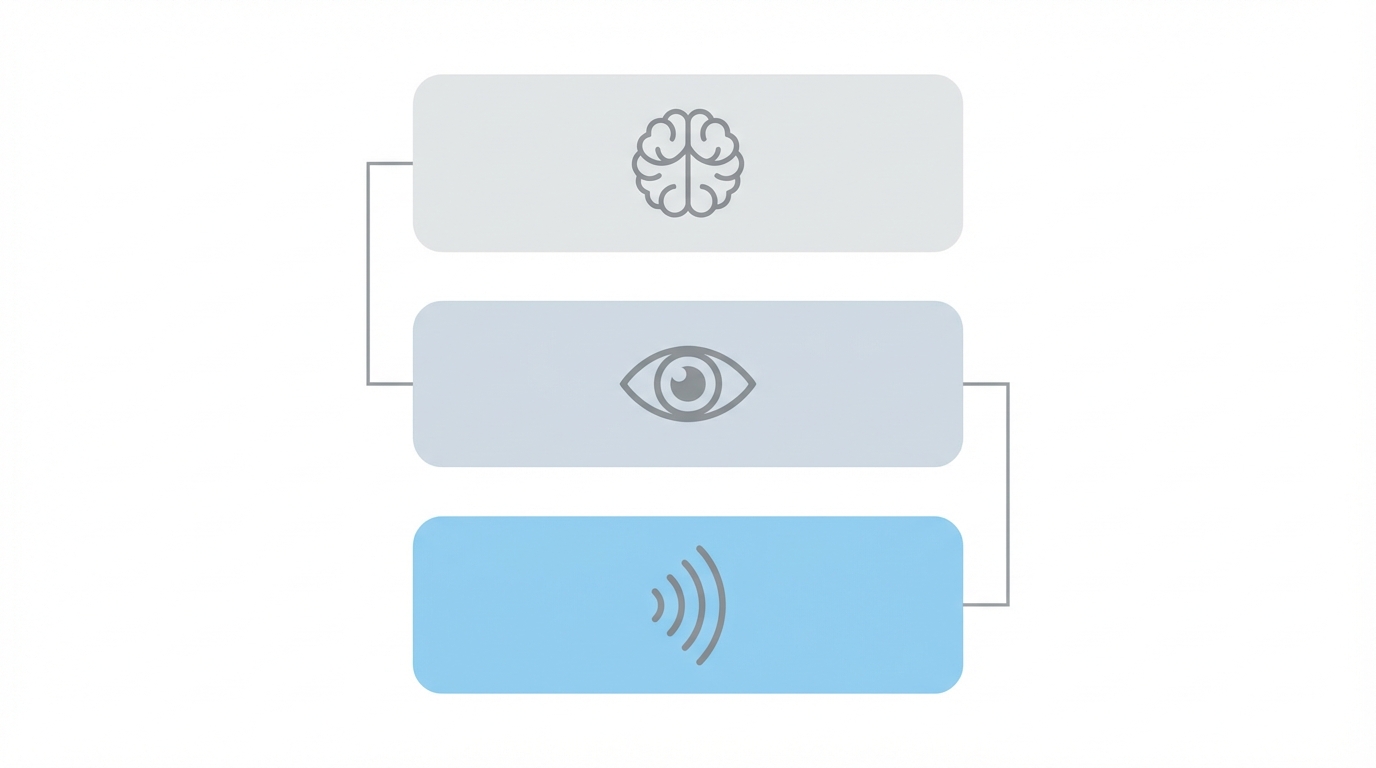
Building a digital avatar that maintains visual consistency across months of content requires a specific technical workflow. You cannot simply hit "generate" on a random prompt every day; you need a repeatable process to ensure your persona doesn't look like a different person in every post.
Step 1: Persona Definition and Base Generation
Start by defining the "vibe" of your influencer. Use a tool like Midjourney or Flux to generate a high-resolution base image. A typical prompt might be: "Photorealistic 3D render of a 24-year-old woman, digital influencer style, minimalist aesthetic, soft lighting, specific facial features."
Step 2: Training for Consistency
To keep the face identical across different poses, you must use face-locking technology or train a LoRA (Low-Rank Adaptation) on your base character. This allows the AI model to "remember" the specific features of your creator. Open-source platforms like Stable Diffusion are excellent for this level of deep customization.
Step 3: Narrative and Voice Development
An influencer needs a voice. Use AI-powered transcription and content tools to define the vocabulary and tone. If your brand is in the e-commerce space, you might use services like Landing Cat to identify SEO-rich keywords that your influencer should "discuss" to drive organic traffic back to your product pages.
Step 4: Animation and Distribution
Once you have the static images, use video generation tools like HeyGen or Runway to animate the character. You can then distribute this content across social media, treating the virtual influencer as a lead-gen funnel for your brand's newsletter or store. For massive scale, you can even use AI agents to handle the daily posting and community management while you sleep.
Future Outlook: The Inevitability of AI Creators
The shift toward virtual influencers is part of a larger dtc branding trend of vertical integration. Just as brands like Amazon integrated their own logistics, modern DTC brands are integrating their own media production. By owning the creator, the brand captures all the upside of the audience growth without the recurring costs of talent fees. This creates a more stable, predictable, and scalable marketing engine.
As we see more B2B and B2C companies adopt these strategies, the "uncanny valley" will disappear. Consumers are already accustomed to interacting with digital entities in gaming and cinema; social media is the natural next step. For brands, the question is no longer if they should use AI, but how quickly they can build their first owned digital ambassador to stay ahead of the competition.
Conclusion: From Renting to Owning
The rise of virtual influencers represents the ultimate influencer marketing strategy for the AI age. By focusing on asset ownership, brands can mitigate risk, slash costs, and build a unique "lore" that fosters long-term customer loyalty. Whether you are a solo founder or a Fortune 500 corporation, the ability to create a spokesperson that never ages, never tires, and never goes off-brand is a competitive advantage that cannot be ignored.
To start your journey into the creator economy, whether human or virtual, using tools like Stormy AI for search and discovery can provide the data you need to understand which niches are ripe for disruption. The future of branding isn't just about who you hire—it's about what you build.