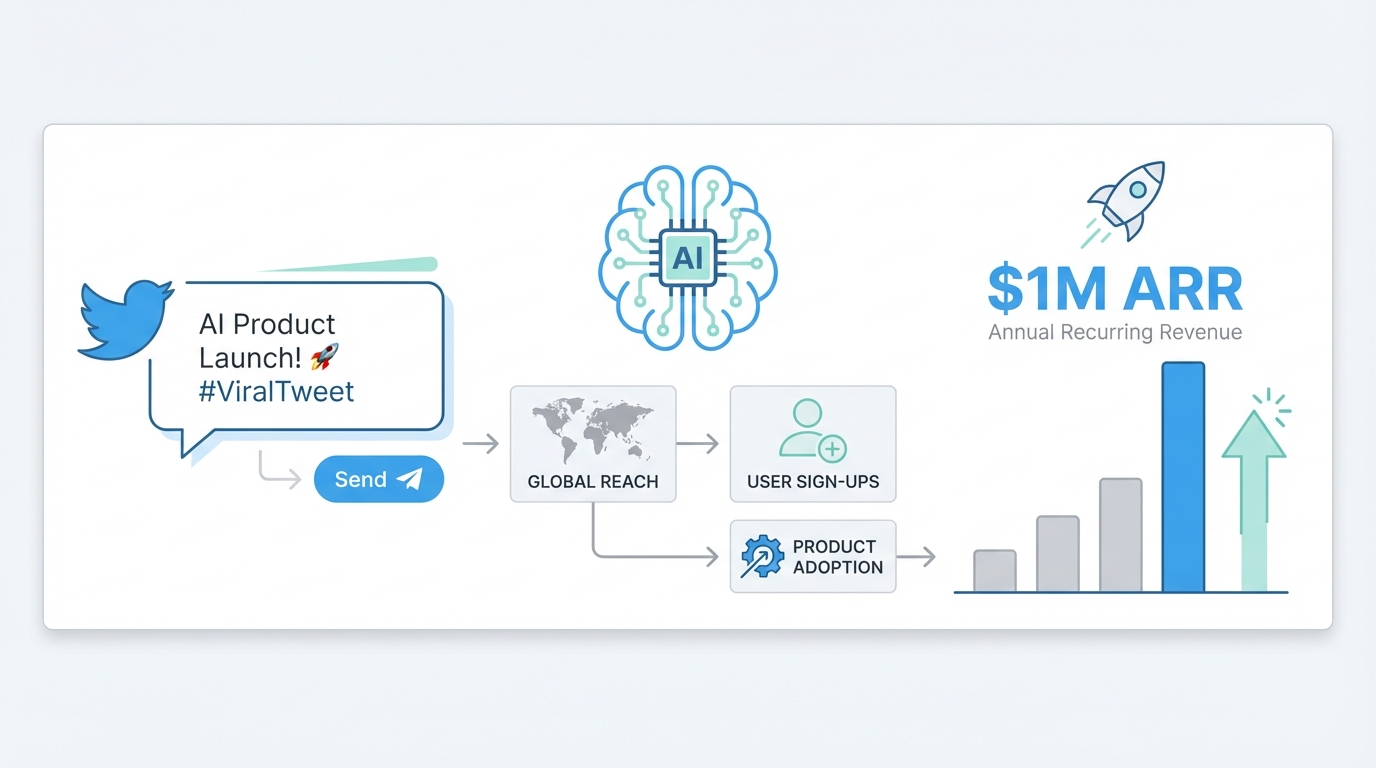
On October 3, 2024, the team at bolt.new sat in a quiet room and prayed. They had just hit 'send' on a tweet that would determine the fate of their company. After years of grinding with StackBlitz and hovering at a respectable but stagnant $700,000 in Annual Recurring Revenue (ARR), they were down to their last bullet. The result? A viral explosion that added $1 million in ARR in just seven days and rocketed to $8 million in ARR within eight weeks. This wasn't just luck; it was a masterclass in AI startup growth and high-stakes viral marketing for tech. To understand how they did it, we have to look at the mechanics of the "beast mode" sprint and the architecture of a tweet that changed everything.
The 90-Day 'Beast Mode' Sprint: Turning a Pivot into a Powerhouse

Success rarely happens overnight, even if the viral moment suggests otherwise. For bolt.new, the journey started with a harsh reality check. By early 2024, their existing commercialization plan for StackBlitz was stalling. Despite having irrefutably cool technology, they struggled to integrate it into daily developer workflows at a venture-scale level. The board meeting to decide the company's fate was set for November. This created a forced deadline: they had exactly 90 days to prove a new concept or shut down. This is a critical lesson in product launch strategy—deadlines create the friction necessary for diamonds.
The team shifted into what they called "beast mode." They weren't just adding AI as a buzzword; they were looking for a signal amidst the noise. While earlier models from OpenAI struggled with generating working, aesthetically pleasing code, the team got an early preview of Anthropic's Claude 3.5 Sonnet. This was the catalyst. They realized that by combining their core browser-based infrastructure with this new level of intelligence, they could allow anyone to build, edit, and deploy full-stack web applications from a single prompt. The goal was simple: zero friction between an idea and a live URL. A successful SaaS go-to-market playbook requires identifying that one technological unlock that makes a previously impossible task trivial.
Architecting the High-Stakes Announcement Tweet
When it came time to launch, the team didn't rely on a complex PR firm or a multi-million dollar ad spend. They launched with a single, meticulously crafted tweet. Eric Simons and his co-founder Albert stayed up until 3 AM agonizing over every word. In the world of viral marketing for tech, the announcement tweet must serve as a high-stakes 'all-in' bet. It needs to be clear, punchy, and backed by a high-intent demo. The tweet didn't just explain the product; it showed it.
The interface of bolt.new was designed for maximum impact: a simple text box and a submit button. This minimalism is a key SaaS go-to-market playbook tactic. By reducing the UI to its most basic elements, the focus remains entirely on the output. When the announcement went live on X (formerly Twitter), it resonated because it addressed a massive pain point: the hours or days it typically takes to set up a development environment. Instead of complex onboarding, users saw a 60-second video of an app being built and deployed in real-time. This immediate proof of value is what triggers the viral loop.
The Role of High-Intent Demos: Proving Value in Under 60 Seconds
In the current AI landscape, users are weary of "vaporware." To combat this, bolt.new utilized high-intent demos that focused on speed and tangibility. The demo showed a user typing a prompt—like "build a directory of great products"—and within seconds, a fully functional, designed website appeared. This wasn't a mock-up; it was a live, interactive site that could be published in one click. For any AI startup growth strategy, the time-to-value must be near zero.
This level of demonstration taps into the "magic" factor. When a user sees a team of designers and engineers' worth of work completed in 60 seconds, the social proof becomes self-sustaining. People don't just 'like' the post; they quote-tweet it with their own creations. This creates a secondary layer of content that acts as a 24/7 sales force. By leveraging the power of social media momentum, bolt.new turned their users into their primary marketing channel.
Leveraging the 'Murder Mystery' Effect: Analyzing Unexpected Segments
As the revenue began to climb, the team noticed something strange. They had built a tool for developers, but the data showed that a massive portion of their new customers weren't developers at all. They called this the "Murder Mystery" effect. They were seeing sign-ups from sales professionals in Dallas building donation sites, product managers (PMs) creating prototypes, and designers bringing their visions to life without a dev team. This SaaS go-to-market playbook shift is vital: your actual audience is often broader than your intended one.
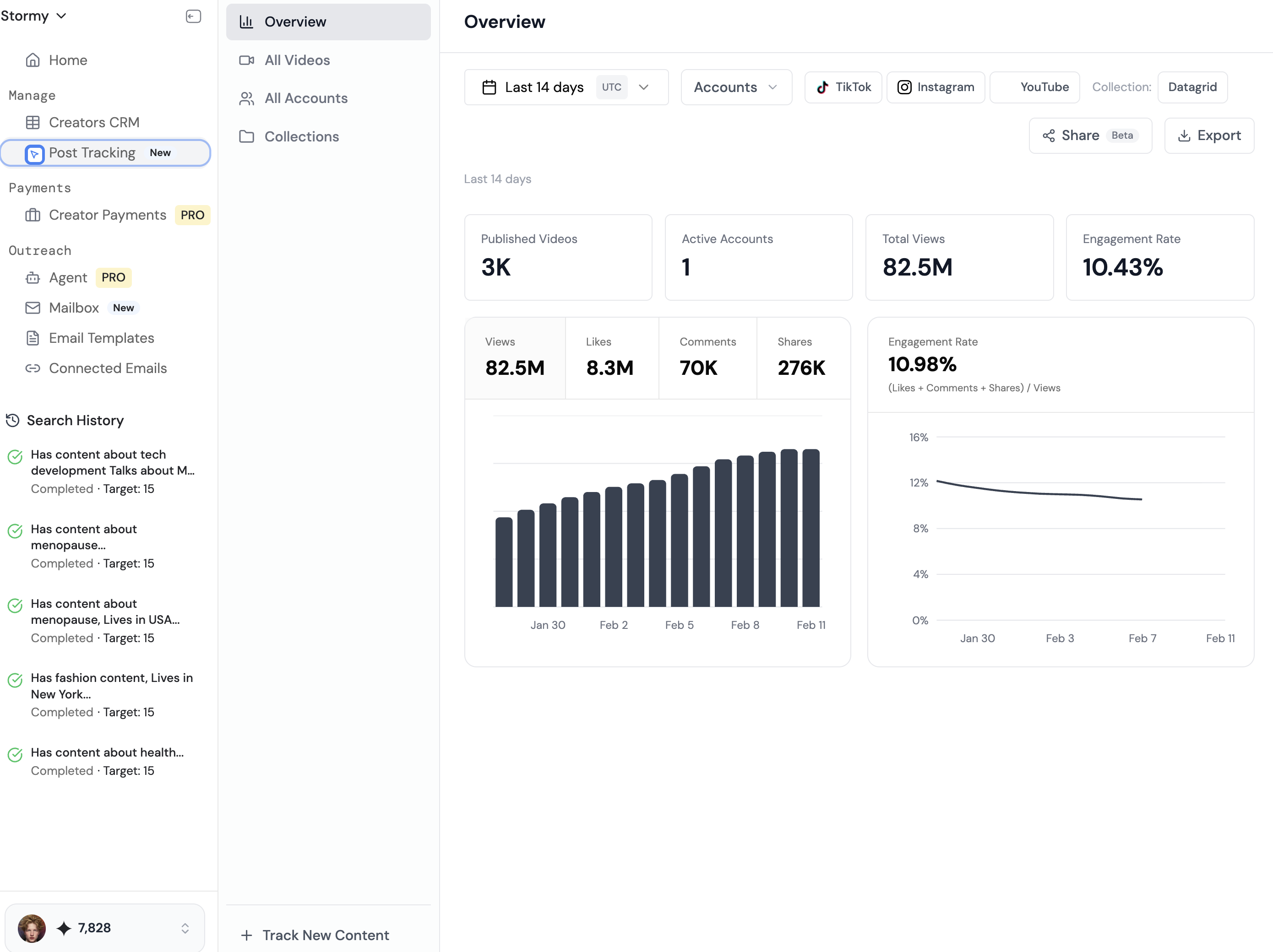
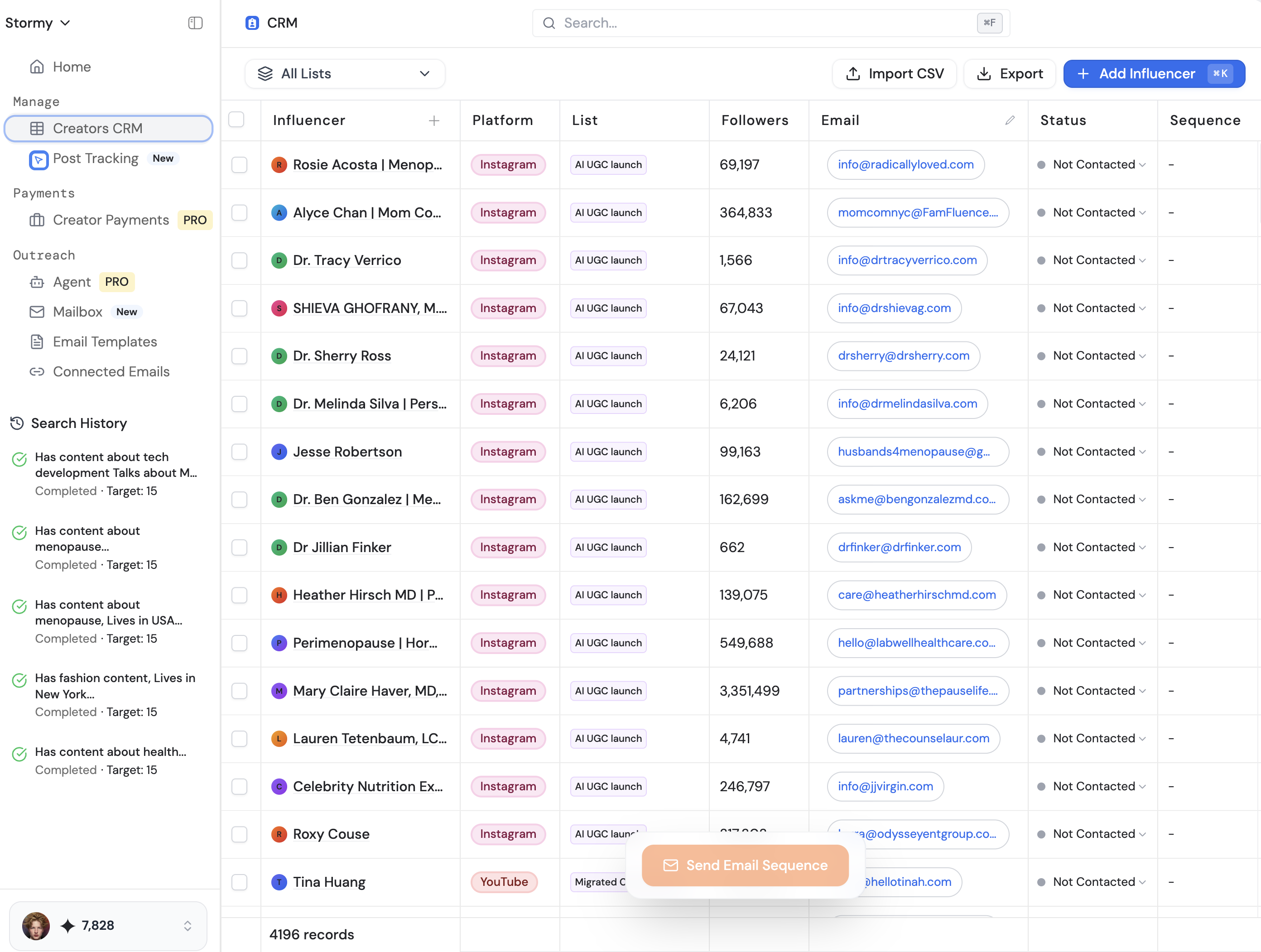
Understanding these unexpected segments allows for more refined social messaging. Instead of just talking about "code generation," the messaging shifted toward "building software." To scale this effectively, platforms like Stormy AI streamline creator sourcing and outreach, allowing brands to find influencers in these niche, non-technical categories who can demonstrate the product's value to their specific communities. By identifying high-performing creators across LinkedIn or TikTok, an AI startup can sustain the viral marketing momentum long after the initial tweet has faded.
Post-Launch Retention: How to Scale ARR to $8M and Beyond
Most viral launches suffer from a "spike and trough" pattern—a massive day one followed by a long, slow decline. Bolt.new avoided this by leaning into continuous engagement and community-led growth. Eight weeks after the launch, they reached $8 million in ARR. They didn't stop at the tweet; they looked for "lightning rods" to keep the attention focused. For example, when influencer KP suggested throwing the world's largest hackathon to set a Guinness World Record, the team immediately engaged. This kind of rapid response to social trends keeps the product in the conversation.
To sustain this level of how to scale ARR, you must move from a launch mindset to an ecosystem mindset. The team focused on making the product a daily habit for those new segments they discovered. They didn't just provide a tool; they provided a way for people who didn't know they could build software to suddenly become builders. This emotional connection to the product is the ultimate retention hook. In the competitive AI startup growth space, the winners are those who can turn a viral moment into a permanent shift in user behavior.
The Viral Product Launch Playbook: Step-by-Step
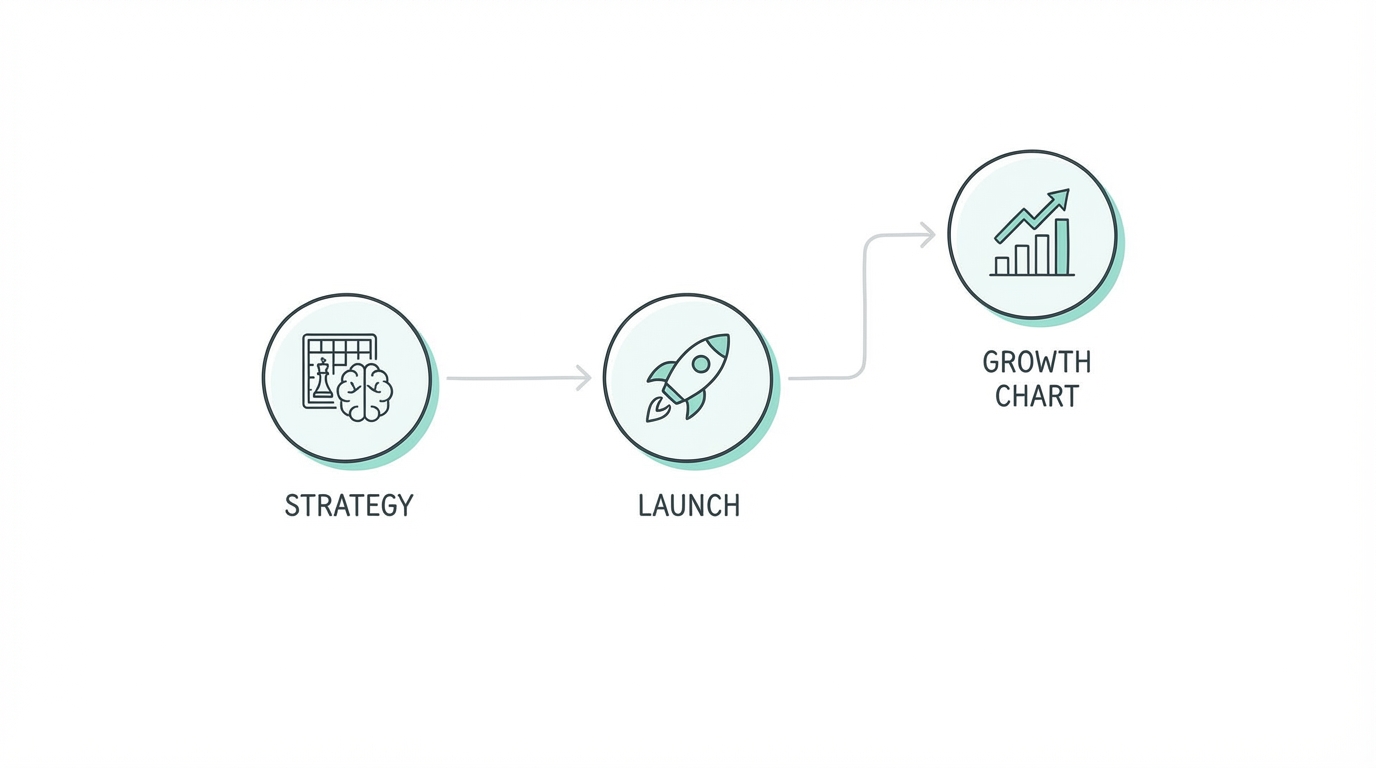
If you are looking to replicate this SaaS go-to-market playbook, follow these five steps to maximize your chances of a viral outcome:
- Step 1: Identify the Technological Unlock. Don't just add AI; find the specific model or capability (like Claude 3.5) that solves a major friction point.
- Step 2: Commit to a High-Stakes Sprint. Give your team a hard deadline (e.g., 90 days) to launch. Pressure forces clarity.
- Step 3: Simplify the Entry Point. Your product should be as simple as a search bar. Let the output provide the complexity, not the interface.
- Step 4: Record High-Intent Demos. Show, don't tell. A 60-second video of the product working in real-time is worth more than a thousand whitepapers.
- Step 5: Follow the Data, Not the Vision. Use the "Murder Mystery" approach to identify who is actually paying. Adjust your messaging to capture those unexpected segments.
In conclusion, the story of bolt.new proves that with the right combination of AI startup growth tactics and social proof, a single tweet can indeed be worth $1 million in ARR. By focusing on zero-friction user experiences and leveraging modern viral marketing for tech, startups can bypass traditional, slow-growth models and achieve historic scale in record time. As the AI wave continues to grow, those who master the art of the viral launch will be the ones who define the next era of Silicon Valley success.