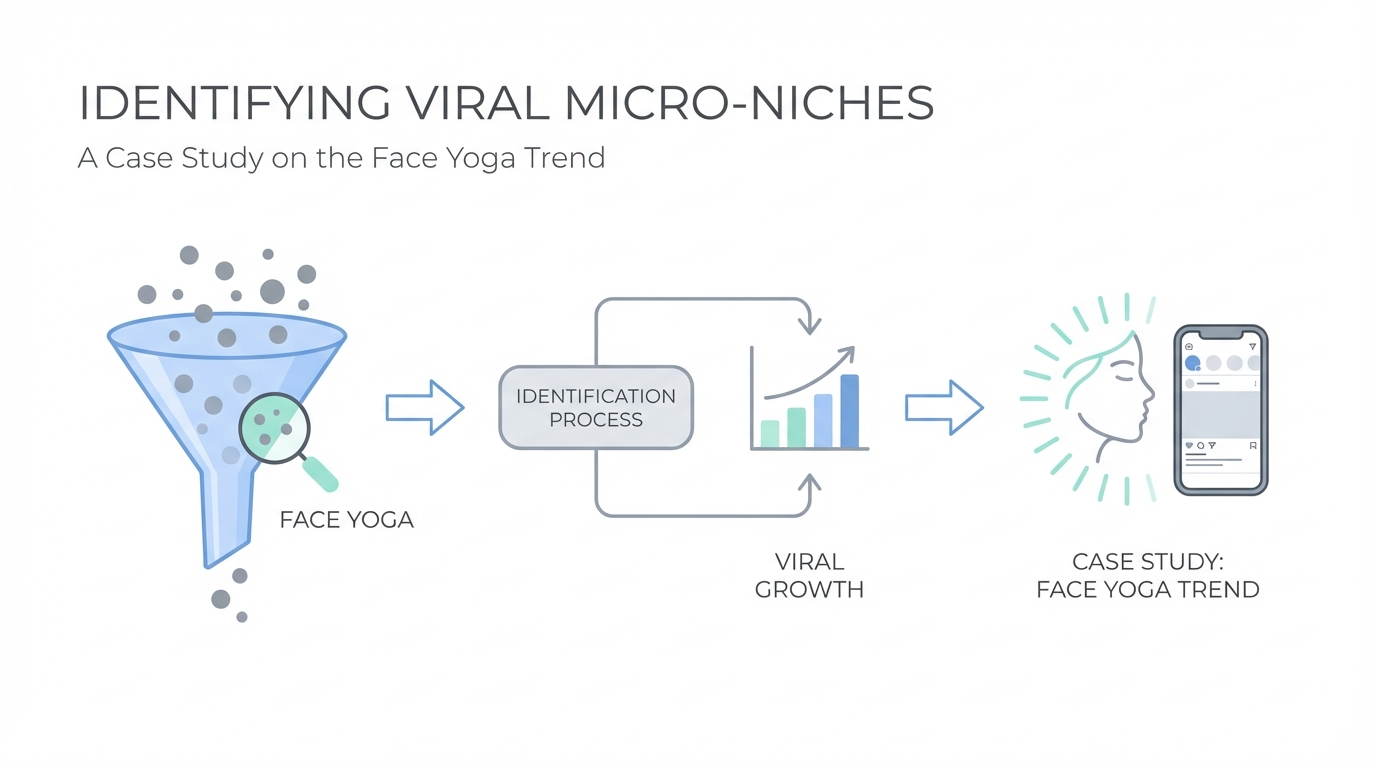
In the rapidly evolving landscape of digital marketing, the ability to spot a trend before it reaches its peak is the difference between a market leader and a latecomer. We are currently moving away from broad interest categories toward highly specific, high-intent segments known as micro-niches. These segments, such as Face Yoga, offer a unique combination of high search volume, low competition, and deep psychological resonance. By conducting thorough influencer niche research and analyzing real-time data, entrepreneurs can build sustainable businesses around these viral pockets of interest. This guide breaks down the data behind the Face Yoga explosion and provides a playbook for identifying the next profitable micro-niches in 2026.
The Data Behind the Face Yoga Explosion
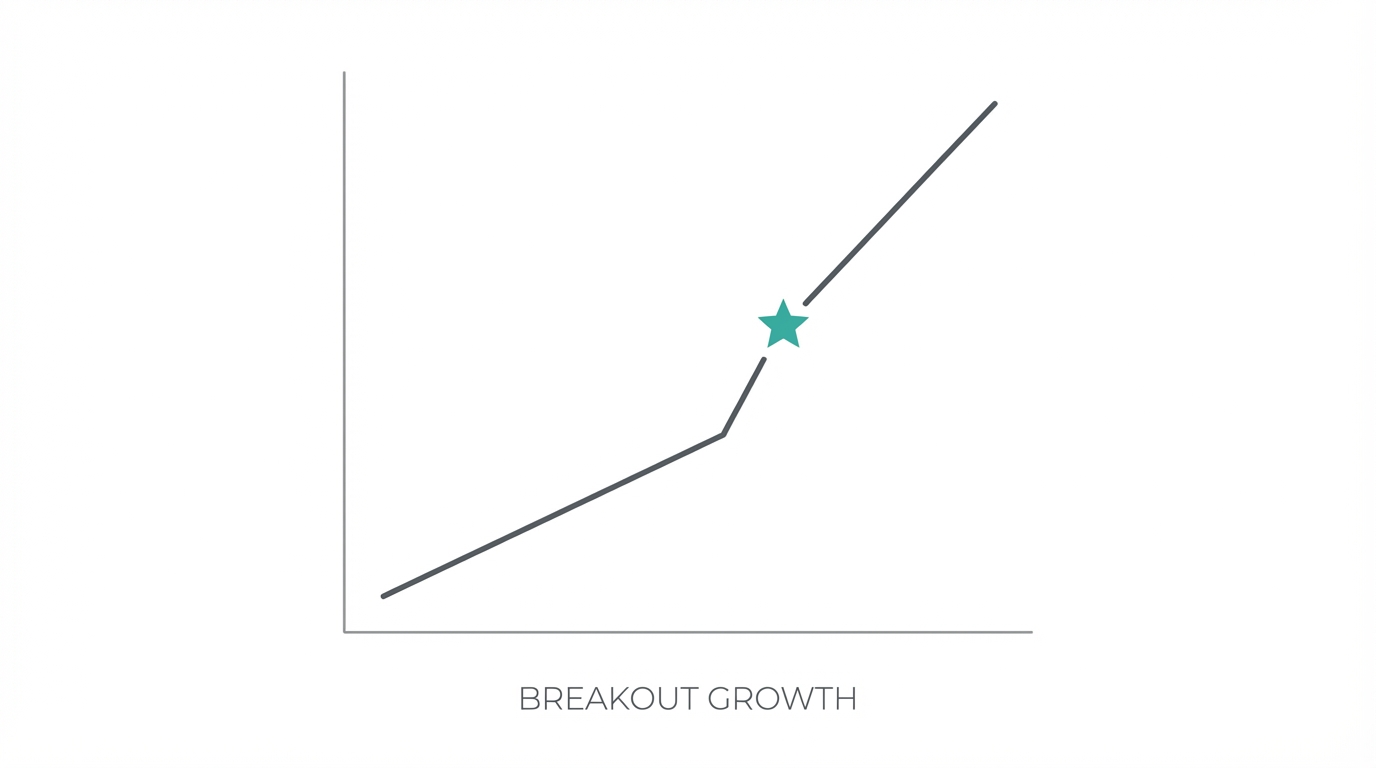
To understand the potential of a micro-niche, we must look at the hard numbers. According to recent data from Idea Browser, the term "Face Yoga" reached a staggering 110,000 monthly searches in late 2025. Despite this high volume, the competition remains remarkably low, with an average Cost-Per-Click (CPC) of approximately $1.00. This suggests a massive gap between consumer demand and advertiser saturation.
The face yoga market size is expanding because it intersects two major growth sectors: holistic wellness and non-invasive beauty. Unlike broader fitness trends, Face Yoga focuses on facial exercises, stretches, and massages designed to tone facial muscles and reduce signs of aging. When you see a trend moving "up-and-to-the-right" on search charts, it indicates a shift in consumer consciousness that can be monetized through niche-specific software or content services.
The Psychology of Micro-Niches: Solving Human Insecurities

Why is Face Yoga specifically going viral? Successful micro-niches almost always solve a fundamental human insecurity. In this case, it targets the universal desire for youthful skin, facial definition, and the reduction of sagging or wrinkles. Similar to how traditional yoga strengthens the body, face yoga promises a natural and holistic way to improve the jawline and lift the cheeks without the need for expensive dermatological procedures.
When performing social media trend analysis, look for topics that offer "visual proof." Face yoga is highly visual; creators can show "before and after" results of a 10-minute cheek lift or a jawline sculpting routine. This visual weight makes it perfect for platforms like TikTok and Instagram, where viral marketing case studies often highlight the power of simple, demonstrable transformations.

Leveraging Influencer Niche Research for Scale
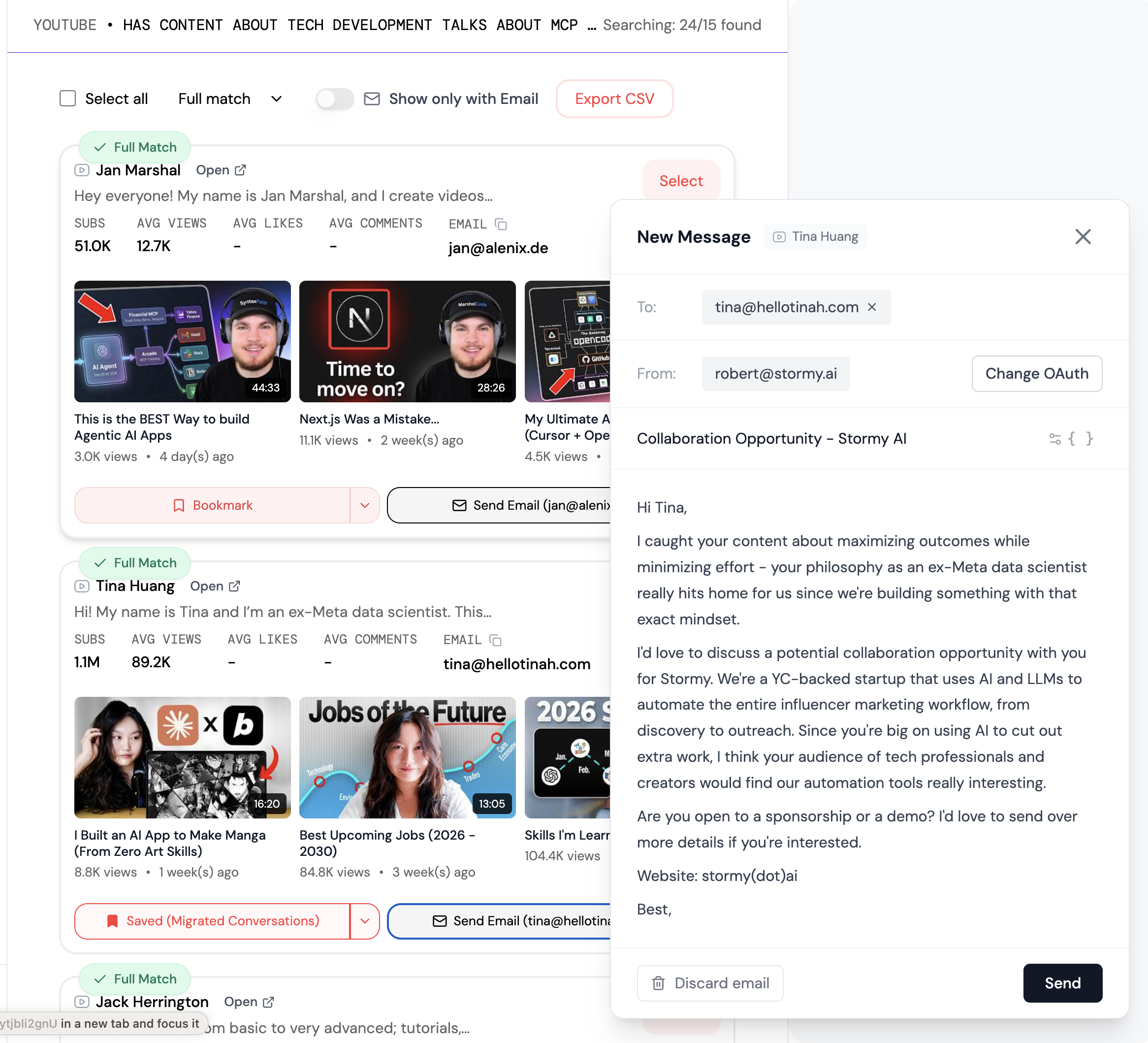
To dominate a micro-niche, you cannot rely on broad-reach influencers. You need specialists who have already cultivated trust within that specific community. This is where influencer niche research becomes a competitive advantage. You are looking for creators who produce educational content—such as 10-minute facial exercise tutorials—rather than general lifestyle vloggers.
Scaling a brand in this space requires finding and managing dozens of these micro-specialists simultaneously. Advanced platforms like Stormy AI streamline creator sourcing and outreach by using natural language prompts to find influencers who specifically focus on facial fitness or jawline training. By automating the discovery and outreach process, you can build a stable of creators to fuel your viral marketing campaigns while you focus on product development.
Monetization Strategies: Building the Value Ladder
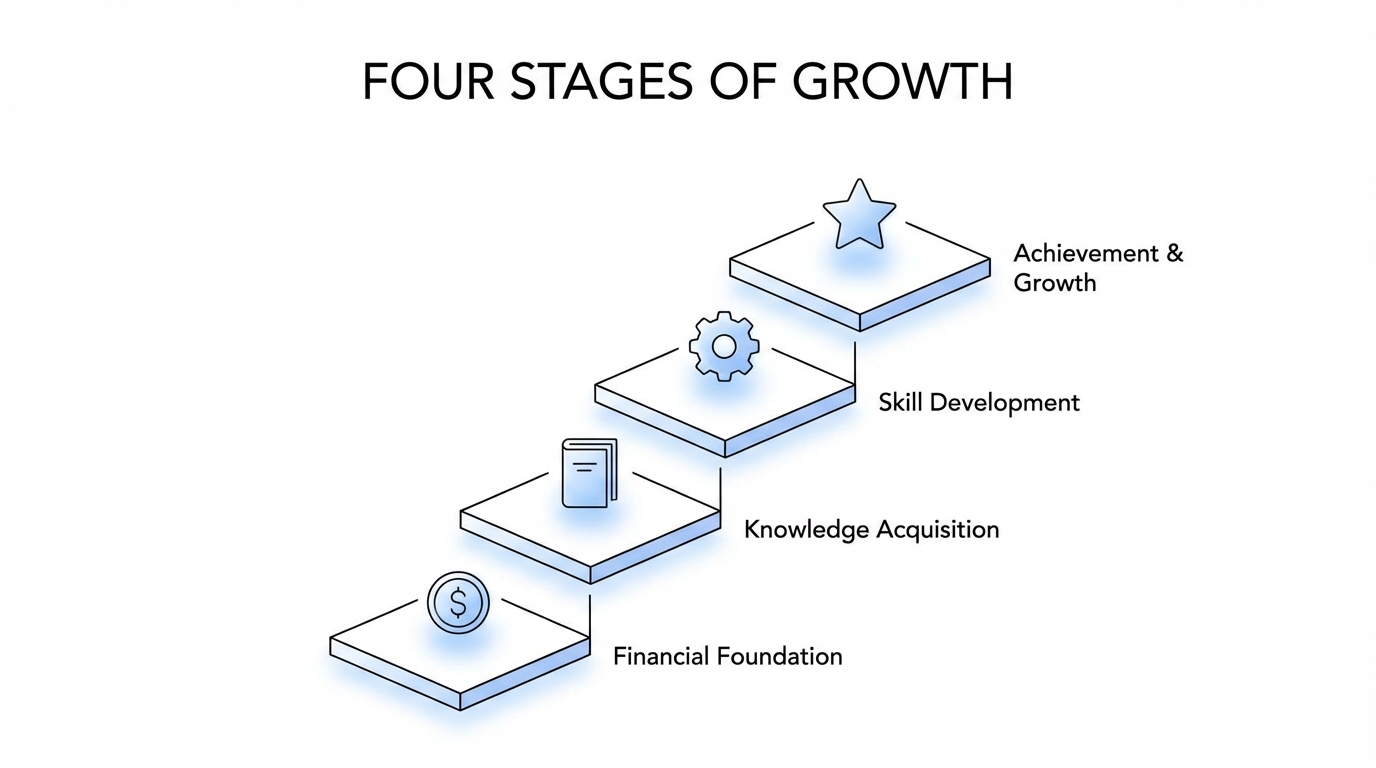
Identifying a niche is only the first step; the second is building a Value Ladder that converts casual viewers into high-ticket customers. A Value Ladder ensures you are capturing value at every stage of the customer journey, from a free YouTube video to a $500/year premium subscription.
- Lead Magnet: Offer a free "AI-powered Facial Aging Guide" or a PDF of the top 5 exercises to capture email addresses.
- Front-End Offer: A low-ticket item, such as a $15 facial massage tool or a 7-day "Jawline Challenge" digital course.
- Core Offer: A dedicated mobile app with daily guided face workouts and progress tracking.
- High-Ticket Offer: Personalized 1-on-1 coaching sessions or an annual "Pro" membership for skin health professionals.
For those building the technical side of these offers, tools like Superwall allow you to implement hard paywalls and test different pricing strategies for your niche fitness apps without writing custom billing code from Stripe or other providers from scratch.
The 6-Step Playbook for Viral Validation
If you want to build a business around a micro-niche like face yoga, follow this viral marketing case study framework to validate your idea before over-investing in development.
Step 1: Warm Up Your Social Accounts
Before posting, you must signal to platform algorithms that you are an active participant in the niche. Spend a week liking, commenting on, and following creators in the face yoga and wellness space to avoid shadow bans and ensure your content reaches the right "lookalike" audience.
Step 2: Design for Simplicity
Your app or service must be explainable in three words or less (e.g., "Track your acne" or "Tone your face"). It must have a visually heavy element—something that stops the scroll, like a thermal map of facial muscles or a dramatic side-profile transformation.
Step 3: Build a 48-Hour MVP
Do not spend months coding. Use no-code or "vibe-coding" platforms like Roark, Anything, or Vibe Code to build a three-screen MVP in a few days. The goal is to get a functional product into the hands of users for feedback immediately.
Step 4: Post Daily for 30 Days
Viral validation is a volume game. Commit to posting one video per day for at least 30 days. Test different hooks—some focusing on anti-aging, others on jawline definition. You will know you've hit a profitable micro-niche when the comments explode with specific questions about your methodology.
Step 5: Community Before Product
Before you officially launch, build a waitlist using a dedicated newsletter or a Discord server. This keeps your early believers engaged and provides you with a group of beta testers who can provide the social proof needed for a successful launch.
Step 6: Launch with a Hard Paywall
Once you have validated the demand through organic content, launch your app with a clear monetization strategy. Use different angles in your daily content to drive traffic to your paywall, and scale your social media trend analysis to see if there are adjacent niches (like "posture correction") you can expand into next.
The Role of AI Agents in Niche Discovery
As we look toward 2026, the process of finding these niches is becoming automated. OpenAI has recently introduced skills within the Codex framework, which are reusable bundles of instructions that can help agents complete complex tasks. By following standards like those found at AgentSkills.io, marketers can build sub-agents specifically designed to scan Google Ads and social data to flag new trends like Face Yoga before they hit the mainstream.
For entrepreneurs managing multiple niche projects, using productivity tools like Things can help keep these complex workflows organized. Managing an influencer marketing platform interaction, a developer sprint, and a content calendar requires a level of focus that only high-quality task management can provide.
Conclusion: Your Path to Niche Dominance
The Face Yoga trend is a blueprint for how modern businesses are built: find a high-intent micro-niche, validate it through rapid content iteration, and monetize it with a structured value ladder. By focusing on profitable micro-niches in 2026, you avoid the high costs of broad-market competition and build a loyal audience around specific solutions. Whether you are using Stormy AI to find the perfect UGC partners or leveraging the latest AI skills to automate your research, the opportunity to own a niche has never been greater. Start by identifying an insecurity, test the visual hook, and ship your MVP before the window of opportunity closes.