In the high-stakes world of modern commerce, the distance between a viral video and a million-dollar product line has shrunk to nearly zero. We no longer live in a world where brands plan seasons six months in advance; we live in an era of real-time marketing, where a single locker-room dance or a quirky fan in the stands can trigger a global frenzy. To win today, you don't need a massive R&D department. You need a viral marketing playbook that allows you to identify meme moments and capitalize on them with lightning speed. This guide explores how creators and entrepreneurs are turning "dumb ideas" into gold using social media analytics and fast-follow infrastructure.
The Anatomy of a Meme Brand: The Cheese Grater Hat
To understand the power of meme marketing, one only needs to look at the NFL playoffs. For decades, Green Bay Packers fans have famously worn "Cheeseheads." In response, Chicago Bears fans—their bitter rivals—needed an answer. Enter the "Cheese Grater Hat." What started as a clever fan gag has turned into a massive business for Foam Party Hats, a company founded by Grace Rojas and her son Manuel. Originally a small family passion project started in 2017, the business eventually landed a deal on Shark Tank, giving up 25% of the company for $100,000 to Mark Cuban.
But the real explosion happened when the product met a viral moment. After a big win, Chicago Bears wide receiver DJ Moore was filmed in the locker room wearing the oversized foam grater while the team chanted "Go DJ" to the Lil Wayne track. That clip racked up 2.2 million views almost instantly. The result? The company processed 10,000 orders in a single week, generating roughly $500,000 in revenue in seven days. This is the ultimate example of identifying a niche cultural rivalry and providing the physical manifestation of a social media trend.
Using Social Media Analytics to Predict Viral Potential


Not every funny video is a business opportunity. Successful viral marketing strategies rely on using Stormy AI to analyze creator profiles and engagement quality to determine which trends have staying power. High-growth brands often look for "rivalry energy" or "identity markers"—products that allow a user to signal they belong to a specific group or subculture. Identifying these moments manually is impossible in the 24/7 content cycle. Modern marketers use Stormy AI, an AI search engine across TikTok, YouTube, Instagram, and LinkedIn, to monitor emerging trends and find the specific influencer merch trends that are resonating with target audiences.
The key is looking for high engagement-to-follower ratios. When a clip like DJ Moore's reaches millions of views, it's not just entertainment; it's a market signal. By analyzing the sentiment in the comments, brands can determine if the audience is asking, "Where can I get that?" If the answer is nowhere, you have found a gap in the market. Stormy AI is particularly effective for mobile app developers and brands looking for UGC (user-generated content) creators who can take these meme products and turn them into high-converting ad creative for app install campaigns.
The Fast-Follow Infrastructure: From Meme to Storefront
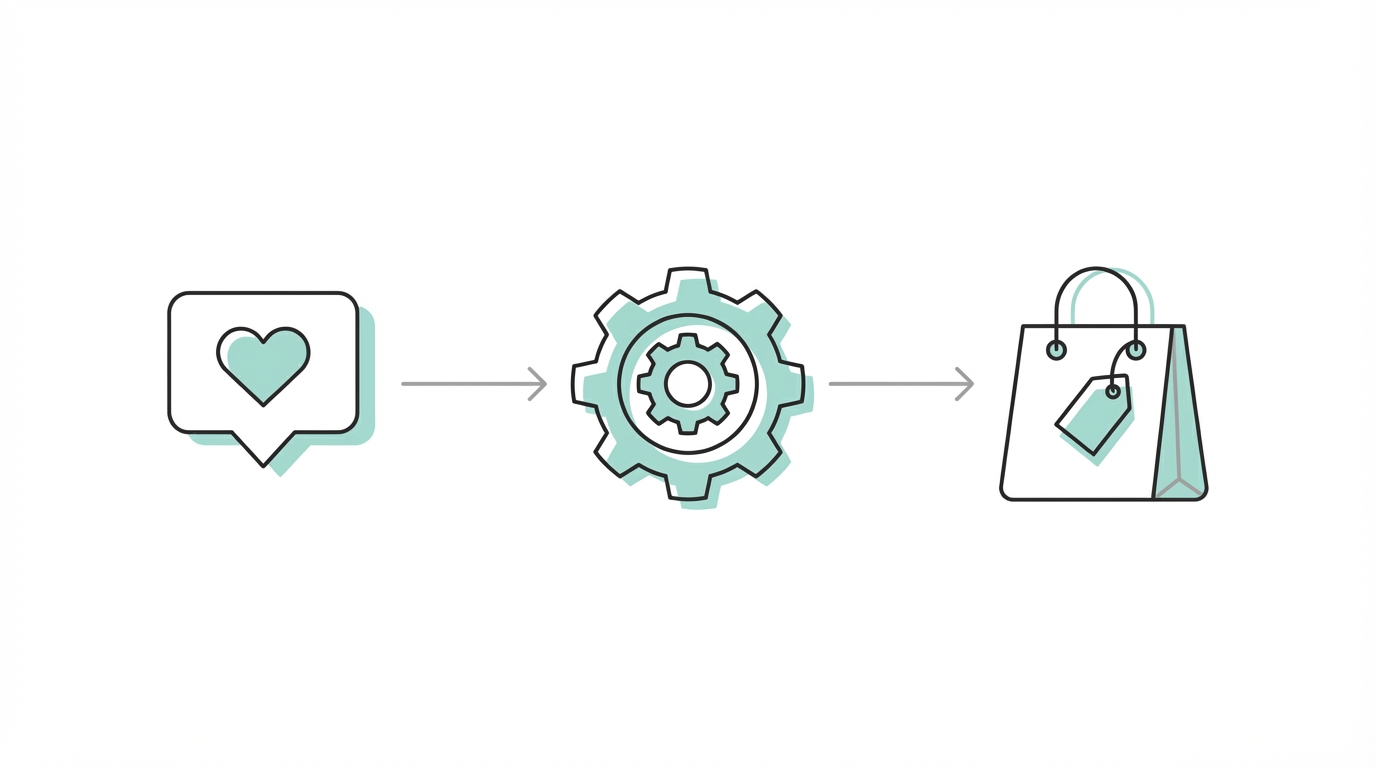
The secret weapon of the real-time marketing industry is the evolution of drop-shipping and rapid prototyping. In the past, manufacturing a custom product took months. Today, if a "Linsanity" style moment happens during a basketball game, a t-shirt store can be live with a custom slogan within one hour of the final buzzer. This "fast-follow" infrastructure allows brands to capture the peak of the search volume before the attention shifts to the next thing.
To execute this, you need a pre-built tech stack. Successful trend-responsive stores typically utilize Shopify integrated with print-on-demand services or local foam and plastic manufacturers who can handle rapid prototyping. Once the store is live, the traffic is driven by organic social clips. By leveraging the initial viral moment, brands can run highly targeted ads through Meta Ads Manager or Google Ads to reach the exact fans who were just watching the game.
The Viral Merch Playbook: A Step-by-Step Guide

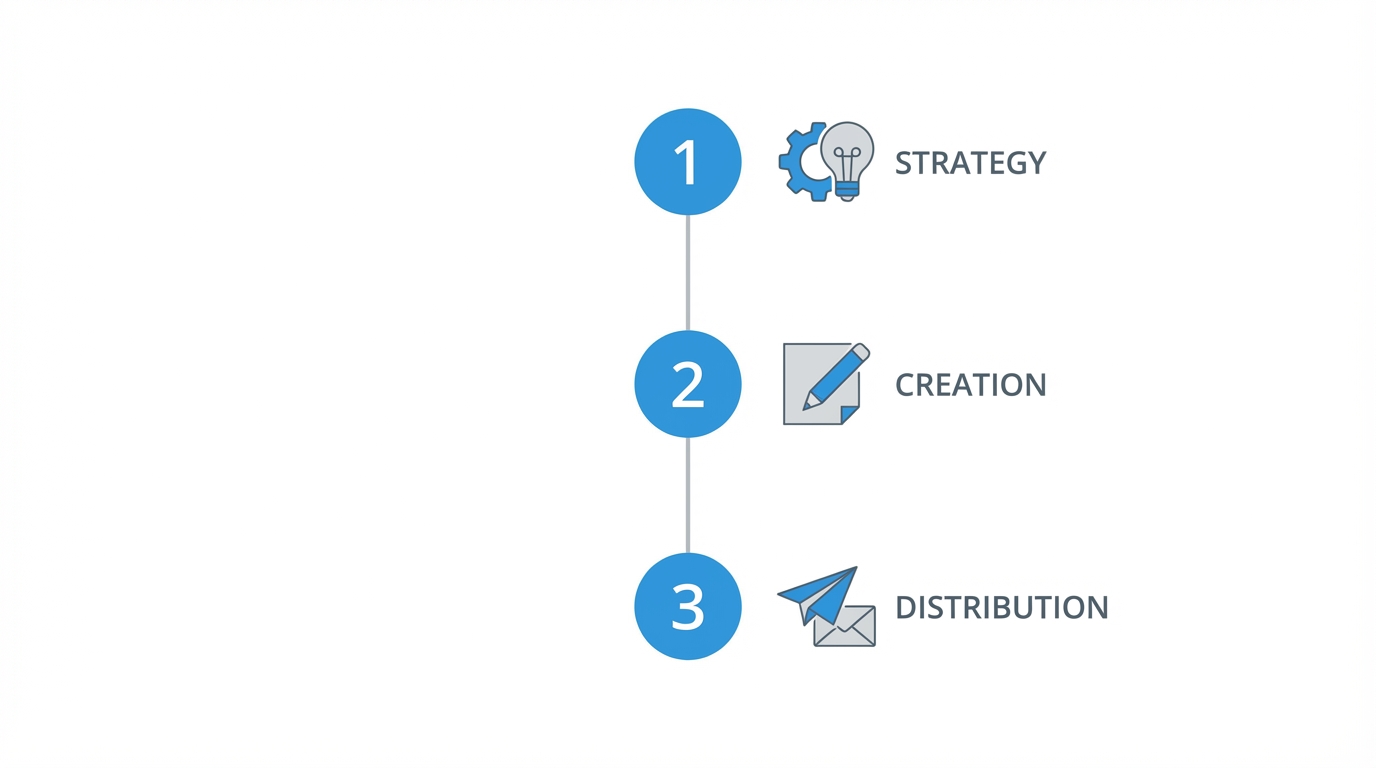
If you want to replicate the success of the Cheese Grater Hat or other influencer merch trends, follow this clear playbook for launching a trend-responsive brand.
Step 1: Monitor the Cultural Pulse
Identify "high-friction" environments like professional sports, reality TV, or political debates. These are factories for meme moments. Use social media analytics for brands to track keywords and rising search terms. Look for visual gags or slogans that are being repeated in the comments sections of high-traffic accounts.
Step 2: Rapid Design and Validation
Don't wait for a perfect product. Create a 3D render or a simple mock-up of the item. Before committing to a large manufacturing run, you can use the AI search engine on Stormy AI to find and test the concept with relevant influencers. If a creator’s video about a "concept product" goes viral, you have your validation.
Step 3: Leverage Influencer Locker-Room Moments
Organic reach is the most profitable traffic source. When an athlete or influencer naturally interacts with a product—like the Chicago Bears team dancing around the foam hat—it creates a "gift" of feedback. This isn't a paid ad; it's a cultural endorsement. You can use Stormy AI to track individual videos and monitor views, likes, and engagement to see which moments are truly converting. Capture these clips and repurpose them (with permission) as social proof on your product pages.
Step 4: Scale with Performance Marketing
Once you have organic traction, fuel the fire. Use Apple Search Ads to capture users searching for the trend and deploy Facebook Ads to reach similar audiences. Remember, the window for these trends is often short—sometimes only 2-3 weeks—so you must be aggressive with your budget while the iron is hot.
Beyond Physical Products: The Digital Meme Economy
Meme marketing isn't limited to foam hats and t-shirts. Some of the most successful "dumb ideas" are purely marketing products with zero physical overhead. Consider the International Star Registry. Founded in 1979, the company has made millions by selling the "right" to name a star. There is no physical product; you are essentially buying a spot in a book that is stored in a vault. It is a pure-play marketing product that leverages emotion and sentiment.
Similarly, the ambient content market on YouTube has created millionaires from incredibly simple concepts. A 10-hour video of a fireplace crackling has reached over 157 million views, turning its creator into a millionaire through ad revenue alone. This is the digital equivalent of the foam hat—identifying a simple human need (ambience, relaxation) and filling it with a low-cost, high-leverage digital asset. Channels like Lo-fi Girl now have over 15 million subscribers and generate an estimated $100,000 per month by providing consistent, branded ambient experiences.
The Mindset of Greatness: Not Getting Bored of the Process
Launching a viral brand requires a unique combination of charisma and process. Many entrepreneurs fall in love with the initial "viral hit" but fail to build a sustainable business. To stay on top, you have to adopt the mentality of legendary salesmen like Larry Jolton, who was named Salesman of the Year by the National Shoe Retailers Association multiple times in the 1980s. Jolton sold over $423,000 worth of shoes in a single year from a physical store in Pennsylvania.
His secret wasn't just charm; it was a refusal to get bored with the basics. Whether you are selling 11C dress shoes or trend-responsive foam hats, the winners are those who don't shortcut the customer service process. In the world of viral merch, this means managing backlogs, responding to customer inquiries during a frenzy, and constantly looking for the next "game-changing" moment without losing sight of the operational excellence required to fulfill the current one.
Conclusion: Turning Attention into Equity

The "Viral Merch Playbook" is about more than just selling novelty items; it's about capturing lightning in a bottle and having the infrastructure ready to store it. Whether it is an AI-generated monk selling healing guides on Whop or a family-run business making foam hats, the core principle remains the same: Attention is the new currency. By combining the insights from Stormy AI with rapid execution, anyone can turn a "dumb" meme into a million-dollar brand. Stop waiting for the perfect business idea and start looking for the next moment the world is already talking about.