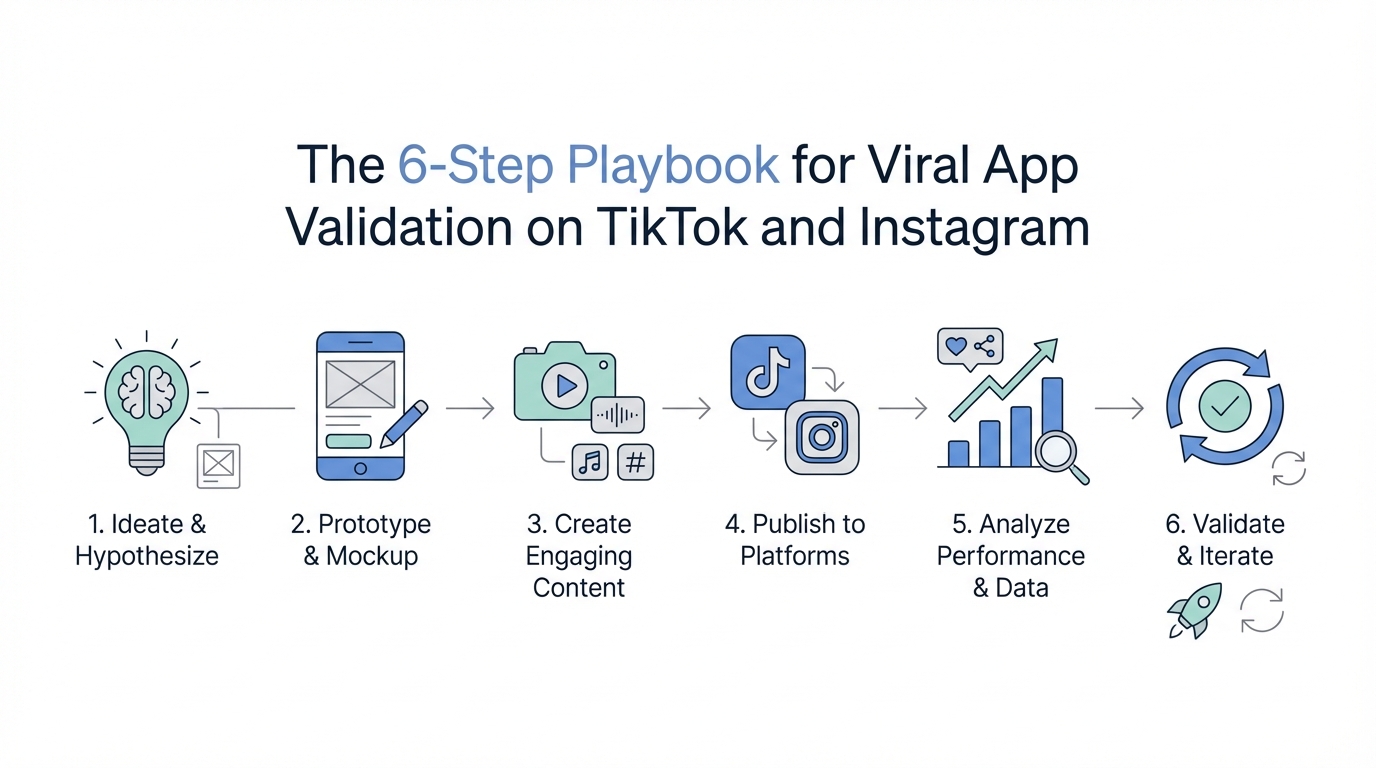
In the current landscape of mobile development, the greatest risk isn't technical failure—it is building something that nobody wants. Founders often spend months and thousands of dollars on a polished product, only to realize their target audience isn't interested. However, a new startup validation framework is emerging, driven by the speed of social media and the rise of "vibe coding." By leveraging viral app marketing on platforms like TikTok and Instagram, builders can validate demand, find a winning angle, and even build a waitlist before writing a single line of production-grade code. This playbook outlines how to move from a raw idea to a validated mobile concept in under 30 days.
Step 1: The 'Warm-Up' Phase—Avoiding Shadow Bans
One of the most common mistakes founders make is creating a brand-new account on Instagram or TikTok and immediately blasting promotional content. To the platform's algorithm, this behavior mimics a spam bot, often resulting in a shadow ban or extremely limited reach. To execute a successful social media growth strategy, you must first "warm up" the account.
Spend the first week acting like a human user. Sign up and follow creators in your specific niche. For example, if you are building a wellness app, follow leaders in the health space and engage with their content. Like, comment, and share videos daily. This tells the algorithm that your account is legitimate and helps it categorize your profile so it knows who to show your future content to. Consistency is the foundation of mobile app validation; if the platform doesn't trust your account, your data will be skewed by lack of impressions.
Step 2: Designing for Virality—The Three-Word Rule

For an app to go viral organically, it needs to be immediately understandable and visually arresting. The framework for a viral-ready app involves three core pillars: a visually heavy element, a three-word explanation, and a fundamental human insecurity.
Consider the recent surge in interest for Face Yoga. It is a perfect example of a visual-heavy trend where users perform facial exercises to improve their jawline or reduce wrinkles. Research into search trends shows that terms like "jawline trainer" and "face-slimming exercises" see over 110,000 monthly searches. An app in this space could be explained in three words: "Track your acne" or "Slim your face." This simplicity is vital for app store optimization organic growth, as users quickly grasp the value proposition while scrolling through their feed. Always aim to solve a core insecurity—whether it's related to height, weight, productivity, or social status—to trigger high engagement rates.
Step 3: Building the 72-Hour MVP with Vibe Coding
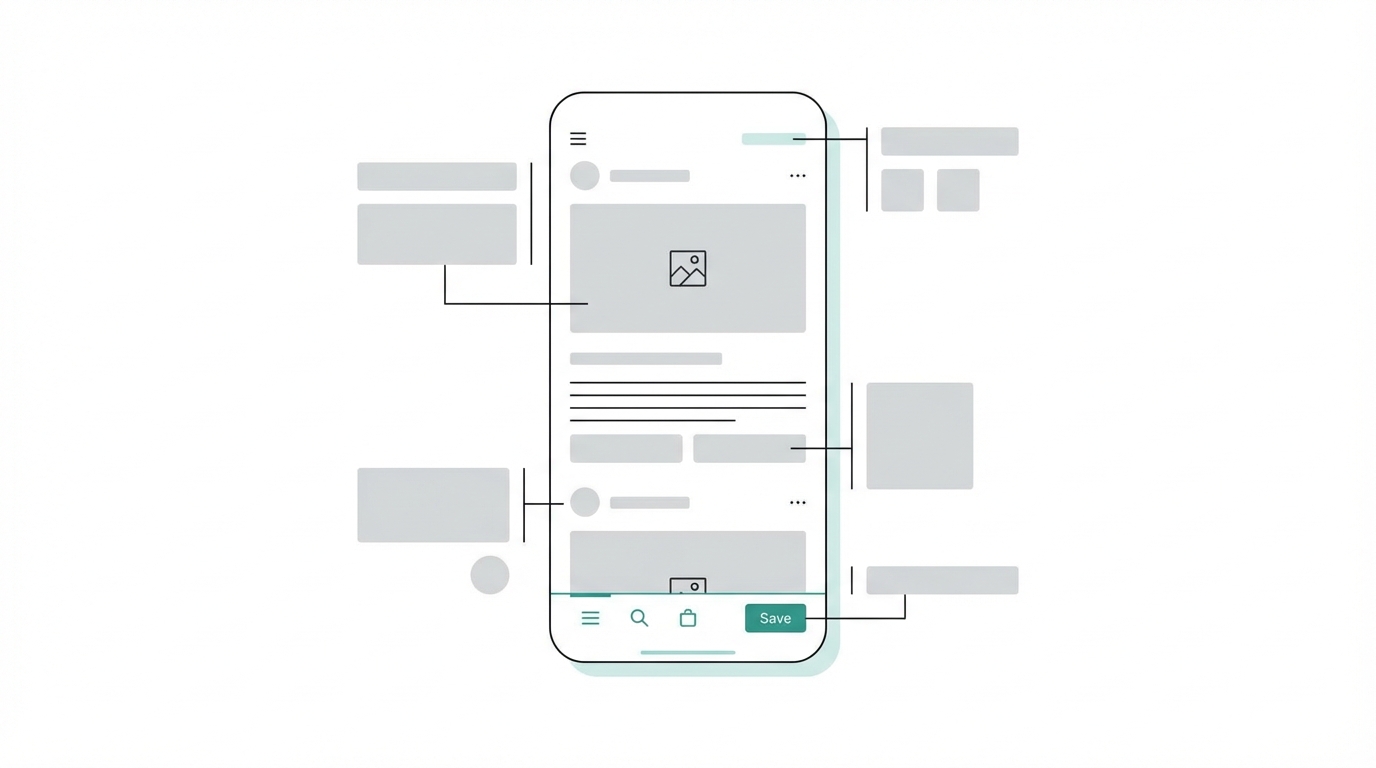
Stop thinking about "full-stack development" during the validation phase. In 2026, the rise of "vibe coding" allows you to build functional prototypes in days rather than months. Tools like Roark, Anything.com, and Vibe Code enable founders to generate mobile interfaces using natural language prompts. This is part of the broader shift toward AI-driven development, where platforms like OpenAI are launching Codex skills—reusable bundles of instructions that help AI agents complete specific tasks more accurately.
Your goal is to build an embarrassingly simple MVP with a three-screen minimum. Focus on the core functionality that delivers the "aha" moment. If you get stuck at the "80% done" mark—a common hurdle for non-developers—consider services that connect you with expert "vibe coders" for quick 15-minute screen-share fixes. This ensures you ship the product quickly rather than getting bogged down in technical debt before you even have a single user.
Step 4: The 30-Day Content Sprint—Testing Your Hooks


Once your MVP is ready, it's time to test the market. Commit to a 30-day content sprint: post at least one video per day for a month, or a minimum of four high-quality videos per week. Use this period to test different marketing angles. One video might focus on the productivity benefits, while another highlights the aesthetic appeal or the ease of use.
You will know you have found product-market fit when the comments section explodes. Pay attention to which hooks result in the highest save and share counts. These metrics are more indicative of long-term success than simple likes. If you find yourself needing to manage multiple content creators or source high-quality user-generated content (UGC) to scale this phase, AI-powered tools like Stormy AI can help you discover and manage creators who fit your niche perfectly, ensuring your viral app marketing remains consistent and effective across multiple accounts.
Step 5: Community-Led Growth—The Power of the Waitlist
Don't wait for the App Store approval to start building your user base. Use Discord, WhatsApp, or an email newsletter to house your "early believers." By creating a waitlist, you transform passive viewers into an engaged community. Share updates about the building process, such as "here is a new feature I just added based on your comments."
This approach builds brand loyalty and provides a pool of beta testers who can provide feedback on the MVP. Using a simple to-do list app like Things can help you manage these community requests and prioritize features that actually matter to your audience. The goal is to have a list of users ready to download the app on day one, giving you an immediate boost in the App Store rankings.
Step 6: The Hard Launch—Converting Virality into MRR
The final step of the startup validation framework is the hard launch. Once you have validated the demand and refined the MVP based on community feedback, finalize the product. Many founders transition from simple builders like Roark to more robust frameworks using cloud code at this stage. It is essential to launch with a hard paywall using tools like Superwall to immediately test the user's willingness to pay.
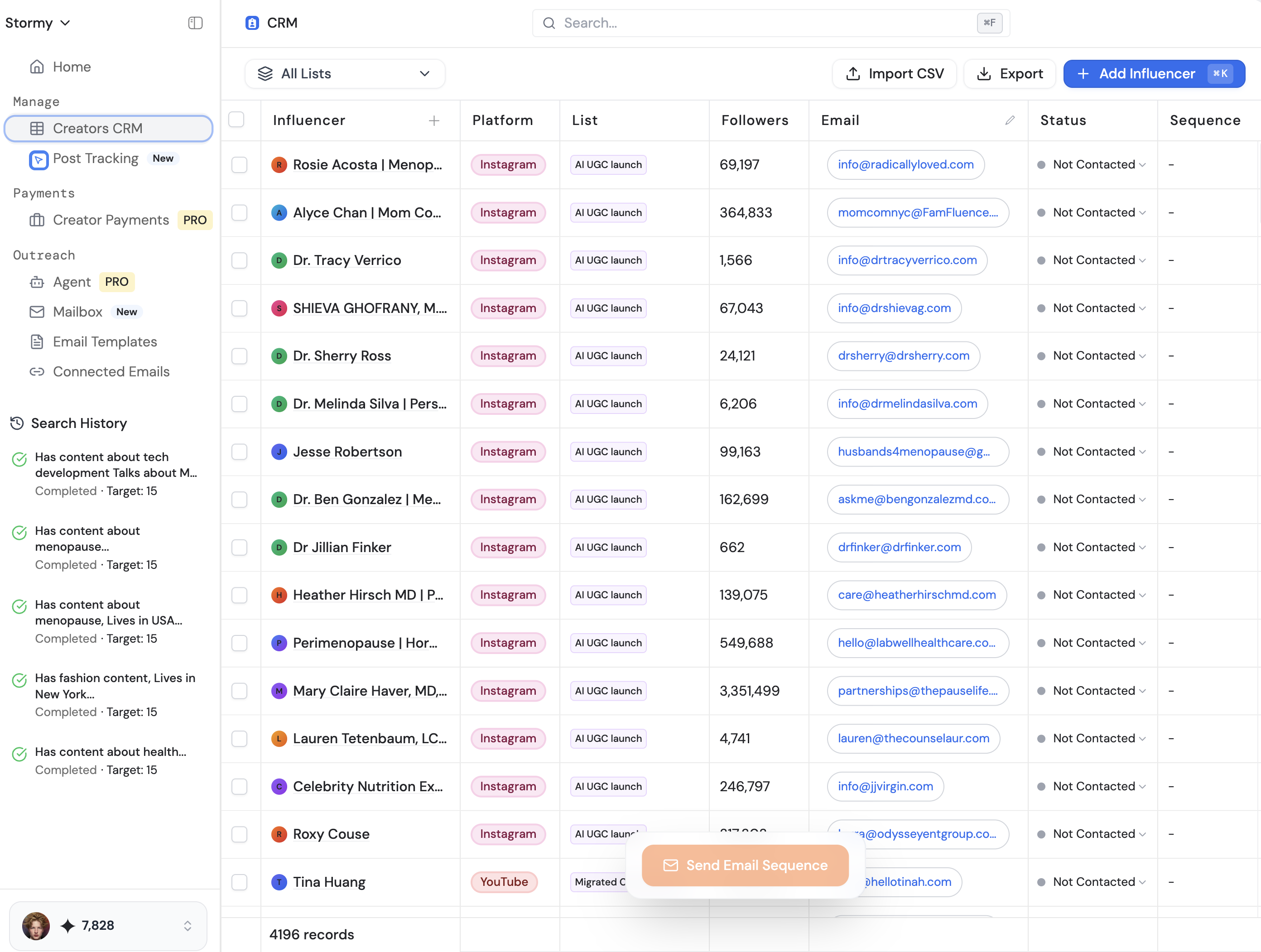
Scale your efforts by continuing the organic content strategy that got you there. At this point, managing your creator relationships becomes a full-time job. Using a creator CRM like Stormy AI allows you to track collaborations, handle creator payments, and monitor post-tracking analytics in one place. This allows you to scale from zero to $10,000 Monthly Recurring Revenue (MRR) purely through organic channels and strategic partnerships, without the massive overhead of traditional Google Ads or Meta Ads spend in the early days.
Conclusion: Validating the Future
The barrier to entry for mobile apps has never been lower, but the barrier to attention has never been higher. By following this 6-step playbook, you move away from the "build it and they will come" mentality and toward a data-driven, social-first validation model. Focus on warming up your accounts, designing for visual impact, building lightning-fast MVPs, and fostering a community. In 2026, the most successful founders won't just be the best coders—they will be the ones who understand how to capture and convert viral attention into a sustainable business.