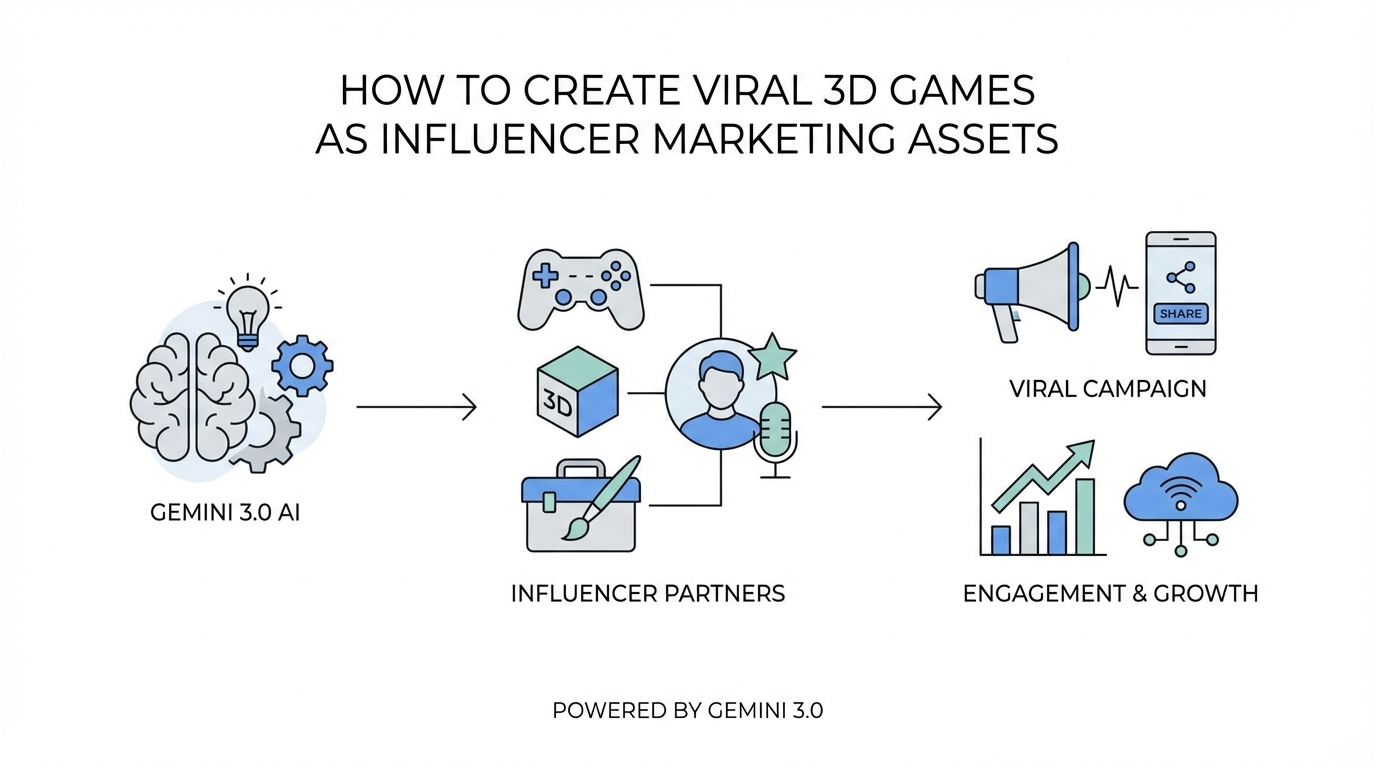
The era of the static social media post is officially ending. As consumer attention spans continue to fracture, brands are finding that traditional video and image content on platforms like TikTok and Instagram is no longer enough to guarantee engagement. The next frontier isn't just watching content—it's playing it. With the launch of Gemini 3.0, the barrier to entry for creating interactive social media content has completely vanished. We are moving into a world of "vibe coding," where a single natural language prompt can generate a fully functional, physics-based 3D game that serves as a high-octane marketing asset.
Why Interactive Gaming Assets Are the New Frontier for Social Media Engagement
For years, influencer marketing assets have been limited to what a creator could film or photograph. But the algorithm favors one thing above all else: dwell time. When a user stops scrolling to interact with a 3D environment or play a quick mini-game, their dwell time skyrockets, signaling to the platform that the content is high-value. This is why AI game development is becoming a secret weapon for modern growth marketers.
Interactive assets turn a passive viewer into an active participant. Instead of simply seeing a new pair of sneakers, the user can play a 15-second "runner" game where they control a character wearing those sneakers. This level of immersion is something traditional Google Ads or static banners can never replicate. By turning your brand's "vibe" into a playable experience, you create a viral loop where the game itself becomes the content people want to share.
Gemini 3.0: The Power of "Vibe Coding" 3D Worlds

The term "vibe coding" was popularized during the release of Gemini 3.0 to describe the process of building complex software through aesthetic and functional descriptions rather than manual syntax. As Logan Kilpatrick highlighted in a recent walkthrough of Google AI Studio, the model's mission is to help you bring anything to life. This isn't just about generating code snippets; it's about generating entire 3D worlds and physics-based simulators from a single prompt.
For marketers, this means you no longer need a team of ten engineers and six months of development time to create a branded game. Gemini 3.0 Pro allows you to vibe code games in real time. Whether it’s a city-builder like "Sky Metropolis" or a physics test involving 20 different ball-bouncing simulators running on Three.js logic, the model understands the sophisticated logic required to make these games functional out of the box. This makes Gemini 3.0 for developers and non-technical marketers alike an essential tool for rapid prototyping.
Step-by-Step Guide: Generating Physics-Based 3D Games in Gemini 3.0
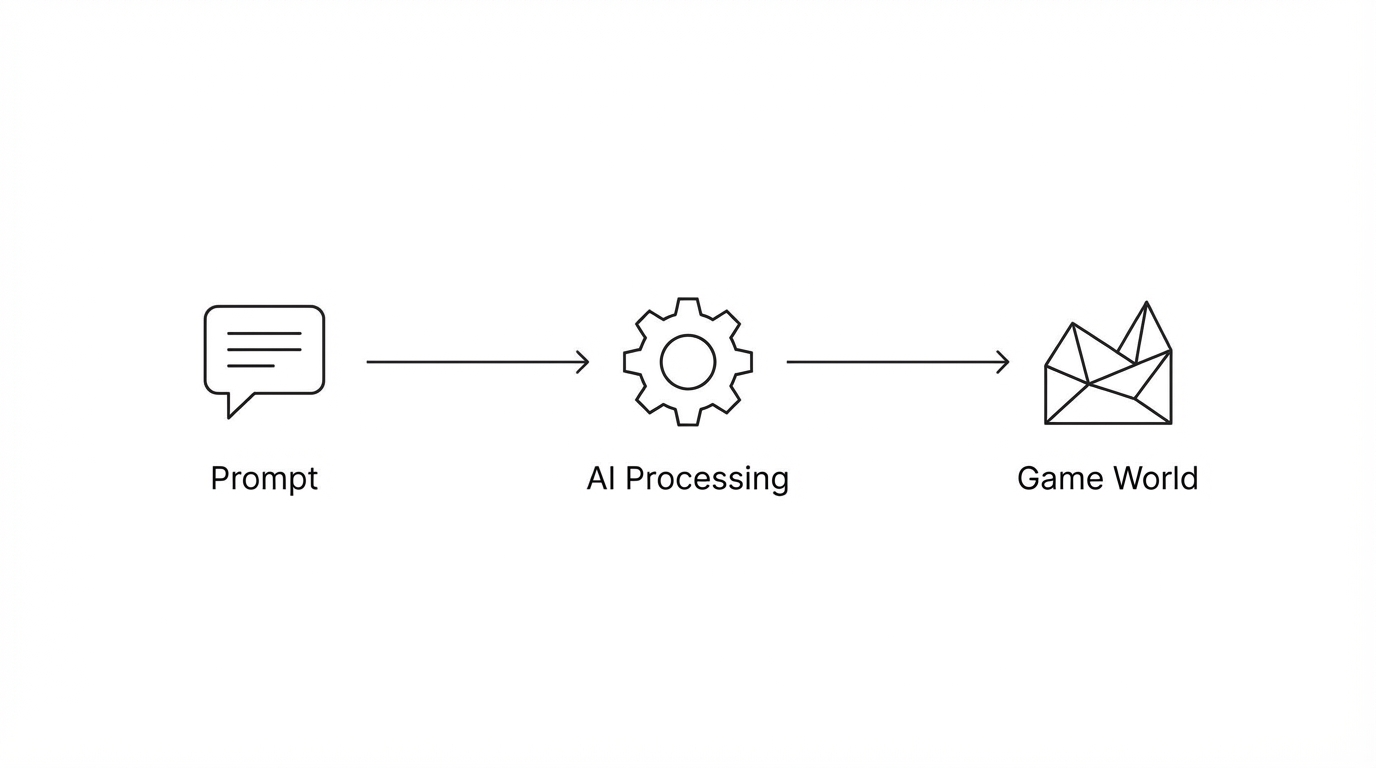
Creating your first interactive asset is surprisingly simple if you follow a structured approach. Here is the playbook for generating a 3D game inside AI Studio.
Step 1: Define the Game Concept and Vibe
Start with a high-level description. Don't just ask for a "game"; describe the aesthetic and the objective. For example: "Build a 3D physics-based runner game where the character is navigating a futuristic neon city. The goal is to collect branded tokens while avoiding obstacles."
Step 2: Use Multimodal Inputs
One of the strongest features of Gemini 3.0 is its ability to process multimodal inputs. You can take a screenshot of a website or an existing UI and tell the model to "clone this UI exactly but turn it into a 3D interactive experience." This is perfect for maintaining brand consistency across your viral marketing tools.
Step 3: Refine with the "Annotate" Feature
If the first generation isn't perfect—for instance, if a button is misplaced or the physics feel "floaty"—you can use the annotate feature. Simply box the area of the UI that needs fixing and provide a natural language instruction like, "this button doesn't work and seems oddly placed." The model will automatically apply the edits to the code base.
Step 4: Add "Smart" AI Features
To truly elevate the game, ask the model to "add five new AI-powered features." This could include dynamic difficulty adjustment, AI-generated dialogue for NPCs, or a personalized leaderboard. This turns a simple game into a smart web app that keeps users coming back.

Branding Vibe-Coded Games for Specific Campaigns
The real magic happens when you tailor these games to a specific brand identity. Imagine you are working with a brand like Lululemon. Instead of a generic runner, you could prompt Gemini to create a "Christmas-themed Lululemon runner" where the character wears the latest winter collection and the environment is a snow-covered mountain trail. This makes the game feel like a bespoke influencer marketing asset rather than a generic template.
Using sites like Idea Browser can help you find trending business concepts or niche markets to target. If you find an idea for a "generational talent matching platform," you can screenshot the concept, drop it into Gemini 3.0, and ask it to build a functional prototype of that business as a game or interactive dashboard. This rapid iteration allows brands to launch interactive social media content that is perfectly timed with current trends or seasonal holidays.
Technical Breakdown: Remixing Existing 3D Templates in AI Studio
For those looking to go deeper, Google AI Studio provides a robust backend where you can manage mock data, service configurations, and Gemini API settings. When you generate a game, you can hover over files like mockdata.ts or GeminiService.ts to get an intuition of how the app is structured. This is invaluable if you are working with a developer who needs to take your "vibe coded" prototype and turn it into a production-ready application.
The pricing for this level of power is also remarkably accessible. Gemini 3.0 Pro is currently free to use within the AI Studio build experience for those bringing new products to life. For larger-scale deployments, the API is priced competitively at roughly $2 per million input tokens, which is often lower than legacy models like GPT-4 or Claude. This cost-efficiency allows for massive experimentation without the heavy overhead typically associated with AI game development.
Best Practices for Distributing AI-Generated Games to Drive Awareness

Once your game is built and deployed, the next challenge is distribution. Influencer marketing assets are most effective when they are placed in the hands of creators who know how to engage their audience. You can have influencers record themselves playing the game, host competitions for the highest score, or even provide a link in their bio for followers to try the game themselves.
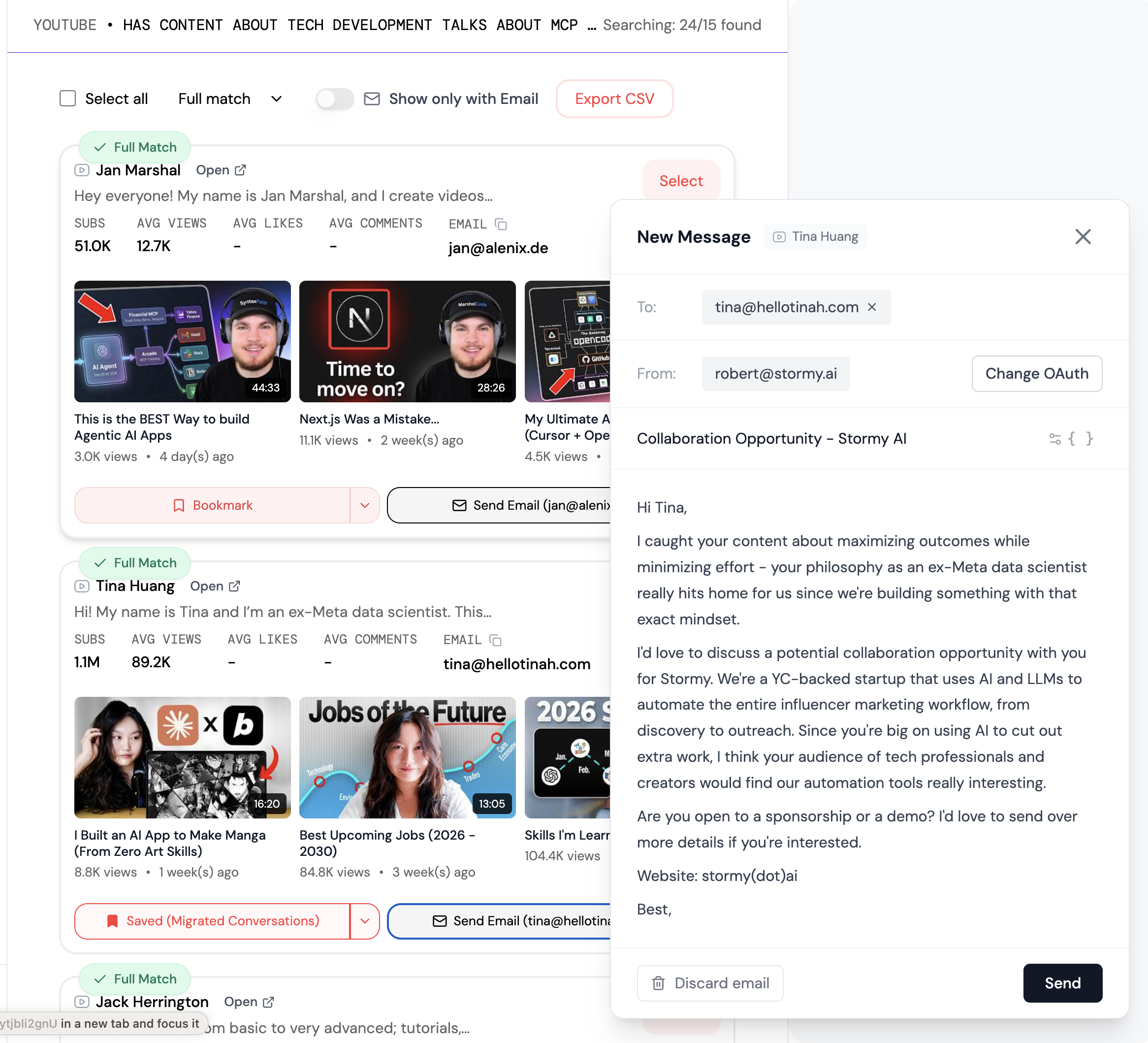
When scaling these campaigns, platforms like Stormy AI can help you discover the right UGC creators who specialize in interactive content. You can use Stormy to search for creators in specific niches and use AI-personalized outreach to invite them to participate in your game-based campaign. Managing these relationships through a Creator CRM ensures that your distribution strategy is as high-tech as the game itself.
For mobile app developers, these games can also serve as a form of App Store Optimization (ASO). By driving high-quality traffic from a viral web game to a specialized landing page or an app store listing, you improve your conversion metrics and organic ranking. Combining the power of Apple Search Ads with a viral interactive asset creates a multi-channel growth engine that most competitors aren't even aware of yet.
Conclusion: Embracing the Playable Future
The transition from static posts to interactive 3D games is not just a trend—it's a fundamental shift in how we consume digital media. Gemini 3.0 has democratized the ability to create interactive social media content, allowing anyone with a clear vision to become a game developer. By leveraging vibe coding, brands can create immersive influencer marketing assets that drive deeper engagement, longer dwell times, and higher brand recall.
Key Takeaways:
- Dwell time is the new currency: Interactive games keep users engaged longer than video or images.
- Vibe coding is accessible: Use Gemini 3.0 Pro in AI Studio to generate full games from simple prompts.
- Iteration is instant: Use multimodal inputs and the annotate feature to refine your UI in real-time.
- Distribution is critical: Partner with UGC creators found via Stormy AI to turn your interactive assets into viral social content.
As you begin your journey into AI game development, remember that the only limit is your ambition. Don't just build a landing page—build an experience that people can't stop playing.