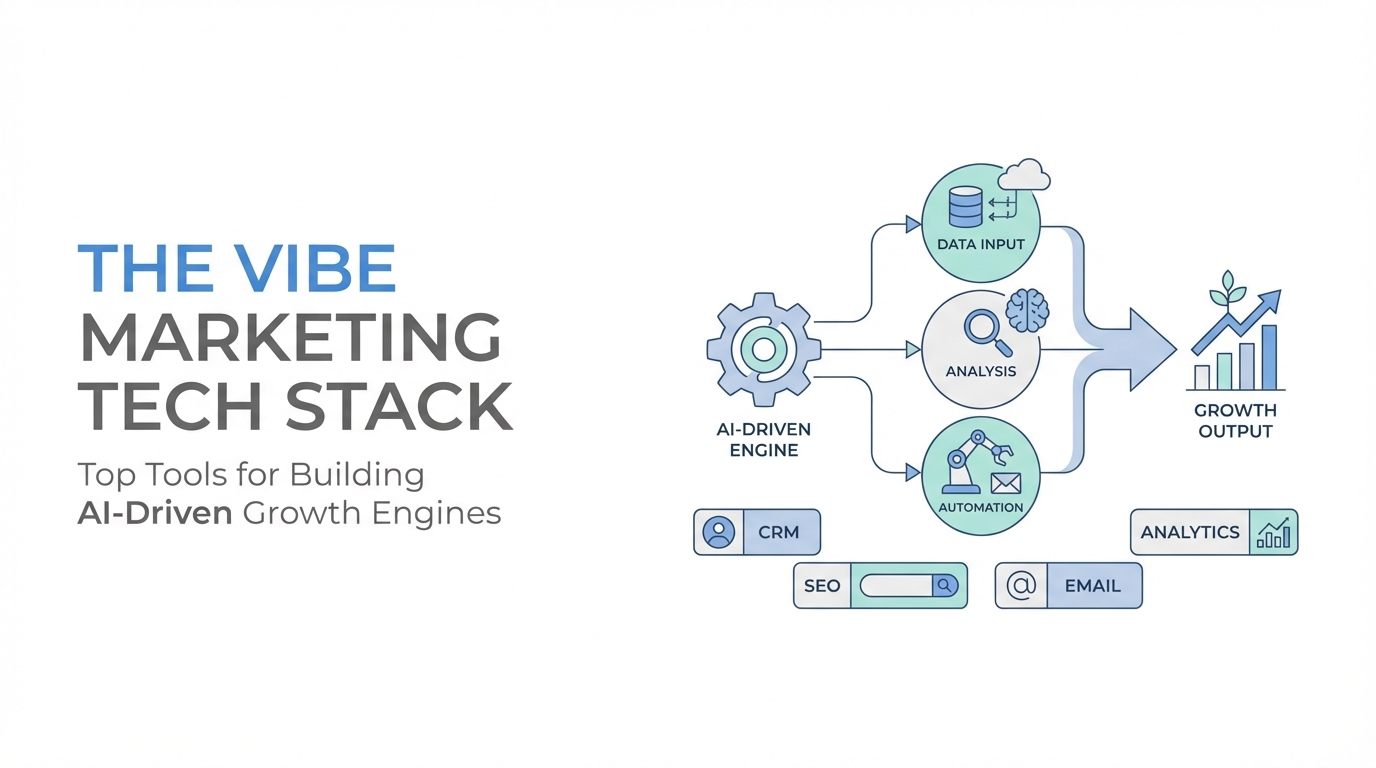
If you have been following the tech world lately, you have likely heard of "vibe coding"—the ability to build software using natural language and AI agents. But a new shift is happening that is even more impactful for brands and startups: vibe marketing. Vibe marketing is the evolution of growth, where a single marketer with great taste uses a sophisticated AI marketing tech stack to orchestrate hundreds of agents. Instead of managing a team of ten specialists, you become the portfolio manager of an automated growth engine. In this new world, marketing resembles high-frequency stock trading: agents work 24/7 to monitor trends, surface opportunities, and deploy personalized micro-interactions in real-time. To survive this transition, you need the right infrastructure.
The Backbone: Workflow Orchestration with n8n, Gumloop, and Lindy
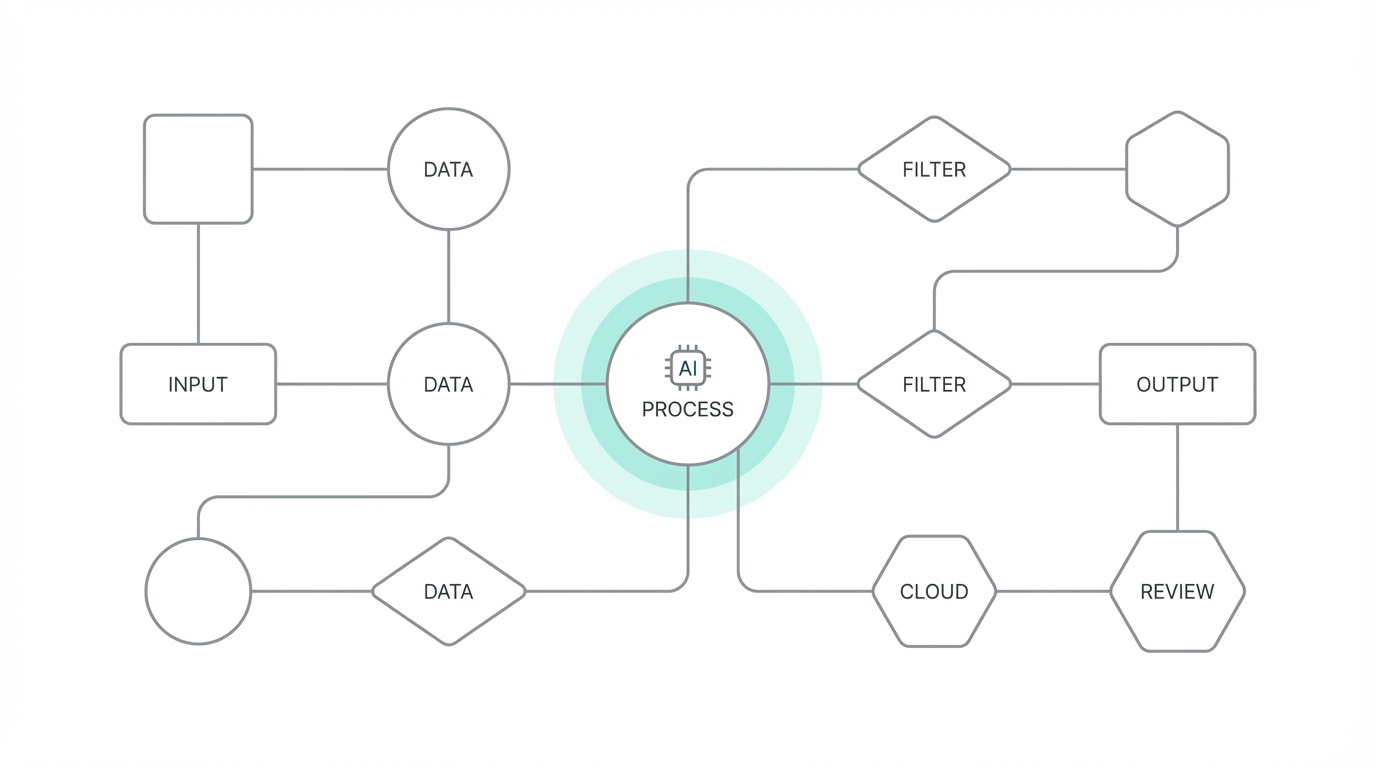

To move from manual tasks to automated systems, you need a "nervous system" that connects your various AI models to your data sources. This is where workflow orchestration tools come in. They allow you to build complex flowcharts that pull data from one place, process it with an LLM, and push it to another. For those looking for n8n for growth hackers, it is the gold standard for technical teams. n8n provides a flexible, self-hosted or cloud-based environment where you can drag and drop nodes to create "agent swarms" that handle everything from lead qualification to social media monitoring.
If n8n feels a bit too technical, Gumloop is the more user-friendly alternative that still offers incredible power. A typical Gumloop tutorial might show you how to scrape a specific subreddit, ask an AI to summarize the top pain points, and then automatically write those insights into a Google Sheet. It provides more guardrails for non-developers while maintaining the ability to process web content at scale. For those who want fully autonomous agents rather than just workflows, Lindy.ai allows you to create AI employees—like a dedicated sales prospector or a recruiter—that operate with high levels of independence.
Vibe Coding: Building Custom Marketing Apps with Replit, Bolt, and Lovable
One of the biggest hurdles in traditional marketing was the cost of building custom tools. If you wanted a personalized landing page for a specific micro-segment or a internal dashboard to track viral trends, you had to wait weeks for a developer. In the vibe marketing model, that cost has collapsed. Using vibe coding tools like Replit, Bolt, and Lovable, marketers can build functional prototypes and apps with simple prompts.
For example, you can prompt these tools to "create a website for new homeowners that helps them subscribe to exclusive content with flexible payment options," and get a working interface in seconds. This allows for hyper-personalized marketing campaigns where the software itself is part of the "vibe." You are no longer limited to what off-the-shelf SaaS tools allow you to do; you can build the exact utility your audience needs to convert. This is the ultimate AI marketing tech stack advantage—the ability to deploy custom software at the speed of a social media post.
Managing the Brain: OpenRouter and the LLM Scorecard
Not all AI models are created equal. Some excel at creative writing, while others are better at deep research or logical reasoning. To manage this without drowning in API keys and high costs, you need OpenRouter. It provides a single API key to access multiple models, from OpenAI's o3 to DeepSeek R1 and Claude 3.7. This is essential for reducing operational costs and ensuring your marketing workflow automation always uses the best "brain" for the specific task at hand.
To maximize efficiency, expert vibe marketers maintain a "model scorecard." For instance, Claude 3.7 is widely regarded as one of the best for maintaining a brand voice and creating human-like blog content. Meanwhile, models like Perplexity Sonar are better for deep research tasks. By using OpenRouter, you can switch between these models dynamically within a single workflow in n8n or Gumloop, ensuring that your automated newsletter or sales outreach always has the highest possible quality.
AI Strategy: Using Manus as a McKinsey-Level Analyst
Vibe marketing isn't just about execution; it is about high-level strategy. Tools like Manus act as a designer, strategist, and McKinsey-level analyst rolled into one. You can feed your entire marketing presentation or funnel design into Manus, and it will audit the logic, suggest better angles, and help you think through the customer journey. It allows a solo founder to have the strategic depth of a much larger agency by using AI to stress-test ideas before they are automated into a workflow.
Pixar-Level Content: Sora, ElevenLabs, and Kling AI
The visual landscape of social media is shifting from "AI slop" to high-fidelity, cinematic content. There is a massive arbitrage opportunity right now for brands that can produce "Pixar-level" content while competitors are still using stock photos. By integrating Sora or Kling AI for video generation with ElevenLabs for hyper-realistic voiceovers, you can create immersive video ads that stop the scroll. This content can be generated as part of an automated loop—where trending topics are identified by a scraper and immediately turned into high-quality video assets for TikTok or Instagram.
The Vibe Marketing Playbook: A Step-by-Step Workflow
To build your own growth engine, follow this marketing workflow automation playbook to create a system that works while you sleep.
Step 1: Identify Validated Ideas
Use n8n or Gumloop to search specific subreddits or YouTube channels in your niche. Extract the themes and pain points from the most popular comments and discussions to find what actually resonates with your target audience.
Step 2: Generate Content Angles
Feed those pain points into an LLM (like Claude 3.7 via OpenRouter) to generate psychologically powerful hooks, outlines, and content briefs. Instead of one idea, generate 50 variations to test against different segments.
Step 3: Source and Manage Creators
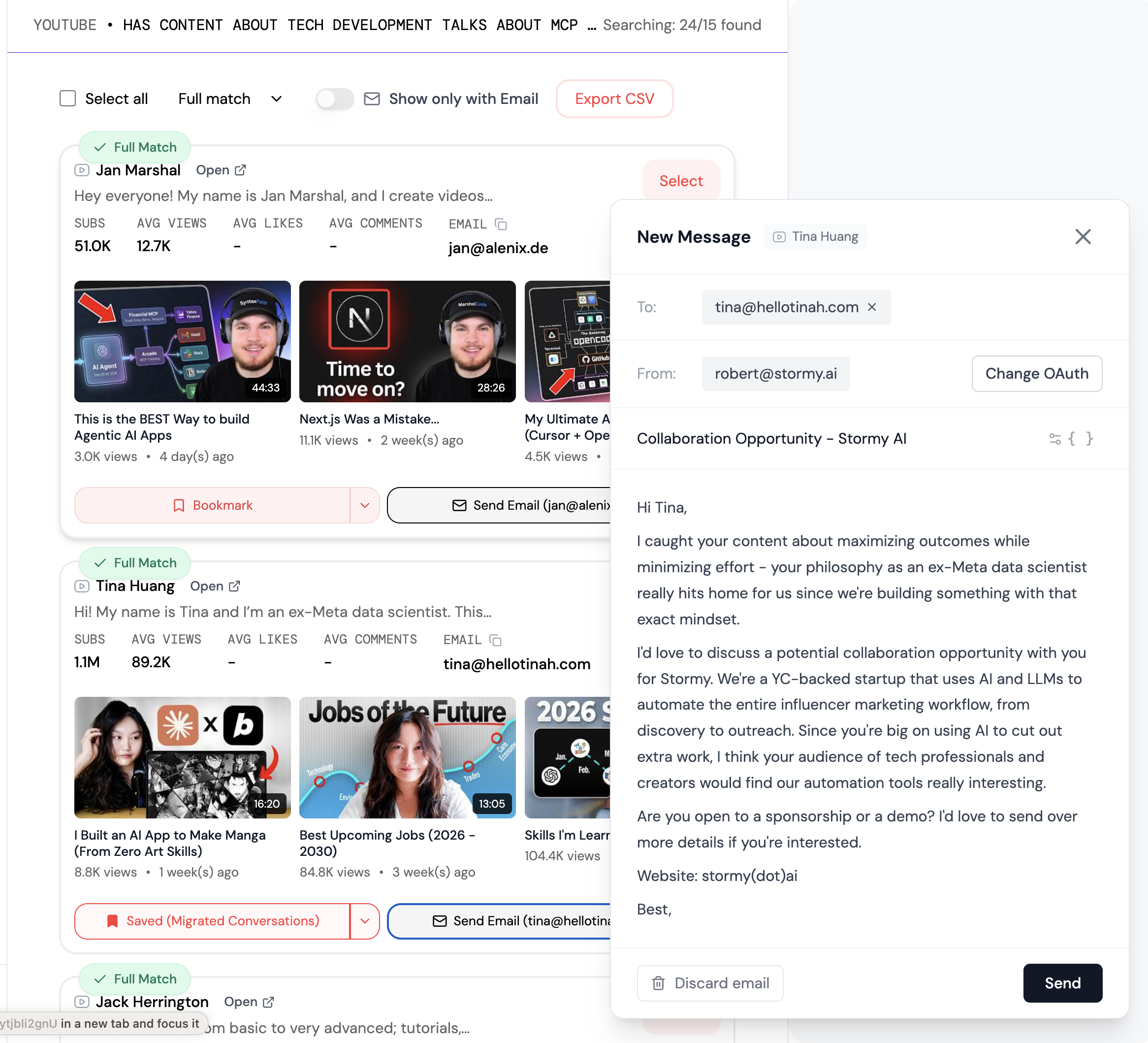
For physical products or mobile apps, you need human faces to drive trust. Platforms like Stormy AI can help source and manage UGC creators at scale by using AI to find the perfect influencers and automating the outreach process. This ensures your high-tech stack still has a high-touch human element.
Step 4: Execute and Distribute
Push your generated briefs to your creation tools (like Sora for video or Midjourney for images). Once the assets are ready, use automated schedulers to distribute them across LinkedIn, X, and YouTube. Store all the results in a Google Sheet to analyze which "vibe" is converting the best.
The Future of the Growth Engine: From Executor to Orchestrator
The transition to vibe marketing means that adding a new marketing channel will no longer require hiring a new person; it will simply require deploying a new agent. In the next 12 to 18 months, we will see interconnected AI systems with shared context, managed by human experts who set the goals. Instead of doing the work, you will tell your agents, "I need 50,000 new organic visitors this month, go figure out the best path to get there."
To succeed as a vibe marketer, you must think in systems, not campaigns. You must be willing to test relentlessly—not just two ads, but hundreds of variations every single day. The best AI tools for marketing are the ones that allow you to front-load value, build once, and distribute forever. Whether you are building an AI-driven newsletter or an automated sales machine, the goal is to let the machines handle the repetitive tasks so you can focus on the taste, the strategy, and the "vibe" that makes your brand unique. Start playing with these tools today, even for just 30 minutes a day, and begin building your own autonomous growth engine.