Marketing is undergoing a fundamental shift from logical, feature-based selling to what industry insiders call "Vibe Marketing." Originally inspired by OpenAI co-founder Andrej Karpathy's concept of "vibe coding," this strategy focuses on emotional resonance, cultural aesthetics, and high-velocity execution. According to Exploding Topics, search interest in vibe marketing has surged by 686% over the last 12 months, signaling a massive departure from traditional advertising. Today, the marketer acts as a "pilot" rather than a technician, steering AI tools to manifest a brand's intention into a living, breathing digital identity. This playbook will explore how to master your short form video strategy and capitalize on creator economy growth using cutting-edge tools like HeyGen and Opus Clip.
The Power of 'Unhinged' Marketing: Lessons from Duolingo and Liquid Death
The rise of unhinged marketing has proven that authenticity—even when chaotic—is the ultimate currency for Gen Z and Millennial audiences. Brands are no longer just corporate entities; they are personified mascots that build parasocial relationships with their followers. As noted by Jumper Media, personifying a brand through a chaotic mascot helps break through the noise of a crowded feed. Take Duolingo, for example. By leaning into the "unhinged" persona of their mascot, Duo, the brand achieved an average engagement rate of 4.03% on TikTok, according to data from Brand24. They aren't selling language lessons; they are selling a vibe that people want to be a part of.
Liquid Death, the canned water company, serves as another masterclass in this space. By treating their brand as an "entertainment machine" rather than a beverage company, they grew revenue from $130M to $263M in a single year, as reported by the CMO Alliance. Their CEO, Mike Cessario, argues in The Harris Poll that true disruption comes from triggering true curiosity. If you can make someone curious enough to ask questions, the conversion follows naturally. This is the bedrock of ugc marketing 2025: creating content that feels like it was made by a friend, not a department.
"People love brands with personality. Too many brands are scared to step out and grab one, but the ones who do it well reap the benefits." — Professor Matt Williams, William & Mary
The VIBE Framework: A Strategic North Star
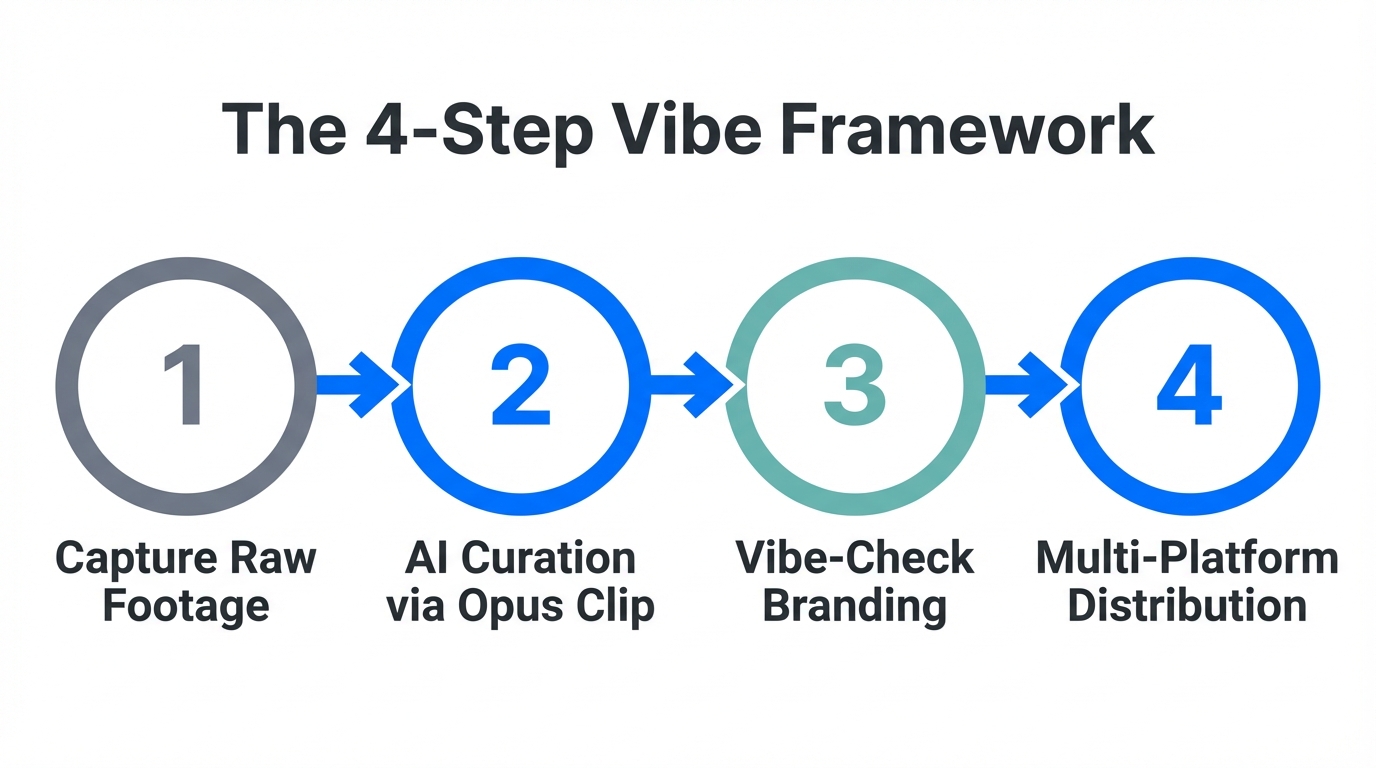
To implement this at scale, brands are adopting the VIBE acronym, a framework popularized by Averi AI. This framework helps move beyond static playbooks and into adaptive loops that respond to culture in real-time. Understanding these four pillars is essential for any video distribution strategy aimed at longevity in the creator economy.
| Pillar | Definition | Actionable Goal |
|---|---|---|
| Velocity | Speed of culture. | Responding to trends within hours, not weeks. |
| Identity | Aspirational design. | Using mood-based visuals over product specs. |
| Boundaryless | No silos. | Content, commerce, and community blended into one. |
| Emotions First | Feeling over logic. | Prioritizing emotional truth to drive resonance. |
As Zappi highlights, Marc Pritchard of P&G stresses that "human truth" is where the best brand ideas are born. While behavior is measurable, the emotional connection is what makes content truly viral. Brands that successfully navigate this framework see massive efficiency; AdAmigo reports that brands using AI-powered vibe workflows see an 81% reduction in campaign creation time and significantly lower production costs.
Scaling spokespeople with HeyGen: The Future of Personalized Video
One of the biggest hurdles in creator economy growth is the bottleneck of human production. However, tools like HeyGen are changing the game by allowing brands to create hyper-personalized spokesperson videos at scale. Instead of booking a studio and a film crew every time you need a new ad, you can use AI avatars to deliver messages that feel atmospheric and cinematic. This shift allows you to sell a mood rather than just a feature list, which is critical since 70% of consumers are more likely to buy from brands they feel emotionally connected to, according to DemandSage.
Using HeyGen effectively involves three main steps:
- Avatar Selection: Choose an avatar that fits your brand's specific "vibe brief." Use Midjourney to create visual mood boards that guide this selection.
- Scripting for Vibe: Use ChatGPT to draft scripts in a non-corporate, human-centric voice. Avoid the "professional" trap; speak like your audience speaks.
- Atmospheric B-Roll: Pair your AI spokesperson with cinematic visuals from tools like Runway to enhance the emotional texture of the video.
This approach allows for a level of hyper-personalization that was previously impossible. Imagine sending a personalized video to a specific segment of your audience that mentions their interests or recent cultural events. This is the level of engagement required for ugc marketing 2025. To find the right creators to model these AI avatars after, modern AI-powered platforms like Stormy AI streamline creator sourcing and outreach, ensuring your "vibe" is backed by the right faces and voices.
"True disruption comes from creating an emotional environment where the product is the souvenir of the experience, not the experience itself."
Content Repurposing: Turning One High-Production Video into 15+ Clips
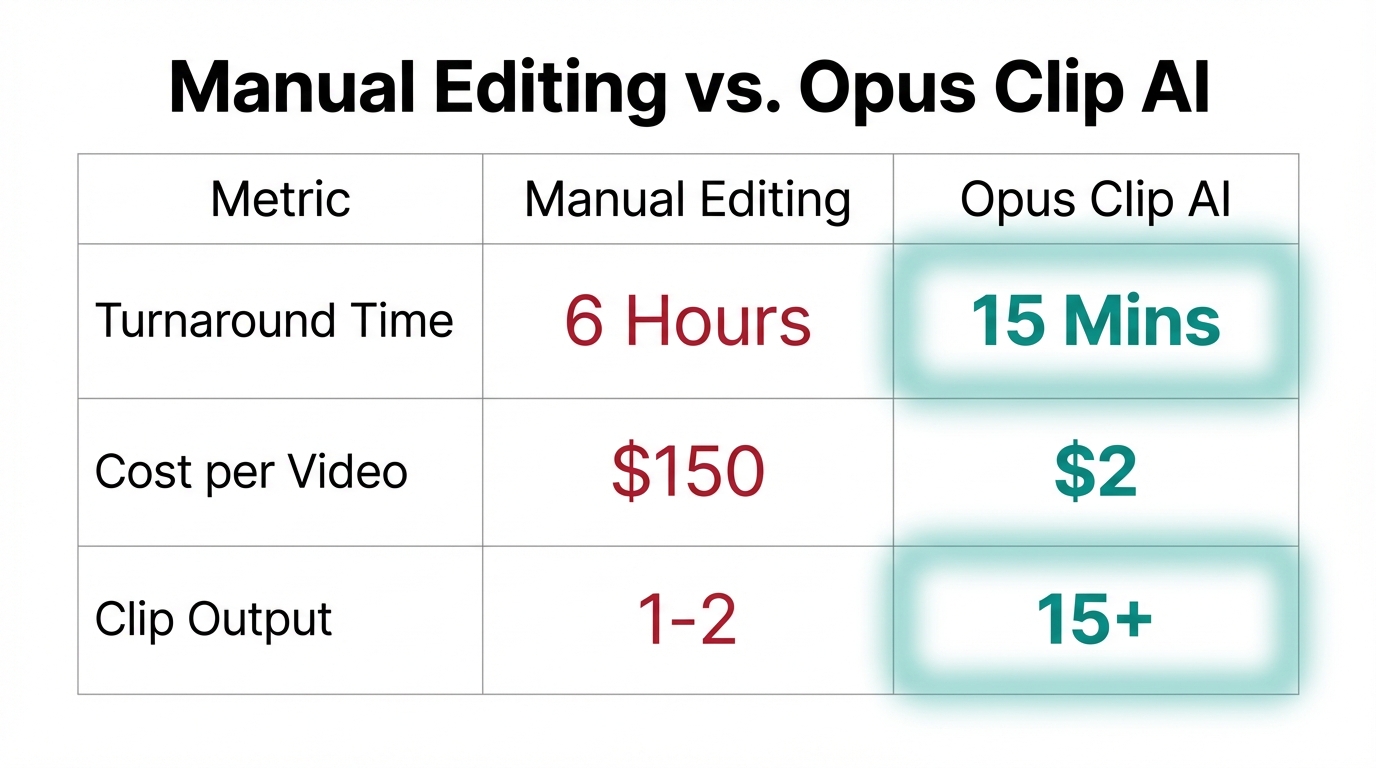
A successful video distribution strategy isn't about creating 15 different videos; it's about creating one great piece of "vibe-heavy" content and repurposing it intelligently. This is where Opus Clip becomes your most valuable asset. The tool uses AI to identify the most viral-worthy moments in a long-form video and automatically crops them for TikTok, Reels, and YouTube Shorts.
The role of the marketer here shifts from creator to "Pilot." As MarTech suggests, you are now guiding AI agents to handle the "messy execution" of resizing, subtitling, and hook-optimization. By automating these technical tasks, you can focus on the creative intention. For small businesses, this strategy has led to a 38% boost in engagement rates, according to MantyWeb, as it allows for a higher volume of quality posts without increasing the workload.
When using Opus Clip, remember to:
- Focus on the Hook: Ensure the AI selects moments with high emotional impact in the first 3 seconds.
- Custom Branding: Apply your brand's unique sonic branding and visual overlays to ensure the clips don't look generic.
- Platform Specificity: Use TikTok Ads Manager data to see which hooks are performing best and double down on those styles.
Sonic Branding: The Primary Differentiator of 2026
Visuals are only half the battle. As we look toward 2026, sonic branding—the use of specific sounds, music, and voice to define a brand—will become a primary differentiator. Research from VIZIT indicates that brands are moving beyond logos and into the realm of "sensory branding." Spotify’s AI DJ is a prime example of this; by using voice cloning and hyper-personalization, they create a daily "vibe" for users that significantly increases retention, as noted in the Spotify Newsroom.
For DTC brands, this means choosing a specific "sound palette" that accompanies every short-form video. Whether it's the specific way a can opens (like Liquid Death) or a signature lofi beat, these audio cues trigger emotional attachment. If you are working with creators, ensure your briefs include specific audio requirements. Using a tool like Stormy AI can help you discover creators who already fit your brand’s sonic aesthetic, making the collaboration feel much more natural and less forced.
Measuring Success: Shifting from Vanity Metrics to Sentiment
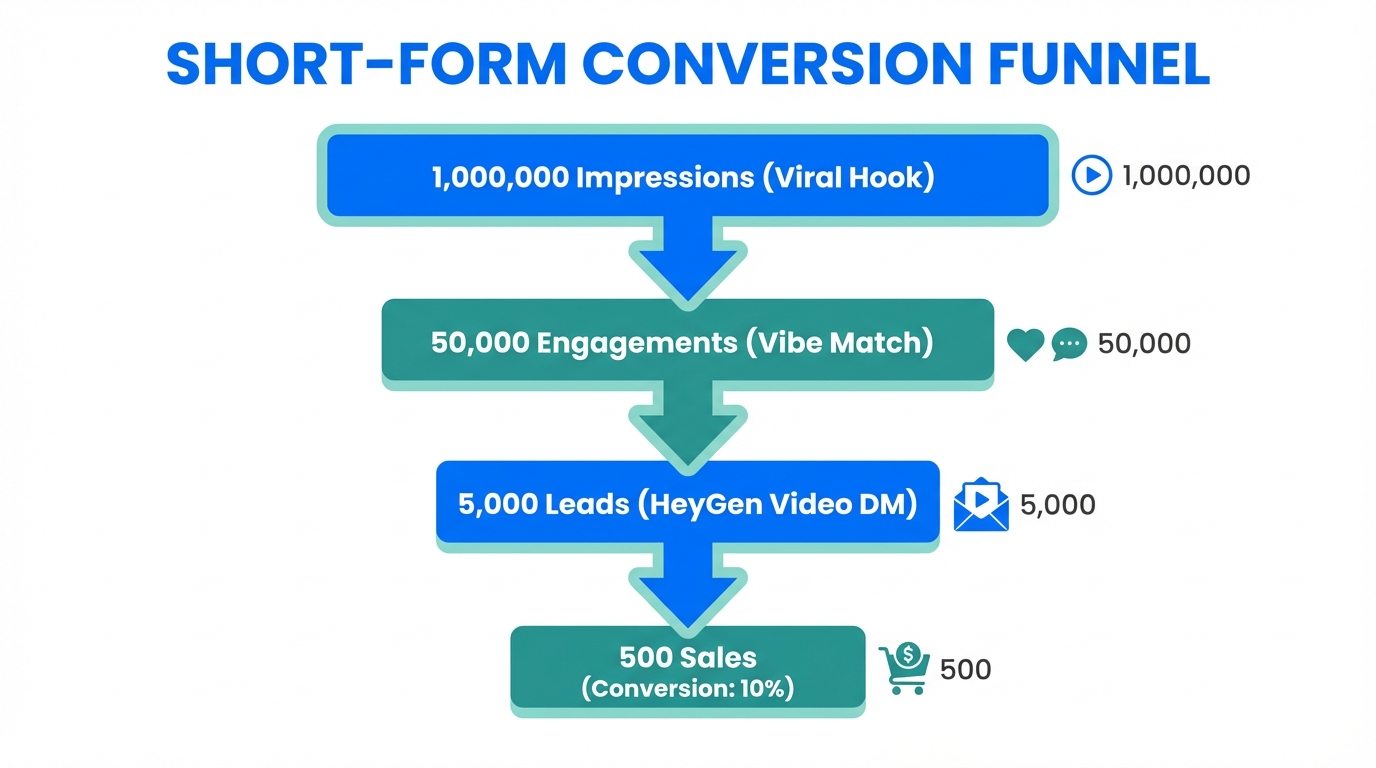
One of the most common mistakes in vibe marketing is focusing on the wrong KPIs. Vibe.co warns that vanity metrics like likes and views often mask the true health of a brand. Instead, marketers should focus on sentiment analysis and community growth. Are people talking about your brand in a way that aligns with your intended vibe? Are they using your mascot in their own content?
Glossier, for instance, built a $2B empire through community-led growth. According to Enrich Labs, 70% of their online sales come from peer referrals. They didn't just measure clicks; they measured the strength of the community bond. To avoid the trap of "trend-chasing without identity," which Persistence Market Research notes can confuse your audience, you must ensure every video aligns with your core identity, even if it follows a viral trend.
"The key insight: Your brand's 'vibe' is the sum of every interaction. If you can't measure the feeling, you're missing the forest for the trees."
Conclusion: Building Your Vibe Machine
Scaling a vibe-based brand in 2025 requires a blend of human intuition and AI acceleration. By leveraging tools like HeyGen for spokesperson scaling and Opus Clip for distribution, you can maintain a high-velocity presence on every major platform. However, remember the warning from Project Seven: AI slop kills trust. Always keep a human in the loop to ensure your short form video strategy remains authentic and culturally relevant. Authenticity is not a toggle; it is a commitment to showing up as a real person—or a real unhinged mascot—every single day. As you source the talent and creators needed to fuel this machine, remember that the right partnership is just a search away on Stormy AI, where you can find and vet the creators who truly embody your brand's unique energy.