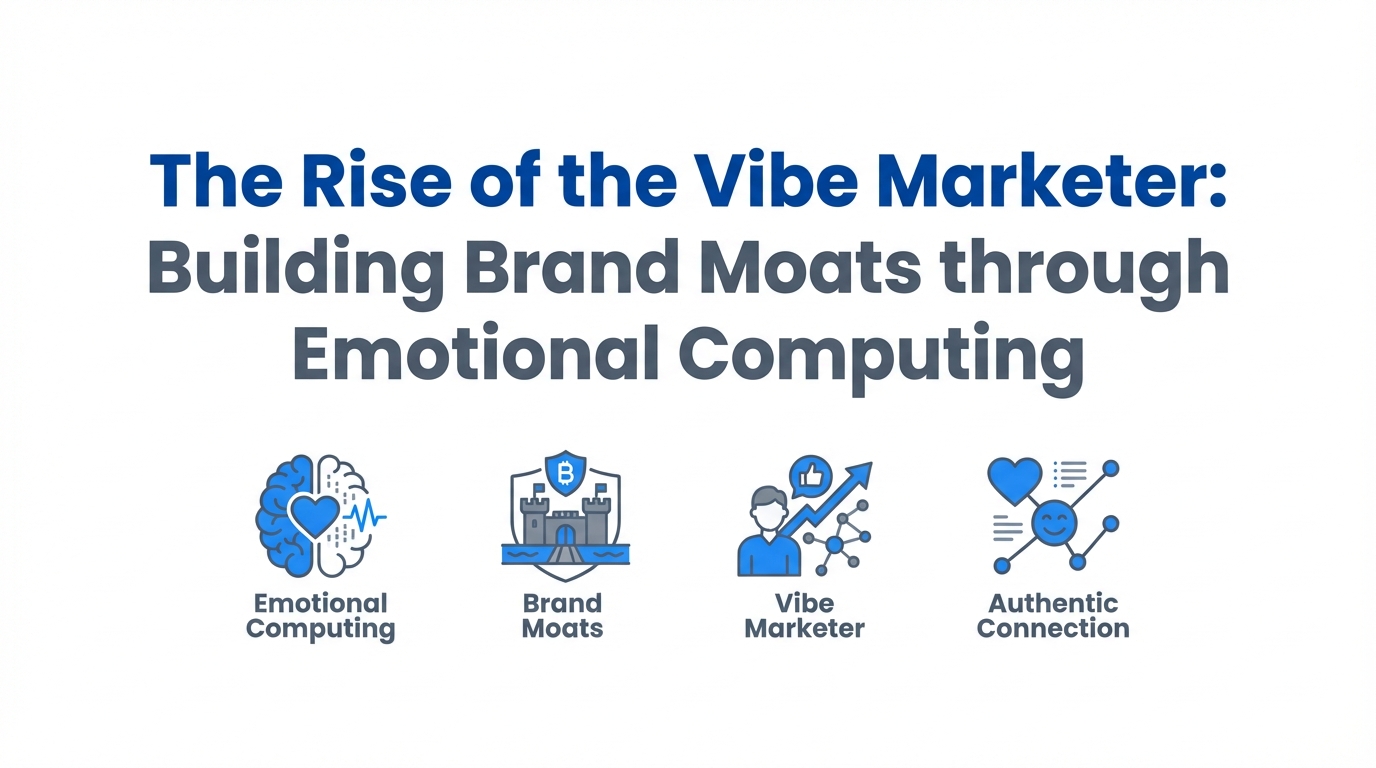
For decades, the wall between the "creative" and the "technical" in marketing was built of solid brick. Marketers dreamed up the campaigns, and developers spent months—sometimes quarters—trying to bring them to life. But in 2025, that wall has crumbled. We are witnessing the birth of the Vibe Marketer, a new breed of growth professional who uses AI-native coding tools like Cursor and Replit to bypass traditional bottlenecks and build emotional moats around their brands. By leveraging what experts call "affective computing" and "vibe coding," these marketers are no longer just producing content; they are orchestrating entire systems and high-frequency marketing campaigns that resonate with cultural trends in real-time.
Defining the Vibe Marketer and the Philosophy of the Vibe
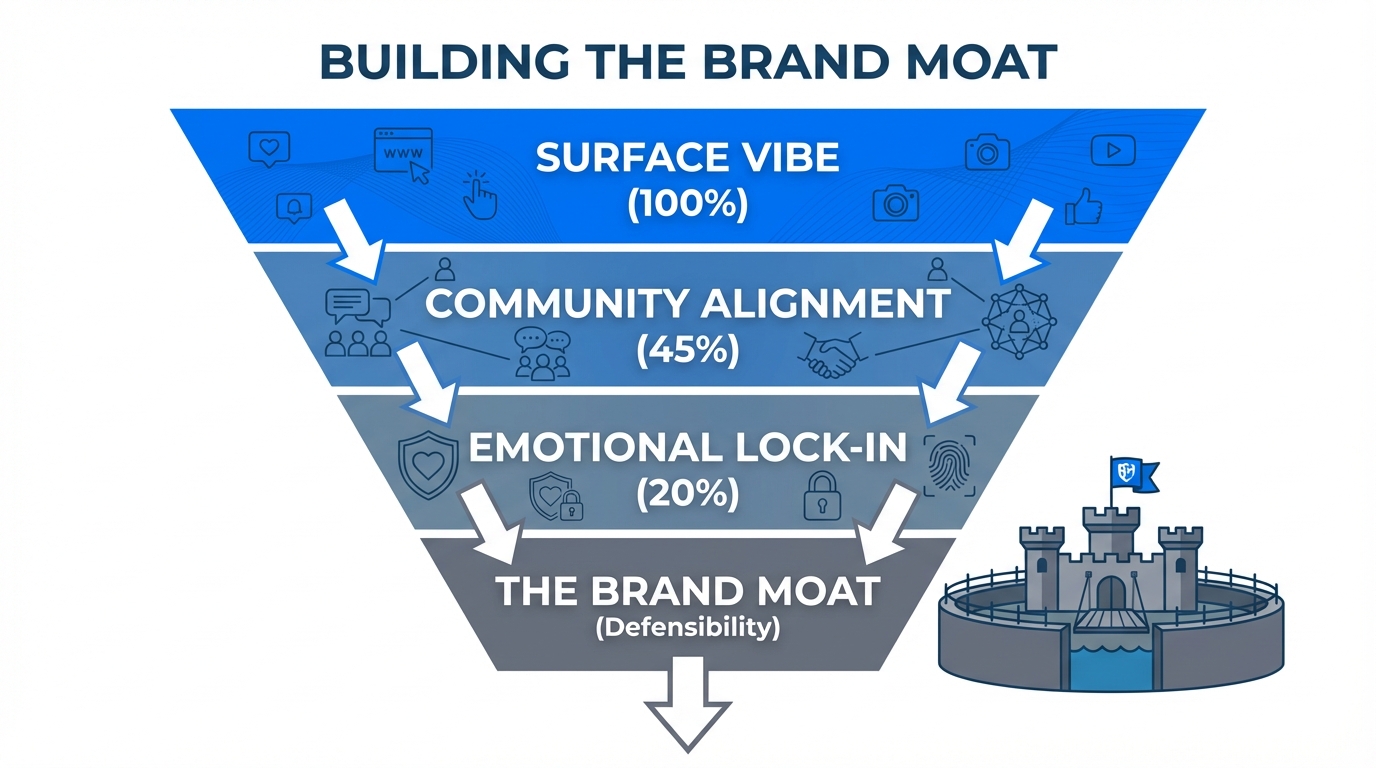
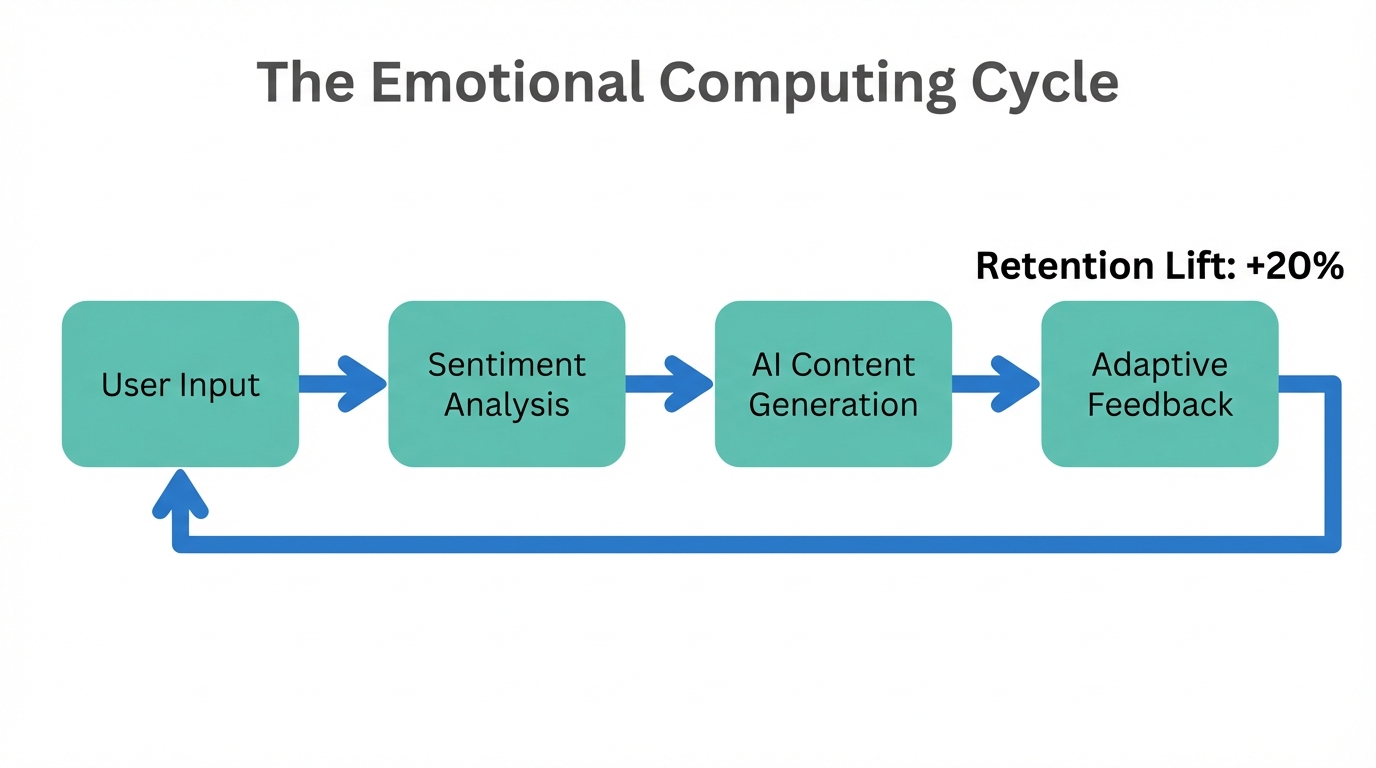
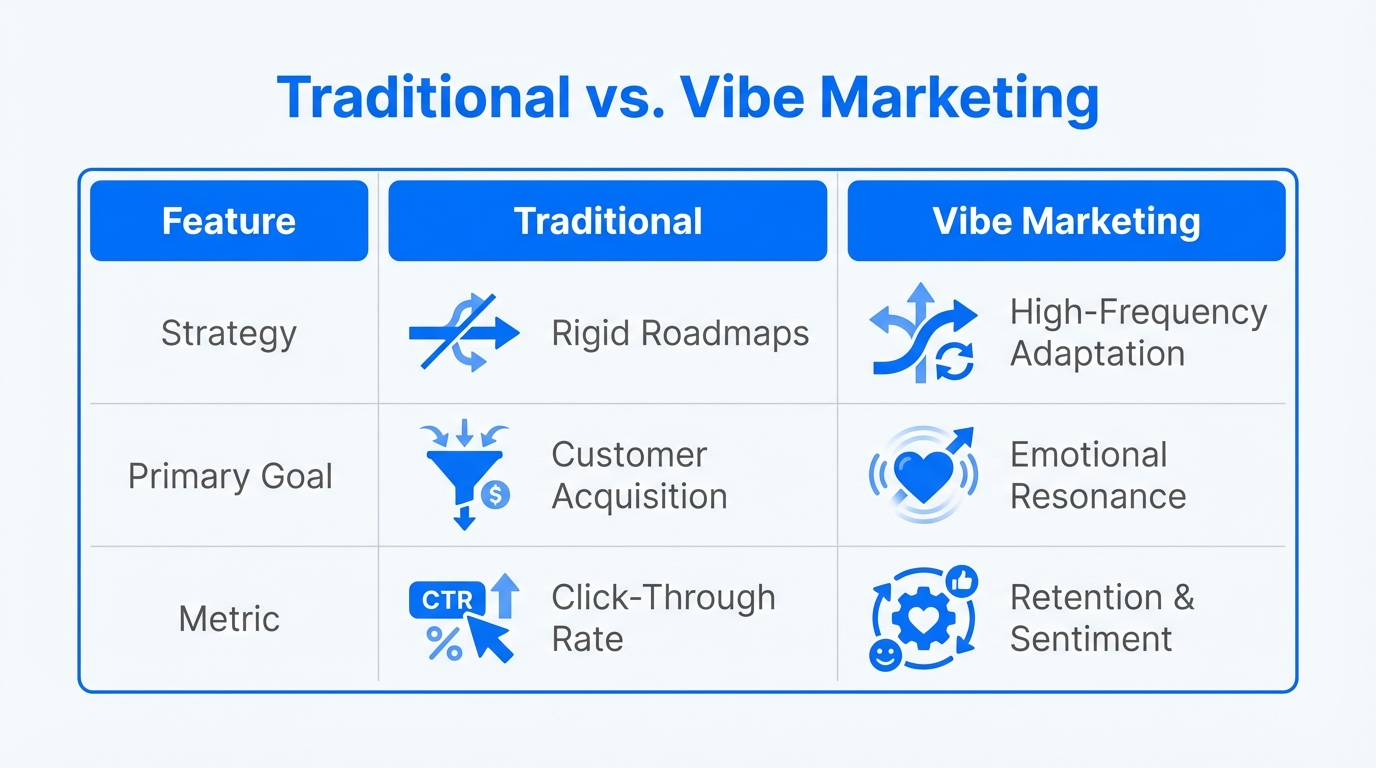
The term "vibe coding" was popularized by former Tesla AI Director Andrej Karpathy, describing the ability to build functional software simply by describing the desired outcome in natural language. In a marketing context, vibe marketing (a concept championed by Greg Isenberg) represents a shift from static brand guidelines to fluid, high-frequency emotional resonance. Searches for the term have skyrocketed by 686% recently, signaling a fundamental change in how brand building for startups is approached.
Traditional marketing relies on consistency and long-term planning, often managed through legacy systems like impact.com or Julius. Vibe marketing, however, thrives on high-speed technical iteration and cultural speed. It’s about capturing a feeling—a "vibe"—that is often better expressed through creators and influencers than a corporate logo. To scale this, modern growth teams use platforms like Stormy AI to discover creators who naturally embody the brand's aesthetic through AI-powered natural language search. By integrating these influencers into a Shopify or Stripe-powered ecosystem, brands create a seamless path from emotional connection to conversion. Today's vibe marketer utilizes tools like Claude for strategy and CapCut for rapid content deployment on TikTok and Instagram, ensuring that the brand moat is built not just on software, but on genuine human connection.