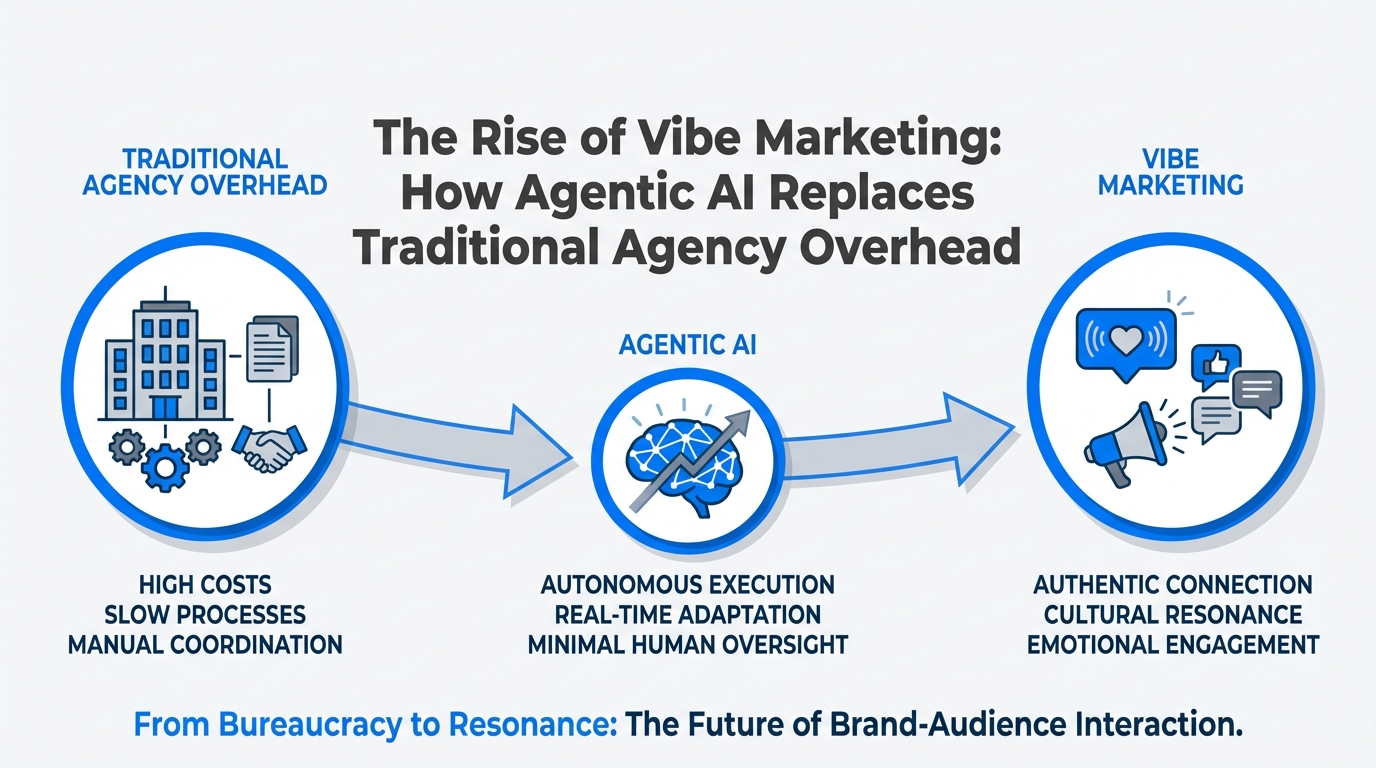
In the high-stakes world of performance marketing, the traditional agency model is facing a quiet but violent disruption. For decades, scaling a marketing team meant hiring a phalanx of account managers, data analysts, and copywriters. But in 2025, a new philosophy has emerged: Vibe Marketing. This isn't about aesthetics; it's about a lean marketing strategy where high-speed AI agent chains replace tens of thousands of dollars in monthly retainer fees. By moving from "Chat AI" to "Action AI," entrepreneurs are now executing enterprise-level campaigns directly from their terminals.
Defining 'Vibe Marketing': The Lean Agency Revolution
Vibe Marketing is the practice of using lean teams and Command Line Interface (CLI) tools to execute complex global campaigns that previously required a 50-person department. According to Primal, 78% of organizations have already integrated AI into at least one business function, with marketing leading the charge. But the leaders in this space aren't just using chatbots to write captions.
The core of this shift lies in Agentic AI. Unlike standard generative AI, which requires constant prompting, agentic workflows can "think" through a multi-step goal. For example, instead of asking an AI to "write an ad," a Vibe Marketer tells a tool like Claude Code to "audit the last 30 days of Meta spend, identify the three worst-performing audiences, and reallocate that budget to the highest-converting lookalike groups." This transition to "Action AI" is transforming marketing workflows from passive advice into active execution, as detailed by Stormy AI.
Agentic Workflows vs. Traditional Agencies
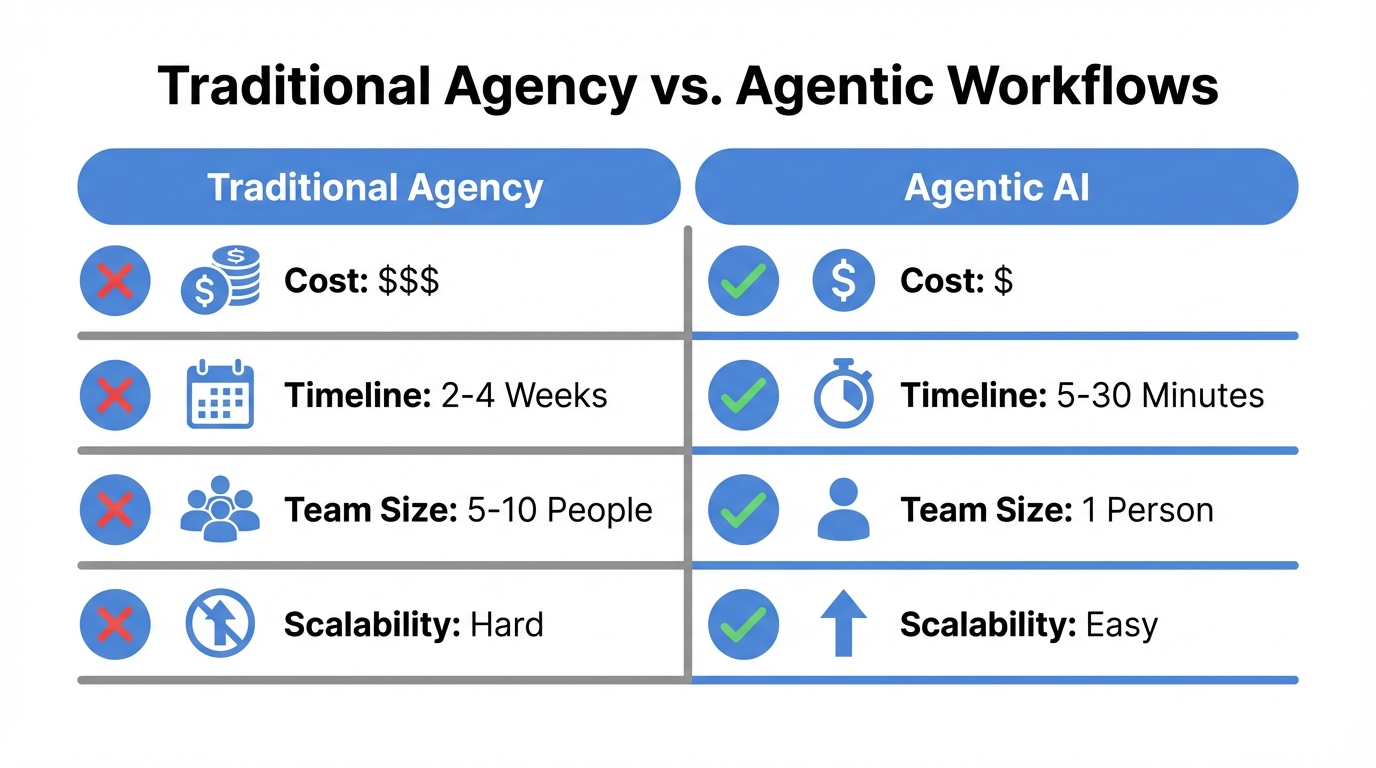
To understand why this is happening now, we have to look at the efficiency gap. Traditional agencies often struggle with latency—the time it takes for a data point to be recognized, analyzed, and acted upon. In contrast, agencies using Claude Code sub-agents report a 75% reduction in time spent on repetitive tasks like keyword research, according to research from Digital Applied.
| Feature | Traditional Agency | Agentic AI (Vibe Marketing) |
|---|---|---|
| Response Time | 24-48 Hours | Real-time / Instant |
| Monthly Cost | $5,000 - $20,000+ | $20 - $500 (API costs) |
| Data Accuracy | Prone to human error | High (Technical verification needed) |
| Scalability | Requires more hires | Unlimited (Add more agents) |
While the benefits are clear, there is an "Error Gap" to monitor. A Search Engine Land study found a 20% average error rate in AI-generated PPC advice. This is why the modern entrepreneur must act as a "Vibe Coder"—someone who doesn't necessarily write the code but understands how to direct and verify the AI agent's output.
"The future belongs to the 'Vibe Coder'—the marketer who uses AI agents as a force multiplier to do the work of an entire department from a single terminal window."
The Playbook: Building a Custom 'PPC Audit' Agent
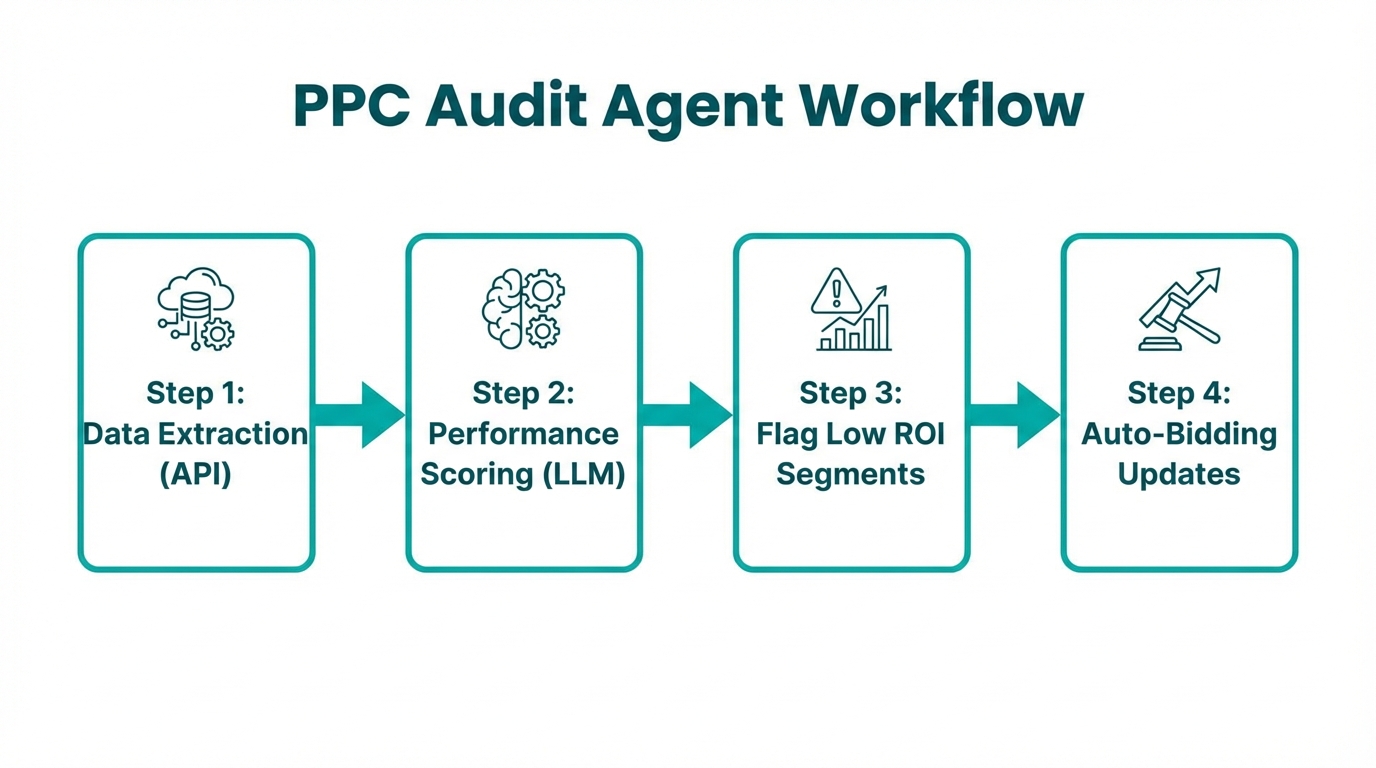
The most powerful application of entrepreneurship AI tools today is the automated audit. Instead of paying a consultant $2,000 for a one-time review, you can build a skill that performs 190+ checks across Google and Meta. This is made possible by the Claude Ads GitHub project, which provides a framework for running parallel audits.
Step 1: Setting Up Your Environment
First, you must install the Claude Code CLI. This allows Claude to interact directly with your file system and external APIs. Run the command npm install -g @anthropic-ai/claude-code in your terminal. This shifts the AI from a web-browser "chat" into a powerful system tool that can execute scripts, as documented on code.claude.com.
Step 2: Connecting to Live Ad Data
To give your agent "eyes," you need the Model Context Protocol (MCP). This is the standardized nervous system of AI, allowing it to pull live data without manual CSV exports. You can use tools like GAQL.app to generate secure tokens for Google Ads. Once connected via an MCP server like Flyweel, Claude can "see" your account metrics in real-time.
Step 3: Executing the Audit
With the connection live, you can ask natural language questions in your terminal like, "Which campaigns had the best ROAS last month?" or "Identify all ad groups with a CPA 20% higher than the account average." Platforms like Clicktrust have demonstrated how this replaces hours of manual reporting with seconds of terminal-based analysis.
Replacing Manual Reporting with Natural Language Queries
One of the biggest time-sinks in marketing agency automation is report generation. Traditional teams spend days creating slide decks that are obsolete by the time they are presented. By utilizing Anthropic's MCP, you can create a "live" reporting agent. This agent can be integrated with n8n to create bi-directional workflows. For example, "If ROAS drops below 2.0, have Claude pause the ad group and notify Slack," a strategy often implemented using n8n.io.
While these technical automations handle the bidding and budgeting, scaling a brand still requires high-quality creative and influencer management. This is where tools like Stormy AI provide a critical bridge. While your Claude agents handle the PPC logistics, you can use Stormy AI to instantly discover UGC creators and influencers that fit your niche, ensuring your automated ad accounts always have fresh, human-centric content to test.
Avoiding the 'Context Death Spiral'
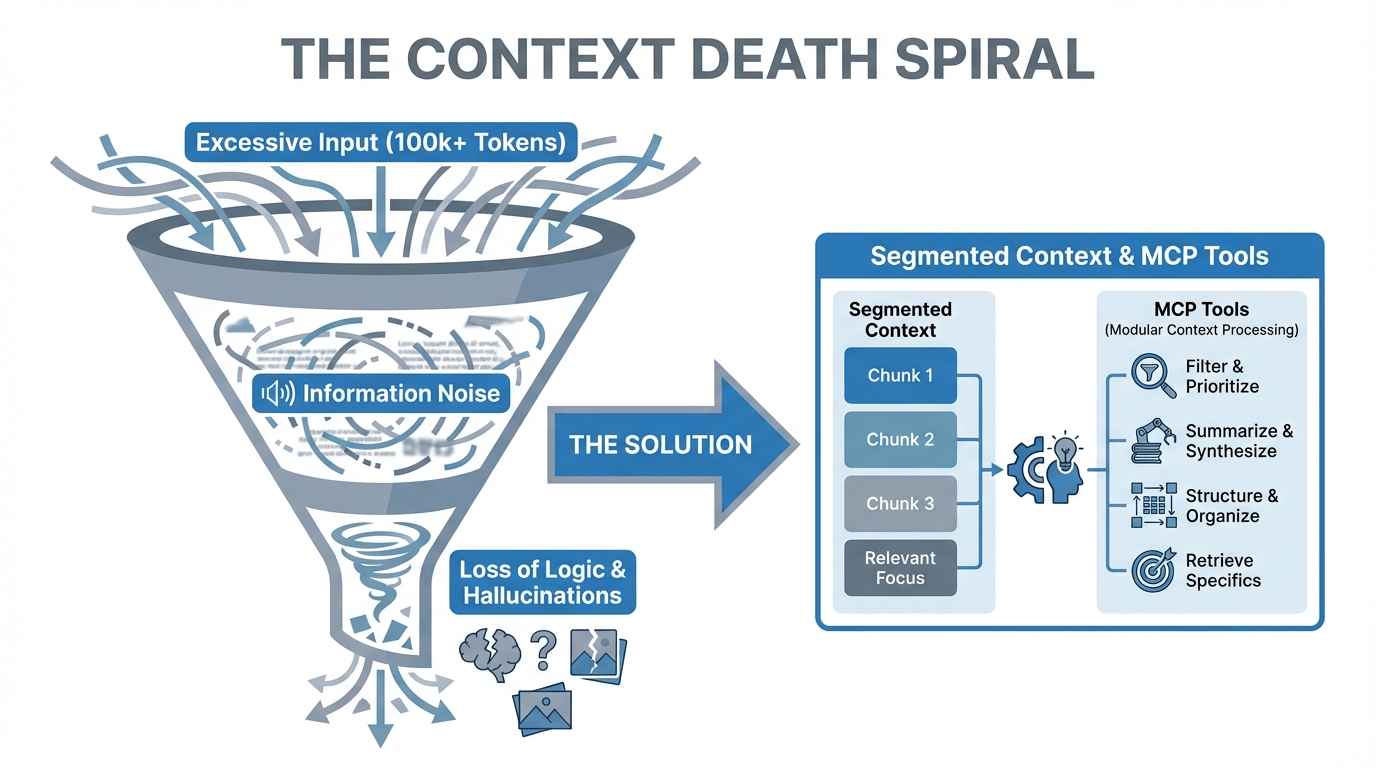
A common mistake in agentic workflows for growth is the "Context Death Spiral." This happens when you start new chat windows for every task, causing the AI to lose track of your brand's voice, negative keyword lists, and technical constraints. To maintain brand consistency, you should use a CLAUDE.md file or Claude Projects to store permanent instructions. This acts as the "brain" for your AI agents, preventing "hallucinated" bidding strategies or off-brand ad copy.
Another pitfall is "over-automation." Automating creative assets without human oversight can lead to "brand confusion" if the initial brief is weak. According to SizeIM, AI-generated images and copy still require a human "vibe check" to ensure they align with the long-term marketing strategy. Furthermore, ensure you are setting Portfolio Bidding Strategies with Max CPC caps to prevent the AI from causing budget spikes during learning phases.
"Automation without a strategy is just making mistakes faster. The 'Vibe' in Vibe Marketing is the human intuition that steers the AI's raw speed."
The Future of the 'Lean Agency' Model
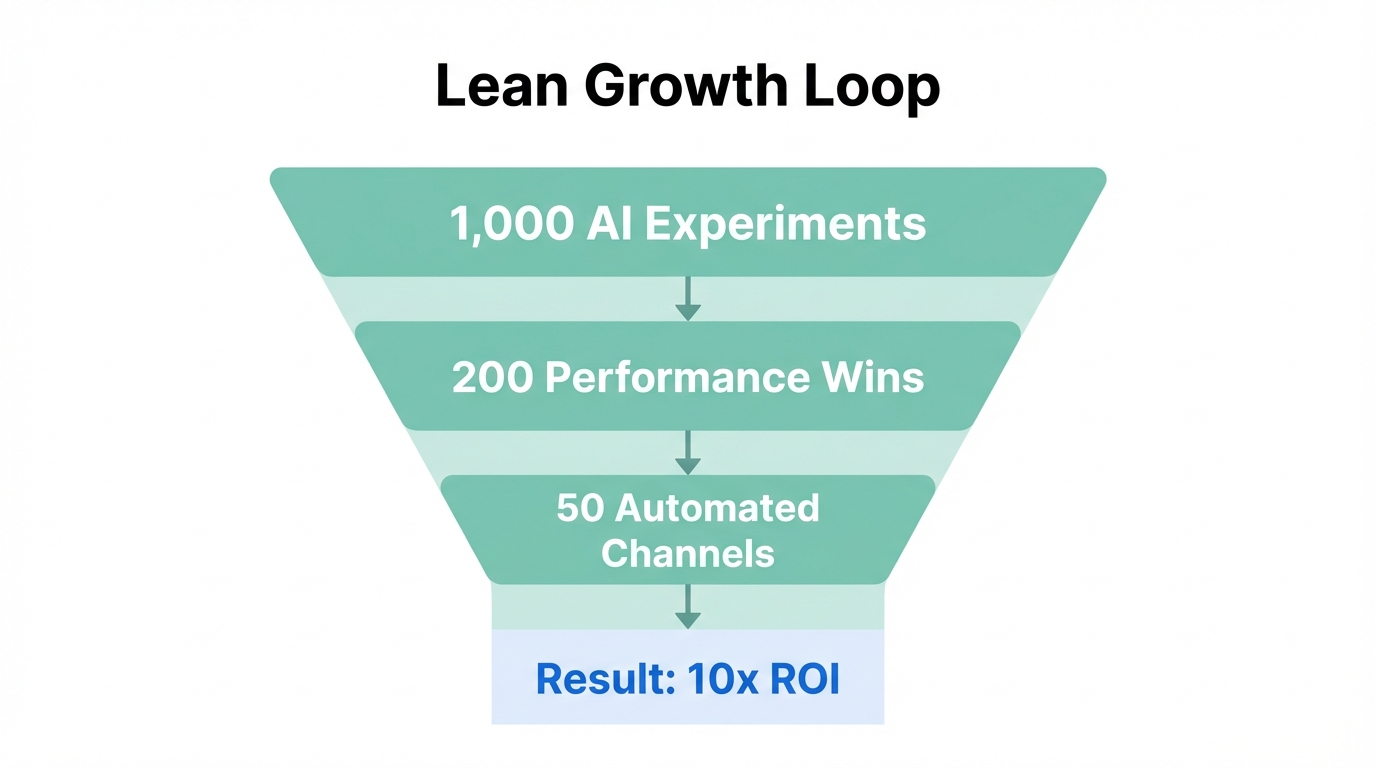
As we look toward the future, the "Lean Agency" will be defined by its tech stack rather than its headcount. By combining the power of Cursor for complex script editing and mcpmarket.com for pre-built AI skills, a single entrepreneur can manage budgets that previously required global firms like Nike or Starbucks-level resources.
The transition is already visible: AI-driven optimization can reduce Google Ads costs by up to 50% while increasing conversions by 30%, according to Growthlabs. To compete in this new environment, marketers must stop thinking about "prompts" and start thinking about "skills." By building a library of agentic workflows, you aren't just automating tasks; you are building a digital workforce that doesn't sleep, doesn't require benefits, and optimizes your ROI with every keystroke.
Conclusion: Stepping Into the Vibe Marketing Era
The rise of Vibe Marketing represents a democratization of enterprise-level marketing power. For entrepreneurs, the message is clear: the barrier to scaling is no longer capital or headcount; it is the ability to orchestrate agentic AI. By setting up a CLI-based environment, leveraging MCP for live data, and avoiding the context death spiral, you can build a marketing machine that is leaner, faster, and more profitable than any traditional agency. The tools are here—it's time to start coding your vibe.