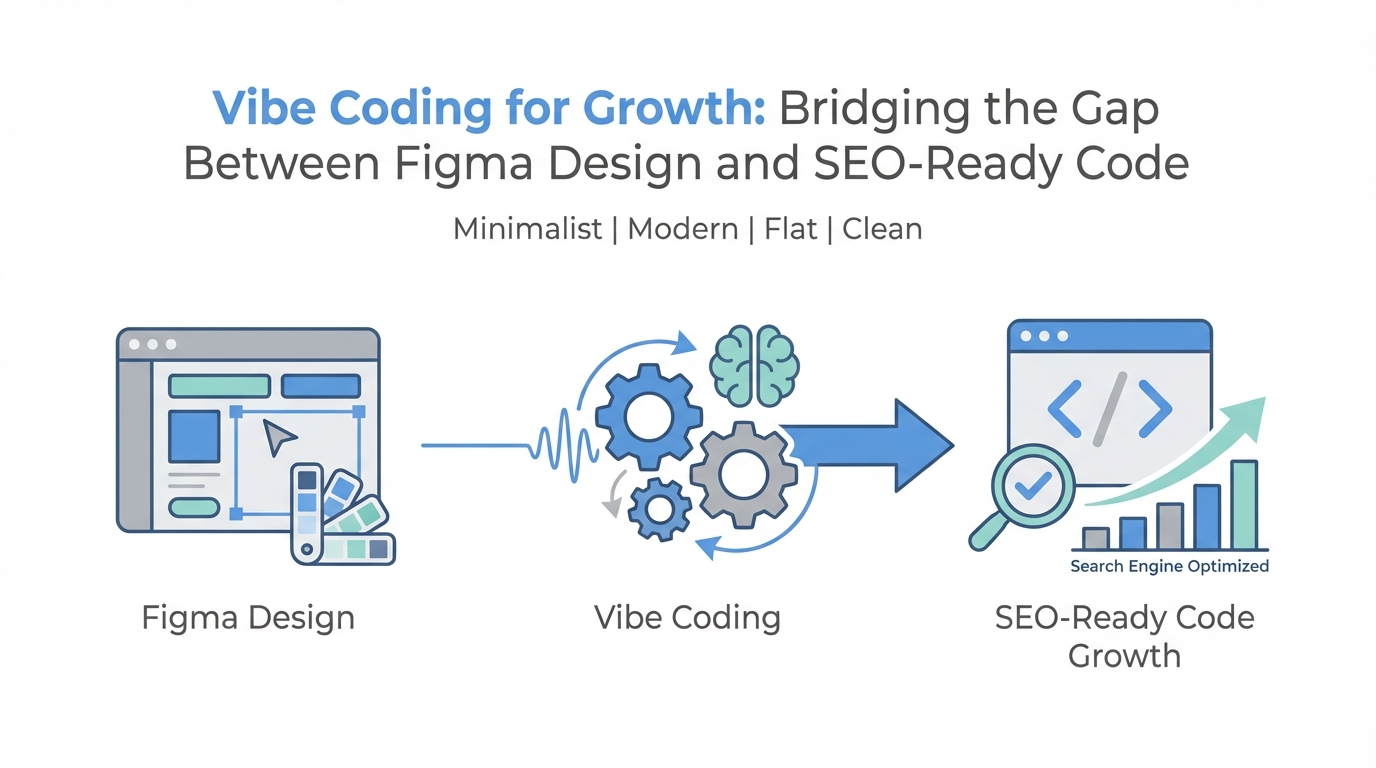
The tech landscape is currently obsessed with GPT wrappers and MicroSaaS, but a massive arbitrage opportunity is hiding in plain sight: boring businesses. While the digital elite focuses on AI agents, savvy marketers like James (@boringmarketer) are using AI to dominate local search results for essential services like diesel mechanics and home repairs. This vibe coding tutorial explores how to bridge the gap between high-end design in Figma and SEO-ready code that ranks in hours, not months. By leveraging the power of AI-driven development and programmatic SEO, you can build a defensible business that survives even the most radical AI disruptions.
The Boring Business Arbitrage: Why Vibe Coding Matters
As we approach potential AGI breakthroughs by 2030, digital services and SaaS tools face significant disruption. A smart barbell strategy involves balancing your online tools with investments in boring businesses that require physical presence and specialized skills. A robot isn't going to fix a heavy-duty tractor-trailer on an interstate anytime soon. These industries are often characterized by low digital sophistication, where competitors are still using spreadsheets and 15-year-old websites. This creates a vacuum where a vibe coding approach can yield massive returns. Using Claude Code, you can execute months of traditional SEO work in a single weekend, as seen with the success of the Diesel Dudes project which ranked in the top three results within 24 hours.
Step 1: The Design Gap—Using Figma to Avoid 'AI-Ish' Sites
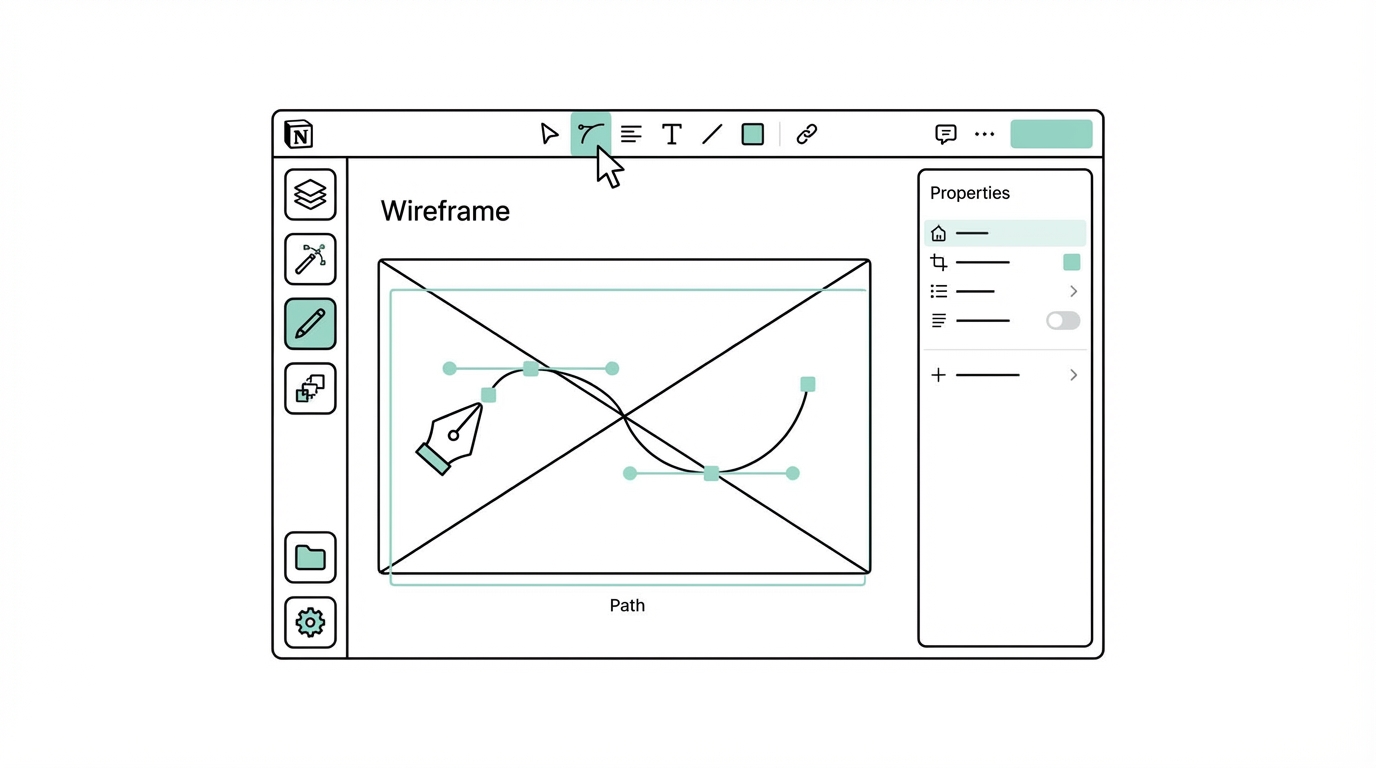
One of the biggest pitfalls of the current ai website builder for developers trend is that sites often look generic or clearly AI-generated. To build a brand that converts, you must start with professional UI/UX design. Start your project in Figma. Having a human designer—or a highly curated design file—ensures that your brand stands out in a sea of boilerplate templates. Professional design signals trust, which is critical when a customer is looking for an emergency service. Once your design is perfected, the challenge is converting Figma to React AI components without losing the nuance of the original file.
Step 2: Bridging the Gap with Anima and Claude Code
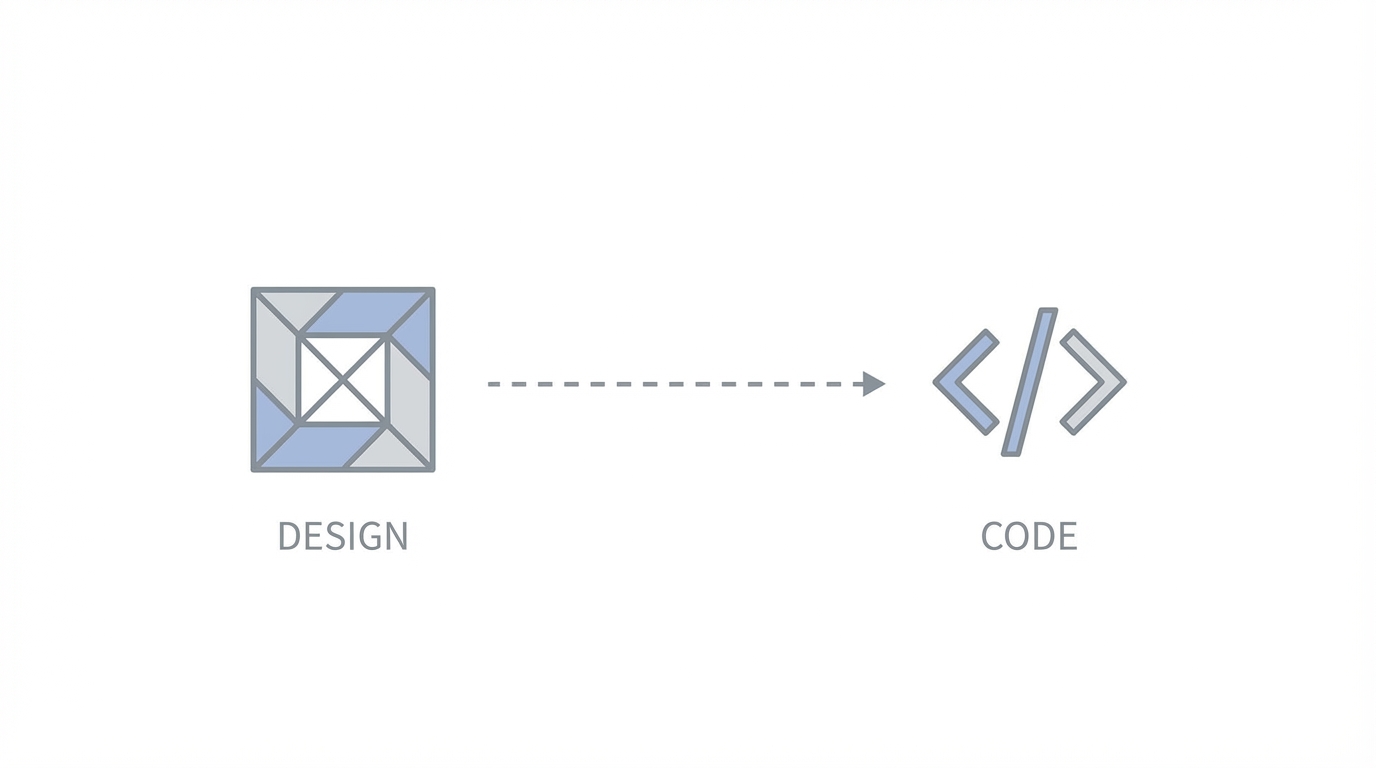
To move from a static design to a functional site, use the Anima plugin. Anima allows you to export your Figma designs directly into React components that are optimized for AI consumption. This workflow is the secret sauce for high-velocity development. You take these components and feed them into Claude Code to assemble the full site architecture. This method gets you 95% of the way to a finished product, leaving only minor 'vibe debugging' to ensure everything is pixel-perfect. It combines the creativity of design with the efficiency of AI-driven code generation.
Setting Up Your Development Environment
For non-technical marketers, setting up a development environment can feel daunting, but it is actually quite straightforward. If you are on a Mac, open your Terminal and install the Claude Code CLI. Once authenticated, you can ask Claude to help you set up a GitHub repository to manage your versions. For deployment, Vercel is the gold standard. By linking your GitHub to Vercel, every change you push will automatically update your live site, creating a seamless CI/CD pipeline for your boring business empire.
Step 3: Programmatic SEO Guide—Scaling to 50+ Pages
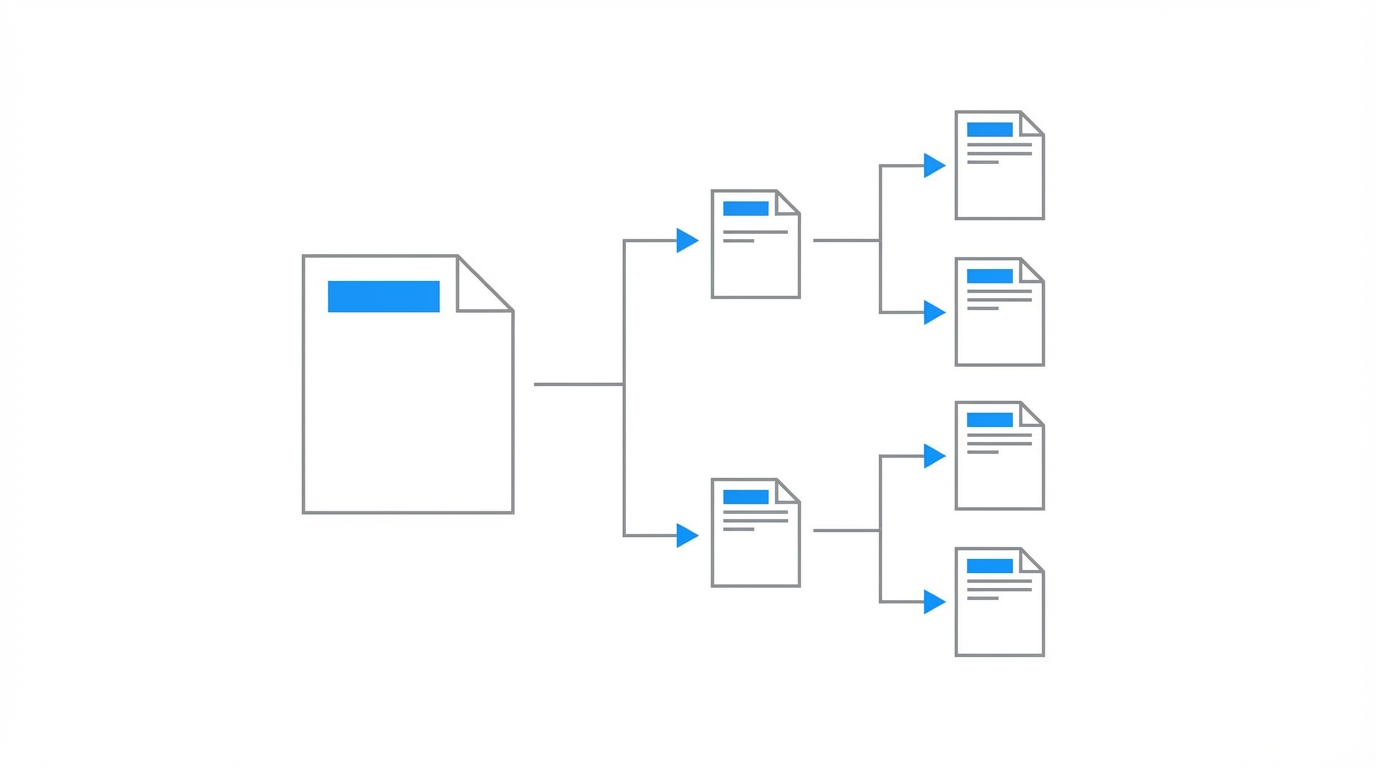
SEO is essentially a game of demand and supply. The demand is what people are searching for, and the supply is the landing pages on your website. A successful programmatic SEO guide involves creating a dedicated page for every high-intent search term. For a local service business, this means mapping out every service (e.g., 'emergency brake repair') and every location (e.g., 'Charlotte', 'Rock Hill'). Using AI, you can generate 50+ unique, high-quality pages in under four hours. The key is to avoid thin content. Instead of generic text, instruct your AI to research local landmarks, local industry nuances, and frequently asked questions specific to that geography.
Step 4: Technical SEO and Internal Linking Automation
Once the content is live, you must ensure Google can crawl and understand it. This is where vibe coding for growth truly shines. You can use the 'ultra-think' command in Claude to perform a deep technical audit of your site. This process identifies missing schema markup, optimizes meta descriptions, and creates a robots.txt file. Another critical element is internal linking automation. Instruct your AI agent to map relevant service pages to location-specific content. This creates a dense web of links that signal topical authority to search engines and LLMs alike.
Optimizing for PageSpeed and Mobile Performance
Local customers are often searching in high-stress situations, like being broken down on a highway. They need a site that loads instantly. Use Google PageSpeed Insights to identify bottlenecks. You don't need to be a developer to fix these; simply copy the error report and paste it into Claude. The AI can automatically compress images into WebP format, minify CSS, and improve accessibility scores. High performance isn't just a technical metric—it is a conversion optimization strategy.
Step 5: Scaling Trust with UGC and Stormy AI

While technical SEO gets you to the top of the rankings, social proof is what makes the phone ring. Modern SEO is increasingly influenced by Generative Engine Optimization (GEO), where LLMs look for trust signals and reviews to recommend a business. Beyond standard Google reviews, high-quality User-Generated Content (UGC) can significantly boost your conversion rates. For marketers scaling these boring businesses, sourcing authentic creators is the next logical step. Tools like Stormy AI allow you to discover and manage UGC creators at scale. You can find influencers in specific niches or locations to create testimonial videos that you can then embed on your programmatic landing pages. This bridges the gap between 'vibe coding' and vibe marketing, ensuring your site doesn't just rank, but actually converts traffic into revenue.
Step 6: Automating the Workflow with n8n
To truly scale, you need to automate your lead generation and content updates. Platforms like n8n offer powerful workflows that can connect your website to your CRM, automate follow-up emails, and even push new content based on seasonal trends. For those looking for pre-built solutions, The Vibe Marketer community provides thousands of plug-and-play workflows specifically designed for AI-driven marketing. By combining programmatic SEO with automated outreach and CRM management, you can run a multi-million dollar local service empire with minimal manual intervention.
Conclusion: The Future of Vibe Coding and Growth
Vibe coding is more than a trend; it is a fundamental shift in how we build for the web. By combining the precision of Figma design with the speed of Claude Code and the scale of programmatic SEO, anyone can dominate a local market in record time. The lesson is simple: don't sleep on the boring businesses. Use figma to code ai workflows to create a world-class digital presence, optimize it for search with a programmatic SEO guide, and use tools like Stormy AI to layer on the social proof needed to win. The tools are ready; the only question is which boring business you will dominate first.