For years, the barrier between a creative vision and a functional software product was a wall of syntax, compilers, and years of computer science education. In 2026, that wall has not just crumbled; it has been completely refactored. We are entering the era of vibe coding, a trend where the primary value of a developer is no longer their ability to write code, but their ability to maintain a clear product vision and direct autonomous agents. For the creator economy, this shift is tectonic. Influencers who once settled for selling branded hoodies and digital PDFs are now launching sophisticated micro-SaaS tools, custom analytics dashboards, and proprietary mobile apps in a matter of days. By leveraging terminal-native agents and frontier AI models, creators are transforming from content machines into software moguls.
What is Vibe Coding? The Refactoring of the Programmer
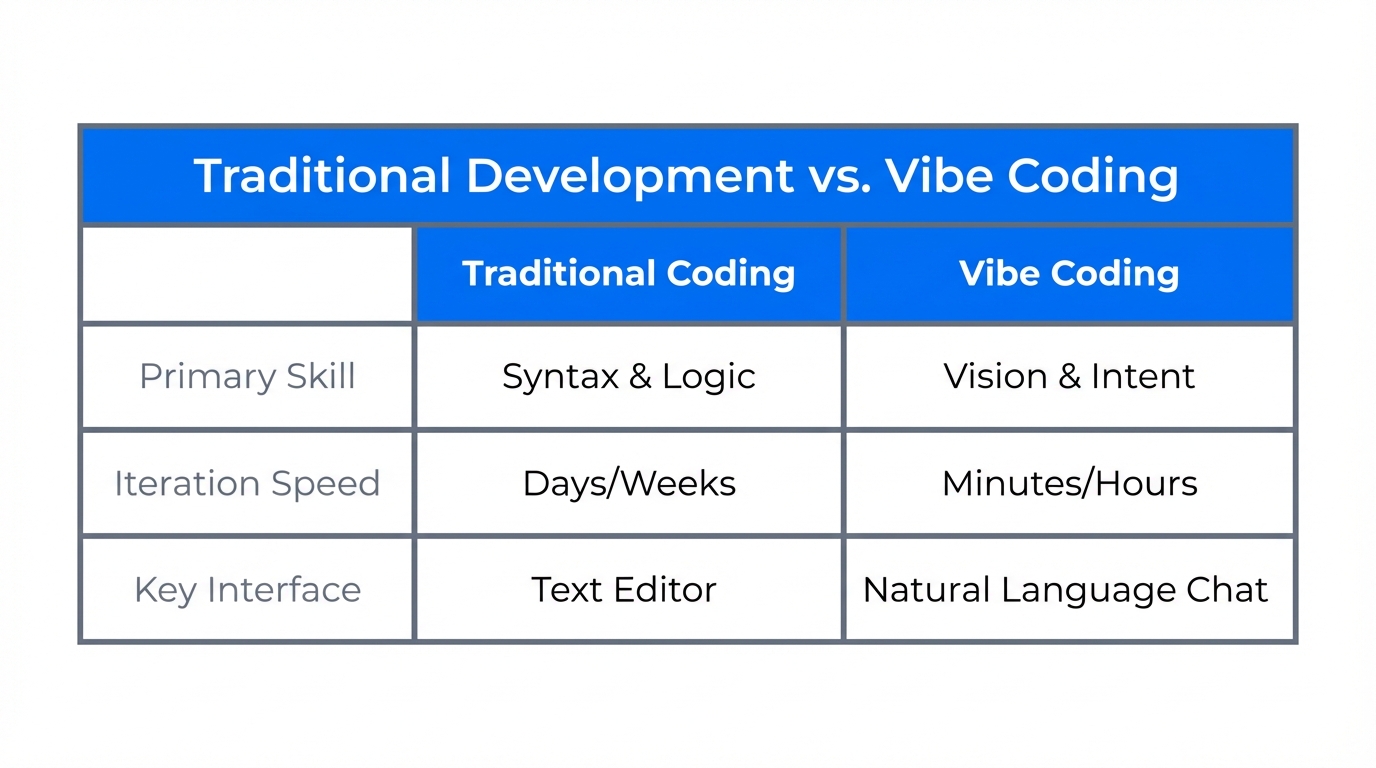
The term "vibe coding" might sound like a Silicon Valley punchline, but it describes a sophisticated shift from manual instruction to autonomous delegation. In the traditional paradigm, a programmer would spend 80% of their time on implementation—writing the literal lines of code—and 20% on architecture. According to industry leaders like Andrej Karpathy, the profession is being "dramatically refactored," where the bits contributed by the human are becoming sparse while the human's product direction becomes the primary value-add. Vibe coding is the act of describing the "vibe" or the intent of a feature and allowing an agentic AI to handle the file manipulation, debugging, and deployment.
"The key shift in 2026 is that the 'programmer' is transitioning into a 'product visionary'—someone who manages an army of AI agents rather than a keyboard."
This movement is powered by tools like Claude 3.5 Sonnet and Claude Opus 4.6. Unlike the autocomplete tools of the past, these are terminal-native agents that can plan, execute, and self-correct across multiple files. Recent benchmarks show that Claude 3.5 Sonnet leads the SWE-bench with a staggering 77.2% solve rate for complex real-world GitHub issues. This isn't just predicting the next line; it's solving the problem. As Jaana Dogan from Google reported, tasks that once took a team a year of manual work can now be prototyped in a single hour.
Rapid Prototyping: From Vibe to Product in Hours
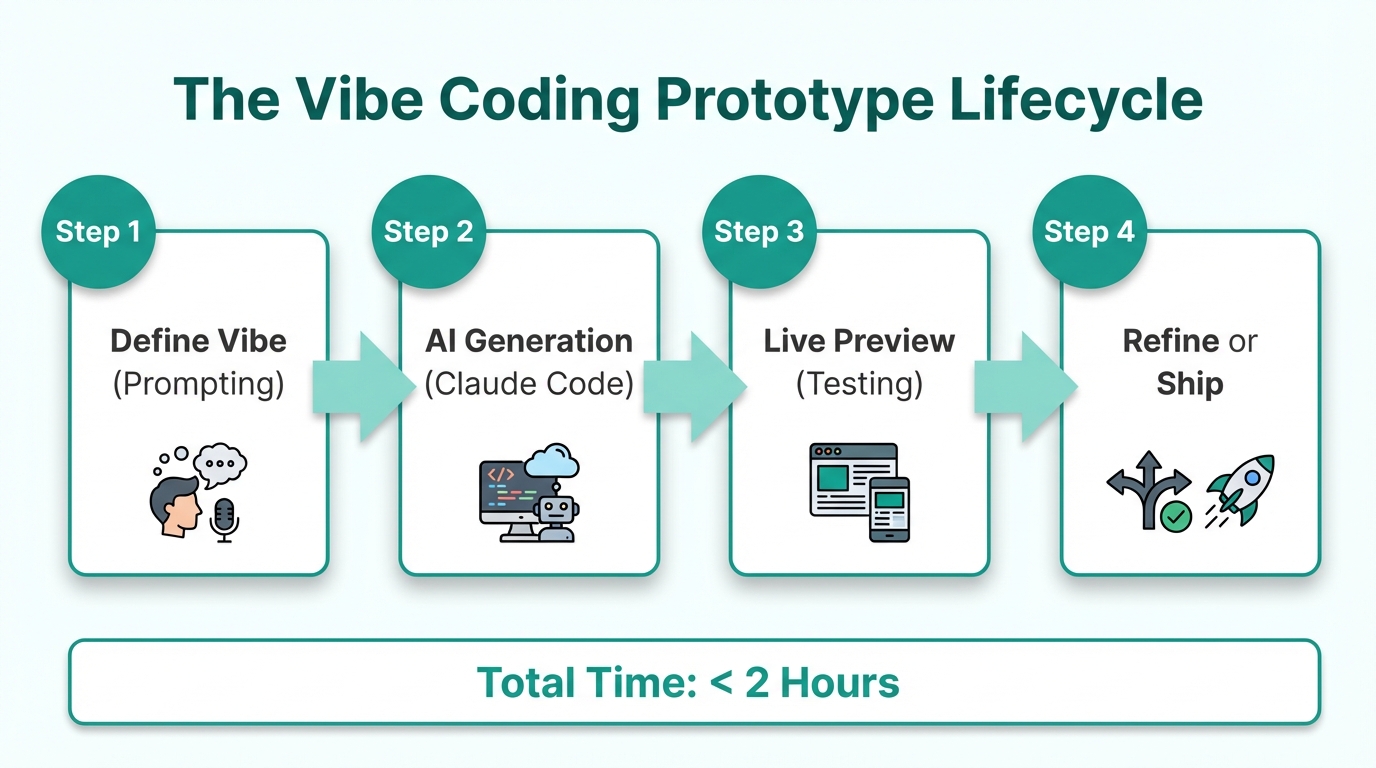
For influencers, time is the most valuable currency. The ability to move from an idea—like a custom calculator for their fitness community or a niche AI photo editor—to a functional influencer software development project is now possible without hiring a dev agency. The workflow has shifted toward multi-agent orchestration, where creators can spin up specialized "Agent Teams" (one for UX, one for backend, one for security) that peer-review each other in real-time. This "swarming" technique, often managed via Claude Code, ensures that the software is robust and ready for an audience of thousands.
The process of building micro-saas for creators often involves using the Model Context Protocol (MCP). This protocol allows AI agents to interact with a creator's entire stack, including GitHub for version control and Sentry for real-time error logs. Instead of manual testing, a creator can use Playwright to enable the AI to run browser automation, ensuring the UI works across all devices. This is the heart of ai product development: the AI does the heavy lifting, while the creator provides the creative guardrails.
| Feature | Traditional Development | Vibe Coding (AI-Driven) |
|---|---|---|
| Time to MVP | 3-6 Months | 1-48 Hours |
| Primary Skill | Syntax & Logic | Product Vision & Prompting |
| Cost | High ($50k+) | Low (AI Subscriptions) |
| Maintenance | Manual Patching | Agentic Self-Correction |
The 'Project Brain' Strategy: Setting Up for Success
To succeed in vibe coding, creators must move beyond the "ask and pray" approach, which often leads to spaghetti code. The gold standard for 2026 is the Project Brain Strategy, centered around a CLAUDE.md file in the root directory. This file acts as the centralized documentation that guides the AI agent's behavior and style. Experts recommend keeping these instructions under 150 lines to ensure the model remains compliant and focused.
Step 1: Define the Architecture
Before writing a single line, creators should use Plan Mode (hitting Shift+Tab twice in Claude Code) to force the AI to describe its architectural approach. This prevents "architectural blindness," a common mistake where the AI is excellent at implementation but fails to see the big picture. By defining the service responsibilities early, creators ensure their micro-SaaS is scalable.
Step 2: Inject Context with '!'
Power users leverage the '!' prefix to run shell commands directly within the conversation. For example, running ! pytest injects the test results straight into the AI's context window. This avoids wasting tokens on the model "thinking" about what might happen and instead gives it the raw data to fix bugs instantly.
"Stop treating AI like a magic button and start treating it like a Senior Engineer that needs clear documentation and real-time feedback loops."
Case Study: Converting Audience Insights into Production Pipelines
Consider a data-driven creator who uses exploratory data science to understand their audience. Previously, they might have a messy Jupyter notebook full of insights that stayed hidden on their local machine. Using vibe coding, creators are now converting these notebooks into production-ready pipelines. Using Metaflow pipelines, creators can automate the process of cleaning audience data, running sentiment analysis, and generating personalized content recommendations. This process, which used to take 1-2 days per model, is now finished in hours.
While platforms like Stormy AI streamline creator sourcing and outreach by providing deep analytics, creators are using these AI-built pipelines to manage their own internal performance. By turning their exploratory data into software, they create a proprietary brand moat that no competitor can easily replicate. These insights can then be fed into tools like Meta Ads Manager or TikTok Ads Manager to hyper-target their most engaged audience segments.
Monetizing the 'Vibe': Software as the New Merch
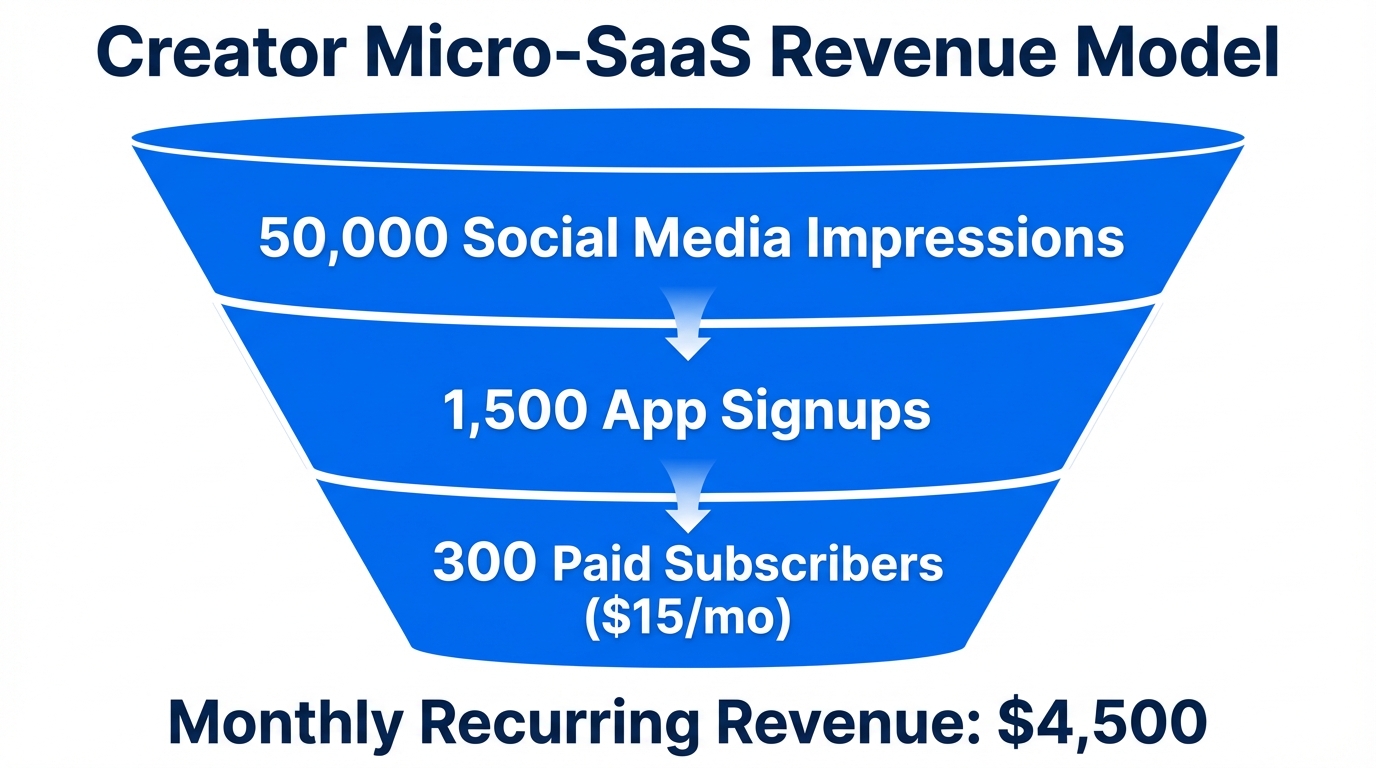
The creator economy trends 2026 point toward a shift from physical goods to digital infrastructure. A creator's "vibe" is their brand, and software is the ultimate expression of that brand. When an influencer launches a micro-SaaS, they aren't just selling a tool; they are selling a workflow that their audience trusts. These micro-SaaS products act as an unbreakable brand moat, generating recurring revenue through platforms like Stripe or Gumroad.
However, launching software requires more than just code. It requires an ecosystem. Modern creators pair their AI-developed tools with a robust growth stack. They might use Canva for their UI assets, manage their user base in Attio, and handle community engagement through Beehiiv newsletters. For those looking to scale, using an AI-powered platform like Stormy AI to find and collaborate with other UGC creators can exponentially increase the reach of their new software product.
Common Mistakes and "Vibe Checks"
Despite the speed of vibe coding, there are pitfalls. One major issue is context bloat. Dumping an entire codebase into an AI prompt actually degrades performance; quality drops when context capacity hits the upper limits of token limits. Creators must learn to use /clear aggressively to keep the AI focused on the task at hand. Additionally, security is paramount. Older versions of AI agents were prone to exposing API keys in logs; always ensure you are running the latest version via npm to keep your influencer software development secure.
"The Productivity Paradox: Developers using AI often feel 20% faster but can take 19% longer to complete tasks in mature codebases because of the 'review and verify' overhead. Don't let the speed blind you to the quality."
Conclusion: The Future of the Creator-Founder
The line between "influencer" and "tech founder" is blurring into non-existence. Vibe coding has democratized the ability to build, allowing those with the strongest connection to an audience to provide the most value through software. As we look toward the rest of 2026, the winners in the creator economy won't be those who post the most videos, but those who build the most useful tools for their communities. By adopting a Plan → Execute → Verify loop and leveraging agentic AI, any creator can turn their vibe into a high-growth software business. The code is already there; you just have to direct the vibe.