For decades, the barrier to entry for solo founders was the "last 10%" of technical friction—the missing semicolon, the broken build pipeline, or the sheer weight of writing thousands of lines of syntax. Today, that barrier has vanished. We are entering the era of vibe coding, a movement where the focus shifts from the granular mechanics of coding to the high-level 'editing' of AI-generated logic. [source] In this new paradigm, your clarity of product vision is far more valuable than your typing speed. Whether you are building a niche tool for yourself or the next big social news aggregator, AI allows you to move from curiosity to a functional prototype in less than a week.
The Mindset Shift: From Builder to Editor
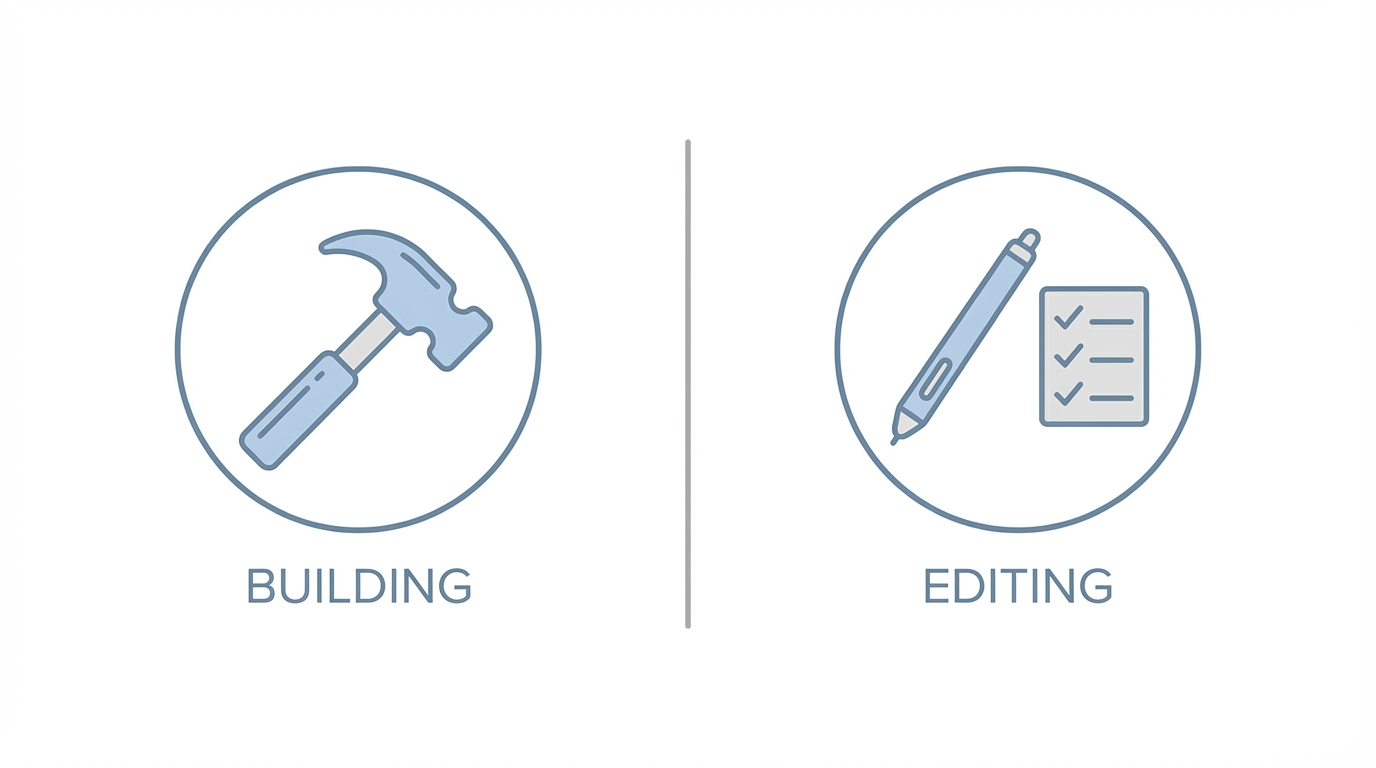
The traditional founder's journey involved months of learning a language or hiring expensive developers to build a Minimum Viable Product (MVP). In the age of AI, that role has fundamentally changed. You are no longer just a 'builder'; you are an editor-in-chief of logic. This shift means that the hard part isn't writing the code—it’s having the clarity to know exactly what to build and, more importantly, what to cut. As iconic entrepreneur Kevin Rose recently noted, the future of product building is about pairing things back to what is truly usable.
When you embrace vibe coding, you leverage tools like Claude Code to handle the heavy lifting of syntax and architectural patterns. Your job is to provide the 'vibe'—the aesthetic, the user experience, and the core utility. If the AI generates something that doesn't fit the vision, you don't spend hours debugging; you iterate on the prompt or pivot the logic. This rapid feedback loop allows solo founders to get more 'shots on goal' than ever before, focusing on finding product-market fit rather than fighting with a compiler.
Leveraging the Modern AI Stack for Rapid Prototyping
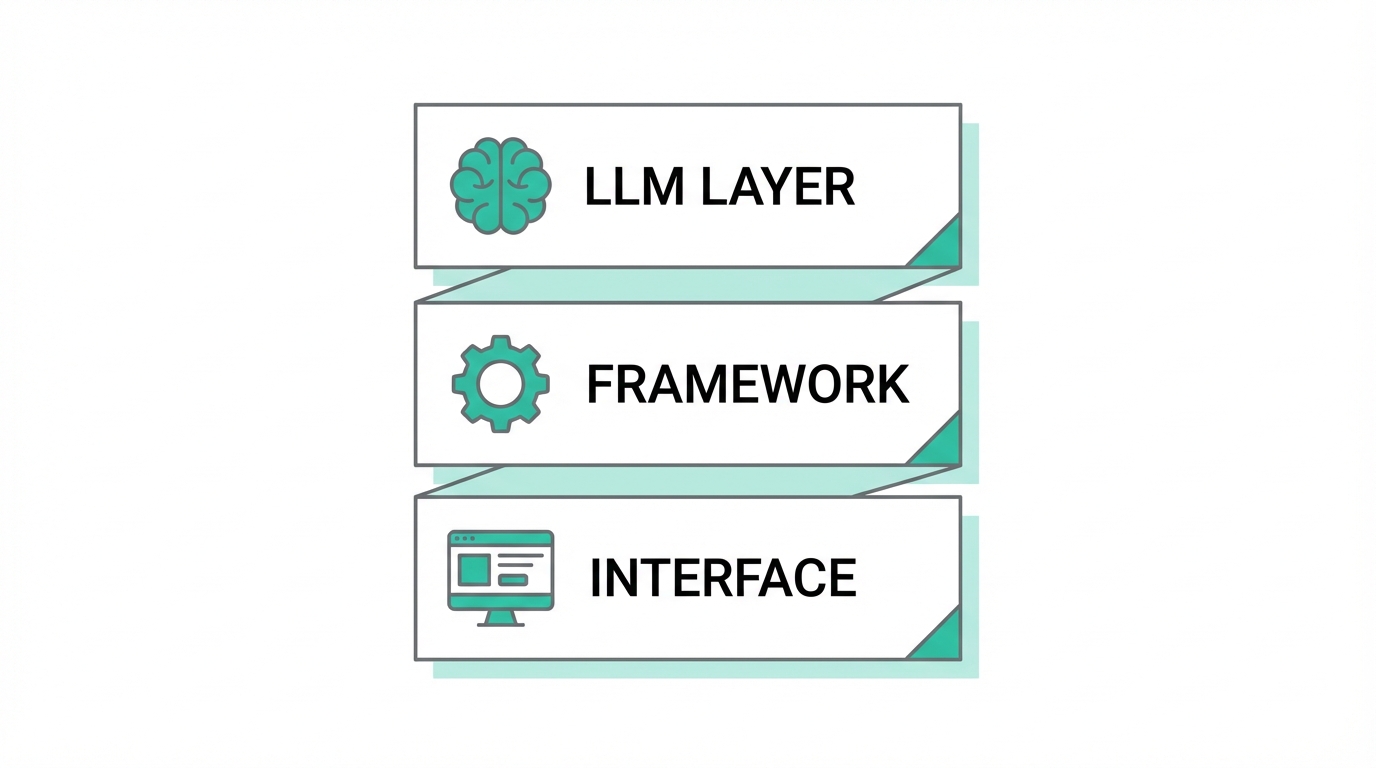
Building a sophisticated app like Nylon—Kevin Rose's personal AI-powered tech news aggregator—requires a robust pipeline that can ingest, process, and display data in real-time. To achieve this as a solo founder, you need to move beyond simple chat interfaces and into compound engineering. This involves stringing together specialized AI services that each handle a specific part of the workflow. For instance, while Google Gemini might be used for deep content crawling and ground-truth search, GPT-4o mini can handle fast, inexpensive TL;DR generation.
A modern lean AI startup stack often includes Vercel for deployment, which recently launched its own 'Workflows' to compete with tools like trigger.dev. These services allow you to create durable, asynchronous functions. If an API call fails or a crawler gets blocked, the system automatically retries, ensuring your app stays enriched even while you sleep. By using Firecrawl for stealth-mode web scraping or Iframely for rich media metadata, solo founders can build features that once required a full team of data engineers.
Personal Software and the "Audience of One"
One of the most exciting trends in rapid prototyping with AI is the rise of Personal Software. This is the idea that if a tool doesn't exist exactly the way you want it—whether it's a specific fitness tracker or a news feed focused only on robotics—you can simply build it for yourself. Kevin Rose’s Nylon project started as a curiosity: could he build a better version of Techmeme in a week? By focusing on his own needs (finding "novelty" in AI news), he created a tool that provides immense personal value, which is often the first step toward a successful public launch.
When you build for an audience of one, you bypass the paralysis of trying to please everyone. You can experiment with vector embeddings to find nuanced similarities between articles or use Tavily to expand your search scope outside of your immediate RSS feeds. If your "vibe coded" prototype eventually crashes under the weight of 50,000 users, that is a high-quality problem. At that point, you can hire engineers to refactor the "scribble code" into a performant production system. But until then, speed and utility are your only metrics.
The 7-Day Vibe Coding Roadmap: From Idea to MVP
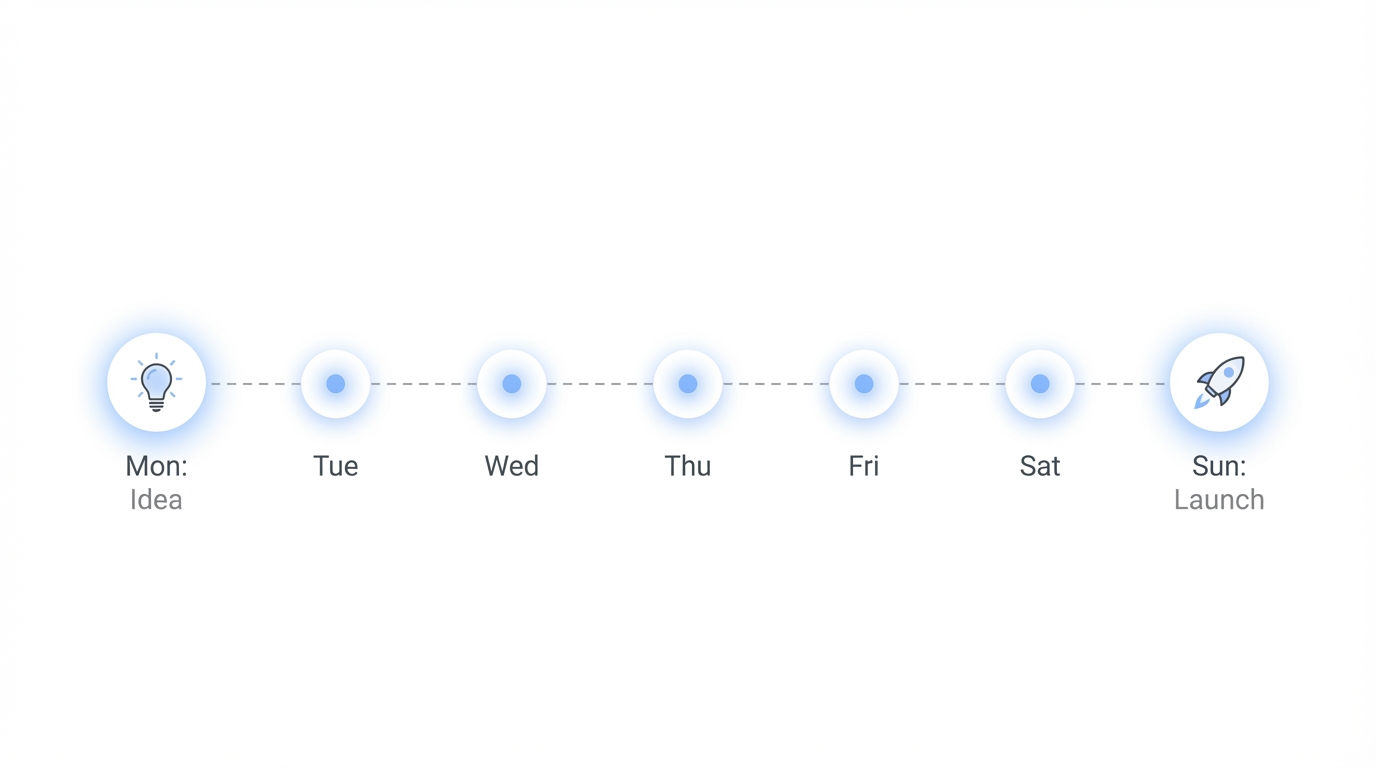
If you have an idea and a bit of curiosity, you can move from a blank screen to a functional prototype in exactly one week. Follow this playbook to maintain momentum and avoid the common traps that stall solo founders.
Day 1: Define the "Vibe" and Core Utility
Don't start with a feature list. Start with the feeling and the core problem. Write a one-page manifesto of what the product should do and what it should not do. Use Claude as a sparring partner to pressure-test your idea and identify the most critical 10% of features that will deliver 90% of the value.
Day 2: Set Up the Infrastructure
Choose your stack. Deploy a boilerplate app on Vercel and set up a database with a vector extension if you’re handling text analysis. Connect your AI API keys and set up a function orchestrator like trigger.dev to handle background tasks like data ingestion and enrichment.
Day 3-4: The Data Pipeline and Core Logic
This is where the "vibe" meets the machine. If you're building a content tool, use Firecrawl to pull in data. Implement vector embeddings from OpenAI or Anthropic to allow your app to 'understand' the content. Don't worry about perfect syntax; let the AI handle the complex algorithms for clustering or ranking while you focus on the logic flow.
Day 5: The Interface and User Experience
Use AI to generate your frontend components. Tools like v0.dev or Claude can create beautiful, functional UI from a simple description. Focus on visualizing the signal—whether that’s a gravity score for news or a progress bar for a habit tracker. Ensure the interface reflects the aesthetic you envisioned on Day 1.
Day 6: Refinement and The "Editor's Cut"
Go through your app and aggressively cut features that feel like noise. This is the hallmark of a great product builder. If a feature isn't essential to the 'vibe,' delete it. Test the app yourself and use AI to fix any glaring bugs or performance bottlenecks.
Day 7: Launch and Market Validation
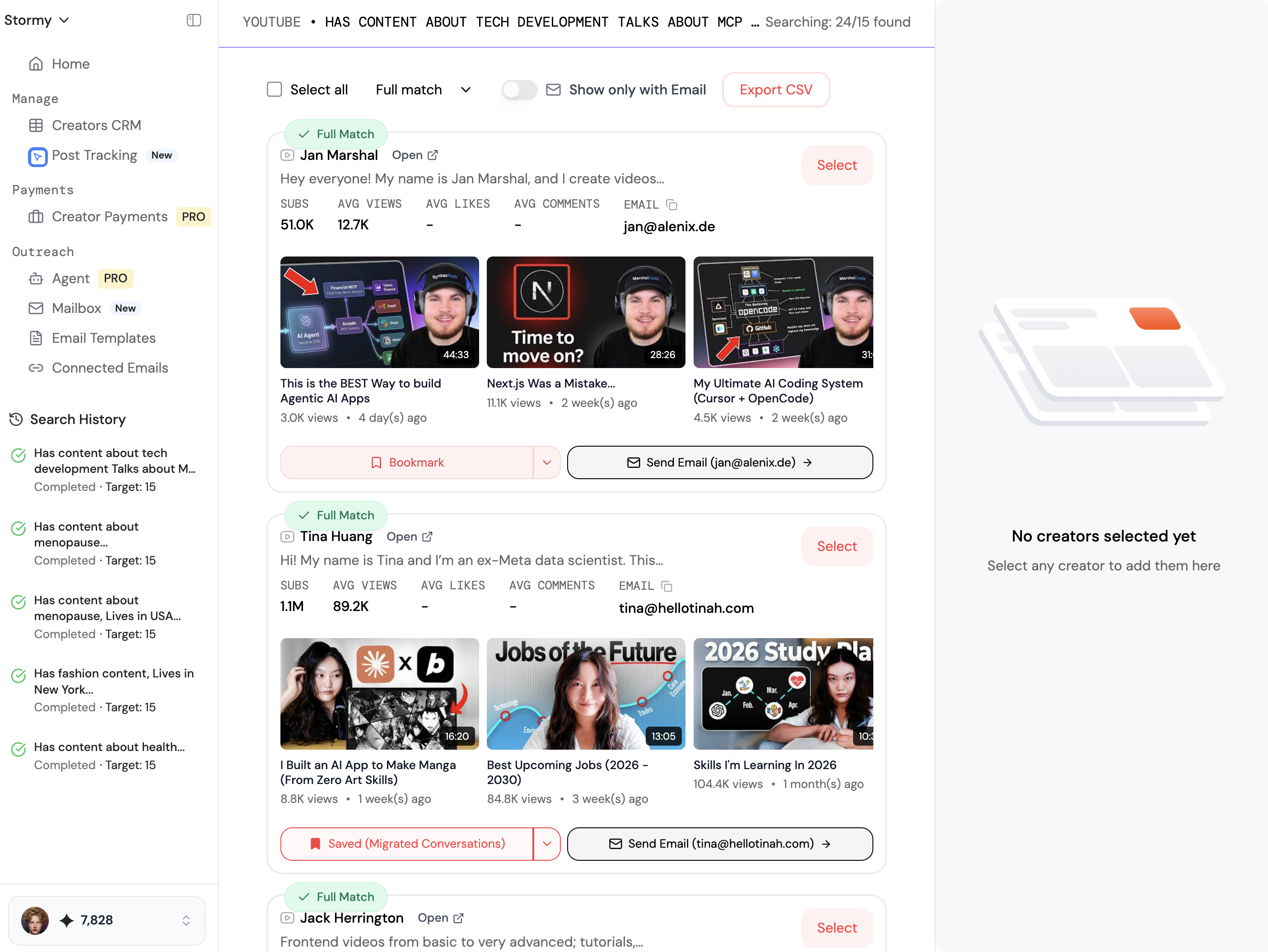
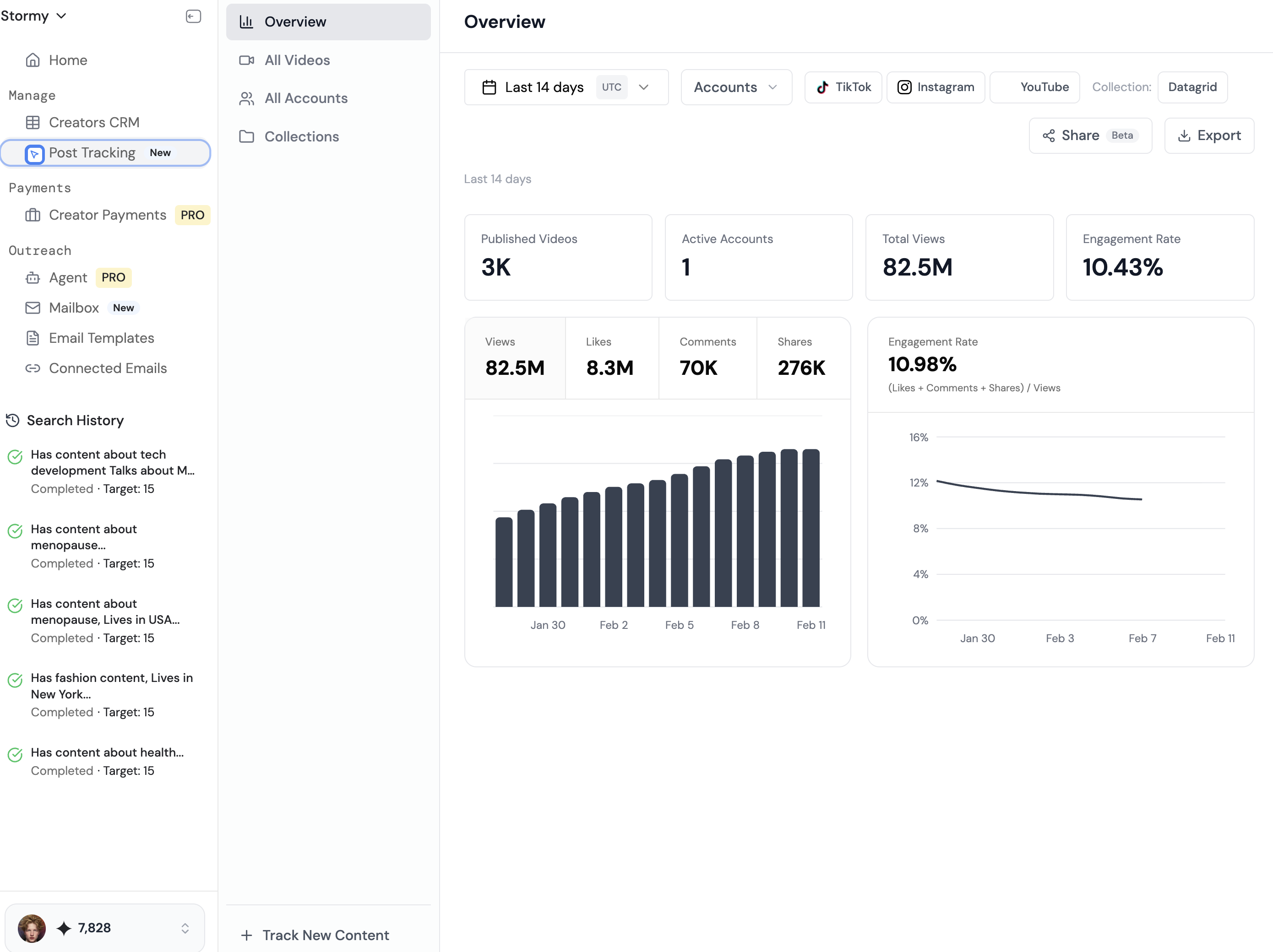
Put your prototype in front of real humans. This doesn't mean a massive public launch—send it to five friends or post it on a niche community. If you are building a product that relies on creators or influencers, AI-native platforms like Stormy AI streamline creator sourcing and outreach to test your product's market appeal at scale. Use this feedback to decide whether to pivot, uncommit your code, or double down on development.
Failure and the Art of the Rapid Pivot
In the world of vibe coding, failure isn't a setback; it's data. Because the cost of development has dropped to nearly zero—often just a few hundred dollars in AI credits—the risk of being wrong is negligible. If a clustering algorithm doesn't feel right, you can uncommit your last PR on GitHub and try a completely different approach in minutes. This ability to rapidly 'uncommit' allows you to take risks that traditional development teams would find terrifying.
As you move forward, remember that the goal of a lean AI startup is to stay in the game long enough to find the "magic." Whether it’s a social news site like Digg or a simple intermittent fasting timer, the biggest businesses often start as 'just for fun' projects. By leveraging the power of AI for solo founders, you can spend your nights and weekends exploring ideas that would have been technically impossible just a year ago.
Conclusion: Your Vision is the Variable
The democratization of code quality means that everyone now has access to the same 'senior engineer' in their pocket. This levels the playing field, making human creativity and vision the only remaining variables in the success of a product. Don't let the fear of technical complexity stop you from building. Embrace the messiness of the process, use AI as your sparring partner, and focus on delivering something that you—and perhaps a few hundred others—will truly love.
The era of vibe coding is here. It’s time to stop worrying about the syntax and start building the future. Whether you're using Stormy AI to discover creators for your new app or building a custom internal tool to solve your own frustrations, the only thing standing between your idea and a functional MVP is one week of focused effort. Go build something amazing.